
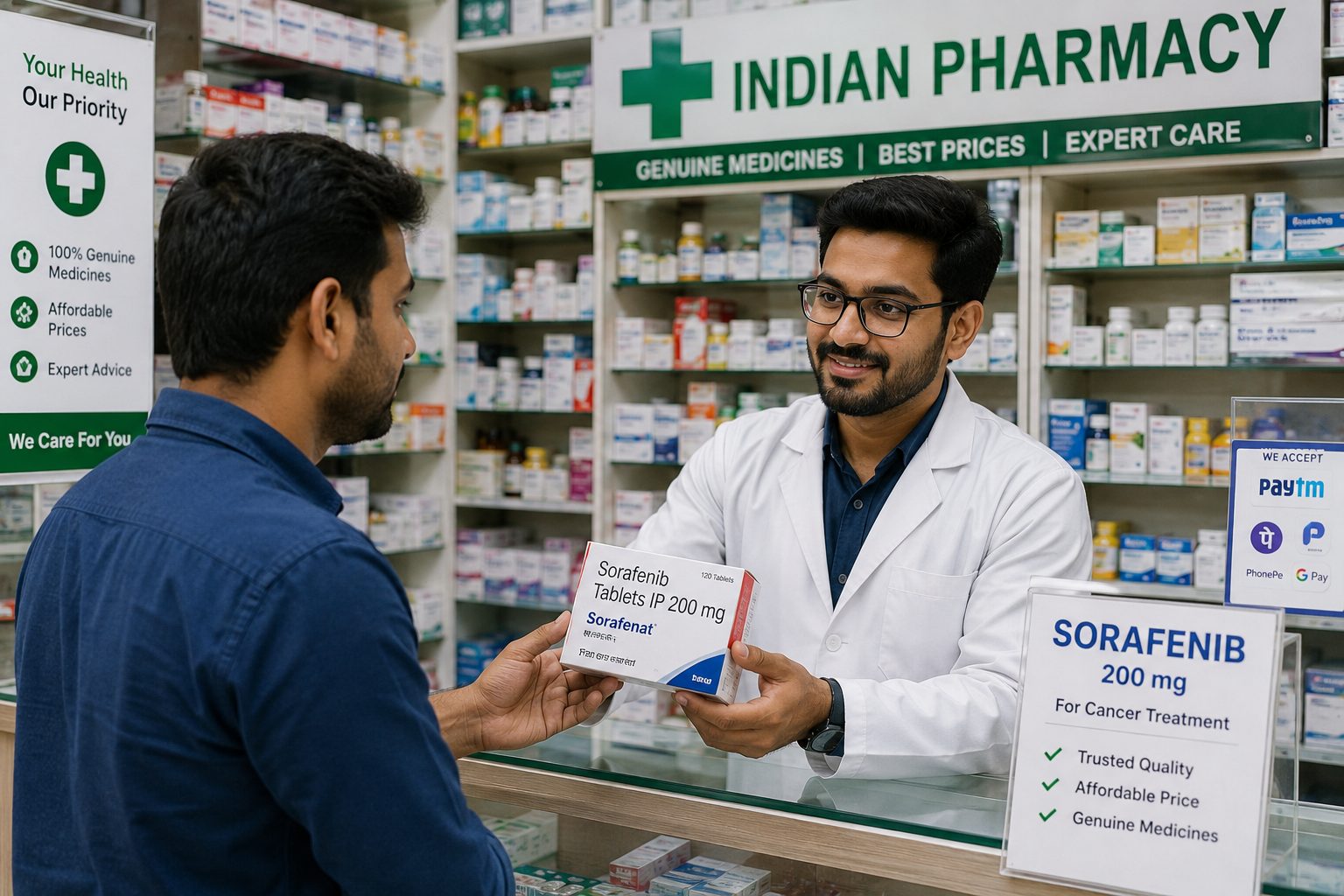
Sorafenib Price Guide 2026: Cost, Uses, Side Effects & Buying Information
SEO Meta
Title tag: Sorafenib Price Guide: Cost Factors and Savings Tips
Meta description: Discover sorafenib (Nexavar) pricing factors, generic options in India and globally, standard dosing, pharmacokinetics, side effects, and how to compare costs safely from licensed sources. Medically reviewed information for patients and caregivers.
Introduction
Sorafenib, marketed as Nexavar by Bayer and available in generic forms, is an oral multikinase inhibitor used in the treatment of certain advanced cancers. Patients and caregivers frequently search for sorafenib price information due to the high cost of targeted cancer therapies and the availability of more affordable generics, especially in markets like India.
This guide explains key pricing factors, compares brand vs. generic options, provides clinical context (including mechanism of action and pharmacokinetics), outlines safety considerations, and offers practical tips for safe cost comparison
What Is Sorafenib?
Sorafenib is an oral targeted cancer therapy classified as a multikinase inhibitor. It is used to treat certain advanced cancers by blocking proteins that promote tumor growth and blood vessel formation. Sorafenib is approved for the treatment of advanced hepatocellular carcinoma (liver cancer), advanced renal cell carcinoma (kidney cancer), and radioactive iodine-refractory differentiated thyroid cancer.
The medication is commonly prescribed when surgery or other treatment options are no longer effective. Treatment should always be initiated and monitored by an experienced oncologist.
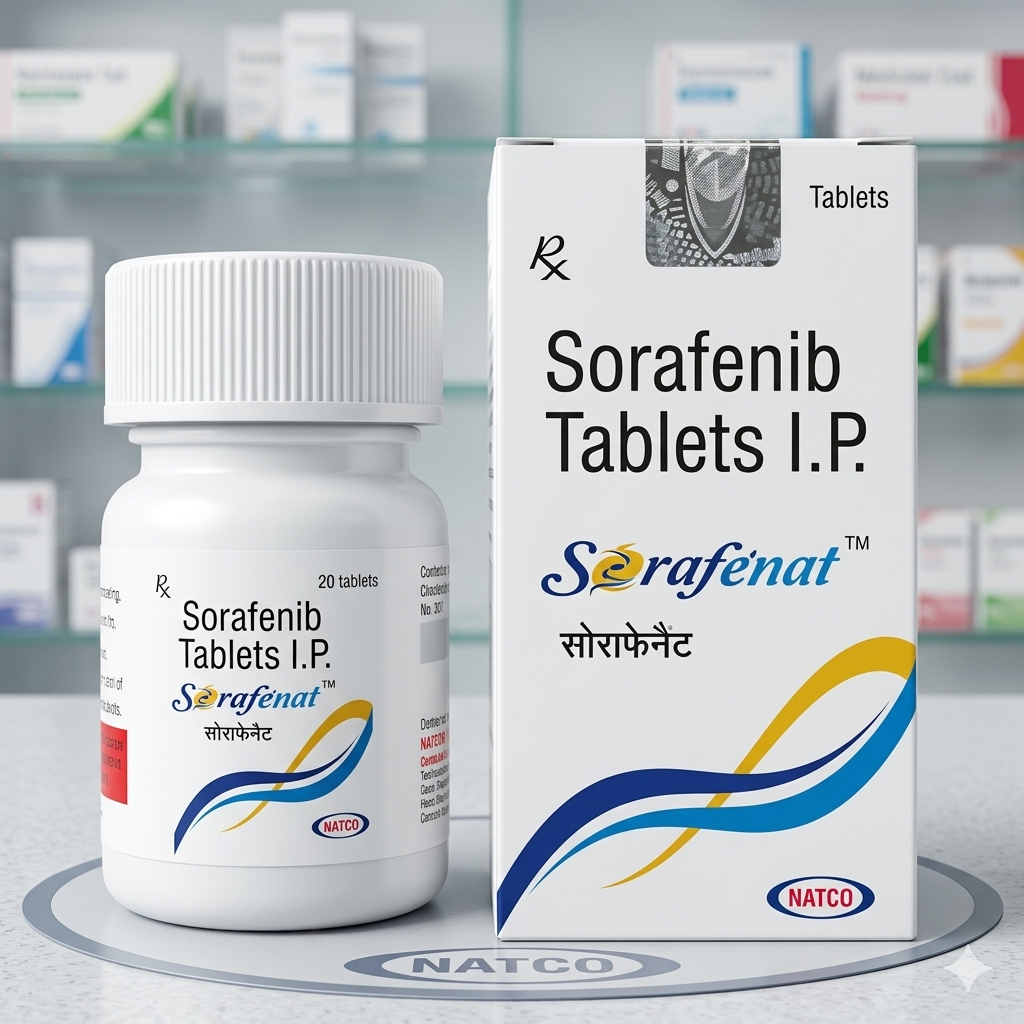
How Sorafenib Works
Sorafenib targets multiple signaling pathways involved in cancer progression.
Inhibition of Tumor Growth
Sorafenib blocks RAF kinases, including RAF-1 and BRAF, which play important roles in tumor cell proliferation.
Anti-Angiogenic Activity
The drug inhibits vascular endothelial growth factor receptors (VEGFR-2 and VEGFR-3) and platelet-derived growth factor receptor (PDGFR-β), reducing the formation of new blood vessels that tumors need for growth and survival.
Standard Dosing
The recommended dose is 400 mg (two 200 mg tablets) taken orally twice daily without food (at least 1 hour before or 2 hours after a meal). Treatment continues as long as clinical benefit is observed or until unacceptable toxicity occurs. Dose interruptions or reductions may be required to manage side effects
Pharmacokinetics: Professional Overview
Unlike generic fluff, here are key clinical parameters:
- Bioavailability: 38–49% relative to an oral solution. High-fat meals reduce bioavailability by ~29%; therefore, administer on an empty stomach.
- Protein Binding: ~99.5%
- Metabolism: Primarily hepatic via CYP3A4 (oxidation) and UGT1A9 (glucuronidation)
- Elimination Half-life: Approximately 25–48 hours
- Steady State: Achieved within 7 days with 2.5- to 7-fold accumulation on multiple dosing
- Excretion: Primarily fecal (~77%), with ~19% in urine
Sorafenib Price: Why the Cost Changes So Much
1. Country and local market rules
One of the biggest reasons sorafenib price differs from place to place is national regulation. Medicine pricing can be shaped by government controls, import taxes, wholesaler markups, and pharmacy policies. In some markets, competition among generic manufacturers may lower the cost. In others, limited supply or stricter distribution channels may keep prices high.
2. Brand name versus generic medicine
Brand-name oncology drugs often cost more than generics because the original company had development, research, and launch expenses to recover. Once generic versions enter the market, prices may fall due to competition. For many patients and purchasers, the generic sorafenib price is a major point of comparison because it may offer the same active ingredient at a lower cost.
3. Dosage strength and pack size
Medication pricing is not always quoted as a single number. It may depend on tablet strength, number of tablets per pack, and the amount needed for a full treatment cycle. A larger pack may have a different unit price from a smaller one. When comparing sorafenib cost, it is important to compare the same strength and the same number of tablets.
4. Prescription and dispensing channel
The final out-of-pocket amount can vary depending on whether the medicine is purchased through a hospital pharmacy, retail pharmacy, specialty pharmacy, or licensed online pharmacy where permitted. Some channels include consultation fees, dispensing fees, or delivery charges. Others may be part of an insurance network that changes the final patient cost.
5. Insurance coverage and reimbursement
For many patients, the listed price is not the same as the amount they pay. Insurance coverage, national reimbursement schemes, and patient assistance programs can reduce the real cost. In some systems, the medicine may be partially reimbursed; in others, the patient may pay most or all of the expense. This is why sorafenib price research should always include the question of coverage, not just retail cost.
Brand Name vs Generic Sorafenib Price
When people compare sorafenib pricing, they usually want to know whether generic versions are available and whether they are more affordable. In general, generic medications can reduce treatment cost because multiple manufacturers may supply the same active ingredient after patent exclusivity ends. That said, the actual savings depend on local availability, regulatory approval, and the pharmacy you use.
Brand-name products may still be preferred in some settings because of physician familiarity, institutional procurement rules, or supply consistency. Generic versions are often the cost-conscious choice, but every medication decision should be made with a licensed healthcare professional. This article is educational and does not recommend changing treatment on your own.
Sorafenib Price in India (2026)
The cost of Sorafenib varies depending on:
- Brand versus generic manufacturer
- Dosage strength
- Treatment duration
- Pharmacy location
- Availability of patient assistance programs
Generic versions are often significantly more affordable than branded alternatives while maintaining therapeutic equivalence when sourced from reputable manufacturers.
Patients should purchase Sorafenib only from licensed pharmacies and verified suppliers to ensure authenticity and quality.
How to Compare Sorafenib Costs Safely
Check the active ingredient and strength
Make sure every quoted price refers to sorafenib in the same dosage strength and tablet count. A lower headline number can be misleading if the pack contains fewer tablets or a different strength.
Compare total treatment cost, not just unit price
Look beyond the sticker price. Add dispensing fees, shipping charges, taxes, and any required consultation costs. In some cases, a slightly higher unit price may still be the better value if the total cost is lower.
Verify the pharmacy or supplier
For prescription oncology medicines, source reliability matters. Use licensed pharmacies and avoid sellers that cannot clearly explain product origin, batch information, or dispensing rules. Counterfeit or mishandled medicines create serious safety concerns.
Ask about reimbursement options
Hospitals, insurers, and patient support groups may offer cost-reduction pathways. Even when a medicine is expensive, there may be formal assistance programs that lower the patient share. A pharmacist, oncology clinic, or insurer can often clarify these options.
Buying Guide: What Patients and Caregivers Should Look For
If you are researching sorafenib price because you need to buy the medicine, the safest approach is to focus on verified channels and transparent pricing. A responsible buying process usually includes confirmation of the prescription, source verification, and a clear understanding of whether the product is brand name or generic.
It also helps to compare the same package size across multiple licensed suppliers. Some pharmacies quote a low per-tablet cost but require extra service charges. Others may include shipping or tax in the displayed amount. A fair comparison should include the total amount payable.
Because sorafenib is a specialty medicine, some suppliers may require pharmacist review before dispensing. That is normal. It is a positive sign when the seller asks for proper prescription details, verifies the package, and provides clear storage instructions.
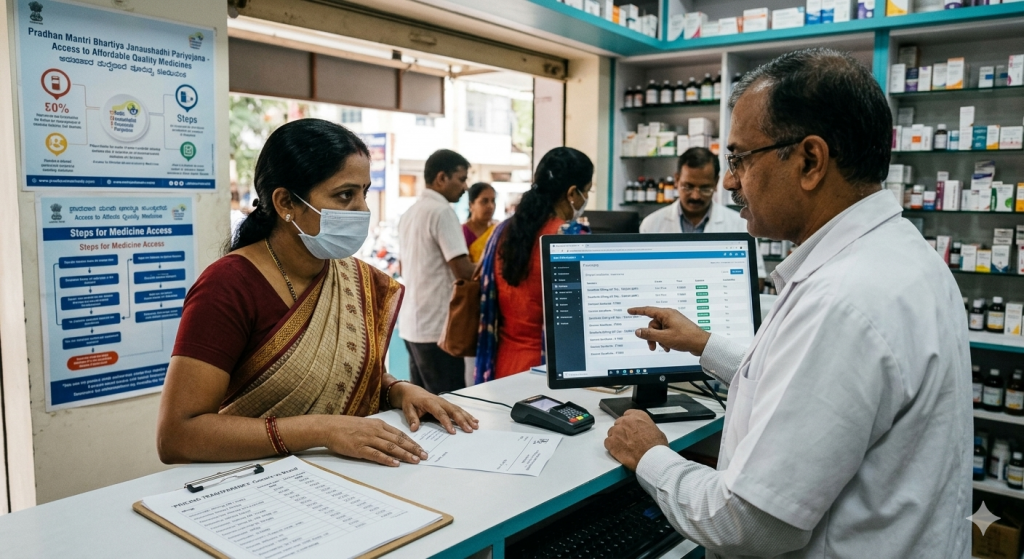
Safety Considerations
Price should never be the only factor when choosing a prescription cancer medicine. Sorafenib should be used only under medical supervision, and any purchase should come from a legitimate source. Avoid websites that promise unusually low pricing without asking for a prescription or that make unsupported claims about cure rates, guaranteed results, or “miracle” effectiveness.
Also remember that switching between products should be discussed with a healthcare professional. Even when the active ingredient is the same, differences in excipients, packaging, or supply chain controls may matter in a clinical context.
Market Insights
In the oncology drug market, prices are shaped by a mix of clinical demand, patent history, generic competition, and purchasing systems. As more generic manufacturers enter the market, average prices may decrease, but the pace of change is not the same in every country. Some healthcare systems negotiate strong discounts through centralized purchasing, while others rely more heavily on retail pricing.
Search behavior around sorafenib price also reflects a broader trend: patients want transparent, practical information before they make treatment-related financial decisions. That means high-quality content should explain cost drivers clearly, avoid exaggerated claims, and help readers understand the difference between list price, negotiated price, and out-of-pocket expense.
Data & Insights
General market patterns suggest that sorafenib pricing is usually influenced by three major variables: brand competition, local regulation, and insurance support. In markets with stronger generic penetration, patients may see lower prices. In markets where specialty pharmacy distribution is common, fees can increase the final amount paid. Because these conditions change over time, any price guide should be updated regularly and should be read as a snapshot rather than a fixed global rate.
Another important insight is that cost discussions often become more useful when they are tied to treatment access. A medicine that is technically cheaper but difficult to source may not be the best practical choice. For that reason, readers should compare availability, shipping time, prescription requirements, and supplier reliability together with price.
FAQ
1. What is sorafenib price based on?
Sorafenib price is usually based on the manufacturer, whether the product is brand name or generic, the country where it is sold, and the pharmacy or hospital channel used. Insurance coverage and dispensing fees can also change the final amount paid. Because oncology medicines are often handled through specialty channels, the price you see online may not match the full out-of-pocket cost. Always compare the same strength and pack size before making a decision.
2. Is generic sorafenib cheaper than the brand name?
In general, yes. Generic sorafenib is often less expensive because it competes with other versions of the same active ingredient after exclusivity periods end. The actual savings depend on local approval, supplier availability, and reimbursement rules. Some countries have strong generic competition, while others still have limited supply. When comparing prices, make sure the product is from a licensed source and that the tablet strength and quantity match the brand version you are reviewing.
3. Why does sorafenib cost vary between countries?
International price differences are common for prescription medicines. Sorafenib cost can change because of taxes, import duties, healthcare policy, exchange rates, and distributor markups. Some governments negotiate prices centrally, while others leave pricing more open to market forces. This is why a medicine may appear much more expensive in one country than another. Comparing countries can be helpful, but any import or purchase decision should still follow local laws and prescription requirements.
4. How can I check whether a sorafenib pharmacy is legitimate?
A legitimate pharmacy should be transparent about licensing, prescription requirements, product origin, and contact details. It should not pressure buyers with unrealistic discounts or promise prescription medicine without verification. Look for clear labeling, secure payment methods, and professional customer support. For oncology medicines, it is especially important that the seller can explain storage, packaging, and dispensing procedures. If anything about the source feels unclear, it is safer to choose another licensed provider.
5. Does insurance usually cover sorafenib?
Coverage depends on the country, the insurer, and the specific indication being treated. Some plans may cover most of the cost, while others may require a high copay or prior authorization. In public healthcare systems, the medicine may be reimbursed under special rules. Because coverage can change, patients should confirm benefits directly with the insurer or hospital pharmacy. The list price alone does not tell you the real cost to the patient.
6. What should I compare besides the unit price?
It is important to compare the total cost of treatment, not only the price per tablet. Add shipping, taxes, pharmacy fees, consultation costs, and any import or handling charges. Also check whether the package contains the same tablet strength and count. A lower unit price may not be the best deal if other fees are added later. Total-cost comparison gives a more accurate picture of affordability.
7. Can I buy sorafenib online?
In some regions, licensed online pharmacies may dispense sorafenib if proper prescription procedures are followed. However, online purchasing carries risk if the source is unverified or if the medicine is sold without a prescription. Because sorafenib is a prescription oncology medicine, buyers should focus on regulated, transparent suppliers. Avoid any site that offers suspiciously low prices, hides its location, or cannot document its licensing and supply chain.
8. Are there ways to reduce sorafenib cost?
Possible cost-reduction options include generic versions, insurance reimbursement, patient assistance programs, and comparing licensed pharmacies. Some hospitals and manufacturers may offer support depending on eligibility. The best approach is to ask your pharmacist, oncology team, or insurer about approved savings options. Any cost-saving plan should keep safety and legal sourcing first. Do not substitute a product or supplier without proper review.
9. Is lower sorafenib price always a good sign?
Not always. A lower price can mean generic competition or a legitimate promotion, but it can also signal poor sourcing, missing services, or an unverified seller. For a prescription cancer drug, the lowest listed price is not automatically the best value. Check the supplier’s credentials, product details, and dispensing rules. Reliable sourcing is more important than saving a small amount if there is any doubt about authenticity.
10. What is the best way to ask about sorafenib cost?
The clearest way to ask is to include the exact strength, quantity, country, and whether you want brand or generic pricing. That allows pharmacies and clinics to give more accurate information. You can also ask about insurance coverage, copay, shipping, and refill options at the same time. A precise question makes the quote more useful and helps avoid misunderstandings between list price and actual patient cost.
Conclusion
Sorafenib is an effective targeted therapy used to treat advanced liver, kidney, and thyroid cancers. While treatment cost is an important consideration, patients should also focus on quality, safety, and proper medical supervision. Always purchase Sorafenib from trusted sources and follow your oncologist’s recommendations to achieve the best possible treatment outcomes.
Extra SEO Output
URL slug: sorafenib-price-guide
Related long-tail keywords:
- sorafenib price per tablet
- generic sorafenib cost
- how much does sorafenib cost
- sorafenib price comparison
- buy sorafenib online safely
- sorafenib cost without insurance
- oncology drug pricing guide
- affordable sorafenib options
- targeted therapy medicine price
Internal linking topics:
- Generic vs brand-name cancer medicines
- How prescription drug pricing works
- What targeted therapy means in oncology
- How to verify a licensed online pharmacy
- Ways to reduce out-of-pocket medicine costs
Conclusion
The search term sorafenib price usually reflects a practical need: readers want to know what this medicine costs and how to compare options safely. The most important price drivers are country, manufacturer, dosage, pharmacy channel, and insurance coverage. Generic sorafenib may offer lower cost in some markets, but sourcing and safety must always come first.
If you are comparing sorafenib prices, focus on licensed suppliers, identical pack sizes, and total treatment cost rather than headline numbers alone. For the most useful result, pair any price search with a pharmacist or clinician review so that affordability and safety are considered together.