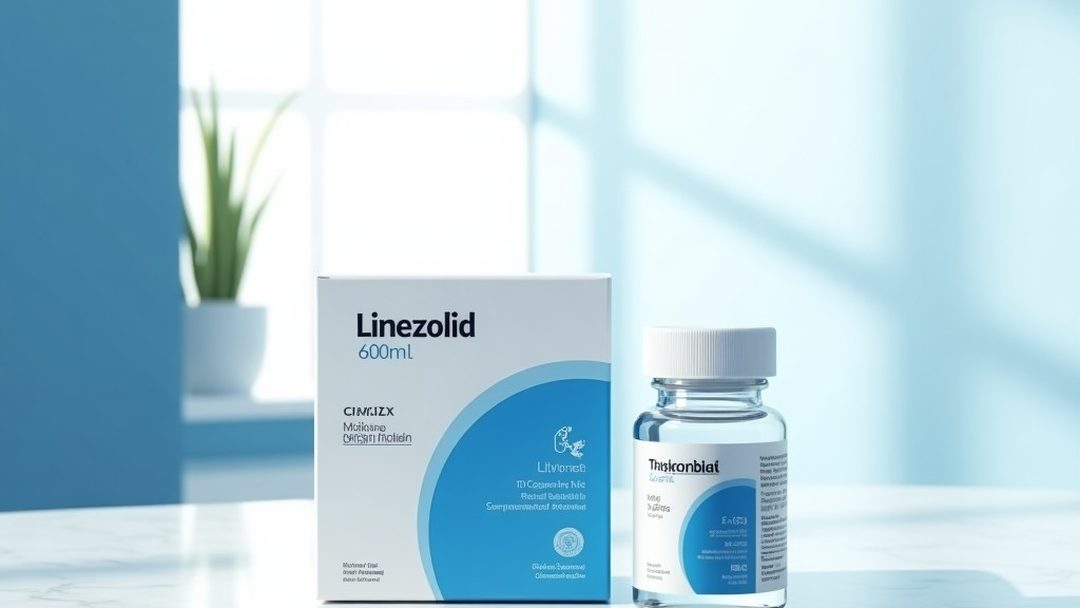
Antibiotics Guide: Understanding Linezolid 600mg
Antibiotics are essential medications used to treat bacterial infections. Among them, linezolid stands out as a potent oxazolidinone antibiotic effective against Gram-positive bacteria, including methicillin-resistant Staphylococcus aureus (MRSA) and vancomycin-resistant enterococci (VRE). This comprehensive guide provides detailed information about linezolid 600mg, its uses, dosage, side effects, and pricing information for patients and healthcare professionals.
What is Linezolid?
Linezolid is a synthetic antibacterial agent belonging to the oxazolidinone class. It works by inhibiting bacterial protein synthesis, specifically by binding to the 23S ribosomal RNA of the 50S subunit, preventing the formation of the initiation complex. Linezolid is available in both intravenous and oral formulations, with the 600mg tablet being a common strength for outpatient treatment.
Mechanism of Action
Linezolid selectively inhibits bacterial protein synthesis at the initiation stage. It binds to the P site of the 50S ribosomal subunit, preventing the formation of the functional 70S initiation complex. This mechanism is distinct from other antibiotics, which contributes to its activity against resistant strains. Unlike bacteriostatic antibiotics that merely inhibit growth, linezolid is bactericidal against most Gram-positive pathogens.
Uses
Linezolid is indicated for the treatment of the following infections caused by susceptible Gram-positive bacteria:
- Hospital-acquired pneumonia
- Community-acquired pneumonia
- Complicated skin and soft tissue infections
- Vancomycin-resistant Enterococcus faecium infections
- MRSA infections
- Diarrhea
- Headache
- Nausea
- Vomiting
- Dizziness
- Rash
- Myelosuppression (anemia, leukopenia, thrombocytopenia) with prolonged use (>2 weeks)
- Serotonin syndrome when co-administered with serotonergic agents
- Lactic acidosis
- Peripheral and optic neuropathy
- History of hypertension
- Blood disorders (anemia, low platelet count)
- Kidney or liver disease
- If you are taking antidepressants (particularly SSRIs, SNRIs, MAOIs) or other serotonergic drugs
- Zurenko GE, et al. Linezolid: the first oxazolidinone antimicrobial. Clin Infect Dis. 2000;30(Suppl 1):S121-S127.
- Balkanaiuz IJ, et al. Linezolid versus vancomycin for the treatment of nosocomial pneumonia. Chest. 2002;122(2):440-448.
- Friedland HD, et al. Linezolid in the treatment of resistant Gram-positive infections. Clin Infect Dis. 2003;36(2):178-185.
- Paesattó RP, et al. Linezolid: a review of its pharmacology, clinical efficacy, and safety. Expert Opin Pharmacother. 2005;6(7):1157-1169.
- US Food and Drug Administration. Zyvox (linezolid) prescribing information. Accessed June 2026.
- World Health Organization. WHO Model List of Essential Medicines – 22nd List, 2021.
It is particularly valuable in cases where resistance to other antibiotics limits treatment options.
Dosage Table
| Indication | Dosage | Frequency | Duration |
|---|---|---|---|
| Nosocomial pneumonia | 600 mg | Every 12 hours | 10-14 days |
| Skin and soft tissue infections | 600 mg | Every 12 hours | 10-14 days |
| Vancomycin-resistant Enterococcus infections | 600 mg | Every 12 hours | 14-28 days |
| MRSA infections | 600 mg | Every 12 hours | Duration depends on infection severity |
Side Effects
Common side effects of linezolid include:
Serious adverse reactions, though rare, can occur:
Patients should be monitored for these adverse effects, especially during extended therapy.
Comparison Table
| Antibiotic | Class | Typical Use | Advantages | Disadvantages | |
|---|---|---|---|---|---|
| Linezolid | Oxazolidinone | MRSA, VRE, pneumonia, skin infections | Oral bioavailability, effective against resistant strains | Cost, risk of myelosuppression with long-term use | |
| Vancomycin | Glycopeptide | MRSA, C. difficile (oral), serious Gram-positive infections | Well-established, bactericidal | Requires IV administration (oral for C. difficile), nephrotoxicity, ototoxicity | |
| Daptomycin | Lipopeptide | Complicated skin infections, bacteremia, right-sided endocarditis | Rapid bactericidal activity, once-daily dosing | Not effective for pneumonia (surfactant inactivation), elevated CPK monitoring | |
| Clindamycin | Lincosamide | Skin infections, anaerobic infections, bone and joint infections | Oral and IV forms, good tissue penetration | Risk of C. difficile diarrhea, bacteriostatic |
India Generic Pricing
Based on data sourced from 984degree.com, the price for Linezolid 600mg (100 tablets) is approximately $56.00. Applying a ±10% variation to account for regional pharmacy differences and market fluctuations, the estimated price range in India is:
$50.40 – $61.60
This range reflects the cost for a pack of 100 tablets. Actual prices may vary based on the manufacturer, pharmacy location, and any applicable discounts or taxes.
Frequently Asked Questions (FAQ)
How long does it take for linezolid to start working?
Linezolid begins to show clinical improvement within 48 to 72 hours of starting therapy for most infections. However, it is crucial to complete the full prescribed course even if symptoms improve earlier.
Can linezolid be taken with food?
Yes, linezolid can be taken with or without food. Taking it with food may help reduce gastrointestinal upset in some patients.
What foods should be avoided while taking linezolid?
Patients should avoid tyramine-rich foods such as aged cheeses, cured meats, fermented soy products (e.g., soy sauce, tofu), and certain alcoholic beverages (like tap beer) due to the risk of hypertensive crisis.
Is linezolid safe for use in pregnancy?
Linezolid is generally not recommended during pregnancy unless the potential benefit justifies the potential risk to the fetus. Animal studies have shown adverse effects, and there are limited human data. Consult your doctor for personalized advice.
Safety Information
Before starting linezolid, inform your healthcare provider about any pre-existing conditions, especially:
Regular monitoring of blood counts is recommended for therapy lasting more than two weeks. Patients should be educated about the signs of serotonin syndrome and hypertensive crisis and seek immediate medical attention if symptoms occur.
References
Disclaimer: This article is for informational purposes only and does not constitute medical advice. Please consult a healthcare professional before starting any medication. Prices are indicative and may vary by region and pharmacy.