Hyperthyroidism affects an estimated 1–2% of the general population, and Graves’ disease accounts for roughly 60–80% of those cases worldwide. For decades, methimazole has remained the first-line antithyroid medication because it is effective, convenient, and far less expensive than surgery or radioiodine. This guide breaks down exactly how methimazole works, who should take it, the dosing schedule your clinician will likely use, the laboratory monitoring that keeps therapy safe, and how much the generic version typically costs—so you can make an informed decision alongside your endocrinologist.
What Is Methimazole and How Does It Work?
Methimazole is an antithyroid (thionamide) medication that lowers the amount of thyroid hormone your body produces. The thyroid gland manufactures thyroxine (T4) and triiodothyronine (T3) by attaching iodine to a protein called thyroglobulin inside the follicular lumen. Methimazole blocks thyroid peroxidase (TPO), the enzyme responsible for both the oxidation of iodide and the coupling of iodotyrosines into active hormone. With TPO inhibited, iodine cannot be incorporated efficiently, and new hormone synthesis falls within hours to days.
It is worth understanding that methimazole does not block the release of hormone already stored in the thyroid colloid. That is why symptom relief is gradual—typically over 3–6 weeks as preexisting hormone is metabolized and cleared. The drug also has little direct effect on peripheral conversion of T4 to the more active T3, which is why clinicians often add a beta-blocker such as propranolol during the first weeks to control tremor, palpitations, and anxiety rapidly.
Approved and Common Uses
- Graves’ disease — the most common indication; used for long-term management or to normalize thyroid levels before definitive radioiodine or surgery.
- Toxic multinodular goiter and toxic adenoma — to control hormone excess when surgery is deferred or contraindicated.
- Thyroid storm — as part of emergency protocols, usually combined with iodide, beta-blockers, and corticosteroids.
- Pre-operative preparation — to render a hyperthyroid patient euthyroid before thyroidectomy, reducing anesthetic and cardiac risk.
- Neonatal hyperthyroidism — managed in specialized settings when maternal TSH-receptor antibodies cross the placenta.
Clinical Evidence and Guidelines
Major endocrine societies, including the American Thyroid Association and the European Thyroid Association, position antithyroid drugs—and specifically methimazole (or its pro-drug carbimazole outside the US)—as preferred initial therapy for most adults with Graves’ disease who are not immediately bound for radioiodine or surgery. Multiple long-term cohort studies report that roughly 30–50% of patients achieve a durable remission after a 12–18 month course, with better odds in those who attain normal antibodies and a small goiter. Meta-analyses consistently show methimazole’s side-effect profile to be more favorable than that of propylthiouracil, which is why PTU is now largely reserved for the first trimester of pregnancy and for thyroid storm.
Dosage Guidelines
Dosing is highly individualized and guided by lab values (TSH, free T4, occasionally free T3). Typical adult regimens are shown below; pediatric dosing is weight-based (commonly 0.4 mg/kg/day, capped at 30 mg/day).
| Clinical scenario | Typical starting dose | Maintenance dose |
|---|---|---|
| Mild hyperthyroidism | 10–20 mg per day | 5–10 mg per day |
| Moderate to severe | 30–40 mg per day | 5–15 mg per day |
| Block-and-replace (with levothyroxine) | 40–60 mg per day | Fixed high dose + T4 |
Doses above 10–15 mg are usually split into 2–3 daily administrations because methimazole has a relatively short plasma half-life of about 4–6 hours and the goal is steady enzyme inhibition. A single daily dose is acceptable at lower maintenance doses, which also improves adherence.
Drug Interactions and Monitoring
Methimazole can alter the effect of several drugs. It may potentiate warfarin (raising bleeding risk via reduced clotting-factor synthesis), increase theophylline levels, and interact with beta-blockers and digoxin. Because of rare but serious hematologic and hepatic toxicity, clinicians routinely check a baseline complete blood count and liver panel, then recheck if the patient develops fever, sore throat, rash, jaundice, or dark urine. A CBC is appropriate at the first sign of infection. Patients should be counseled to stop the drug and seek care immediately for any of those warning symptoms rather than waiting for the next appointment.
Side Effects and Safety Profile
Most people tolerate methimazole well. Common, usually mild effects include itching or rash (~3–5% of users), nausea, headache, and joint or muscle aches. These are often managed with antihistamines or a brief dose reduction.
Rare but serious risks (require urgent evaluation):
- Agranulocytosis — a severe drop in neutrophils—occurs in roughly 0.1–0.5% of patients and presents as fever, sore throat, or mouth ulcers.
- Hepatotoxicity — uncommon liver injury; discontinue if jaundice or dark urine appears.
- Vasculitis and other hypersensitivity reactions, including lupus-like syndrome.
⚠️ Pregnancy note: Methimazole is generally avoided in the first trimester because of an association with embryopathy (aplasia cutis, choanal/esophageal atresia). Guidelines typically switch to propylthiouracil early in pregnancy, then back to methimazole after the first trimester. Breastfeeding at low doses is often considered acceptable, but only under specialist supervision.
Methimazole vs Other Thyroid Treatments
| Option | Onset | Reversibility | Key drawback |
|---|---|---|---|
| Methimazole (medication) | 3–6 weeks | Reversible, ongoing | Requires monitoring; rare blood/liver risk |
| Radioactive iodine (RAI) | 2–3 months | Usually leads to permanent hypothyroidism | Lifelong thyroid hormone replacement |
| Surgery (thyroidectomy) | Immediate | Permanent | Surgical risk; lifelong replacement |
| Propylthiouracil (PTU) | Similar | Reversible | Higher hepatotoxicity risk; reserved for pregnancy/TCA storm |
Cost and Affordable Generic Options
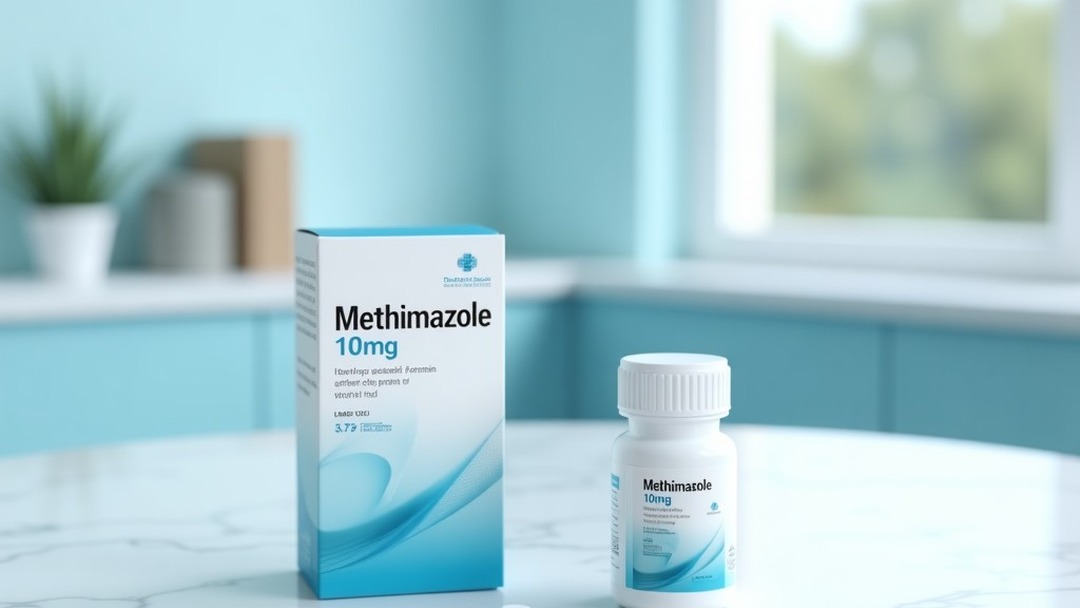
Methimazole has been off-patent for decades, so generic pricing is very accessible. Typical out-of-pocket ranges (±10% variability by pharmacy, strength, and quantity):
| Product | Typical range |
|---|---|
| Generic methimazole 5 mg (30 tablets) | $6–$11 |
| Generic methimazole 10 mg (90 tablets) | $14–$24 |
| Brand Tapazole 5 mg (30 tablets, US) | $220–$380 |
| Brand Tapazole 10 mg (90 tablets, US) | $560–$900 |
The cost-effective treatment options available through verified generic suppliers can be a fraction of the US brand price. Because thyroid therapy is long-term, even modest per-month savings compound substantially over a year. You can compare legitimate thyroid care medications here to understand current generic availability and pricing tiers. Always confirm the supplier requires a prescription and ships from a licensed pharmacy.
Decision Guide: Is Methimazole Right for You?
Methimazole is often preferred when you want to avoid permanent hypothyroidism, you are preparing for RAI or surgery, or you have mild-to-moderate Graves’ disease and wish to attempt a remission. It is less ideal as a permanent cure in older patients with cardiac complications, where definitive treatment (RAI or surgery) may be safer long-term. Your endocrinologist will weigh your age, gland size, antibody levels, and personal preference before committing to a course.
Practical Tips for Daily Use
Take methimazole at the same time each day with water, with or without food; set a reminder if you split doses, since missed doses let hormone rebound. Limit excessive iodine intake from kelp or high-dose supplements, which can counteract therapy. Report any fever, sore throat, rash, or yellowing of the skin promptly, and keep tablets at room temperature away from moisture, out of reach of children and pets.
Frequently Asked Questions
How long do I need to take methimazole?
A typical course for Graves’ disease is 12–18 months, after which a trial off therapy may be attempted. Relapse occurs in roughly 30–50% of patients, in which case long-term low-dose therapy or definitive treatment is considered.
Can I drink alcohol or take other medications with it?
Moderate alcohol is not strictly prohibited, but it can worsen liver strain—relevant given methimazole’s rare hepatotoxicity. Always tell your prescriber about warfarin, theophylline, beta-blockers, and digoxin, as methimazole can alter their levels.
Will methimazole cause weight gain?
It does not directly cause weight gain. As hyperthyroidism is corrected, a return to normal metabolism may restore appetite and stop unintentional weight loss, which patients sometimes perceive as gain.
How often do I need blood tests?
Labs (TSH, free T4) are usually checked every 4–6 weeks during dose titration, then every 2–4 months on stable doses. A complete blood count is warranted if you develop fever or sore throat.
References
- US FDA. Methimazole (Tapazole) Prescribing Information and safety labeling. fda.gov.
- American Thyroid Association. 2016 Guidelines for Diagnosis and Management of Hyperthyroidism and Thyrotoxicosis.
- European Thyroid Association. Guideline on Diagnosis and Management of Graves’ Hyperthyroidism.
- Cochrane Database of Systematic Reviews. Antithyroid drugs for Graves’ hyperthyroidism (remission and relapse).
- UpToDate / Merck Manual. Antithyroid therapy and laboratory monitoring resources.
Medical Disclaimer
This article is informational only and is not medical advice. Thyroid disease management is highly individualized; always consult a qualified healthcare provider before starting, stopping, or changing any medication. Prices shown are approximate ranges and vary by pharmacy, country, strength, and quantity; they are not a quote or guarantee of any specific price.