
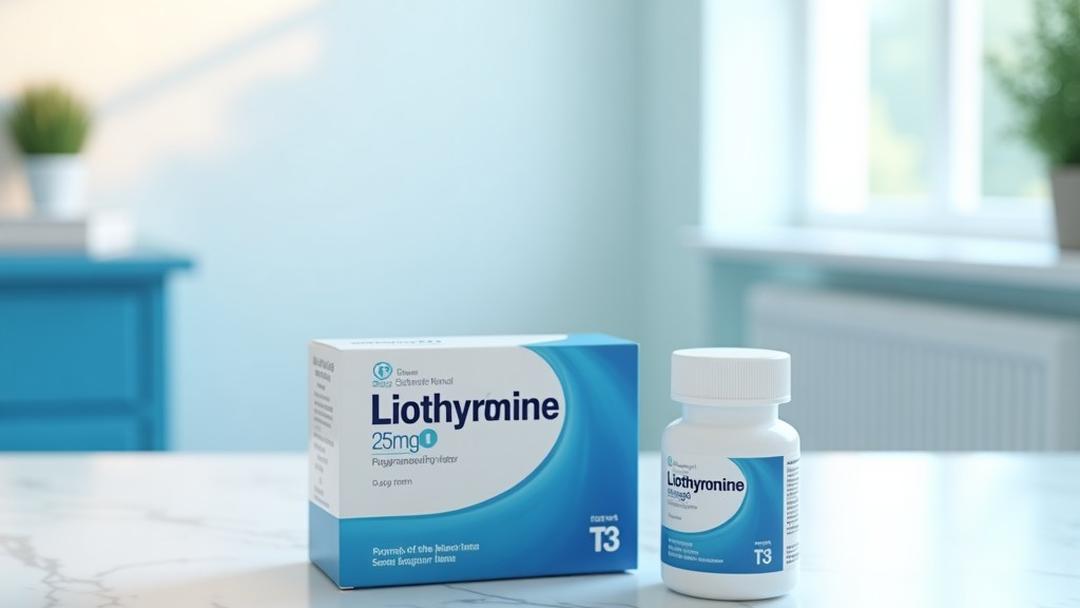
Liothyronine (Cytomel) Guide: Uses, Dosage, Side Effects & Affordable Generic Options for Hypothyroidism & T3 Therapy
Liothyronine is the synthetic form of triiodothyronine (T3), the active thyroid hormone that drives metabolism in nearly every cell of the body. Marketed under the brand name Cytomel and widely available as a generic, it is used when patients need direct T3 replacement—either alone or alongside levothyroxine (T4). This guide takes a close look at liothyronine’s safety profile, the nuances of T3 dosing, and what patients report about their experience, so you can have a more informed conversation with your prescriber.
What Is Liothyronine?
Liothyronine sodium is a man-made version of T3, the hormone the thyroid gland normally releases in smaller amounts than T4 but which is far more metabolically active. While most hypothyroidism is treated with levothyroxine (synthetic T4), some patients add or switch to liothyronine to raise circulating T3 directly. It is supplied as oral tablets in strengths such as 5 mcg, 25 mcg, and 50 mcg.
How Liothyronine Works (Mechanism of Action)
Liothyronine binds to nuclear thyroid hormone receptors and regulates gene expression that controls basal metabolic rate, heart rate, temperature, and protein synthesis. Unlike levothyroxine, which must be converted to T3 in the body, liothyronine is active immediately. Its half-life is short—about 1 day—so effects come on faster but also fade sooner, which is why splitting doses is common.
Approved Uses and Clinical Indications
- Hypothyroidism when T4 therapy alone does not relieve symptoms
- Combination T4/T3 therapy under specialist guidance
- Myxedema coma (hospital, IV form)
- Suppression of thyroid-stimulating hormone in certain thyroid conditions
- Diagnosis of thyroid disorders in specific testing protocols
Dosage Guidelines
| Scenario | Typical Starting Dose | Titration | Monitoring |
|---|---|---|---|
| Adult hypothyroidism (monotherapy) | 25 mcg daily | Increase by 5–25 mcg every 1–2 weeks | TSH, free T3 |
| Combination with levothyroxine | 5–25 mcg added | Per specialist protocol | TSH, symptoms |
| Elderly / cardiac disease | 5 mcg daily | Very gradual | ECG, TSH |
| Myxedema coma (IV) | Specialist-only dosing | Hospital protocol | ICU monitoring |
Because T3 acts quickly, doses are usually taken on an empty stomach, and many clinicians recommend splitting the daily amount into two or three smaller doses to avoid peaks and troughs.
Liothyronine vs Levothyroxine (Comparison)
| Hormone | Form | Onset | Half-life |
|---|---|---|---|
| Levothyroxine (T4) | Inactive prohormone | Slow (weeks to steady state) | ~7 days |
| Liothyronine (T3) | Active hormone | Fast (hours) | ~1 day |
T4 is the standard first-line treatment because it is stable and converts to T3 naturally. Liothyronine is reserved for cases where direct T3 control is desired, often under endocrinology supervision.
Generic Pricing: Affordability of T3 Therapy
Liothyronine is off-patent, and generic production—especially in India—has made T3 therapy far more affordable than the original US brand. The ranges below are typical estimates and will shift with pack size, strength, and supplier.
- Indian generic Liothyronine 25 mcg tablet: $0.09–$0.44 per tablet
- US brand Cytomel 25 mcg tablet: $0.90–$2.30 per tablet
- 30-day supply at 25 mcg/day (generic): $2.70–$13.20
- 30-day supply at 25 mcg/day (US brand): $27–$69
For patients who stay on T3 long term, those differences are significant. Reviewing verified generic thyroid medication suppliers can help keep therapy sustainable. As always, prices vary by region and order size, so confirm current quotes before purchase.
Side Effects and Safety Profile
Side effects usually reflect excessive dosing rather than the drug itself being toxic. Too much T3 produces a hyperthyroid state: palpitations, tremor, anxiety, insomnia, weight loss, sweating, and heat intolerance. Less commonly, hair thinning or menstrual changes occur during dose adjustment. Serious risks include cardiac arrhythmias and bone loss with long-term overtreatment.
- Palpitations, rapid heartbeat, or chest discomfort
- Tremor, nervousness, or irritability
- Insomnia or difficulty relaxing
- Unintended weight loss and increased appetite
- Reduced bone density with chronic overtreatment
Who Should Use Caution (Decision Guide)
Liothyronine can be valuable, but it is not for everyone without supervision. People with untreated adrenal insufficiency, recent heart attack, uncontrolled hyperthyroidism, or significant cardiovascular disease need careful evaluation before starting. Dosing must be individualized with regular TSH and free-T3 testing, and therapy should never be started, stopped, or adjusted abruptly without a clinician’s input. The goal is symptom relief without tipping into hyperthyroidism.
Patient Experience and Practical Tips
Many patients who add liothyronine report steadier energy and improved mood compared with T4 alone, though clinical trials show mixed average results—benefit appears highly individual. Practical tips from experienced users and clinicians include taking doses on an empty stomach, splitting the daily amount to avoid afternoon crashes, and tracking heart rate and sleep. These observations are anecdotal and should complement—not replace—lab-guided care.
Frequently Asked Questions
Can liothyronine be taken with levothyroxine?
Yes. Many combination protocols use a small liothyronine dose alongside levothyroxine, but the ratios must be individualized by an endocrinologist based on labs and symptoms.
How quickly does liothyronine work?
Because T3 is active immediately, effects can begin within hours, though symptom improvement still develops over days to weeks as doses are optimized.
Is generic liothyronine as reliable as Cytomel?
Regulators require generic liothyronine to match the reference product in active ingredient and bioavailability when made to quality standards, though some patients notice minor differences and should monitor how they feel.
Why is T3 therapy sometimes split into multiple doses?
Liothyronine’s short half-life means a single daily dose can create peaks and troughs. Splitting the total into two or three smaller doses helps maintain steadier hormone levels through the day.
Drug Interactions to Know
Liothyronine has several interactions worth flagging. Estrogens (including oral contraceptives and hormone therapy) can raise thyroid-binding globulin and may increase the liothyronine requirement. Conversely, drugs such as amiodarone, lithium, and some contrast agents affect thyroid function and can complicate dosing. Medications that speed gut transit—such as orlistat or certain bile-acid sequestrants—can reduce T3 absorption, so doses should be spaced apart. Warfarin’s effect is often potentiated by thyroid hormone, requiring closer INR monitoring when therapy is started or adjusted. Calcium, iron, and sucralfate supplements can bind thyroid hormones and blunt absorption, so they should be taken several hours apart.
What the Clinical Evidence Shows
The evidence on adding T3 to T4 is nuanced. Large randomized trials and a Cochrane review have generally found no consistent average quality-of-life benefit of combination T4/T3 therapy over T4 alone, yet a subset of patients—particularly those with specific genetic variations in thyroid-hormone transport or conversion—report meaningful symptom improvement. This individual variability explains why major guidelines call for shared decision-making rather than routine combination therapy. What is clear is that overtreatment with liothyronine reliably causes hyperthyroidism and its risks, so careful titration guided by labs remains essential.
Monitoring and Storage
Patients on liothyronine should have TSH and free-T3 checked roughly 4–6 weeks after any dose change, then periodically once stable. Symptom tracking—energy, sleep, heart rate, mood—adds useful context to lab values. Store tablets at room temperature, away from light and moisture, and never share prescriptions because individual dose needs differ widely. Abruptly stopping T3 can precipitate a return of hypothyroid symptoms within days; any change should be planned with a clinician. Pregnant or planning-to-be-pregnant patients need special monitoring, as thyroid-hormone requirements often shift during pregnancy.
Practical Takeaways for Safe Use
For patients exploring liothyronine, a structured approach reduces risk. Keep a symptom and pulse diary—resting heart rate above about 90–100 bpm or new palpitations often signals over-replacement. Take the same brand consistently if possible, because switching manufacturers can shift how you feel even at the same labeled dose. Separate liothyronine from calcium, iron, and antacids by at least four hours to protect absorption, and take it on an empty stomach for predictable uptake. Bring your lab results and diary to every endocrinology visit so dose changes are evidence-based rather than guesswork. Patience matters: finding the right T3 level can take several titration cycles, and rushing increases the chance of thyroid storm-like symptoms or bone loss over time.
Choosing whether to add liothyronine starts with honest symptom review. Patients who remain fatigued, mentally foggy, or low in mood despite a normal TSH on levothyroxine are the group most likely to be offered a trial of T3, usually after other causes—anemia, depression, sleep apnea, or vitamin deficiencies—have been ruled out. Those with a history of heart disease, osteoporosis, or atrial fibrillation are typically steered toward caution, since excess thyroid hormone worsens all three. A short, time-limited trial with close monitoring is the pragmatic path: if symptoms improve and labs stay in range, the regimen is worth continuing; if not, stepping back to optimized T4 alone avoids unnecessary risk.
The bottom line on liothyronine is that it is a precise tool, not a universal fix. For the right patient—carefully selected, well-monitored, and patient through titration—it can be the missing piece that restores energy and clarity. For others, optimized T4 alone remains the safer foundation. Either way, the decisions should be guided by labs and honest symptom tracking rather than by marketing or anecdote, and always in partnership with a clinician who can interpret both.
References
- FDA Cytomel (liothyronine) prescribing information
- American Thyroid Association hypothyroidism guidelines
- UpToDate: Treatment of hypothyroidism
- Cochrane review: combined T3/T4 versus T4 monotherapy
- Endocrine Society clinical practice guideline
Medical Disclaimer
This article is for informational purposes only and is not medical advice. Liothyronine is a prescription thyroid hormone that requires careful dosing and monitoring by a licensed clinician. Incorrect use can cause serious cardiac and metabolic effects. Prices are estimates that vary by supplier, strength, and region. Always consult a qualified healthcare provider before starting, changing, or stopping thyroid medication.