
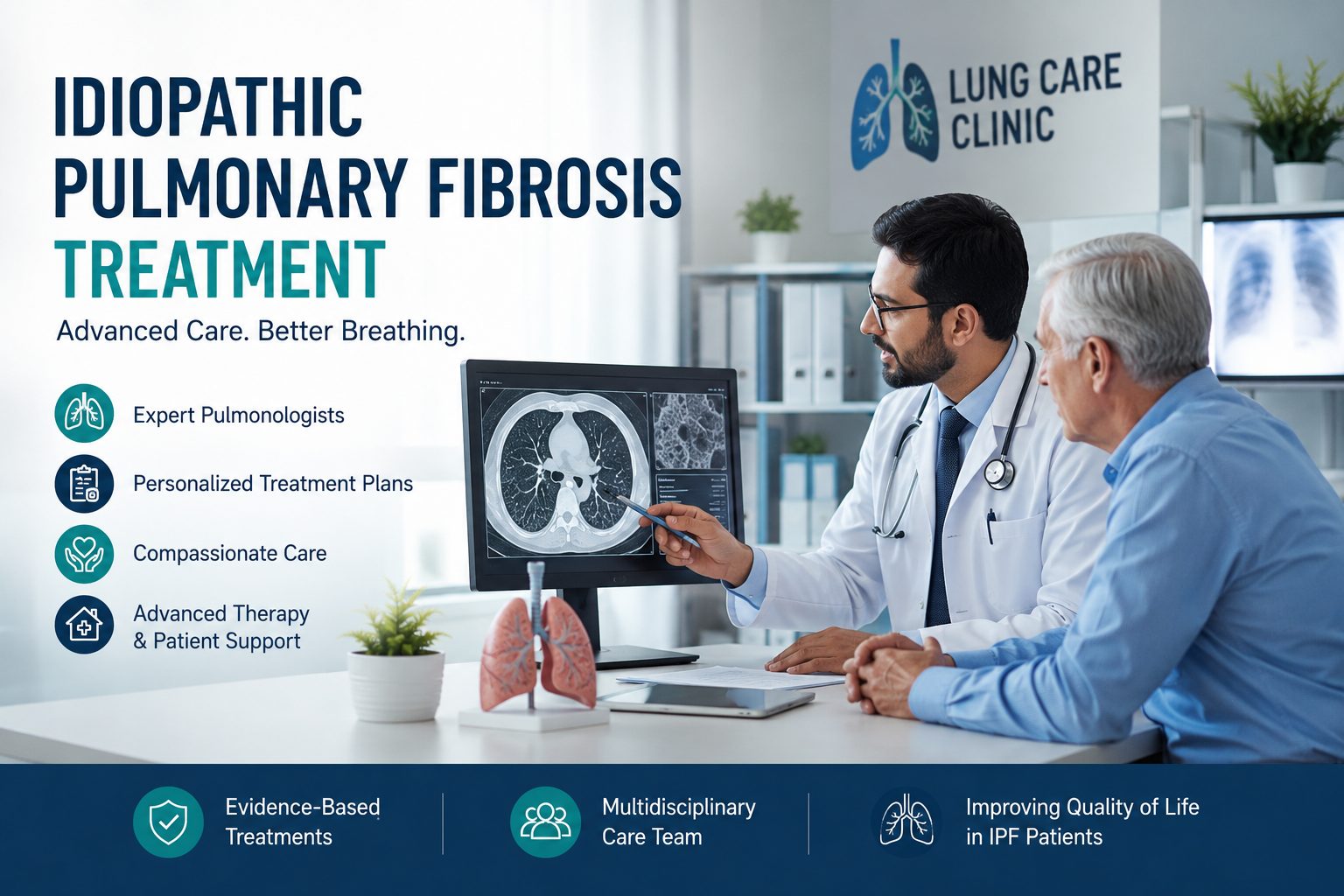
What Is Idiopathic Pulmonary Fibrosis?
Idiopathic Pulmonary Fibrosis (IPF) is a chronic, progressive lung disease that causes scarring (fibrosis) of the lung tissue. Over time, this scarring makes the lungs stiffer and reduces their ability to transfer oxygen into the bloodstream, leading to increasing breathlessness and reduced physical activity.
The term idiopathic means that the exact cause is unknown. IPF primarily affects adults over the age of 50 and is one of the most common forms of interstitial lung disease (ILD).
Although there is currently no cure, significant advances in treatment have improved disease management, slowed progression, and enhanced quality of life for many patients.
Symptoms and Diagnosis
Common symptoms include:
- Shortness of breath, especially during physical activity
- Persistent dry cough
- Fatigue and unexplained weight loss
- Clubbing (widening) of the fingertips
Medications in the Treatment of IPF
While there is no cure for IPF, recent advancements have introduced medications that can slow disease progression and improve quality of life.
Treatment Options: The Role of Pirfenidone
While there is no cure for IPF, treatment focuses on slowing disease progression and managing symptoms. Pirfenidone, has emerged as a significant therapeutic option in this regard.
How Pirfenidone Works
- Inhibits the synthesis of collagen, a key component of fibrotic tissue
- Modulates inflammatory responses that contribute to fibrosis
- Helps preserve lung function and improve patient quality of life

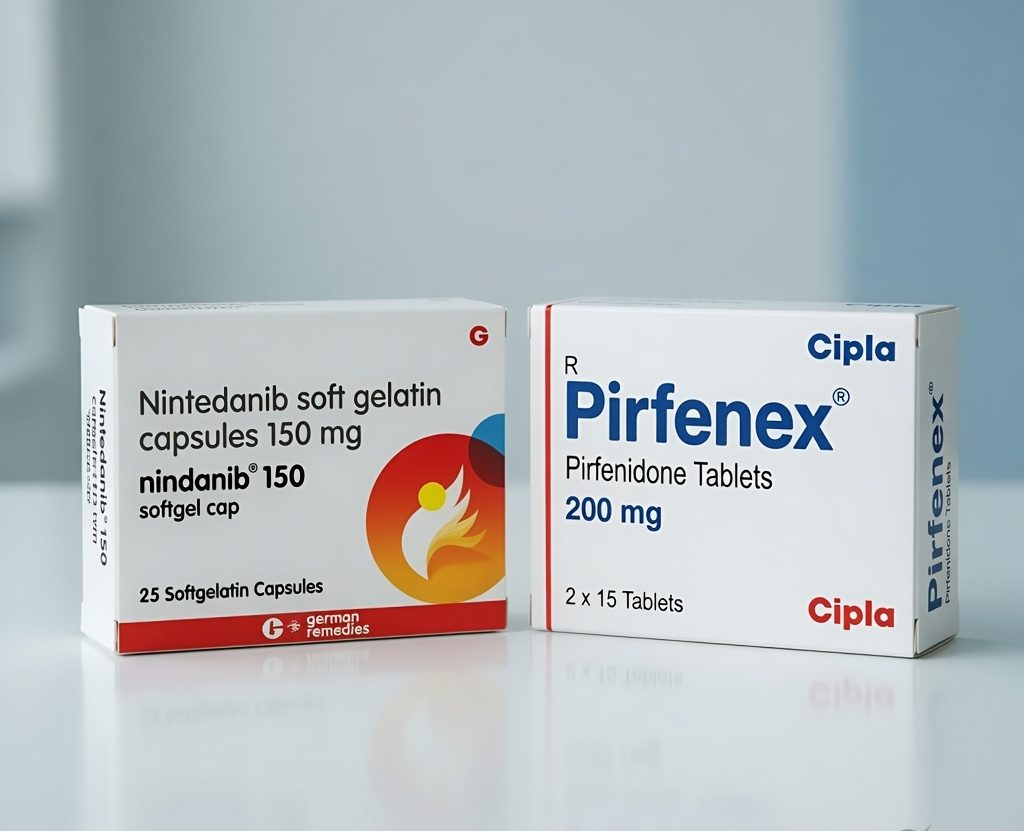
For your information, popular generic drug of pirfenidone is Pirfenex made by Cipla India. They made 200mg, 400mg, and 600mg.
What Is Nintedanib?
Nintedanib is a small molecule tyrosine kinase inhibitor that binds to growth factor receptors, inhibiting the proliferation of fibroblasts. Usually prescribed as an oral capsule (150 mg twice daily), Nintedanib is taken with food and under a specialist’s supervision. Regular liver function monitoring is advised during therapy.
Additional Supportive Therapies
- Oxygen Therapy: Helps alleviate low oxygen levels, improving stamina and reducing breathlessness.
- Pulmonary Rehabilitation: Structured exercise and education programs enhance physical endurance and quality of life.
- Lung Transplantation: Considered in advanced cases where other treatments fail, lung transplants can extend life expectancy but involve significant risks.
Key Benefits
-Slows Disease Progression
-Clinical studies show Nintedanib significantly reduces the rate of lung function decline (measured by FVC — Forced Vital Capacity).
-Improves Quality of Life: By controlling scarring, it helps patients maintain
better breathing capacity for a longer time.
-Well-Tolerated: Most common side effects (like mild diarrhea) are manageable
and often improve with dose adjustments or supportive care.
How It’s Take
Idiopathic Pulmonary Fibrosis (IPF) is a chronic, progressive lung disease characterized by the thickening and scarring (fibrosis) of lung tissue. This scarring reduces the lungs’ ability to function properly, leading to worsening shortness of breath and decreased oxygen supply to the body. The exact cause of IPF is unknown, making it a challenging condition to treat.
Why Early Diagnosis and Treatment Matter
Early detection and timely initiation of treatment with medications like pirfenidone or nintedanib can help preserve lung function longer and improve overall prognosis. Patients are encouraged to work closely with pulmonologists experienced in interstitial lung diseases for optimal management.
Frequently Asked Questions
Is Idiopathic Pulmonary Fibrosis curable?
Currently, there is no cure for IPF. However, modern treatments can slow progression and improve quality of life.
How long can someone live with IPF?
Outcomes vary considerably. Early diagnosis, antifibrotic therapy, and comprehensive care may improve long-term survival.
Can exercise help?
Yes. Pulmonary rehabilitation and regular physical activity can improve stamina and reduce symptoms.
Are new treatments becoming available?
Yes. Advances such as Nerandomilast and ongoing clinical trials continue to expand treatment possibilities.
Key Takeaways
Idiopathic Pulmonary Fibrosis is a serious but increasingly manageable lung disease. Early diagnosis, antifibrotic therapy, pulmonary rehabilitation, and ongoing monitoring can help slow disease progression and improve quality of life. Continued research is creating new opportunities for more effective and personalized treatment approaches, offering hope for patients and families affected by IPF.