

Lamivudine Uses: HIV, Hepatitis B, Benefits & Safety Guide
SEO Meta
Title Tag: Lamivudine Uses: HIV, Hepatitis B & Safety Guide
Meta Description: Learn about lamivudine uses, including HIV and hepatitis B treatment, side effects, benefits, safety information, and treatment considerations.
Search Intent: Informational
Primary Keyword: lamivudine uses
Suggested URL Slug: lamivudine-uses
Introduction
Lamivudine is a widely recognized antiviral medication used in the treatment of HIV infection and chronic hepatitis B. Many patients, caregivers, and healthcare readers search for “lamivudine uses” to better understand how the medicine works, what conditions it treats, and what important safety considerations may apply.
Over the years, lamivudine has become an important part of global antiviral therapy because of its effectiveness, accessibility, and role in combination treatment regimens. It has been used in both adult and pediatric care and remains relevant in many healthcare systems worldwide.
This article provides a detailed overview of lamivudine uses, benefits, side effects, safety concerns, and treatment considerations. The information is educational in nature and designed to help readers better understand the medication without replacing professional medical advice.
What Is Lamivudine?
Lamivudine is an antiviral medication classified as a nucleoside reverse transcriptase inhibitor (NRTI). It works by interfering with viral replication, helping reduce the amount of virus in the body.
The medication is primarily used in:
- HIV treatment
- Chronic hepatitis B management
Lamivudine is usually prescribed as part of combination therapy rather than as a standalone medication. Combination treatment helps improve effectiveness and reduce the risk of viral resistance.
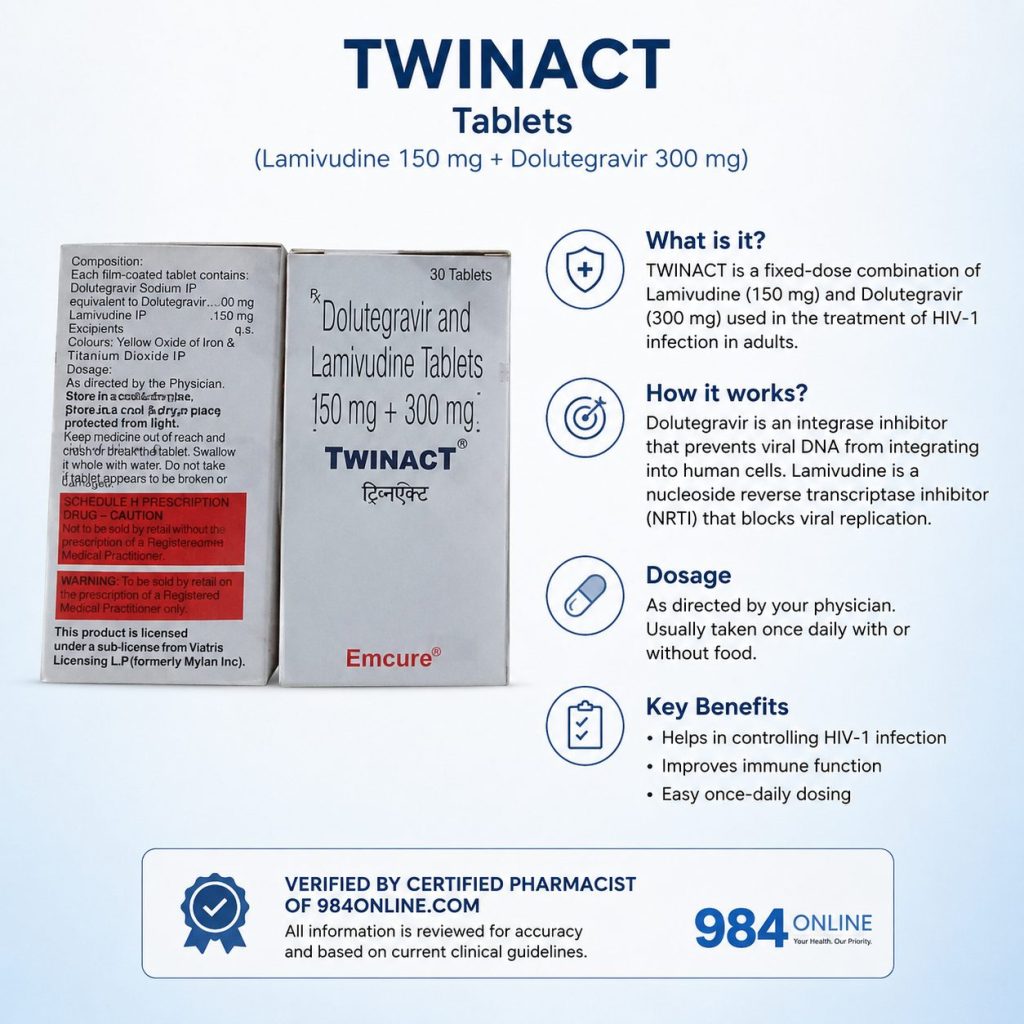
Main Lamivudine Uses
1. Lamivudine for HIV Treatment
One of the most common lamivudine uses is in HIV therapy. It is frequently combined with other antiretroviral medications to help control HIV replication.
Lamivudine does not cure HIV, but it may help:
- Lower viral load
- Support immune system function
- Reduce disease progression risk
- Improve long-term treatment outcomes
Lamivudine has historically been included in many fixed-dose HIV combinations because of its compatibility with other antiretroviral agents.
2. Lamivudine for Hepatitis B
Lamivudine is also used to treat chronic hepatitis B virus (HBV) infection. The medication may help suppress viral activity and support liver health management in some patients.
In hepatitis B treatment, healthcare providers may monitor:
- Liver enzyme levels
- Viral load
- Liver function
- Treatment response over time
Lamivudine use in hepatitis B may vary depending on regional treatment guidelines and the availability of newer antiviral therapies.
How Lamivudine Works
Lamivudine works by blocking reverse transcriptase, an enzyme used by certain viruses to reproduce. By interrupting this process, the medication slows viral replication and reduces the spread of infection within the body.
Because viruses can develop resistance over time, lamivudine is commonly used alongside other antiviral medications in HIV treatment programs.
Benefits of Lamivudine
Long Clinical Experience
Lamivudine has been used for many years, giving healthcare professionals extensive clinical experience with its use and safety profile.
Combination Therapy Compatibility
The medication works well alongside several other antiviral drugs, making it useful in multidrug treatment regimens.
Global Accessibility
Lamivudine remains available in many international healthcare systems and treatment programs.
Pediatric and Adult Use
The medication has been used in both adult and pediatric populations under professional medical supervision.
Common Side Effects of Lamivudine
Like many antiviral medications, lamivudine may cause side effects in some patients. Many reactions are mild, but serious effects can occasionally occur.
Commonly Reported Side Effects
- Headache
- Nausea
- Fatigue
- Diarrhea
- Cough
- Nasal symptoms
Not every patient experiences side effects, and many individuals tolerate the medication well.
Serious Side Effects
Rare but serious safety concerns may include:
- Liver problems
- Lactic acidosis
- Pancreatitis
- Worsening hepatitis after stopping treatment
Patients should seek medical attention if they experience severe or unusual symptoms.
Lamivudine Safety Considerations
Drug Resistance
Long-term use of lamivudine may lead to viral resistance in some cases, especially if treatment adherence is inconsistent.
Liver Monitoring
Patients with hepatitis B or existing liver disease may require regular liver function monitoring during treatment.
Kidney Function
Dosage adjustments may sometimes be needed in patients with kidney impairment.
Pregnancy and Breastfeeding
Treatment decisions during pregnancy or breastfeeding should always involve healthcare professionals who can evaluate individual risks and benefits.
Lamivudine in HIV Combination Therapy
Lamivudine has been combined with several important HIV medications over the years, including:
- Zidovudine
- Tenofovir
- Dolutegravir
- Efavirenz
- Abacavir
Combination therapy is essential in HIV treatment because it helps reduce viral resistance and improve long-term treatment success.
Fixed-dose combinations containing lamivudine have simplified medication schedules for many patients.
Lamivudine vs Newer Antiviral Medications
Although lamivudine remains widely used, newer antiviral medications are now available for both HIV and hepatitis B treatment.
Potential Advantages of Newer Therapies
- Lower resistance risk
- Improved potency
- Reduced dosing complexity
- Enhanced long-term viral suppression
Why Lamivudine Is Still Used
Lamivudine continues to be prescribed because of:
- Clinical familiarity
- Affordability in some markets
- Availability in treatment programs
- Combination therapy compatibility
Who May Benefit From Lamivudine Treatment?
Lamivudine may be considered in treatment plans for:
- Patients with HIV infection
- Individuals with chronic hepatitis B
- Patients requiring combination antiviral therapy
- People in healthcare systems using established antiviral regimens
Treatment selection depends on many factors, including viral resistance patterns, liver function, kidney function, and overall medical history.
Data and Market Insights
Lamivudine has remained an important antiviral medication in global healthcare programs for decades. In HIV care, it has been widely included in first-line and combination regimens because of its reliability and broad compatibility with other medications.
In hepatitis B management, newer antiviral therapies may now be preferred in some treatment guidelines because of lower resistance rates. However, lamivudine may still be used in specific clinical settings or healthcare systems where accessibility and affordability are important considerations.
The pharmaceutical market for antiviral therapy continues to evolve as newer treatments become available. Despite this, lamivudine remains one of the most recognized antiviral medications worldwide.
Tips for Patients Taking Lamivudine
- Take medication exactly as prescribed
- Avoid missing doses whenever possible
- Attend regular follow-up appointments
- Discuss side effects with healthcare providers
- Inform providers about all medications and supplements being used
- Do not stop antiviral therapy without professional guidance
Frequently Asked Questions (FAQs)
1. What is lamivudine used for?
Lamivudine is primarily used to treat HIV infection and chronic hepatitis B. In HIV care, it is usually combined with other antiretroviral medications to help reduce viral replication. In hepatitis B treatment, it may help suppress viral activity and support liver health management under professional medical supervision.
2. Is lamivudine an antibiotic?
No, lamivudine is not an antibiotic. It is an antiviral medication classified as a nucleoside reverse transcriptase inhibitor (NRTI). Antibiotics treat bacterial infections, while lamivudine is designed to target viral infections such as HIV and hepatitis B.
3. Can lamivudine cure HIV?
Lamivudine does not cure HIV. However, when used as part of combination antiretroviral therapy, it may help reduce viral load, support immune function, and improve long-term disease management. Ongoing treatment and monitoring are typically required.
4. What are the common side effects of lamivudine?
Common side effects may include headache, fatigue, nausea, diarrhea, and cough. Many patients tolerate the medication well, but side effects can vary from person to person. Severe or persistent symptoms should be discussed with a healthcare professional.
5. Is lamivudine still used today?
Yes, lamivudine is still widely used in many healthcare systems around the world. It remains an important part of HIV combination therapy and may also be used in hepatitis B treatment depending on clinical and regional considerations.
6. Can lamivudine cause liver problems?
Although uncommon, lamivudine may be associated with liver-related complications in certain patients. Individuals with hepatitis B or existing liver disease may require regular monitoring of liver function during treatment.
7. How does lamivudine work?
Lamivudine works by blocking reverse transcriptase, an enzyme certain viruses need to reproduce. By interfering with viral replication, the medication helps reduce the amount of virus in the body.
8. Can lamivudine be taken alone?
In HIV treatment, lamivudine is generally not used alone because combination therapy is needed to reduce viral resistance and improve treatment effectiveness. Healthcare providers usually prescribe it alongside other antiviral medications.
9. Is lamivudine safe during pregnancy?
Lamivudine may be used during pregnancy in certain situations under professional medical supervision. Treatment decisions are individualized based on maternal health, viral management needs, and potential benefits and risks.
10. Why is adherence important with lamivudine?
Consistent adherence helps maintain effective viral suppression and reduce the risk of drug resistance. Missing doses frequently may lower treatment effectiveness and complicate future therapy options.
Conclusion
Lamivudine remains an important antiviral medication in the treatment of HIV and chronic hepatitis B. Its long clinical history, global availability, and role in combination therapy have made it a widely recognized option in antiviral care.
Understanding lamivudine uses, benefits, side effects, and safety considerations can help patients and caregivers make informed discussions with healthcare professionals. While newer antiviral medications continue to emerge, lamivudine still plays a meaningful role in many treatment settings worldwide.
For more information about antiviral medications, HIV treatment, or hepatitis B management, explore trusted healthcare resources and speak with qualified medical professionals.
Related Long-Tail Keywords
- lamivudine uses in HIV treatment
- lamivudine for hepatitis B
- lamivudine antiviral medication
- lamivudine dosage information
Suggested Internal Linking Topics
- Understanding HIV Antiretroviral Therapy
- Efavirenz vs Lamivudine Comparison
- Common Side Effects of Antiviral Drugs
- Hepatitis B Treatment Options
- How Combination HIV Therapy Works