What Is Escitalopram 10mg?
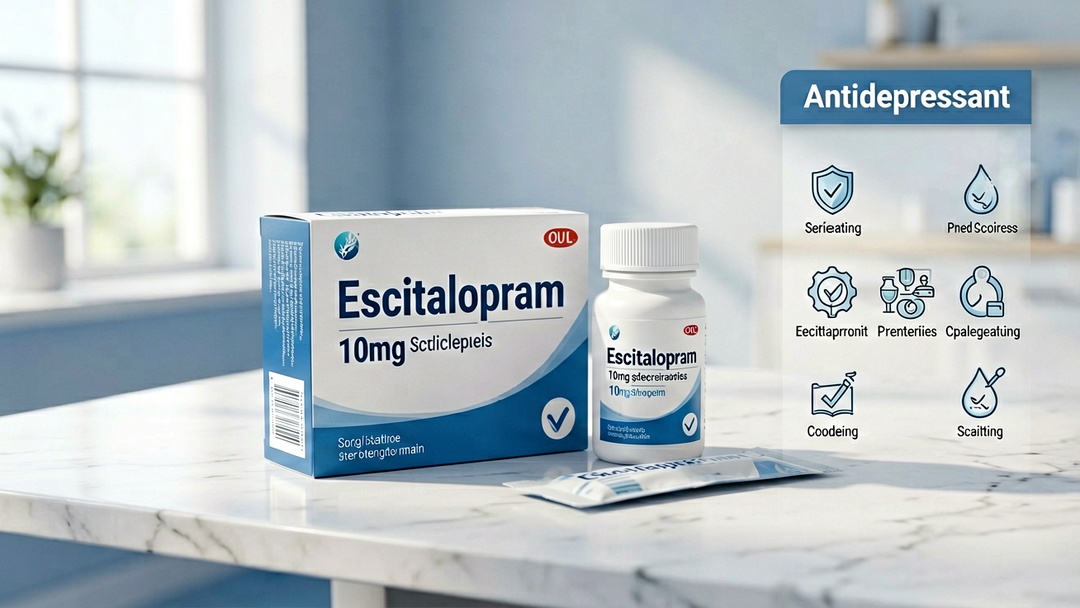
Escitalopram 10mg is a highly selective serotonin reuptake inhibitor (SSRI) widely prescribed for the treatment of major depressive disorder (MDD) and generalized anxiety disorder (GAD). It is the pure S-enantiomer of citalopram, developed to provide enhanced efficacy and a more favorable side effect profile compared to the racemic mixture. Escitalopram works by increasing serotonin (5-hydroxytryptamine, 5-HT) availability in the synaptic cleft through potent and selective inhibition of the serotonin transporter (SERT), thereby improving mood regulation and reducing anxiety symptoms.
Approved by the US FDA in 2002 under the brand name Lexapro, escitalopram has become one of the most commonly prescribed antidepressants worldwide. Generic escitalopram 10mg is manufactured by numerous reputable Indian pharmaceutical companies including CIPLA, Sun Pharma, Intas Pharmaceuticals, Torrent Pharmaceuticals, and Lupin Limited. The widespread availability of affordable generic versions has significantly improved access to evidence-based depression treatment across developing and developed nations alike.
Mechanism of Action
Escitalopram acts as a selective serotonin reuptake inhibitor with a unique binding mechanism. Unlike other SSRIs, escitalopram binds to both the primary (orthosteric) binding site on the serotonin transporter (SERT) and an allosteric modulatory site. This dual-binding interaction stabilizes the drug-transporter complex, resulting in more complete and sustained SERT inhibition compared to citalopram and other SSRIs. The result is an increased concentration of serotonin in the synaptic space, enhanced serotonergic neurotransmission, and downstream neuroplastic changes in mood-regulating brain circuits including the prefrontal cortex, hippocampus, and amygdala.
Therapeutic effects develop gradually over 2–4 weeks of consistent dosing, with full antidepressant response typically achieved by 6–8 weeks. The delayed onset is attributed to the time required for adaptive changes in serotonin receptor desensitization and intracellular signaling pathways. Escitalopram exhibits minimal affinity for adrenergic (alpha-1, alpha-2), histaminergic (H1), muscarinic (M1), or dopaminergic (D1, D2) receptors, which explains its relatively low incidence of sedative, anticholinergic, and orthostatic side effects compared to tricyclic antidepressants (TCAs) and monoamine oxidase inhibitors (MAOIs).
Clinical Uses and Indications
Escitalopram 10mg is FDA-approved for the following indications:
- Major Depressive Disorder (MDD): Acute and maintenance treatment of depression in adults and adolescents (12–17 years). Efficacy in preventing relapse has been demonstrated in long-term studies lasting up to 36 weeks.
- Generalized Anxiety Disorder (GAD): Acute treatment of GAD in adults, with demonstrated efficacy in reducing psychic anxiety, somatic tension, and worry symptoms.
- Panic Disorder: Off-label but supported by robust clinical evidence for panic disorder with or without agoraphobia.
- Social Anxiety Disorder (Social Phobia): Recommended as a first-line pharmacotherapy option in treatment guidelines.
- Obsessive-Compulsive Disorder (OCD): Evidence-based second-line option when first-line SSRIs are ineffective or poorly tolerated.
- Premenstrual Dysphoric Disorder (PMDD): Low-dose or intermittent dosing regimens have shown efficacy in reducing affective and physical symptoms.
Dosage and Administration
| Condition | Starting Dose | Target Dose | Maximum Dose |
|---|---|---|---|
| Major Depressive Disorder (Adults) | 10mg once daily | 10–20mg once daily | 20mg/day |
| Major Depressive Disorder (Adolescents) | 10mg once daily | 10–20mg once daily | 20mg/day |
| Generalized Anxiety Disorder | 10mg once daily | 10–20mg once daily | 20mg/day |
| Panic Disorder (off-label) | 5mg once daily (first week) | 10–20mg once daily | 20mg/day |
| Social Anxiety Disorder | 10mg once daily | 10–20mg once daily | 20mg/day |
Escitalopram is administered orally once daily, with or without food. Dose titration should be guided by clinical response and tolerability. Elderly patients and those with hepatic impairment should receive a maximum dose of 10mg daily. Abrupt discontinuation should be avoided; a gradual taper over 1–2 weeks is recommended to minimize withdrawal symptoms (discontinuation syndrome).
Side Effects and Safety Profile
Escitalopram 10mg is generally well-tolerated compared to older antidepressant classes. The most common adverse effects include nausea (15%), insomnia (12%), fatigue (8%), somnolence (6%), increased sweating (5%), decreased libido (4–6%), delayed ejaculation (6–8%), and dry mouth (5%). Most side effects are mild and transient, often resolving within the first 1–2 weeks of treatment.
Serious but uncommon adverse events include: serotonin syndrome (particularly when combined with other serotonergic agents), QT interval prolongation (dose-dependent, more relevant at doses exceeding 20mg daily), hyponatremia (especially in elderly patients or those on diuretics), increased risk of bleeding (through platelet serotonin depletion, particularly when co-prescribed with NSAIDs or anticoagulants), activation of mania or hypomania in patients with bipolar disorder, and increased suicidal ideation in pediatric and young adult populations during the initial treatment phase. The FDA mandates a black box warning regarding suicidality risk in patients aged 24 years and younger during the first few months of therapy.
Escitalopram vs. Other Antidepressants: Comparison
| Medication | Class | Starting Dose | Key Advantage | Common Side Effects |
|---|---|---|---|---|
| Escitalopram | SSRI | 10mg | High selectivity, best tolerability among SSRIs | Nausea, insomnia, sexual dysfunction |
| Sertraline | SSRI | 50mg | Broad indication range, OCD efficacy | GI upset, diarrhea, insomnia |
| Fluoxetine | SSRI | 20mg | Long half-life (fewer discontinuation symptoms) | Activation, insomnia, anxiety |
| Venlafaxine | SNRI | 37.5mg | Dual mechanism, chronic pain benefit | Nausea, dizziness, hypertension |
| Bupropion | NDRI | 150mg | No sexual dysfunction, energizing | Insomnia, seizure risk (at high dose) |
| Mirtazapine | NaSSA | 15mg | Sedation, appetite stimulation | Weight gain, sedation, dry mouth |
Indian Generic Pricing and Affordability
India’s robust generic pharmaceutical industry has made escitalopram one of the most affordable SSRIs available globally. Generic Escitalopram 10mg manufactured by Indian pharmaceutical companies is priced between ₹54–₹165 for a 30-tablet strip (approximately $0.65–$1.98 per month’s supply). In the United States, generic escitalopram typically ranges from $8–$37 for a 30-day supply with discount programs, while branded Lexapro costs significantly more. Sourcing generic escitalopram 10mg from Indian pharmacies offers international patients potential savings of 50–80% compared to local pharmacy prices. All major Indian manufacturers maintain WHO-GMP compliant facilities, and many hold USFDA and EMA regulatory approvals, ensuring quality and bioequivalence. For patients requiring long-term antidepressant therapy, these cost differences represent substantial cumulative savings.
Frequently Asked Questions (FAQ)
How long does it take for Escitalopram 10mg to start working?
Initial improvement in mood and anxiety symptoms may be noticed within 1–2 weeks, but the full therapeutic effect typically takes 4–8 weeks of consistent daily dosing. Patients should continue the medication as prescribed even if immediate effects are not apparent.
Can I stop Escitalopram 10mg abruptly?
No. Abrupt discontinuation can cause discontinuation syndrome including dizziness, nausea, headache, fatigue, anxiety, and paresthesias (electric shock sensations). Always taper under medical supervision over 1–4 weeks.
Does Escitalopram 10mg cause weight gain?
Weight changes are variable among SSRIs. Escitalopram has a relatively low risk of significant weight gain compared to paroxetine or mirtazapine, but some patients may experience modest weight increase during long-term therapy (typically 1–3 kg).
Can Escitalopram be taken during pregnancy?
Escitalopram is classified as FDA Pregnancy Category C. SSRIs use during late pregnancy may be associated with persistent pulmonary hypertension of the newborn and neonatal adaptation syndrome. Benefits and risks should be carefully weighed with a healthcare provider.
Does Escitalopram interact with other medications?
Yes. Caution is required with MAOIs (risk of serotonin syndrome), other SSRIs/SNRIs, triptans for migraine, St. John’s Wort, tramadol, linezolid, and NSAIDs (increased bleeding risk). Alcohol should be limited as it may potentiate central nervous system effects.
Drug Interactions and Precautions
Escitalopram is metabolized primarily by CYP3A4 and CYP2C19 isoenzymes. Co-administration with CYP2C19 inhibitors (e.g., omeprazole, fluconazole) may increase escitalopram plasma concentrations by 40–50%. It inhibits CYP2D6 to a mild degree, potentially increasing levels of CYP2D6 substrates such as risperidone, haloperidol, flecainide, and metoprolol. Serotonin syndrome risk requires careful monitoring when combining with any serotonergic agent. ECG monitoring is recommended for patients with pre-existing cardiac conditions due to dose-dependent QT prolongation. Escitalopram should be used with caution in patients with a history of seizures, bipolar disorder (risk of mood switching), bleeding disorders, or angle-closure glaucoma.
Safety and Regulatory Information
In India, escitalopram is classified as a Schedule H prescription-only medication under the Drugs and Cosmetics Rules. The US FDA approved generic escitalopram in 2012, and multiple ANDAs have since been granted to Indian manufacturers. Regulatory compliance with CDSCO, USFDA, and EMA quality standards ensures that generic versions are therapeutically equivalent to the branded reference product. Patients requiring antidepressant therapy should always consult a psychiatrist or qualified physician for proper diagnosis, treatment planning, and monitoring throughout the therapeutic course. Genuine medication should only be purchased from licensed pharmacies with appropriate quality assurance protocols.
References
- US Food and Drug Administration. Escitalopram Oxalate Prescribing Information. FDA Label Database. 2023.
- Cipriani A, et al. Comparative efficacy and acceptability of 21 antidepressant drugs for the acute treatment of adults with major depressive disorder: a systematic review and network meta-analysis. Lancet. 2018;391(10128):1357–1366.
- Gartlehner G, et al. Pharmacologic Treatments for Depression in Adults: A Systematic Review. Agency for Healthcare Research and Quality; 2020.
- Baldwin DS, et al. Efficacy of escitalopram in the treatment of generalized anxiety disorder. Eur Neuropsychopharmacol. 2019;29(2):213–225.
- Stahl SM. Stahl’s Essential Psychopharmacology: Neuroscientific Basis and Practical Applications. 5th Edition. Cambridge University Press; 2021.
- National Institute of Mental Health. Depression: Overview and Treatment Options. NIMH Publication. 2022.
Disclaimer: This article is for informational purposes only and does not constitute medical advice. Always consult a qualified healthcare provider before starting any medication. Antidepressants may increase the risk of suicidal thinking in children, adolescents, and young adults. Pricing information is approximate and subject to change. Generic medications should only be purchased from licensed, reputable sources.