What Is Salbutamol (Albuterol)?
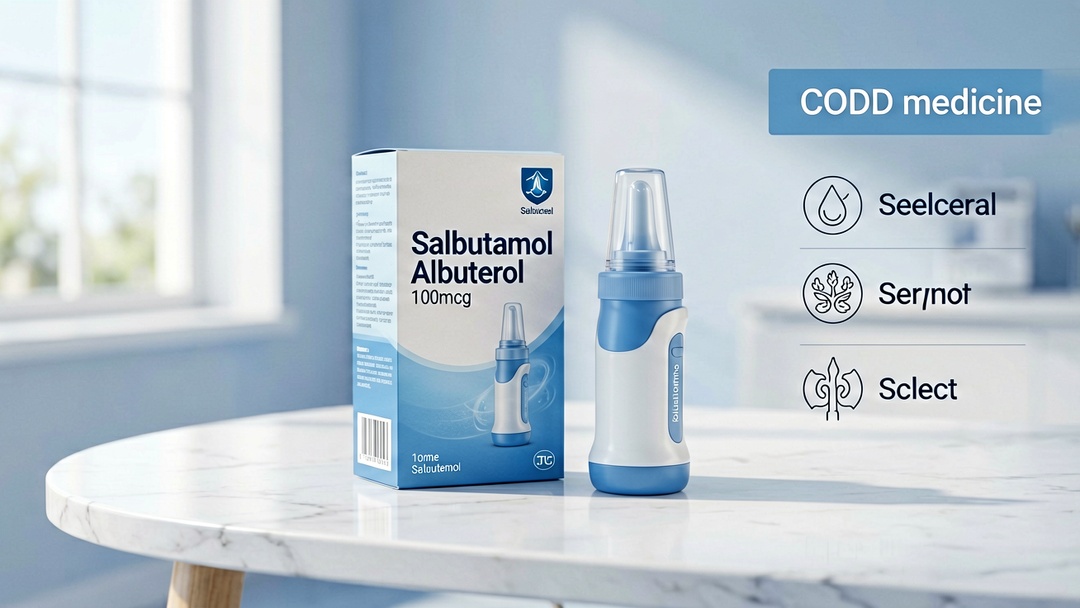
Salbutamol, known as Albuterol in the United States, is a short-acting beta-2 adrenergic receptor agonist (SABA) that acts as a bronchodilator. It is the most commonly prescribed rescue inhaler medication worldwide for acute asthma symptoms and chronic obstructive pulmonary disease (COPD) exacerbations. By relaxing the smooth muscles lining the airways, salbutamol rapidly reverses bronchospasm, restoring normal airflow within minutes.
First synthesized in the late 1960s and approved by the FDA in 1982, salbutamol remains on the World Health Organization’s Model List of Essential Medicines, underscoring its fundamental role in respiratory care. It is available in multiple formulations, including metered-dose inhalers (MDIs), dry powder inhalers (DPIs), nebulizer solutions, tablets, and oral syrup.
Mechanism of Action
Salbutamol selectively stimulates beta-2 adrenergic receptors on airway smooth muscle cells. This activation triggers a cascade involving G-protein-coupled receptor signaling, which increases intracellular cyclic AMP (cAMP) levels. Elevated cAMP activates protein kinase A (PKA), leading to relaxation of bronchial smooth muscle, inhibition of mast cell mediator release (such as histamine and leukotrienes), and enhanced mucociliary clearance.
The bronchodilator effect begins within 5–15 minutes of inhalation, peaks at approximately 1 hour, and lasts 4–6 hours, making it ideal for acute symptom relief rather than long-term control. Systemic absorption via inhalation is minimal compared to oral administration, which significantly reduces the risk of systemic side effects.
Approved Uses and Indications
Salbutamol is indicated for several respiratory conditions:
- Asthma: First-line rescue treatment for acute bronchospasm in adults and children aged 4 years and older. It is also used for exercise-induced bronchoconstriction prophylaxis taken 15–30 minutes before activity.
- COPD: Management of acute exacerbations and chronic symptoms in patients with chronic bronchitis and emphysema.
- Bronchopulmonary Dysplasia: Used off-label in premature infants to improve lung function.
- Hyperkalemia: Intravenous or nebulized salbutamol can shift potassium intracellularly, providing temporary management of elevated serum potassium in emergency settings.
Dosage Forms and Administration
| Formulation | Strength | Typical Dosage (Adults) | Onset of Action |
|---|---|---|---|
| MDI (Metered-Dose Inhaler) | 90–100 mcg per actuation | 1–2 puffs every 4–6 hours as needed | 5–10 minutes |
| DPI (Dry Powder Inhaler) | 200 mcg per capsule | 1 capsule inhaled every 4–6 hours | 5–15 minutes |
| Nebulizer Solution | 2.5 mg/2.5 mL or 5 mg/2.5 mL | 2.5–5 mg every 4–6 hours | 5–15 minutes |
| Oral Tablet | 2 mg or 4 mg | 2–4 mg three to four times daily | 30–60 minutes |
| Oral Syrup | 2 mg/5 mL | Children: 0.1–0.2 mg/kg/dose | 30–60 minutes |
Note: Dosages should always be individualized based on clinical response and tolerability. The inhaled route is preferred due to faster onset and fewer systemic side effects.
Side Effects and Safety Profile
Salbutamol is generally well-tolerated when used at recommended doses. Common side effects include tremor (especially in the hands), palpitations, tachycardia, headache, dizziness, and nervousness. These effects are typically mild and diminish with continued use.
Less common but more serious adverse effects include hypokalemia (low potassium), paradoxical bronchospasm (rare, but requires immediate discontinuation), and cardiac arrhythmias in susceptible patients. Caution is advised in patients with pre-existing cardiovascular disease, hypertension, hyperthyroidism, diabetes mellitus, or seizure disorders.
Overuse of salbutamol (more than one canister per month or more than 12 puffs per day) indicates poorly controlled asthma and requires reassessment of the treatment regimen. Studies have shown that regular use of short-acting beta-agonists without concomitant inhaled corticosteroids increases the risk of asthma-related morbidity and mortality.
Comparison: Salbutamol vs. Other Bronchodilators
| Feature | Salbutamol (Albuterol) | Levalbuterol | Ipratropium Bromide | Formoterol |
|---|---|---|---|---|
| Drug Class | SABA (Short-acting) | SABA (R-isomer) | Anticholinergic | LABA (Long-acting) |
| Onset | 5–15 min | 5–15 min | 15–30 min | 5–10 min |
| Duration | 4–6 hours | 6–8 hours | 4–6 hours | 12+ hours |
| Inhalation Route | MDI, DPI, Nebulizer | MDI, Nebulizer | MDI, Nebulizer | DPI, Nebulizer |
| Use | Rescue (acute) | Rescue (acute) | Maintenance + acute | Maintenance only |
Clinical Evidence and Efficacy
The efficacy of salbutamol in acute asthma and COPD exacerbations is supported by decades of clinical trials and real-world evidence. A landmark Cochrane systematic review analyzing 42 randomized controlled trials with over 5,000 patients confirmed that inhaled salbutamol produces a 15–25% improvement in forced expiratory volume in one second (FEV1) within 15 minutes of administration compared to placebo.
In pediatric asthma management, the CAMP (Childhood Asthma Management Program) study demonstrated that regular use of rescue salbutamol, when combined with inhaled corticosteroids, significantly reduced the rate of severe exacerbations requiring hospitalization. More recent evidence from the SMART (Symbicort Maintenance and Reliever Therapy) trials has highlighted the importance of appropriate rescue medication use to prevent asthma-related mortality.
For COPD, the TORCH and UPLIFT trials established that regular bronchodilator therapy improves exercise capacity, reduces exacerbation frequency, and enhances quality of life. Although salbutamol is primarily used as rescue therapy in COPD, its role in managing acute exacerbations remains irreplaceable, with studies showing a 30–40% reduction in the need for emergency department visits when used appropriately.
Drug Interactions
Salbutamol may interact with several other medications. Concurrent use with other beta-adrenergic agonists can produce additive cardiovascular effects. Beta-blockers (including ophthalmic preparations) may antagonize salbutamol’s bronchodilator effects; non-selective beta-blockers such as propranolol should be avoided in asthmatic patients. Diuretics and corticosteroids may potentiate hypokalemia when used with high-dose salbutamol. MAO inhibitors and tricyclic antidepressants may potentiate cardiovascular effects. Monoamine oxidase interactions are not clinically significant with inhaled salbutamol, but caution is warranted with oral formulations.
Digoxin levels may be decreased by salbutamol through enhanced renal clearance. Theophylline, when co-administered with salbutamol, carries an increased risk of hypokalemia and cardiovascular effects. Xenon-MRI studies have also suggested that general anesthetics may sensitize the myocardium to beta-agonists, requiring careful monitoring during surgical procedures involving patients on regular salbutamol therapy.
Storage and Handling
Salbutamol MDIs should be stored at room temperature (15–25°C / 59–77°F) and protected from direct sunlight and freezing. The canister contains pressurized medication; do not puncture, incinerate, or store above 49°C (120°F). The MDI mouthpiece should be cleaned weekly by removing the canister and rinsing the plastic actuator in warm water. Each inhaler contains a specific number of doses (typically 200 actuations); a dose counter helps patients track remaining medication. Discard the inhaler after the labeled number of actuations, even if it still produces a spray, as the medication amount may be sub-therapeutic.
For nebulizer solutions, unused opened vials should be discarded after 24 hours. Oral tablets and syrup should be kept in a cool, dry place away from moisture and light, following standard medication storage guidelines.
India Generic Pricing Information
Salbutamol is widely available as an affordable generic medication from multiple Indian pharmaceutical manufacturers including Cipla, Lupin, Zydus Cadila, and Sun Pharma. Prices vary depending on the formulation, pharmacy location, and applicable taxes.
Estimated Price Range in India (per unit, ±10%):
- Salbutamol MDI (200 doses): $3–$7 (Indian generic) vs. $25–$60 (US brand Ventolin HFA)
- Salbutamol Nebulizer Solution (2.5 mg, 20 units): $2–$5 (Indian generic) vs. $15–$45 (US brand ProAir, Ventolin)
- Salbutamol Oral Tablets (2 mg, 100 tablets): $1–$3 (Indian generic) vs. $8–$25 (US generic equivalent)
Note: Actual prices may vary. International shipping, customs duties, and prescription requirements can affect final costs. Always verify pricing with licensed pharmacies. The ±10% range accounts for market fluctuations across different suppliers and regions.
For the most current pricing and to explore generic options, visit our Respiratory Health product category.
Frequently Asked Questions
Safety Information and Precautions
Salbutamol is a prescription medication in most countries and should only be used under medical supervision. Patients should receive proper instruction on inhaler technique to ensure optimal drug delivery. Spacer devices are recommended for MDIs, particularly in children and elderly patients who may have coordination difficulties.
Warnings include: do not exceed recommended dosage; seek immediate medical attention if symptoms worsen or fail to improve after using the inhaler; if paradoxical bronchospasm occurs, discontinue use and switch to alternative therapy; monitor serum potassium levels during high-dose or continuous nebulization; avoid concomitant use with non-selective beta-blockers (e.g., propranolol).
References
- Global Initiative for Asthma (GINA). Global Strategy for Asthma Management and Prevention, 2024. Available from: https://ginasthma.org/
- Global Initiative for Chronic Obstructive Lung Disease (GOLD). Global Strategy for the Diagnosis, Management, and Prevention of COPD, 2024. Available from: https://goldcopd.org/
- FDA Prescribing Information: ProAir HFA (albuterol sulfate). U.S. Food and Drug Administration.
- UpToDate. “Beta-2 agonists in asthma: Acute use.” Wolters Kluwer, 2024.
- National Heart, Lung, and Blood Institute (NHLBI). Asthma Management Guidelines. NIH Publication, 2020.
Disclaimer: This article is for informational purposes only and does not constitute medical advice. Always consult a qualified healthcare professional before starting any new medication or treatment. Prices may vary and are provided as approximate ranges only; ±10% variability accounts for market fluctuations. Generic medications should only be purchased from verified, licensed pharmacies.