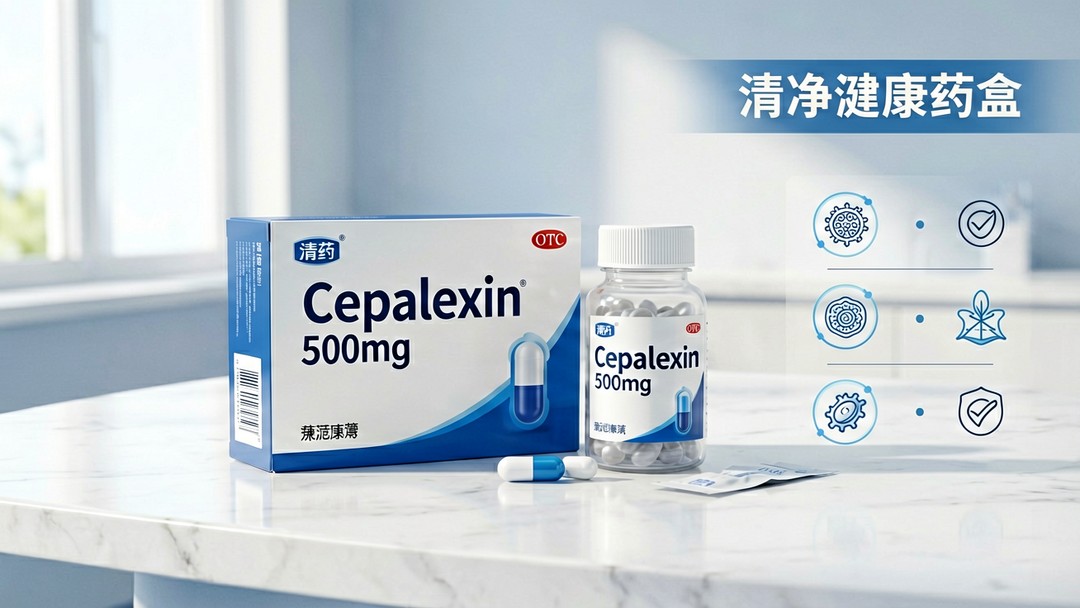
Cephalexin (brand name Keflex) is one of the most widely prescribed first-generation cephalosporin antibiotics in the world. It is used to treat a broad range of common bacterial infections, including skin and soft tissue infections, respiratory tract infections, and urinary tract infections (UTIs). For patients who need a reliable, cost-effective treatment, generic cephalexin from India offers the same active molecule at a fraction of the price of the original brand. This guide explains how cephalexin works, how to take it correctly, what doses are standard, and what to expect in terms of safety, side effects, and cost.
What Is Cephalexin?
Cephalexin is a beta-lactam antibiotic belonging to the first generation of cephalosporins. It was introduced in the late 1960s and remains on the World Health Organization Model List of Essential Medicines because of its proven efficacy, favorable safety record, and low cost. The drug works by interfering with bacterial cell wall synthesis, which causes susceptible bacteria to rupture and die. Because it is bactericidal, it kills bacteria directly rather than simply stopping their growth.
In the United States, cephalexin is sold under the brand name Keflex, manufactured by what was originally Eli Lilly and later Shionogi. Generic cephalexin is available worldwide, and Indian manufacturers such as Cipla, Sun Pharma, and Alkem produce high-quality generic versions that are exported to more than 100 countries. Indian generics are manufactured in WHO-GMP certified facilities and are bioequivalent to the innovator product, meaning they deliver the same amount of active drug to the bloodstream.
How Cephalexin Works: Mechanism of Action
Cephalexin works by binding to penicillin-binding proteins (PBPs) located on the inner membrane of the bacterial cell wall. This binding inhibits the transpeptidation step of peptidoglycan synthesis, weakening the structural integrity of the cell wall. During active bacterial growth and division, the weakened cell wall cannot withstand the internal osmotic pressure, and the bacterium lyses (bursts). This mechanism explains why cephalexin is most effective against actively dividing bacteria and why it is considered a time-dependent antibiotic — the key to success is maintaining drug levels above the minimum inhibitory concentration (MIC) for a sufficient portion of the dosing interval.
Cephalexin is active against many Gram-positive organisms, including Streptococcus pyogenes, Streptococcus pneumoniae, and Staphylococcus aureus (including penicillinase-producing strains, but not methicillin-resistant Staphylococcus aureus, or MRSA). It also has activity against some Gram-negative organisms such as Escherichia coli, Klebsiella pneumoniae, and Proteus mirabilis. It is not effective against MRSA, Enterococcus, Pseudomonas aeruginosa, or anaerobic bacteria, which is why susceptibility testing matters in serious infections.
Common Uses of Cephalexin
Cephalexin is FDA-approved for the treatment of the following infections:
- Skin and soft tissue infections — cellulitis, impetigo, infected wounds, and abscesses caused by susceptible staphylococci and streptococci; it is one of the first-line oral options for uncomplicated cellulitis.
- Respiratory tract infections — strep throat (pharyngitis/tonsillitis), acute sinusitis, and community-acquired pneumonia caused by susceptible organisms, especially in patients who cannot take penicillins.
- Urinary tract infections — uncomplicated cystitis and pyelonephritis caused by E. coli, Klebsiella, or Proteus, though local resistance rates should guide empiric choice.
- Bone and joint infections — as oral step-down therapy after intravenous treatment for osteomyelitis caused by susceptible staphylococci.
- Otitis media — acute middle ear infection in children, though amoxicillin is usually preferred first.
- Dental infections — used off-label as prophylaxis or treatment for dental abscesses and after dental procedures in selected patients.
- Endocarditis prophylaxis — in specific patients with certain heart conditions undergoing dental procedures, under guideline-based regimens.
Because resistance patterns differ by region, prescribers should confirm local susceptibility data. In uncomplicated UTIs, for example, E. coli resistance to first-generation cephalosporins is rising in some communities, and a urine culture is advisable for recurrent or complicated infections.
Cephalexin Dosage and Administration
Cephalexin is available as 250 mg and 500 mg capsules, as well as oral suspension for children. The dose depends on the infection type, severity, patient age, and kidney function. The following table summarizes typical adult and pediatric doses.
| Indication | Adult Dose | Duration |
|---|---|---|
| Skin and soft tissue infection | 500 mg every 6 hours (2 g/day) | 7–14 days |
| Strep throat / pharyngitis | 500 mg every 12 hours (1 g/day) | 10 days |
| Uncomplicated UTI (cystitis) | 500 mg every 12 hours (1 g/day) | 7–14 days |
| Pneumonia (community-acquired) | 500 mg every 6 hours (2 g/day) | 7–14 days |
| Osteomyelitis step-down | 500 mg every 6 hours (2 g/day) | 4–6 weeks total therapy |
| Children (suspension) | 25–50 mg/kg/day divided every 6–12 hours | Per indication |
Key administration points:
- Cephalexin can be taken with or without food. Taking it with food may reduce stomach upset.
- Capsules should be swallowed whole with a full glass of water.
- The oral suspension should be shaken well before each dose and measured with the provided dosing spoon or syringe.
- Complete the entire prescribed course, even if symptoms improve, to prevent bacterial resistance and relapse.
- If a dose is missed, take it as soon as remembered unless it is almost time for the next dose — never double up.
- In patients with significant renal impairment (creatinine clearance below 30 mL/min), the dose interval is usually extended to every 12–24 hours based on renal function.
Cephalexin vs Other Common Antibiotics
Cephalexin is frequently compared with amoxicillin, doxycycline, and azithromycin. The right choice depends on the suspected organism, allergy profile, and local resistance patterns.
| Antibiotic | Class | Typical Coverage | Dosing Convenience | Cost (generic, per course) |
|---|---|---|---|---|
| Cephalexin | 1st-gen cephalosporin | Gram-positive, some Gram-negative (E. coli, Klebsiella) | 2–4 times daily | Low |
| Amoxicillin | Aminopenicillin | Streptococci, some Gram-negative; no staph beta-lactamase cover | 2–3 times daily | Very low |
| Doxycycline | Tetracycline | Atypicals, MRSA (some), acne, tick-borne disease | 1–2 times daily | Very low |
| Azithromycin | Macrolide | Respiratory atypicals, strep (if susceptible) | Once daily, short course | Low |
Clinical evidence: In randomized trials for uncomplicated skin infections, cephalexin achieves clinical cure rates above 90% when the organism is susceptible. For streptococcal pharyngitis, 10 days of cephalexin eradicates group A streptococcus in approximately 90–95% of patients, comparable to penicillin. The main advantage of cephalexin over amoxicillin is its activity against penicillinase-producing staphylococci, which cause many skin infections.
Cephalexin Generic Pricing in India vs US Brand Prices
Cephalexin is one of the cheapest antibiotics available. Generic versions produced in India cost a small fraction of US retail prices. Indian manufacturers supply cephalexin 500 mg capsules at prices that make a full 7-day course (28 capsules) affordable for almost any patient.
Because prices change constantly and vary by pharmacy and pack size, all figures below are approximate ranges rather than exact quotes. Always confirm the current price before ordering.
| Pack | Indian Generic (approx.) | US Generic (approx.) | US Brand Keflex (approx.) |
|---|---|---|---|
| 10 capsules x 500 mg | $0.9–$1.4 | $8–$14 | $45–$85 |
| 20 capsules x 500 mg | $1.5–$2.8 | $14–$28 | $90–$170 |
| 30 capsules x 500 mg | $2.2–$4.2 | $22–$42 | $135–$255 |
| 100 ml suspension (125 mg/5 ml) | $1.5–$2.5 | $18–$35 | $70–$130 |
For a typical 7–10 day course, patients using Indian generic cephalexin may pay roughly $2–$5, compared with $15–$40 for US generics and $90–$170 for the Keflex brand. That represents a potential saving of 90% or more. You can explore affordable antibiotic options and compare prices on our antibiotics product category page.
Side Effects and Safety Profile
Cephalexin is generally well tolerated, with a safety profile similar to other penicillins and cephalosporins. Most side effects are mild and resolve on their own.
Common side effects (affecting up to 10% of patients)
- Diarrhea (the most common gastrointestinal effect)
- Nausea, vomiting, and abdominal discomfort
- Dyspepsia (indigestion)
- Mild rash or itching
- Vaginal candidiasis (yeast infection) after treatment
Serious side effects (rare, require immediate medical attention)
- Severe allergic reactions — anaphylaxis, angioedema, Stevens-Johnson syndrome (very rare)
- Clostridioides difficile-associated diarrhea — persistent watery diarrhea after antibiotics
- Hematologic effects — hemolytic anemia, neutropenia, or thrombocytopenia (rare)
- Seizures — mainly in patients with renal impairment or very high doses
- Acute kidney injury — rare, usually in predisposed patients
- Liver enzyme elevation — transient and usually asymptomatic
Cross-reactivity: Cephalexin is contraindicated in patients with a history of severe immediate hypersensitivity to penicillins (anaphylaxis, angioedema, severe skin reactions). The risk of clinically significant cross-allergy is estimated at roughly 1–3%, lower than older estimates of 10%. Patients with a mild, distant penicillin rash may tolerate cephalosporins, but this decision must be made by a physician.
Drug interactions: Probenecid reduces renal excretion of cephalexin, increasing its blood levels. Cephalexin may slightly reduce the effectiveness of oral contraceptives in rare cases, so additional contraceptive measures are sometimes advised. It can also interfere with certain urine glucose tests and with Coombs tests, which is relevant only if you are being monitored in hospital.
Who Should Not Take Cephalexin?
- Patients with documented anaphylactic reactions to penicillins or other beta-lactams
- Patients with a history of cephalosporin allergy
- Patients with phenylketonuria — some formulations contain phenylalanine (check product labeling)
- Use with caution in pregnancy (FDA Category B data; generally considered safe, but only when clearly needed) and during breastfeeding (small amounts pass into milk)
- Patients with severe renal impairment require dose adjustment
Clinical Evidence and Effectiveness
Cephalexin has been studied for decades. In clinical trials for uncomplicated cellulitis, oral cephalexin achieves cure rates of 85–95% for susceptible organisms. A landmark trial comparing oral cephalexin with parenteral antibiotics for cellulitis found comparable outcomes, supporting the early transition from IV to oral therapy. For impetigo, cephalexin is as effective as topical mupirocin for extensive lesions. In pediatric otitis media, cephalexin is an acceptable alternative when amoxicillin fails or is not tolerated, although amoxicillin remains the first choice. These findings are consistent across the FDA-approved labeling and international guidelines such as the IDSA skin and soft tissue infection guidelines.
How to Buy Cephalexin Safely
- Cephalexin is a prescription antibiotic — it should only be taken under medical supervision.
- Verify that the pharmacy you use is licensed and that the product carries proper batch numbers and expiry dates.
- Indian generic cephalexin from reputable WHO-GMP manufacturers is bioequivalent to the brand; look for the manufacturer name on the pack.
- Never self-treat viral infections with antibiotics — they do not work and contribute to resistance.
- If symptoms do not improve within 48–72 hours, contact your healthcare provider; the organism may be resistant or the diagnosis may need revision.
Frequently Asked Questions
1. How quickly does cephalexin start working?
Most patients notice improvement in fever and symptoms within 24–72 hours of starting cephalexin. If there is no improvement after 48–72 hours, the infection may be resistant or caused by a non-bacterial pathogen, and you should see your doctor.
2. Can I drink alcohol while taking cephalexin?
Unlike metronidazole or tinidazole, cephalexin does not cause a disulfiram-like reaction with alcohol. However, alcohol can worsen gastrointestinal side effects and dehydration, so it is best to avoid it until the course is complete.
3. Is cephalexin safe during pregnancy and breastfeeding?
Cephalexin is classified as FDA Pregnancy Category B — animal studies show no risk, and it is widely used in pregnancy when clearly indicated. Small amounts pass into breast milk, but it is generally considered compatible with breastfeeding.
4. What should I do if I miss a dose?
Take the missed dose as soon as you remember. If it is almost time for your next dose, skip the missed dose and continue on schedule. Never take two doses at once.
5. Can cephalexin treat viral infections like the common cold?
No. Cephalexin only works against bacteria. Taking it for viral infections is ineffective and promotes antibiotic resistance. Use it only for confirmed or strongly suspected bacterial infections as prescribed.
6. What are the differences between cephalexin and amoxicillin?
Both are beta-lactam antibiotics. Cephalexin is more resistant to staphylococcal penicillinase, making it better for many skin infections, while amoxicillin is usually preferred for respiratory and ear infections. Neither covers MRSA. Your doctor chooses based on the likely organism and local resistance.
Bottom Line
Cephalexin remains a dependable, well-studied first-line antibiotic for common skin, respiratory, and urinary infections. Generic cephalexin from India delivers the same clinical outcomes as the brand at a fraction of the cost, making effective treatment accessible to more patients. As with any antibiotic, it must be used responsibly and only under medical supervision. Compare pricing and available options on our antibiotics category page.
Medical Disclaimer: This article is for informational purposes only and does not constitute medical advice. Always consult a qualified healthcare provider before starting, stopping, or changing any medication. Pricing information reflects approximate market ranges and varies by pharmacy, location, and time; always confirm current prices with your supplier. Generic medications should only be used under professional supervision.
References
- Cephalexin FDA Prescribing Information (Keflex label), US FDA.
- Stevens DL, et al. Practice guidelines for the diagnosis and management of skin and soft tissue infections. Clin Infect Dis. 2005;41(10):1373-1406 (IDSA).
- World Health Organization. Model List of Essential Medicines, 23rd List (2023).
- Shionogi Inc. Keflex (cephalexin) capsules prescribing information.
- UpToDate. Cephalexin: Drug information. Wolters Kluwer.
- Rao GG. Risk factors for the development of Clostridioides difficile-associated diarrhea after cephalosporin therapy. J Hosp Infect. 2010;76(1):43-47.