What Is Tretinoin and How Does It Work?
Tretinoin, known by its original brand name Retin-A, is the acid form of vitamin A (all-trans retinoic acid) and the most extensively studied topical retinoid in dermatology. It was approved by the FDA in 1971 for acne and has since become the gold-standard ingredient for prescription-strength anti-aging skincare. Tretinoin works by binding to retinoic acid receptors (RAR-alpha, RAR-beta, and RAR-gamma) in the nucleus of skin cells, where it directly regulates gene transcription. This receptor-mediated action explains why tretinoin produces fundamentally different results from cosmetic retinoids: it does not merely slough off surface cells but actually changes how keratinocytes differentiate and proliferate.
The biological effects that matter clinically are well characterized. In acne, tretinoin normalizes follicular keratinization, which prevents the plugging of pores (microcomedone formation) that is the earliest step in acne development. It also has mild anti-inflammatory effects and helps existing comedones to express. In photoaging, tretinoin stimulates fibroblasts to increase collagen I synthesis, inhibits collagenase (matrix metalloproteinase) activity, and promotes the formation of new dermal collagen in the papillary dermis. These changes visibly reduce fine lines, mottled pigmentation, and skin roughness, and they are the reason dermatologists consider tretinoin the most effective topical agent available for photoaged skin.
Approved and Common Uses
- Acne vulgaris: FDA-approved for inflammatory and noninflammatory acne at concentrations of 0.025%, 0.05%, and 0.1%. Tretinoin is a first-line topical for mild-to-moderate acne, often combined with benzoyl peroxide, clindamycin, or adapalene.
- Photodamage and photoaging: Extensively studied for reducing fine wrinkles, dyspigmentation, and roughness; several countries approve tretinoin specifically for this indication.
- Melasma and hyperpigmentation: Used in combination regimens with hydroquinone and a corticosteroid (the classic triple-combination cream) for stubborn facial hyperpigmentation.
- Keratosis pilaris and other disorders of keratinization: Off-label use for rough, bumpy skin on the upper arms and thighs.
- Oral tretinoin (ATRA): A separate formulation used systemically for acute promyelocytic leukemia, demonstrating how the same molecule acts differently by route of administration.
It is important to distinguish topical tretinoin from oral isotretinoin (Accutane). Isotretinoin is a different retinoid taken by mouth for severe nodular acne and carries substantially more serious systemic risks; topical tretinoin acts locally and has a far more benign safety profile.
Tretinoin vs Retinol vs Adapalene
| Feature | Tretinoin | Retinol (OTC) | Adapalene | Tazarotene |
| Class | Retinoic acid (active) | Retinol ester (needs conversion) | Third-gen retinoid | Third-gen retinoid |
| Receptor binding | Direct RAR | Indirect (2-step conversion) | Selective RAR-beta/gamma | RAR-beta/gamma |
| Strength of anti-aging evidence | Strongest | Moderate | Moderate (acne-focused) | Strong |
| Irritation potential | High (dose-dependent) | Low-moderate | Lower | Highest |
| Photosensitivity | Yes | Yes | Mild | Yes |
| Prescription needed | Yes | No | OTC in many countries | Yes |
| Typical 20-30 g tube cost (US retail) | $60-$120 | $15-$60 | $40-$90 | $90-$180 |
Retinol must undergo two enzymatic conversions in the skin to become retinoic acid, which makes it gentler but less potent per milligram. Adapalene is photo-stable, less irritating, and available over the counter in many markets, making it an excellent first choice for acne, though its anti-aging evidence base is smaller. Tretinoin remains the reference standard when maximal effect is the priority and the patient can tolerate the adaptation phase.
Dosage, Application, and the Adaptation Phase
| Strength | Typical use | Frequency |
| Tretinoin 0.025% cream | Starting strength for most patients | 2-3 nights/week, then nightly |
| Tretinoin 0.05% cream | Maintenance for acne; anti-aging standard | Nightly |
| Tretinoin 0.1% cream/gel | Resistant acne or tolerated skin | Nightly |
| Tretinoin 0.04% / 0.1% microsphere gel | Slower-release, less irritating options | Nightly |
The correct application technique determines success more than the strength chosen. Wash the face with a gentle cleanser and wait 20 to 30 minutes until the skin is completely dry; applying tretinoin to damp skin dramatically increases irritation. Use a pea-sized amount for the entire face, avoiding the eyes, lips, and corners of the nose. Start every other night or every third night for the first 2 weeks, then increase frequency as tolerance develops. Sunscreen with SPF 30 or higher every morning is non-negotiable, because retinoids thin the stratum corneum transiently and increase sun sensitivity.
The adaptation phase, often called the retinoid purge or tretinoin uglies, typically begins within the first 2 weeks: expect dryness, flaking, redness, and sometimes a temporary flare of acne as existing microcomedones surface. This phase usually peaks at weeks 2 to 4 and subsides by weeks 6 to 8. Clinical trials show that the majority of the visible benefit in acne appears between weeks 8 and 12, while anti-aging improvements in fine lines and texture typically require 12 to 24 weeks of consistent nightly use. Patients who stop after a few weeks because of irritation never reach the point where the drug shows its results, which is why expectations setting and gradual introduction are so important.
Clinical Evidence
The evidence base for tretinoin is deep and long-standing. A classic multicenter trial by Kligman and colleagues in the 1980s and subsequent controlled studies demonstrated that 0.05% tretinoin cream significantly reduces fine wrinkles, mottled hyperpigmentation, and roughness after 24 to 48 weeks of use, with biopsy-confirmed increases in dermal collagen. In acne, randomized controlled trials consistently show that tretinoin 0.025% to 0.1% reduces inflammatory and noninflammatory lesion counts by 40 to 70 percent over 12 weeks, with efficacy comparable to adapalene but with a slightly different tolerability profile.
A 2019 systematic review in the Journal of the American Academy of Dermatology confirmed that topical retinoids, led by tretinoin, remain the most effective topical class for photoaging. For melasma, the triple-combination cream containing tretinoin 0.05%, hydroquinone 4%, and fluocinolone acetonide 0.01% achieved complete or near-complete clearance in 70 to 77 percent of patients in 8-week trials, substantially outperforming any single ingredient.
Side Effects and Safety
The dominant side effect is retinoid dermatitis: erythema, dryness, peeling, burning, and stinging. It is dose- and frequency-dependent and almost always manageable with a lower strength, less frequent application, and a good moisturizer. Transient worsening of acne in the first month is common and should not be mistaken for treatment failure. Sun sensitivity is increased, so consistent photoprotection is essential.
The most serious safety concern is teratogenicity. Topical tretinoin is labeled pregnancy category C (FDA) and is contraindicated in pregnancy or when planning pregnancy; the systemic form causes severe birth defects. Although the systemic absorption from topical use is minimal, dermatologists recommend avoiding tretinoin in pregnancy and using contraception counseling where appropriate. Tretinoin should also not be applied to eczematous or sunburned skin, and it should be stopped before procedures such as laser resurfacing or chemical peels. The microsphere and gel formulations tend to be better tolerated than the original cream, which can be helpful for sensitive patients.
Generic Tretinoin: Cost and Availability
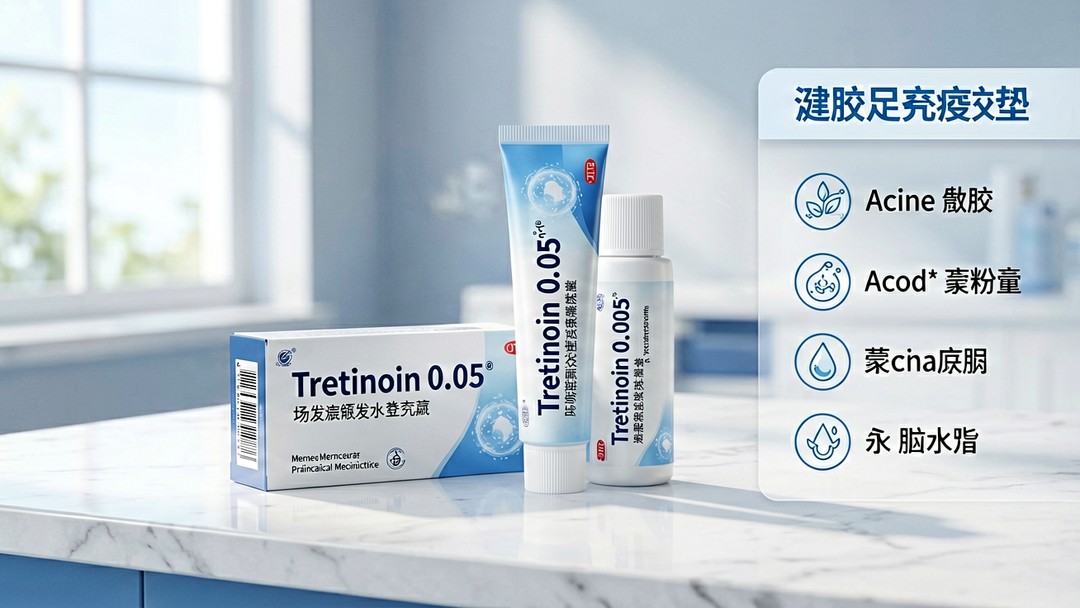
Tretinoin has been generic for decades, and generic tretinoin cream is bioequivalent to Retin-A. The price, however, depends heavily on where and how you buy. In the United States, a 20 g tube of generic tretinoin 0.05% cream typically retails for $60 to $120, while the brand Retin-A can cost $150 to $250 or more without insurance; with manufacturer coupons and discount programs, some patients pay $30 to $60. In India and other regulated generic markets, the same 20 g tube of tretinoin 0.05% cream is commonly available for $4 to $12 from established manufacturers, and combination creams containing tretinoin, hydroquinone, and fluocinolone are typically priced in the range of $23 to $29 per 15 g tube from Indian suppliers. Even oral tretinoin (all-trans retinoic acid) 10 mg capsules are available from Indian manufacturers at roughly $72 to $88 for a 100-capsule pack, a fraction of typical U.S. prices.
Because tretinoin is a chronic-use product, the cumulative savings from sourcing quality-assured generic tretinoin internationally are substantial: a year of nightly use that costs $600 to $1,200 at U.S. retail can be reduced by 80 to 90 percent. For patients exploring affordable options, our skincare product range includes tretinoin creams and combination formulations with transparent pricing.
Decision Guide: Choosing Your Retinoid
- Choose tretinoin if: you want the strongest evidence-based topical for both acne and photoaging, you have used OTC retinol without results, or your dermatologist has recommended prescription-strength therapy.
- Start with a lower strength if: you have sensitive skin, rosacea, eczema, or a history of reactions to skincare products; 0.025% cream or the microsphere formulation is the gentler entry point.
- Choose adapalene or retinol if: you need over-the-counter convenience, you cannot tolerate any peeling, or you are pregnant (in which case avoid all retinoids and ask about azelaic acid instead).
- Always: use sunscreen daily, moisturize, introduce the product gradually, and give the treatment at least 12 weeks before judging results.
Frequently Asked Questions
Q: How long before tretinoin shows results? A: For acne, meaningful improvement typically appears at 8 to 12 weeks. For fine lines, pigmentation, and texture, expect 12 to 24 weeks of consistent nightly use. The skin often looks worse during the first 2 to 4 weeks before it looks better.
Q: What is the difference between tretinoin and retinol? A: Tretinoin is already in the active form (retinoic acid) and binds directly to skin receptors, making it more potent and faster-acting. Retinol is a precursor that must be converted by skin enzymes, so it is gentler but less powerful. Dermatologists often say retinol is what you start with; tretinoin is what you graduate to.
Q: Can I use tretinoin every night from day one? A: It is generally not recommended. Starting every other night or every third night for 2 weeks, then gradually increasing, significantly reduces irritation while preserving efficacy. Some patients, especially with the 0.025% strength, can move to nightly use within 2 to 4 weeks.
Q: Is tretinoin safe for sensitive or dry skin? A: Yes, with adjustments: use the lowest strength, apply every third night, buffer it by applying moisturizer first, and stop briefly if severe irritation occurs. The microsphere formulation is specifically designed to release more slowly and is better tolerated.
Q: Can I use tretinoin with vitamin C or niacinamide? A: Niacinamide pairs well with tretinoin and can reduce irritation. Vitamin C can be used in the morning while tretinoin is reserved for night, but layering both at the same time can irritate sensitive skin. Avoid combining tretinoin with other exfoliating acids like glycolic or salicylic acid on the same night.
Q: Does tretinoin thin the skin? A: No. Tretinoin temporarily thins the outermost dead layer (stratum corneum) while thickening the living epidermis and rebuilding dermal collagen. Net effect after several months is thicker, firmer skin with less visible wrinkling.
References
- U.S. Food and Drug Administration. Retin-A (tretinoin) Cream and Gel Prescribing Information. FDA Label.
- Kligman AM, Grove GL, Hirose R, Leyden JJ. Topical tretinoin for photoaged skin. Journal of the American Academy of Dermatology. 1986;15(4 Pt 2):836-859.
- Leyden J, Stein-Gold L, Weiss J. Why topical retinoids are mainstay of therapy for acne. Dermatology and Therapy. 2017;7(3):293-304.
- Samarasekera EJ, Sawyer L, Bath-Hextall F. Topical treatments for acne vulgaris: systematic review and network meta-analysis. British Journal of Dermatology. 2019.
- Taylor SC, Torok H, Jones T, et al. Efficacy and safety of a new triple-combination agent for the treatment of facial melasma. Cutis. 2003;72(1):67-72.
- American Academy of Dermatology. Guidelines of care for the management of acne vulgaris. Journal of the American Academy of Dermatology. 2016;74(5):945-973.
Medical Disclaimer
This article is for informational purposes only and does not constitute medical advice. Tretinoin is a prescription medicine; do not start treatment without consulting a qualified healthcare provider, and never use it during pregnancy or when planning pregnancy. Acne, melasma, and photoaging can have multiple causes requiring professional evaluation. Medication prices vary over time, by pharmacy, and by country; all figures above are approximate ranges for guidance only.