
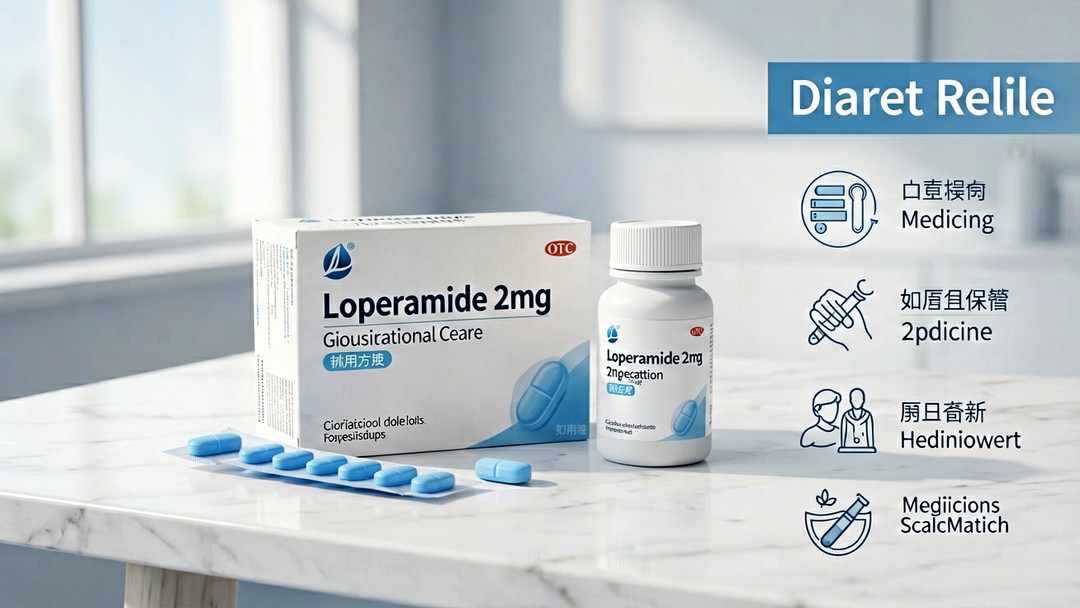
Loperamide — best known under the brand name Imodium — is the most widely used over-the-counter medication for acute diarrhea worldwide. It slows intestinal movement, reduces fluid loss, and lets the gut recover. For travelers, patients with irritable bowel syndrome, and anyone who has ever had a bout of food poisoning, loperamide is a household staple. This guide explains how loperamide works, correct dosing, when it should never be used, its safety record, and how generic loperamide from India compares on price.
What Is Loperamide?
Loperamide is a synthetic opioid-like compound developed in the late 1960s by Janssen Pharmaceutica and introduced in the US in 1976 as Imodium. Unlike true opioids, it does not cross the blood-brain barrier in meaningful amounts, so it has no analgesic or euphoric effects at normal doses. Instead, it acts locally on the gut to slow intestinal transit and reduce fluid secretion.
Loperamide is available as 2 mg capsules and tablets, as a liquid, and in quick-dissolve formulations. Generic loperamide is produced worldwide, including by major Indian manufacturers such as Cipla, Sun Pharma, Zydus, and Micro Labs, and is exported globally at very low cost. WHO-GMP certified Indian generics are bioequivalent to Imodium.
How Loperamide Works: Mechanism of Action
Loperamide binds to mu-opioid receptors in the intestinal wall, which:
- Slows intestinal transit — reduces the propulsive contractions of the small and large intestine, giving the colon more time to reabsorb water and electrolytes.
- Reduces fluid secretion — decreases the secretion of water and electrolytes into the bowel lumen, partly through effects on calcium channels and calmodulin.
- Increases anal sphincter tone — helps reduce urgency and fecal incontinence.
- Enhances absorption — lengthened contact time improves net fluid and sodium absorption.
The net effect is a measurable reduction in stool frequency and stool weight. In clinical trials, loperamide significantly reduces the number of loose stools in the first 24–48 hours compared with placebo, and it is more effective than bismuth subsalicylate (Pepto-Bismol) for acute diarrhea in most studies.
Uses of Loperamide
Loperamide is approved for:
- Acute nonspecific diarrhea — the most common use; shortens the duration and reduces the frequency of loose stools.
- Traveler’s diarrhea — highly effective for symptom control in adults, though antibiotics are needed for severe or febrile cases.
- Chronic diarrhea in irritable bowel syndrome (IBS-D) — used off-label or as part of management to control loose stools and urgency.
- Chronic diarrhea in inflammatory bowel disease — used cautiously under medical supervision for symptom control (not a disease-modifying therapy).
- Diarrhea associated with chemotherapy or ileostomy — symptom management in selected patients.
Important: Loperamide treats the symptom (diarrhea) but not the underlying cause. If diarrhea is caused by an invasive bacterial infection (bloody stools, high fever), slowing the gut can trap the bacteria and worsen the illness — this is why loperamide is contraindicated in dysentery.
Dosage and Administration
Loperamide 2 mg is the standard tablet strength for adults. Dosing follows a simple rule: take 2 tablets after the first loose stool, then 1 tablet after each subsequent loose stool, without exceeding the daily maximum.
| Population | Initial Dose | After Each Loose Stool | Maximum Daily Dose |
|---|---|---|---|
| Adults (including elderly) | 4 mg (2 tablets) | 2 mg (1 tablet) | 8 mg/day OTC (16 mg/day prescription) |
| Children 6–8 years | 2 mg (1 tablet) | 1 mg | 4 mg/day (prescription only) |
| Children 8–12 years | 2 mg (1 tablet) | 2 mg | 6 mg/day (prescription only) |
| Children 12+ years | Adult dosing | 2 mg | 8 mg/day OTC |
| Chronic diarrhea (IBS-D), under supervision | 4 mg | 2 mg | 16 mg/day max (prescriber-directed) |
Key administration points:
- Take the first dose after the first loose stool, not before, and do not exceed the labeled maximum.
- Swallow capsules whole; the liquid can be measured with the provided dropper.
- Stop loperamide if diarrhea persists beyond 48 hours, or if you develop fever, bloody stools, or worsening abdominal pain — seek medical care.
- Do not use loperamide in children under 6 years without a doctor’s instruction.
- Drink plenty of fluids and consider an oral rehydration solution (ORS) to replace lost water and electrolytes — loperamide does not replace fluids.
- Avoid alcohol and use caution with other medications that slow the gut or depress the central nervous system.
Loperamide vs Other Anti-Diarrheal Options
Patients have several options for diarrhea symptom control. The table compares the most common ones.
| Option | Mechanism | Speed of Relief | OTC Availability | Typical Cost per Course |
|---|---|---|---|---|
| Loperamide | Slows gut motility (opioid receptor agonist) | Fast (1–2 hours) | Yes (US, UK, India) | Very low |
| Bismuth subsalicylate | Anti-inflammatory + antimicrobial | Moderate (few hours) | Yes | Low |
| Oral rehydration solution (ORS) | Replaces fluids and electrolytes | Prevents dehydration | Yes | Very low |
| Probiotics | Restores gut flora | Slow, adjunctive | Yes | Low–moderate |
| Racecadotril | Reduces secretion (enkephalinase inhibitor) | Moderate | Varies by country | Low |
Clinical evidence: A Cochrane review of loperamide for acute diarrhea in adults found it reduces stool frequency and shortens the duration of diarrhea compared with placebo, with no increase in serious adverse events at recommended doses. For traveler’s diarrhea, loperamide plus an antibiotic such as azithromycin or a fluoroquinolone provides faster relief than antibiotics alone. In IBS-D, loperamide improves stool consistency and reduces urgency but does not relieve abdominal pain.
Loperamide Generic Pricing: India vs US
Loperamide is extremely inexpensive, and Indian generic versions are among the cheapest medicines on the market. A full course of treatment typically costs less than the price of a cup of coffee.
Prices below are approximate ranges for comparison. Actual prices vary by pharmacy, brand, pack size, and time — confirm current prices before purchasing.
| Pack | Indian Generic (approx.) | US Generic (approx.) | US Brand Imodium (approx.) |
|---|---|---|---|
| 10 tablets x 2 mg | $0.4–$0.9 | $3–$8 | $8–$15 |
| 20 tablets x 2 mg | $0.7–$1.6 | $6–$14 | $15–$28 |
| 30 tablets x 2 mg | $1.0–$2.4 | $9–$20 | $22–$40 |
| 24 tablets (Imodium A-D value pack) | $1.2–$2.6 | $10–$22 | $18–$35 |
For most episodes, a patient needs only 4–8 tablets. Indian generic loperamide for a typical episode costs well under a dollar, versus $3–$10 for US generic and $8–$15 for Imodium brand. For households, travelers, and chronic IBS-D patients who use loperamide regularly, the savings add up quickly. See our general medicines category for ordering options and current availability.
Safety Profile and Side Effects
At recommended OTC doses, loperamide has an excellent safety record with minimal systemic absorption (less than 0.5% of an oral dose reaches the bloodstream unchanged). Most side effects are mild.
Common side effects
- Constipation (the most common effect, especially with continued use)
- Bloating, abdominal cramps, or discomfort
- Nausea or dizziness (uncommon)
- Dry mouth (rare)
Serious risks — misuse and high doses
- Cardiac toxicity — at very high doses (typically 40–100+ mg/day, far above the 8 mg OTC limit), loperamide can cause QT prolongation, torsades de pointes, and cardiac arrest. This was the basis for FDA packaging changes and the addition of unit-dose blister packs.
- Ileus and toxic megacolon — dangerous gut paralysis, especially in inflammatory bowel disease, infectious colitis, or if doses are exceeded.
- Central nervous system depression — in overdose, especially when combined with CYP3A4/P-gp inhibitors that raise blood levels.
- Severe dehydration masking — by slowing diarrhea, loperamide can mask ongoing fluid loss if rehydration is neglected.
The FDA has specifically warned about cardiac risks from intentional misuse and abuse of loperamide at high doses. The recommended OTC maximum of 8 mg/day is safe for short-term use; prescription-level dosing up to 16 mg/day is only for chronic conditions under medical supervision. Never combine loperamide with medications that inhibit CYP3A4 or P-glycoprotein (such as certain antifungals, macrolide antibiotics, or grapefruit juice in large amounts) without checking with a pharmacist.
When NOT to Use Loperamide
- Bloody diarrhea or suspected dysentery (Shigella, Salmonella, enterohemorrhagic E. coli) — loperamide can worsen invasive infections and increase the risk of complications.
- Fever above 101°F (38.3°C) with diarrhea — suggests an invasive infection that needs evaluation; do not self-treat with loperamide alone.
- Active inflammatory bowel disease flare — risk of toxic megacolon; use only under specialist supervision.
- Children under 6 years — do not use without medical advice.
- Pregnancy — use only if clearly needed and with a doctor’s approval; small amounts cross the placenta.
- Suspected overdose or poisoning — in poisonings, diarrhea may be protective; do not suppress it with loperamide.
- Chronic constipation or known bowel obstruction
Patient experience: Most patients report that loperamide stops diarrhea within 1–2 hours of the first dose, with the number of stools falling by roughly half in the first 24 hours. The most common mistake patients make is continuing loperamide for more than 48 hours or using it for diarrhea with high fever and blood — both are red flags for medical evaluation. Combining loperamide with an oral rehydration solution is the standard, safest self-care approach.
Frequently Asked Questions
1. How fast does loperamide work?
Loperamide typically begins slowing bowel movements within 1–2 hours of the first dose. Most people see a noticeable reduction in stool frequency within 24 hours, and acute diarrhea usually resolves within 1–3 days when combined with fluid replacement.
2. Can I take loperamide with antibiotics for traveler’s diarrhea?
Yes. Combining loperamide with an appropriate antibiotic (such as azithromycin) for traveler’s diarrhea shortens the illness and provides faster symptom relief. Do not use loperamide alone if you have high fever or bloody stools.
3. Is loperamide safe for children?
Loperamide is not recommended for children under 6 years without a doctor’s instruction. For older children, use the age-based dosing table and never exceed the maximum. For infants and young children, oral rehydration solution is the priority treatment.
4. What happens if I take too much loperamide?
Taking far more than the recommended dose can cause serious heart rhythm problems (QT prolongation), severe constipation, ileus, and central nervous system depression. Never exceed 8 mg/day OTC, and seek emergency care if you have taken a large overdose or have palpitations, fainting, or severe abdominal pain.
5. Can loperamide be used for IBS diarrhea?
Yes. Many people with IBS-D use loperamide to control loose stools and urgency, typically on an as-needed basis under medical guidance. It improves stool consistency but does not relieve IBS-related abdominal pain.
6. Does loperamide stop diarrhea caused by antibiotics?
For mild antibiotic-associated diarrhea, loperamide can help with symptoms. However, if diarrhea is caused by Clostridioides difficile infection (often signaled by persistent diarrhea after antibiotics), do not use loperamide — this requires medical treatment, and antimotility agents can worsen the infection.
Bottom Line
Loperamide is a fast, effective, and very inexpensive treatment for acute diarrhea when used correctly: start after the first loose stool, stick to the 8 mg/day OTC maximum, rehydrate aggressively, and stop if fever or blood appears. Generic loperamide from India delivers identical symptom relief to Imodium at a fraction of the cost, making it an essential item for medicine cabinets and travel kits alike. Ordering through a reputable pharmacy and keeping the dosing rules in mind keeps this everyday remedy both safe and economical. Compare options on our medicines category page.
Medical Disclaimer: This article is for informational purposes only and does not constitute medical advice. Always consult a qualified healthcare provider before starting, stopping, or changing any medication. Pricing information reflects approximate market ranges and varies by pharmacy, location, and time; always confirm current prices with your supplier. Generic medications should only be used under professional supervision.
References
- Imodium A-D (loperamide HCl) FDA label and Drug Facts labeling, US FDA.
- US FDA Drug Safety Communication: Loperamide (Imodium) — serious cardiac events with high doses from abuse and misuse (2016, updated 2018).
- World Health Organization. The treatment of diarrhoea: a manual for physicians and other senior health workers (oral rehydration). WHO, 2005.
- Cochrane Database Syst Rev. Loperamide for acute diarrhoea in adults (systematic review).
- Riddle MS, et al. Guidelines for the prevention and treatment of travelers’ diarrhea. J Travel Med. 2017;24(Suppl 1):S57-S74.
- UpToDate. Loperamide: Drug information. Wolters Kluwer.