Finasteride vs Minoxidil for Hair Loss: Which Treatment Works Better? Uses, Side Effects & Cost
Hair loss affects millions of men and women worldwide, and two of the most proven, FDA-approved treatments are Finasteride (oral medication) and Minoxidil (topical solution). Both are available as affordable generic medications from Indian pharmaceutical manufacturers. This comprehensive guide compares Finasteride vs Minoxidil for hair loss — examining how they work, their effectiveness, side effects, and cost — to help you choose the right treatment for your hair restoration journey.
What Are Finasteride and Minoxidil?
Finasteride Overview
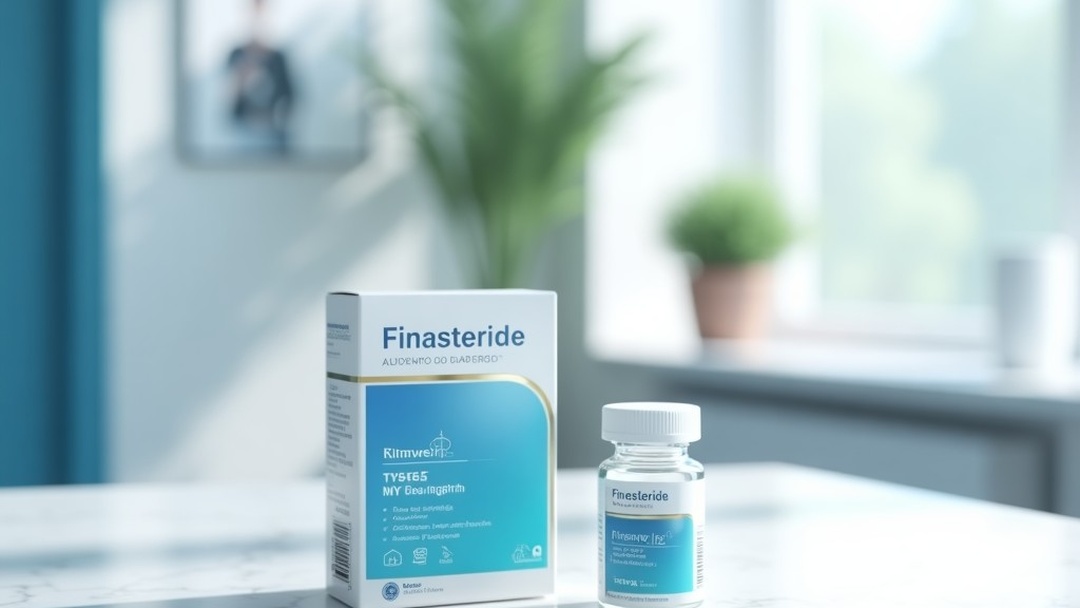
Finasteride is an oral prescription medication that belongs to a class of drugs called 5α-reductase inhibitors. It works by blocking the conversion of erectile dysfunction medications to dihydrotestosterone (DHT), the hormone responsible for androgenetic hair loss treatments (male pattern baldness). By reducing DHT levels in the scalp, Finasteride helps slow hair loss and can stimulate hair regrowth. It is typically taken as a 1mg tablet daily.
Minoxidil Overview
Minoxidil is a topical solution (available in 2% and 5% strengths) that is applied directly to the scalp. Originally developed as an oral blood pressure medication, its hair-regrowing properties were discovered as a side effect. Minoxidil works by widening blood vessels and opening potassium channels, which increases blood flow to hair follicles and stimulates hair growth. It is available over the counter and is suitable for both men and women.
How They Work: Mechanism of Action
| Aspect | Finasteride | Minoxidil |
|---|---|---|
| Mechanism | Blocks DHT production (hormonal) | Vasodilator (increases blood flow to follicles) |
| Administration | Oral tablet (1mg daily) | Topical solution (apply twice daily) |
| Prescription Required | Yes | No (OTC) |
| Best For | Crown and vertex thinning | General thinning and receding hairline |
| Time to Results | 3–6 months | 4–6 months |
| Sex-Specific | Men only (can cause birth defects) | Men and women |
Finasteride vs Minoxidil: Which Is More Effective?
Clinical studies consistently show that Finasteride is more effective at preventing further hair loss and promoting regrowth at the crown of the head, while Minoxidil is more versatile and can be used by both men and women for general thinning. Here is what the research says:
- Finasteride: In clinical trials, 83% of men taking finasteride 1mg maintained their hair count after 2 years, compared to 28% in the placebo group. About 66% showed visible regrowth.
- Minoxidil (5%): Studies show that 5% minoxidil can regrow hair in 60–80% of users, with visible results typically appearing after 4–6 months of consistent use.
- Combination therapy: Using both Finasteride and Minoxidil together is significantly more effective than either treatment alone. This is known as combination therapy and is recommended by many dermatologists.
Side Effects Comparison
Finasteride Side Effects
- Common: Decreased libido (3–8% of users), erectile dysfunction (2–5%), reduced ejaculate volume
- Rare: Depression, gynecomastia (breast tissue enlargement), allergic reactions
- Post-Finasteride Syndrome: A small percentage of users report persistent sexual health side effects even after stopping the medication
- Important: Pregnant women should not handle crushed or broken finasteride tablets due to risk of birth defects
Minoxidil Side Effects
- Common: Scalp irritation, itching, dryness or flaking at application site
- Initial shedding: Many users experience temporary increased hair shedding in the first 2–6 weeks (a sign the product is working)
- Rare: Dizziness, rapid heartbeat, unwanted facial hair growth (if applied to face)
- Note: Side effects are generally milder and more localized compared to Finasteride
Cost Comparison: Generic Options from India
Indian pharmaceutical manufacturers produce high-quality generic versions of both Finasteride and Minoxidil at significantly lower prices than brand-name treatments.
| Medication | Strength | Estimated Monthly Cost |
|---|---|---|
| Finasteride (Generic) | 1mg (30 tablets) | $7-$8–$9-$12 |
| Minoxidil 5% (Generic) | 60ml solution | $6-$7–$9-$11 |
| Finasteride (Brand Propecia) | 1mg (30 tablets) | $54-$66–$90-$110+ |
| Minoxidil (Brand Rogaine) | 5% 60ml foam | $27-$33–$45-$55+ |
Generic versions made in India can save you 75–90% compared to brand-name equivalents in the US. Many users opt to combine both treatments for maximum results, making the combined monthly cost of generic medications highly affordable.
Which One Should You Choose?
Consider the following guidelines when choosing between Finasteride and Minoxidil:
- For men with crown thinning: Finasteride is typically recommended as first-line treatment
- For receding hairline: Minoxidil may be more effective
- For women: Minoxidil is the only proven option (Finasteride is not recommended for women of childbearing age)
- For best results: Combination therapy (Finasteride + Minoxidil) provides superior outcomes compared to monotherapy
- For those concerned about sexual side effects: Start with Minoxidil and consider adding Finasteride later if needed
Frequently Asked Questions
Can I use Finasteride and Minoxidil together?
Yes! In fact, using Finasteride and Minoxidil together (combination therapy) is considered the gold standard for treating androgenetic alopecia. They work through different mechanisms and complement each other.
Do I need a prescription for Finasteride?
Yes, Finasteride requires a prescription in most countries. Minoxidil is available over the counter without a prescription.
Will my hair loss return if I stop treatment?
Yes. Both Finasteride and Minoxidil need to be used continuously to maintain results. If you stop treatment, hair loss will typically resume within 6–12 months, and any regrown hair will be lost.
Disclaimer: This article is for informational purposes only and does not constitute medical advice. Consult a qualified healthcare professional before starting any new medication. Prices shown are estimates and may vary.