Amoxicillin Guide: Uses, Dosage (500mg), Side Effects & Affordable Generic Options for Bacterial Infections
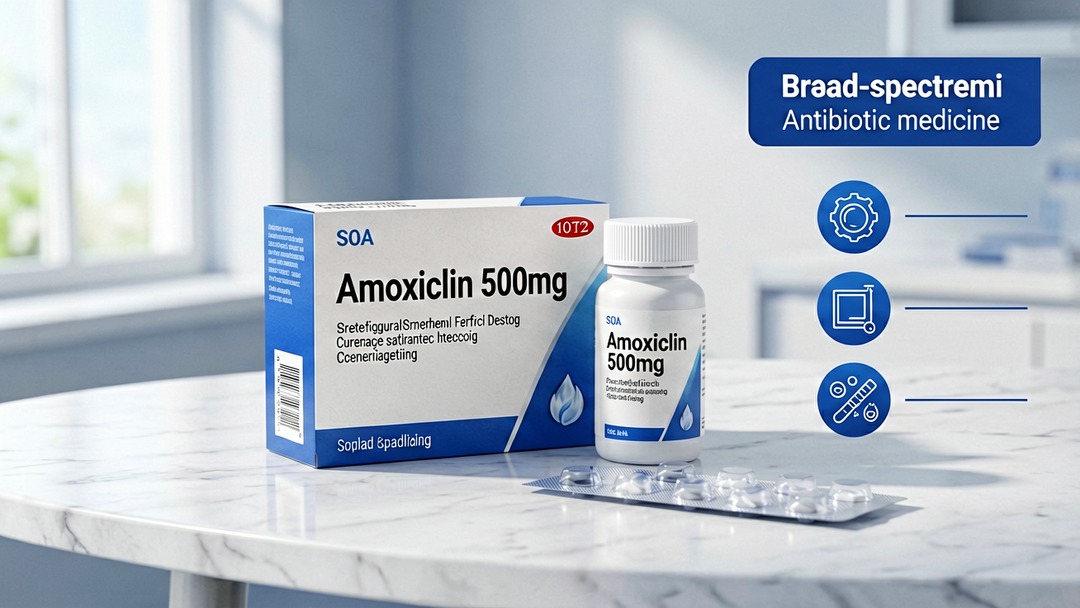
Amoxicillin is a cornerstone penicillin-class antibiotic and one of the most frequently prescribed medications on the planet. Trusted for decades across pediatric and adult care, it remains a first-line therapy for ear infections, strep throat, urinary tract infections, and many other common bacterial illnesses. This guide explains what amoxicillin is, how it works, how to dose the common 500 mg strength, what side effects to watch for, and how generic availability keeps treatment accessible and affordable.
This article is informational only. Diagnosis, the correct antibiotic, and the right duration must come from a licensed healthcare provider.
What Is Amoxicillin?
Amoxicillin is an amino-penicillin, a beta-lactam antibiotic related to ampicillin but with improved oral absorption. It belongs to the same family as penicillin and works against a broad spectrum of gram-positive and some gram-negative bacteria. It is sold under brand names such as Amoxil and Trimox, but the molecule in approved generic capsules, tablets, and suspensions is therapeutically equivalent.
Because it is well tolerated, palatable in liquid form, and inexpensive to manufacture, amoxicillin is a backbone of outpatient antibiotic therapy worldwide and appears on the World Health Organization’s List of Essential Medicines.
Mechanism of Action
Amoxicillin inhibits bacterial cell wall synthesis. It binds to penicillin-binding proteins (PBPs) involved in the final cross-linking step of peptidoglycan—the mesh that gives bacterial cells their structural integrity. Unable to build a stable wall, the growing bacterium swells and ruptures. This action is bactericidal against susceptible organisms.
Amoxicillin’s usefulness is limited by bacterial beta-lactamase enzymes that chemically destroy the drug. For infections where beta-lactamase producers are likely, clinicians often pair it with clavulanate (as in amoxicillin-clavulanate) to protect it from breakdown.
Common Uses
- Acute otitis media (middle ear infection), especially in children
- Streptococcal pharyngitis (strep throat)
- Sinusitis and some lower respiratory infections
- Uncomplicated urinary tract infections
- Helicobacter pylori eradication (in combination therapy)
- Skin and soft tissue infections caused by susceptible bacteria
- Lyme disease (early localized disease, in some guidelines)
As with all antibiotics, amoxicillin is ineffective against viruses and should not be used for colds or flu.
Dosage: The 500 mg Strength
Amoxicillin 500 mg is among the most common adult strengths. Dosing depends on the infection’s severity and site. The table below summarizes typical adult regimens; pediatric doses are weight-based and differ.
| Indication (Adults) | Typical 500 mg Regimen | Frequency |
|---|---|---|
| Moderate respiratory / ENT infections | 500 mg | Every 8 hours (or 875 mg every 12h) |
| Uncomplicated UTI | 500 mg | Every 8 hours for 7 days |
| H. pylori eradication (part of combo) | 1,000 mg | Every 12 hours (with other agents) |
| Skin/soft tissue (mild) | 500 mg | Every 8 hours |
Complete the full prescribed course even if symptoms improve early. Stopping prematurely can allow resistant bacteria to survive and cause relapse.
Comparison: Amoxicillin vs Alternatives
| Attribute | Amoxicillin | Azithromycin | Amoxicillin-Clavulanate |
|---|---|---|---|
| Class | Penicillin | Macrolide | Penicillin + inhibitor |
| Typical course | 7–10 days | 3–5 days | 7–10 days |
| Beta-lactamase coverage | No | N/A | Yes |
| Penicillin allergy safe? | No | Yes | No |
| GI tolerability | Good | Fair | Fair–lower |
The table highlights why amoxicillin is often the default when there is no penicillin allergy and why alternatives are selected for allergic patients or beta-lactamase-producing infections.
Side Effects & Safety
Amoxicillin is generally safe, but adverse effects can occur:
- Diarrhea, nausea, and vomiting (most common)
- Maculopapular rash, especially in patients with mononucleosis
- Allergic reactions ranging from mild rash to anaphylaxis (seek emergency care)
- C. difficile–associated diarrhea with prolonged use
- Rare: serum sickness-like reactions, liver enzyme changes
A documented penicillin allergy is a firm contraindication. Tell your provider about any prior reaction to penicillins, cephalosporins, or carbapenems.
Generic Pricing (±10% Typical Retail Ranges)
Amoxicillin is manufactured by numerous WHO-GMP–certified generic producers globally, which makes it one of the most cost-effective antibiotics available. The ranges below reflect typical retail variability and are approximate, not exact quotes.
- Generic amoxicillin 500 mg capsule/tablet (per unit): approximately $0.10–$0.40
- Generic amoxicillin 250 mg (per unit): approximately $0.08–$0.30
- Brand-name Amoxil 500 mg (per unit) at US retail pharmacies: approximately $0.80–$2.50
- Pediatric suspension (bottle, 100 mL) generic: approximately $5–$18
For patients comparing options, generic amoxicillin delivers the identical active molecule at a small fraction of brand pricing. To explore more medication guides across our catalog, visit the Medicines category page.
Decision Guide
Amoxicillin is usually appropriate for confirmed or strongly suspected susceptible bacterial infections in patients without a penicillin allergy. It is not the right choice for viral illnesses, for patients with beta-lactamase-producing organisms (unless combined with clavulanate), or for anyone with a history of anaphylactic penicillin reaction. A clinician’s assessment remains essential.
Frequently Asked Questions
Can I take amoxicillin if I am allergic to penicillin?
No. A true penicillin allergy is a contraindication to amoxicillin, and cross-reactivity with other beta-lactams is possible. Inform your prescriber so an alternative such as azithromycin or doxycycline can be considered.
What should I do if I miss a dose?
Take the missed dose as soon as you remember, unless it is nearly time for the next one. Do not double up. Consistent spacing helps maintain effective blood levels.
Does amoxicillin expire or lose potency?
Like all antibiotics, amoxicillin has a labeled expiration date and should not be used beyond it. Liquid suspensions are especially time-sensitive and typically expire within 14 days of preparation—discard any leftover.
Can amoxicillin cause yeast infections?
Yes, by disrupting normal bacterial flora, amoxicillin can sometimes allow Candida overgrowth, causing oral thrush or vaginal yeast infection. Report persistent itching or white patches to your provider.
Clinical Evidence & Real-World Effectiveness
Amoxicillin’s efficacy is well established across decades of pediatric and adult practice. In acute otitis media, appropriate amoxicillin courses resolve symptoms in approximately 80–90% of children, though rising resistant S. pneumoniae rates in some regions have prompted high-dose regimens. For group A streptococcal pharyngitis, a full 10-day course eradicates the organism in roughly 90–95% of cases and reduces the risk of rheumatic fever. In uncomplicated urinary tract infections, cure rates with standard dosing typically fall in the 85–95% range. These outcomes explain why amoxicillin remains a guideline-endorsed first-line agent where susceptibility is likely.
Drug Interactions
Amoxicillin has few direct metabolic interactions, but several practical considerations matter:
- Oral contraceptives: Although large studies show no consistent failure rate, some guidelines advise backup contraception during antibiotic-associated diarrhea, as gut flora disruption is the theoretical concern.
- Warfarin: Rarely, amoxicillin may enhance anticoagulant effect; monitor INR if concurrent.
- Allopurinol: Increases rash risk when combined with amoxicillin, particularly in children.
- Probenecid: Reduces renal excretion of amoxicillin, raising blood levels—sometimes used intentionally in specific protocols.
Review all chronic medications with your prescriber before starting a course.
Special Populations
- Pregnancy: Amoxicillin is widely used and generally considered safe when indicated (category B historically); always confirm with an obstetric provider.
- Breastfeeding: Minimal amounts enter milk; usually compatible, though infant diarrhea or rash is possible.
- Infants & children: Weight-based liquid suspension is standard; use the provided dosing syringe accurately.
- Renal impairment: Dose reduction may be needed in significant kidney disease; elderly patients often require review.
Antibiotic selection in these groups should always be guided by a clinician familiar with the patient’s history.
Practical Patient Tips
Simple habits improve both safety and outcomes with amoxicillin. Store capsules and tablets in a cool, dry place, and refrigerate liquid suspension only if the label directs it—discard any leftover suspension after the labeled short window (often 14 days) because it loses potency. Shake liquid formulations well before measuring, and use the provided syringe or dosing cup rather than a kitchen spoon for accuracy. If a rash, facial swelling, or difficulty breathing appears, stop the drug and seek urgent care, as these may signal allergy. Never share your prescription with others, and do not use a previously prescribed course for a new illness. Responsible use protects both your health and community antibiotic effectiveness.
When to Seek Medical Care
Seek prompt medical attention if you develop signs of a serious allergic reaction (hives, swelling of the face or throat, wheezing, or difficulty breathing), severe or bloody diarrhea, or a rash with fever or joint pain. Less urgent but worth reporting are persistent vomiting, worsening symptoms after 48–72 hours on therapy, or new symptoms that concern you. Antibiotic treatment should be reassessed if the infection appears to spread or fails to improve, as this may indicate resistant organisms or an incorrect diagnosis. Timely communication with a clinician helps prevent complications and ensures the right therapy.
Medical Disclaimer
This content is provided for general educational purposes only and is not a substitute for professional medical advice, diagnosis, or treatment. Individual responses to medication vary. Always consult a licensed healthcare provider before starting, stopping, or modifying any antibiotic. The price ranges listed are approximate retail estimates that vary by pharmacy, region, dosage form, and manufacturer; they are not offers or guaranteed prices, and no specific pharmacy or website is endorsed. Misuse of antibiotics contributes to resistance—use only under medical supervision.
References
- U.S. Food and Drug Administration (FDA). Amoxicillin prescribing information and label.
- Infectious Diseases Society of America (IDSA). Guidelines for acute otitis media and sinusitis.
- World Health Organization (WHO). Model List of Essential Medicines.
- Cochrane reviews on amoxicillin for acute otitis media and UTI.
- UpToDate. Amoxicillin: Drug information and patient education.
- CDC. Outpatient antibiotic stewardship resources.