What Is Clindamycin?
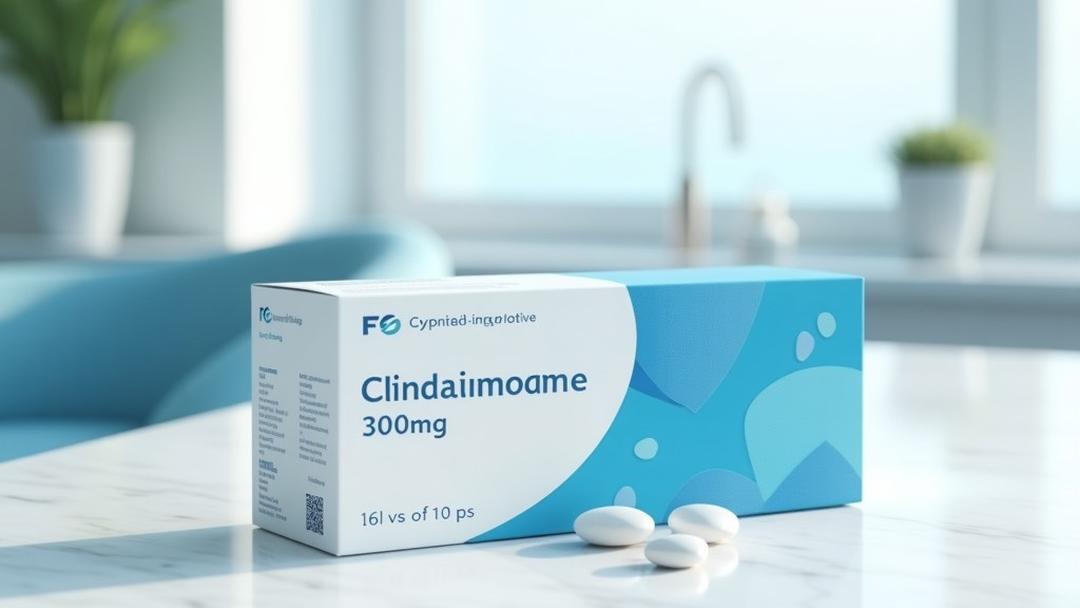
Clindamycin is a lincosamide antibiotic derived from lincomycin. It works by binding to the 50S subunit of the bacterial ribosome and inhibiting protein synthesis, which stops susceptible bacteria from growing. Because of its excellent bone and soft-tissue penetration, clindamycin has remained a mainstay for skin and soft-tissue infections, certain dental infections, and as an alternative for patients allergic to beta-lactam antibiotics.
Clindamycin is available as capsules, oral solution, topical lotions and gels, and intravenous injection. The brand names most familiar to patients include Cleocin and Dalacin. Generic clindamycin is manufactured worldwide, including by Cipla, Sun, and Mylan.
How Clindamycin Works (Mechanism of Action)
Clindamycin is bacteriostatic at typical doses and can be bactericidal at higher concentrations. It blocks bacterial protein synthesis by binding near the peptidyl transferase center of the 50S ribosomal subunit, preventing peptide chain elongation. This action is particularly effective against anaerobic bacteria and many Gram-positive organisms such as Staphylococcus aureus and Streptococcus species.
One important nuance: clindamycin does not reliably eradicate group A Streptococcus from the throat and is therefore not a first-choice agent for strep throat. Its real strengths lie in anaerobe coverage and skin infections.
What Clindamycin Is Used For
- Acne vulgaris: topical clindamycin is a first-line agent, often combined with benzoyl peroxide to reduce resistance.
- Skin and soft-tissue infections: especially caused by methicillin-sensitive Staph aureus.
- Dental and oropharyngeal infections: anaerobic coverage for abscesses.
- Bacterial vaginosis: oral or vaginal formulations.
- Alternative in penicillin-allergic patients: for certain respiratory and soft-tissue infections.
Dosage Guidelines
| Formulation / Indication | Typical Adult Dose | Notes |
|---|---|---|
| Oral capsules (general) | 150–300 mg every 6–8 hours | Max ~1.8–2.7 g/day |
| Acne (topical) | Apply thin layer once or twice daily | Combine with benzoyl peroxide |
| Severe infection (IV) | 600–900 mg every 8 hours | Hospital setting |
| Bacterial vaginosis (oral) | 300 mg twice daily | 7 days |
Oral clindamycin should be taken with a full glass of water and, ideally, with food to reduce gastrointestinal upset.
Clinical Evidence & Guidelines
For acne, the 2016 guidelines from the American Academy of Dermatology recommend topical clindamycin as a core component of combination therapy, almost always paired with benzoyl peroxide or a retinoid to limit the emergence of resistant Propionibacterium acnes. For skin and soft-tissue infections, the Infectious Diseases Society of America (IDSA) notes clindamycin as a useful option in patients with beta-lactam allergy, given its reliable coverage of community-associated methicillin-resistant Staphylococcus aureus (CA-MRSA) in many regions.
Clindamycin vs. Other Acne & Skin Antibiotics
| Agent | Class | Main Use | Resistance Concern |
|---|---|---|---|
| Clindamycin (topical) | Lincosamide | Acne, skin infections | Moderate; mitigated by benzoyl peroxide |
| Erythromycin (topical) | Macrolide | Acne | Higher cross-resistance |
| Doxycycline (oral) | Tetracycline | Moderate-severe acne | Photosensitivity |
| Amoxicillin | Penicillin | Broad bacterial infections | Allergy common |
Drug Interactions
- Neuromuscular blocking agents (used in surgery) may have enhanced effects — inform anaesthetists if you take clindamycin.
- Kaolin-pectin antidiarrheals and antacids can reduce oral absorption; separate doses by at least two hours.
- Macrolides and chloramphenicol share ribosomal mechanisms and should generally not be combined.
Generic Pricing in India vs. US Brand
The ranges below are estimates only and vary by pharmacy, strength, pack size, and exchange rate.
- Indian generic clindamycin 300 mg capsule (pack of 10): approximately $1.40–$2.00.
- US brand Cleocin 300 mg capsule (pack of 16): roughly $90–$240 depending on pharmacy.
- US generic clindamycin 300 mg (pack of 30): about $12–$45 at large retail chains.
- Topical clindamycin 1% gel (30 g): generic equivalents often $8–$30 versus $40–$110 branded.
For patients managing chronic conditions like acne, the cumulative saving from affordable medication solutions can be substantial over a year. See our Pharmaceuticals section for more treatment guides, and our Spironolactone guide for complementary hormonal acne options.
Side Effects & Safety — The C. diff Warning
The most serious risk with oral clindamycin is Clostridioides difficile-associated diarrhea (CDAD), a potentially life-threatening colitis. Clindamycin’s broad gut flora disruption makes it a recognized high-risk antibiotic for this complication. Patients must stop the drug and seek care if they develop watery or bloody diarrhea with fever or abdominal pain.
Other common effects include nausea, vomiting, metallic taste, and rash. Topical clindamycin is far safer systemically but can cause local dryness or irritation.
Who Should Use With Caution
- Patients with a history of antibiotic-associated colitis.
- Those with significant liver disease (dose review needed).
- Infants under 1 month (association with necrotizing enterocolitis).
Patient Experience & Practical Tips
For acne, consistency beats intensity: applying topical clindamycin at the same times each day, and always layering benzoyl peroxide, gives the best resistance profile. Oral users should take doses with food and a full glass of water, and should never use leftover antibiotics from a previous course without a current prescription. If loose stools appear, patients should pause the medication and contact a clinician rather than waiting.
Frequently Asked Questions
Why is clindamycin linked to diarrhea?
Oral clindamycin disrupts normal gut bacteria, allowing C. difficile to overgrow and release toxins that cause severe colitis. Any new diarrhea on the drug warrants immediate medical review.
Can I use clindamycin for acne long term?
Topical clindamycin is used for months, but guidelines recommend pairing it with benzoyl peroxide to limit resistance. Continuous oral clindamycin for acne is discouraged because of C. difficile risk.
Is clindamycin safe if I am allergic to penicillin?
Often yes — clindamycin is structurally unrelated to penicillins and is a common alternative. However, always confirm the allergy history with a prescriber.
What happens if I miss a dose?
Take the missed dose when remembered unless close to the next one. Do not take two doses at once.
How to Take Clindamycin Correctly
Oral clindamycin capsules should be swallowed whole with a full glass of water and, ideally, with food to minimize stomach upset. Patients should remain upright for at least 30 minutes after each dose to reduce the chance of oesophageal irritation. Because antacids, kaolin-pectin preparations, and calcium or iron supplements bind clindamycin in the gut, they should be taken at least two hours apart from the antibiotic. For acne, topical clindamycin is applied in a thin layer to clean, dry skin once or twice daily; a pea-sized amount is usually enough for the whole face. Combination with benzoyl peroxide — either in the same product or as a separate step — is strongly recommended to prevent resistant bacterial strains. Patients should finish the entire prescribed course and never save leftover oral antibiotics for future self-treatment.
Storage and Handling
Keep clindamycin capsules and oral solution at room temperature (20°C–25°C / 68°F–77°F), protected from light and moisture. The oral liquid, when dispensed, often requires refrigeration and has a limited shelf life — follow the label precisely. Topical preparations should be stored with the cap tightly closed and kept away from excessive heat. As with all antibiotics, keep out of the reach of children, and discard any product that has changed color, consistency, or smell. Never share a prescription with another person, even if symptoms seem similar.
Special Populations
Elderly patients may have reduced liver or kidney function and a higher background risk of C. difficile colitis, so benefit and risk should be reviewed carefully. Patients with liver disease may need dose adjustment and monitoring of liver enzymes during prolonged therapy. Infants under one month are generally excluded from clindamycin because of a reported association with necrotizing enterocolitis. Pregnant and breastfeeding women should use clindamycin only when clearly indicated, as the drug crosses the placenta and enters milk; the decision rests with the prescriber weighing maternal need against fetal or infant exposure.
More Frequently Asked Questions
Can clindamycin treat a urinary tract infection?
Clindamycin has poor coverage of the typical UTI organisms (especially Gram-negative rods such as E. coli), so it is generally not a recommended UTI antibiotic. A urine culture guides the correct choice.
How long until topical clindamycin clears acne?
Most people see meaningful improvement after 8–12 weeks of consistent use; acne treatments take time because they work on the cycle of blocked pores and inflammation, not just existing spots.
Key Takeaways
Clindamycin remains a valuable tool for acne and for skin, dental, and soft-tissue infections — especially when penicillin allergy rules out first-line beta-lactams. Its strength is reliable coverage of Staph and anaerobes, but that same breadth is why oral use carries a real Clostridium difficile risk that should never be ignored. For acne, the evidence is clear that topical clindamycin works best as part of combination therapy with benzoyl peroxide, which protects against resistance and improves clearance. Price is no barrier to access: generic clindamycin is among the most affordable antibiotics worldwide, with Indian packs often a small fraction of US brand pricing. The practical rule is simple — use the right formulation for the right infection, finish the course, watch your gut, and keep your prescriber in the loop.
Medical Disclaimer
This material is provided for educational purposes only and is not a substitute for professional medical advice. Antibiotic use must be guided by a licensed prescriber, especially given the risk of C. difficile colitis. Prices fluctuate by supplier, country, pack size, and strength; all figures above are estimates, not offers. Consult your physician or pharmacist before starting or stopping any medicine.