What Is Citalopram (Celexa)?
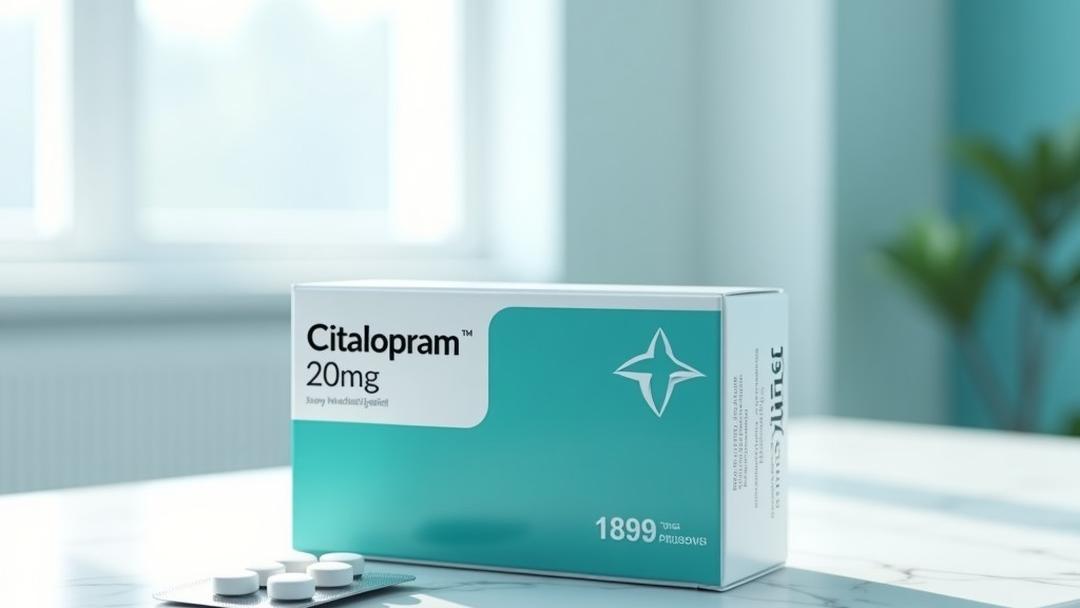
Citalopram is a selective serotonin reuptake inhibitor (SSRI) antidepressants used to treat major depressive disorder (MDD) in adults. Sold as the brand Celexa (Forest/GlaxoSmithKline), it is valued for a comparatively clean side-effect profile and once-daily dosing. An S-enantiomer version exists as escitalopram, but citalopram remains widely used and cost-effective.
First approved by the FDA in 1998, citalopram has a long track record in both primary-care and psychiatric settings for mild-to-moderate depression.
How Citalopram Works (Mechanism of Action)
Depression is linked to reduced serotonergic neurotransmission. Citalopram blocks the serotonin transporter (SERT) on presynaptic neurons, decreasing reuptake of serotonin into the neuron and increasing its availability in the synaptic cleft. Over 2–4 weeks, this adaptive change improves mood, sleep, appetite, and energy.
Unlike older tricyclic antidepressants, citalopram has minimal effect on histamine, acetylcholine, and norepinephrine receptors — which explains its lower anticholinergic and sedative burden.
Citalopram is a racemic mixture containing both R- and S-enantiomers, but the S-enantiomer carries most of the serotonin-reuptake inhibition. This is why the related drug escitalopram (the purified S-enantiomer) is effective at roughly half the milligram dose. Citalopram’s selectivity for SERT over other monoamine transporters is among the highest of the SSRIs, contributing to its relatively clean side-effect profile.
Approved Uses & Indications
- Major depressive disorder (adults; off-label use in geriatric and anxiety contexts is common but not FDA-approved for anxiety).
- Sometimes used off-label for generalized anxiety, OCD, and neuropathic pain, though other SSRIs/SNRIs have stronger evidence here.
Depression severity guides treatment choice. For mild depression, guidelines often recommend psychotherapy first; citalopram and other SSRIs become first-line when depression is moderate-to-severe, recurrent, or unresponsive to talk therapy. A typical course runs 6–12 months for a first episode to consolidate remission and reduce relapse risk, with longer continuation for recurrent illness. Because response is not immediate, clinicians usually reassess at 4–8 weeks before concluding a trial has failed — and switching or augmenting should occur only after an adequate dose and duration.
Dosage Guidelines
| Population | Starting Dose | Target / Max |
|---|---|---|
| Adults (<60 yr) | 20 mg × 1/day | Max 40 mg/day |
| Adults ≥60 yr | 20 mg × 1/day | Max 20 mg/day (QT risk) |
| Hepatic impairment | 20 mg × 1/day | Max 20 mg/day |
| With CYP2C19 inhibitors | — | Max 20 mg/day |
Dose adjustments should occur at intervals of at least 1 week. Tablets may be taken with or without food, preferably at the same time each day.
Citalopram vs. Other SSRIs
| Feature | Citalopram | Escitalopram | Sertraline | Fluoxetine |
|---|---|---|---|---|
| Max adult dose | 40 mg | 20 mg | 200 mg | 80 mg |
| Sedation | Low-moderate | Low | Low | Low (activating) |
| Sexual side effects | Common | Common | Common | Common |
| Half-life | ~35 hr | ~30 hr | ~26 hr | ~4–6 days |
| Withdrawal risk | Moderate | Moderate | Moderate | Low (long half-life) |
Cost & Generic Pricing (India & U.S.)
Citalopram is off-patent globally and among the least expensive antidepressants. Indian generic manufacturers supply it at very low cost, and U.S. generics are likewise inexpensive.
| Product | U.S. Brand Price (30 tabs) | Generic / India-Sourced Price (30 tabs) |
|---|---|---|
| Celexa 20 mg (brand) | $290–$420 | — |
| Citalopram 20 mg (U.S. generic) | $4–$22 | — |
| Citalopram 20 mg (India generic) | — | $2–$8 |
| Citalopram 10 mg (India generic) | — | $2–$6 |
The ranges reflect typical retail and international-supply estimates and vary by pharmacy, strength, and quantity. For related treatment options, see our complete antidepressants guide.
Side Effects & Safety Profile
Very common (early weeks):
- Nausea, dry mouth, drowsiness
- Insomnia or vivid dreams
- Sweating, mild tremor
- Sexual dysfunction (reduced libido, delayed orgasm)
Less common but important: weight changes, hyponatremia (low sodium, especially in elderly), bleeding risk with NSAIDs/aspirin, and QT prolongation at higher doses (hence the 20 mg/day cap in older adults).
Black-Box Warning & Patient Experience
Like all antidepressants, citalopram carries an FDA black-box warning for increased risk of suicidal thinking and behavior in people under 24, especially during the first 1–2 months. Patients and families should watch for worsening mood, agitation, or new self-harm thoughts and contact a clinician immediately.
From a patient-experience standpoint, citalopram is often described as “gentle” — fewer sedation and anticholinergic effects than older drugs — but the initial 2–4 week lag before benefit and sexual side effects are the most common reasons for discontinuation.
Who Should Avoid Citalopram
- Concurrent use of MAO inhibitors (14-day washout required)
- Known QT prolongation or congenital long-QT syndrome
- Adults ≥60 at doses above 20 mg/day
- Known hypersensitivity
Special Populations
- Elderly: More prone to hyponatremia and QT effects; use the lower 20 mg/day cap and monitor sodium.
- Liver impairment: Reduced metabolism raises levels; cap at 20 mg/day and watch for side effects.
- Pregnancy & breastfeeding: SSRIs cross the placenta and appear in breast milk; the decision requires individualized risk-benefit counseling.
- Adolescents (under 18): Not FDA-approved for pediatric depression; use only under specialist supervision with the black-box warning in mind.
- Cardiac history: Baseline ECG if risk factors for QT prolongation exist; avoid doses above recommended maxima.
Drug Interactions
- MAOIs, linezolid, methylene blue – serotonin syndrome risk
- Tramadol, triptans, other serotonergic drugs – additive serotonin syndrome risk
- CYP2C19 inhibitors (omeprazole, fluconazole) – raise citalopram levels
- NSAIDs / antiplatelets – increased bleeding risk
- Alcohol – additive CNS depression and mood worsening
Clinical Evidence & Guidelines
Citalopram’s efficacy in major depressive disorder is supported by numerous placebo-controlled trials and meta-analyses. In head-to-head comparisons it performs comparably to other SSRIs for response and remission, with a side-effect burden that many clinicians consider favorable. Placebo response in depression trials is high (often 30–40%), so measured benefits — typically a 15–25% greater response versus placebo over 6–8 weeks — should be interpreted against that background. Major treatment guidelines (APA, NICE, CANMAT) list SSRIs including citalopram as first-line pharmacotherapy for MDD because of their favorable risk-benefit ratio versus tricyclics.
Monitoring & Follow-Up
- Baseline & follow-up assessment – mood, sleep, function, and suicidal ideation, especially in under-24s during the first 1–2 months.
- Electrolytes (sodium) – if confusion or weakness appears, to rule out hyponatremia.
- ECG – consider if cardiac risk factors exist or doses approach the upper limit, given QT considerations.
- Regular review at 2, 4, and 8 weeks – to confirm adherence and response before long-term continuation.
Patient Experience & Practical Tips
Starting an SSRI is a commitment measured in weeks, not days. Patients commonly report: week 1 — nausea or jitteriness; weeks 2–3 — sleep and energy begin to lift; weeks 4–6 — mood and interest improve. Practical guidance:
- Set realistic expectations — benefit is gradual; early side effects often fade.
- Pair with therapy — combination with psychotherapy (CBT) improves outcomes versus medication alone.
- Keep a mood log — tracking sleep, appetite, and mood helps detect both response and warning signs.
- Involve a trusted person — ask them to notice mood changes you might miss, given the black-box warning.
- Storage — room temperature, away from light and moisture; keep out of reach of children.
Safe Discontinuation
To minimize discontinuation syndrome (dizziness, “brain zaps,” irritability), taper gradually over several weeks rather than stopping abruptly, under clinician guidance. A common approach reduces the dose by 10 mg (or 5 mg if needed) every 1–2 weeks, slowing the taper further if symptoms emerge — especially after long-term or high-dose use.
Frequently Asked Questions
How soon will I feel better?
Physical side effects often appear in the first week, but antidepressant benefit typically builds over 2–4 weeks, with full effect by 6–8 weeks.
Can I drink alcohol on citalopram?
Alcohol can worsen depression and increase drowsiness; moderation or avoidance is advised, especially early in treatment.
What if I miss a dose?
Take it when remembered unless close to the next dose; do not double. Occasional missed doses are usually fine.
Is citalopram addictive?
It is not addictive in the substance-use sense, but the body adapts — so stopping abruptly can cause withdrawal-like symptoms, not craving.
Can it be used during pregnancy?
SSRIs require careful risk-benefit discussion with an obstetrician; some are preferred in pregnancy. Citalopram should be used only if clearly needed.
Medical Disclaimer
This article is for informational purposes only and does not constitute medical advice. Antidepressant therapy involves serious safety considerations and must be managed by a licensed healthcare provider. Prices are estimated ranges varying by pharmacy, country, strength, and quantity and are not exact quotes. If you have thoughts of self-harm, contact local emergency services or a crisis line immediately. Never start, stop, or change psychiatric medication without professional supervision, and review the full prescribing information.