Sertraline (Zoloft) Guide: Uses, Dosage, Side Effects & Affordable Generic Options for Depression & Anxiety
Selective serotonin reuptake inhibitors (SSRIs) are among the most widely prescribed psychiatric medications in the world, and sertraline is consistently ranked near the top of that list. Marketed under the brand name Zoloft and available as a low-cost generic, sertraline is a first-line treatment for major depressive disorder, panic disorder, social anxiety disorder, obsessive-compulsive disorder (OCD), post-traumatic stress disorder (PTSD), and premenstrual dysphoric disorder (PMDD). This guide explains how sertraline works, what doses are typical, what side effects to expect, how it compares with other antidepressants, and what patients realistically pay for treatment.
What Is Sertraline?
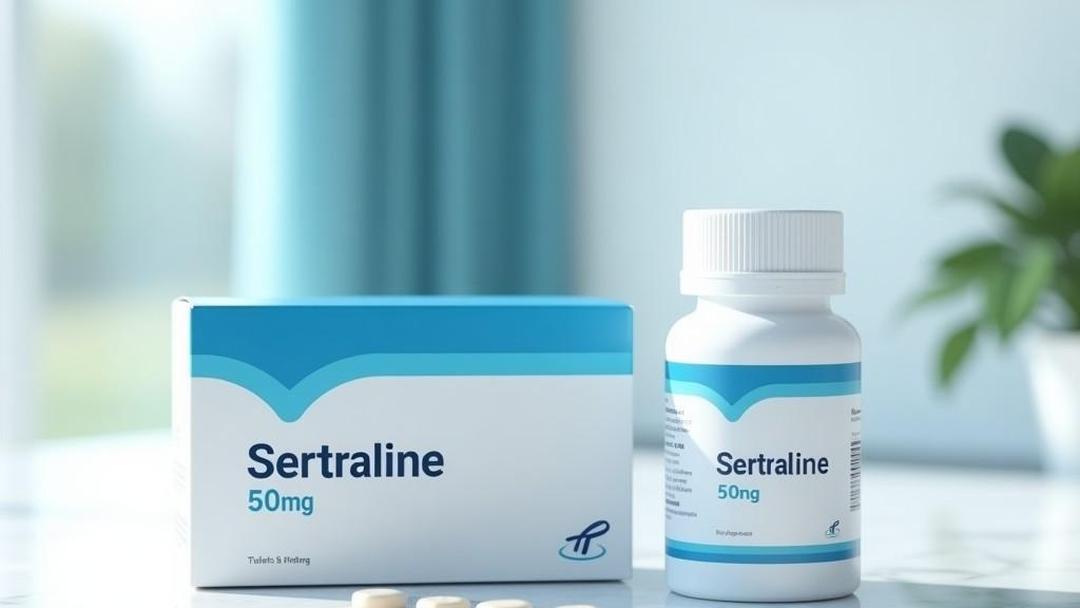
Sertraline is an SSRI that increases the availability of serotonin in the synaptic cleft by blocking its reabsorption (reuptake) into the presynaptic neuron. Serotonin is a neurotransmitter involved in mood, sleep, appetite, and anxiety regulation. By keeping more serotonin available, sertraline helps restore a more balanced neurochemical environment. It is supplied as film-coated tablets in strengths of 25 mg, 50 mg, and 100 mg, and as an oral concentrate. The generic version is bioequivalent to the branded product and is approved by the U.S. FDA and other major regulators.
Mechanism of Action
Unlike older antidepressants such as tricyclic agents, sertraline is highly selective for the serotonin transporter (SERT). This selectivity is why it produces fewer anticholinergic and cardiovascular side effects. The clinical antidepressant effect, however, is not immediate: serotonin levels rise within hours, but measurable mood improvement usually requires 2–6 weeks of continuous dosing as downstream receptor adaptations occur. Patients should be advised not to judge effectiveness in the first week.
Approved Uses
- Major depressive disorder (MDD) in adults and pediatric patients aged 6 and older.
- Obsessive-compulsive disorder (OCD), including children aged 6+.
- Panic disorder, with or without agoraphobia.
- Social anxiety disorder (social phobia).
- Post-traumatic stress disorder (PTSD).
- Premenstrual dysphoric disorder (PMDD), dosed continuously or luteal-phase only.
Dosage & Administration
Sertraline is taken once daily, with or without food. It has a long half-life (roughly 24–26 hours for sertraline, and longer for its active metabolite), which makes missed-dose management forgiving. Typical schedules:
| Indication | Starting dose | Target / max dose |
|---|---|---|
| MDD (adults) | 50 mg once daily | Target 50–100 mg; max 200 mg/day |
| OCD (adults) | 50 mg once daily | Max 200 mg/day |
| Panic / Social anxiety | 25 mg once daily (week 1) | Increase to 50 mg; max 200 mg/day |
| PTSD | 25 mg once daily | Target 50 mg; max 200 mg/day |
| PMDD | 50–150 mg daily or luteal-phase | Individualized |
| Geriatric | 25–50 mg once daily | Titrate slowly |
Dose changes should be separated by at least one week. Because sertraline can interact with many drugs, a clinician should review the full medication list before initiating therapy.
Side Effects & Safety
Most side effects are mild and transient, peaking in the first 1–2 weeks:
- Very common: nausea, diarrhea, insomnia, dry mouth, fatigue, sexual dysfunction (delayed orgasm, reduced libido).
- Common: dizziness, tremor, sweating, appetite changes.
- Less common but serious: serotonin syndrome (especially with other serotonergic drugs), hyponatremia in older adults, bleeding risk when combined with NSAIDs or anticoagulants, angle-closure glaucoma in susceptible patients.
Black-box warning: Like all antidepressants, sertraline carries an FDA boxed warning for increased risk of suicidal thoughts and behavior in children, adolescents, and young adults (up to age 24) during initial treatment. Close monitoring is essential in the first weeks.
Discontinuation: Abrupt stopping can cause dizziness, sensory “zaps,” irritability, and flu-like symptoms. Taper gradually under medical supervision.
Sertraline vs. Other Antidepressants
| Feature | Sertraline | Escitalopram | Fluoxetine |
|---|---|---|---|
| Class | SSRI | SSRI | SSRI |
| Half-life | ~26 h | ~30 h | Long (active metabolite days) |
| Sexual side effects | Common | Common | Common |
| Notable use | OCD, PTSD, PMDD | GAD, MDD | MDD, bulimia |
| Withdrawal profile | Moderate | Moderate | Mildest (long half-life) |
India Generic Pricing & Cost Comparison
Generic sertraline is one of the most affordable psychiatric medications globally. In India, a one-month supply of 50 mg once-daily generic sertraline typically ranges from $3–$7 USD (₹250–₹600), while 100 mg daily regimens generally fall between $5–$12 USD per month. In the United States, the branded product (Zoloft) commonly costs $180–$400 USD per month without insurance, whereas U.S. generic sertraline usually ranges from $9–$40 USD at major retail pharmacies. Prices vary by pharmacy, dosage, and insurance coverage, so these figures are estimates rather than quotes.
For patients comparing cost-effective treatment options, browse our antidepressants product category to review available generic formulations and strengths.
Decision Guide: Is Sertraline Right for You?
- Choose sertraline if you need broad-label coverage (OCD, PTSD, PMDD) and tolerate once-daily dosing.
- Consider escitalopram if anxiety-predominant and you prefer a slightly simpler side-effect profile.
- Avoid or use caution with St. John’s wort, MAO inhibitors, linezolid, or pimozide combinations.
- Discuss with your prescriber if you are pregnant, breastfeeding, or have a bleeding disorder.
Clinical Evidence & Guidelines
The efficacy of sertraline is supported by dozens of randomized controlled trials and several major meta-analyses. In major depressive disorder, response rates of 50–65% over 6–8 weeks are typical, with a number-needed-to-treat of roughly 6–7 versus placebo. For OCD, sertraline is one of only a few SSRIs with pediatric approval, and pooled data show a 20–30% reduction in Yale-Brown Obsessive Compulsive Scale scores. In PTSD, the CAPS total score improvement averages 20–30 points. International guidelines (APA, NICE, CANMAT) list sertraline as a first-line agent for depression and anxiety disorders because of its broad label, tolerability, and extensive post-marketing safety record. Real-world effectiveness is lower than trial efficacy when adherence is poor, which is why structured follow-up matters.
Drug Interactions & Clinical Evidence
Clinicians should screen for interactions before starting sertraline. Concomitant use with MAO inhibitors, linezolid, or intravenous methylene blue is contraindicated because of serotonin-syndrome risk. Combining sertraline with other serotonergic agents—such as tramadol, triptans, St. John’s wort, or SNRIs—requires caution and patient education about agitation, hyperthermia, and clonus. Sertraline mildly inhibits CYP2D6 and can raise levels of metoprolol, risperidone, and some tricyclics. The evidence base is substantial: large placebo-controlled trials and meta-analyses place sertraline among the best-tolerated SSRIs for depressive and anxiety spectrum disorders, and it is frequently recommended in treatment guidelines for its favorable risk-benefit profile across age groups.
Practical Tips for Patients
- Take at the same time each day to keep steady levels; morning dosing helps if insomnia appears.
- Keep a brief mood or symptom log for the first eight weeks to track gradual improvement.
- Do not stop suddenly—plan a taper with your prescriber if switching or discontinuing.
- Report any worsening mood, unusual thoughts, or restlessness to your clinician promptly.
Special Populations & Monitoring
In adolescents (age 6+ for OCD, age 6+ for MDD), dosing starts lower and increases gradually with careful suicide-risk monitoring. Older adults are more sensitive to hyponatremia and falls, so clinicians often begin at 25–50 mg and review sodium levels if symptoms such as confusion or headache appear. Patients with hepatic impairment may need reduced doses because sertraline is metabolized in the liver. During pregnancy, the decision balances maternal mental-health needs against neonatal adaptation risks; a prescriber should individualize this choice. Breastfeeding is generally considered compatible by many authorities, though infant exposure is possible. Routine follow-up at 2, 4, and 6 weeks helps confirm response and manage early side effects before they undermine adherence.
Adherence & Long-Term Outlook
Antidepressant adherence is the strongest predictor of remission. Simple measures such as automated refills, a visible pill box, and linking the dose to a daily habit improve continuation. Most guidelines recommend continuing an effective SSRI for at least 6 to 12 months after remission to prevent relapse, and longer in patients with recurrent illness. Patients who respond well often describe a gradual return of interest, energy, and sleep quality rather than a sudden mood shift. Communicating realistic timelines up front reduces early discontinuation, which is the main reason treatment appears to fail in practice.
When to Seek Help
Contact a clinician urgently forrash, swelling, severe restlessness, or any thoughts of self-harm. Mild nausea or sleep changes in week one usually settle and should not prompt abrupt discontinuation. Keeping a simple symptom diary improves the quality of follow-up visits and helps distinguish expected adjustment effects from concerning reactions.
FAQ
How long does sertraline take to work?
Some patients notice improved sleep or appetite in the first week, but the full antidepressant and anti-anxiety effect typically emerges after 4–6 weeks of consistent use. Do not stop early assuming it failed.
Can I drink alcohol while taking sertraline?
Alcohol can worsen depression and increase side effects such as drowsiness and impaired judgment. Most clinicians advise limiting or avoiding alcohol during treatment.
What should I do if I miss a dose?
Take it as soon as you remember unless it is close to the next dose. Do not double up. Because of the long half-life, an occasional missed dose is usually well tolerated.
Is generic sertraline as effective as brand-name Zoloft?
Yes. Generic sertraline must meet the same bioequivalence standards as the branded product, meaning the active ingredient, strength, and absorption are equivalent.
Medical Disclaimer
This article is for informational purposes only and does not constitute medical advice, diagnosis, or treatment. Medication prices fluctuate and vary by region, pharmacy, and insurance; the ranges shown are estimates. Always consult a licensed healthcare provider before starting, changing, or stopping any medication. In case of overdose or suspected serotonin syndrome, seek emergency care immediately.