
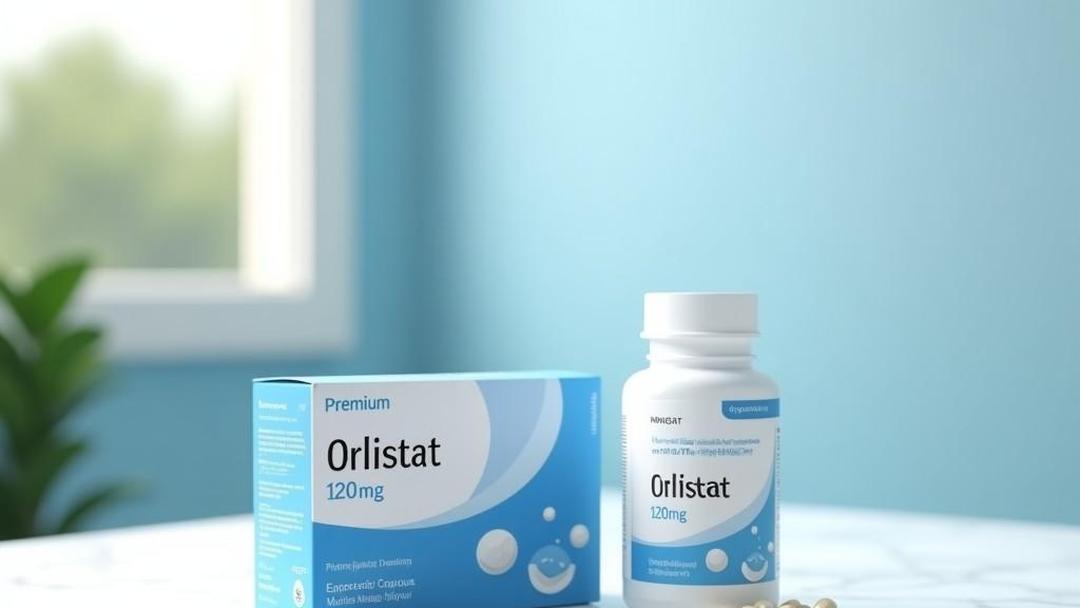
Orlistat (Xenical) Guide: Uses, Dosage, Side Effects & Affordable Generic Options for Weight Loss
Orlistat is the only weight-management medication approved by the U.S. FDA for over-the-counter (OTC) use, and it is also available at higher prescription strength under the brand name Xenical. Unlike appetite-suppressing drugs, orlistat works locally in the gut to block fat absorption, making it a mechanically simple and well-understood option for people who struggle to lose weight through diet and exercise alone. This guide covers how orlistat works, the correct dosing, the distinctive gastrointestinal side effects, how it compares with newer injectable options, and realistic cost expectations.
What Is Orlistat?
Orlistat is a lipase inhibitor. It binds irreversibly to gastric and pancreatic lipases—the enzymes that break dietary triglycerides into absorbable free fatty acids—preventing roughly 25–30% of ingested fat from being digested. That undigested fat passes through the intestines and is excreted in stool. It is supplied as 60 mg capsules (OTC, sold as Alli) and 120 mg capsules (prescription Xenical). Generic orlistat is widely manufactured and is chemically identical to the branded product.
Mechanism of Action
Because orlistat acts within the lumen of the stomach and intestine and is minimally absorbed into the bloodstream (less than 1% systemic exposure), it has virtually no central nervous system effects. This local action is why it avoids the cardiovascular and psychiatric risks seen with some other weight-loss agents. The trade-off is that its efficacy depends directly on the amount of dietary fat consumed: on a very low-fat diet the medication has less to block, and on a high-fat meal the unblocked fat produces pronounced gastrointestinal effects.
Approved Uses
- Weight management in overweight adults (BMI ≥ 28 kg/m²) or obese adults (BMI ≥ 30 kg/m²), alongside a reduced-calorie, lower-fat diet.
- Maintenance of weight loss after initial reduction.
- OTC 60 mg strength is intended for adults 18+; 120 mg prescription strength may be used in appropriate patients including some adolescents under supervision.
Dosage & Administration
Orlistat is taken as one capsule with each main meal containing fat, or up to one hour after the meal. The standard regimen is three 120 mg doses per day (or three 60 mg OTC doses). If a meal is skipped or contains no fat, the dose can be omitted.
| Product | Strength | Schedule |
|---|---|---|
| Xenical (Rx) | 120 mg | 1 capsule with each of 3 main meals |
| Alli (OTC) | 60 mg | 1 capsule with each of 3 main meals |
| Generic orlistat | 120 mg | Same as Xenical |
A fat intake of about 30% of total calories, spread across meals, is recommended to reduce side effects and support efficacy. A multivitamin containing fat-soluble vitamins (A, D, E, K) should be taken at bedtime, since orlistat can reduce their absorption.
Side Effects & Safety
The side-effect profile is dominated by the gut and is dose-dependent on dietary fat:
- Very common: oily spotting, flatulence with discharge, urgent bowel movements, fatty/oily stools, increased defecation.
- Common: abdominal discomfort, fecal incontinence (rare but reported), low blood sugar when combined with some diabetes drugs.
- Rare but serious: severe liver injury (hepatitis), kidney stones, reduced absorption of fat-soluble vitamins, cholestasis.
Side effects are usually manageable by lowering dietary fat intake. Patients on warfarin, cyclosporine, levothyroxine, or amiodarone need monitoring because orlistat can alter the absorption of these drugs.
Orlistat vs. Other Weight-Loss Options
| Feature | Orlistat | GLP-1 agonists (semaglutide/tirzepatide) |
|---|---|---|
| Route | Oral capsule | Injection |
| Mechanism | Intestinal fat blocker | Appetite & glucose regulation |
| Typical weight loss | ~3–4% of body weight over 1 yr | ~10–20% of body weight over 1 yr |
| Key side effects | Oily stools, GI | Nausea, vomiting, GI |
| Access | OTC 60 mg / Rx 120 mg | Prescription only |
Orlistat and GLP-1 drugs are not mutually exclusive in concept, but they work very differently; orlistat remains the most accessible entry-level pharmacological aid for modest, gradual loss.
India Generic Pricing & Cost Comparison
Generic orlistat 120 mg is inexpensive in India. A pack of 84 capsules (roughly one month at three-per-day) generally ranges from $9–$20 USD (₹750–₹1,700), while larger 3-month supplies often fall between $22–$48 USD. In the United States, branded Xenical 120 mg typically costs $360–$700 USD per month, whereas generic orlistat 120 mg at U.S. pharmacies usually ranges from $45–$110 USD monthly. OTC Alli (60 mg) runs about $50–$90 USD per month. These are estimate ranges; actual prices depend on pharmacy, quantity, and insurance.
To compare generic formulations and strengths, visit our weight-loss product category for an overview of available options.
Decision Guide
- Choose orlistat if you prefer a non-prescription, locally acting option and can commit to a lower-fat diet.
- Expect modest results (a few percent of body weight) rather than dramatic loss.
- Take a bedtime multivitamin to protect fat-soluble vitamin levels.
- Discuss with your doctor if you have chronic malabsorption, cholestasis, or take interacting medicines.
Clinical Evidence & Guidelines
The evidence for orlistat centers on the XENDOS trial (3,304 patients over four years) showing 2.7 kg greater weight loss than lifestyle counselling alone and a 37% relative risk reduction in progression to type 2 diabetes among higher-risk participants. Meta-analyses of shorter trials report 2.5–3 kg additional loss at one year. Major obesity guidelines (such as those from the Obesity Society and European associations) position orlistat as a useful adjunct when lifestyle change alone is insufficient, particularly for patients who prefer an oral, non-centrally-acting drug. Effects are strongest when total daily fat is capped near 30% of calories; above that threshold, gastrointestinal tolerability drops and adherence falls.
Drug Interactions & Clinical Evidence
Orlistat’s main interactions stem from reduced absorption of co-administered drugs and fat-soluble vitamins. Levothyroxine, amiodarone, cyclosporine, and warfarin may need dose adjustments or separated timing (levothyroxine is often taken at least four hours apart). Because orlistat lowers vitamin D and K status, a bedtime multivitamin is standard. Pivotal trials such as XENDOS showed that orlistat 120 mg plus lifestyle change produced roughly 2.7 kg greater weight loss than lifestyle alone at four years and delayed the onset of type 2 diabetes in higher-risk patients. Real-world results are more modest and depend heavily on dietary adherence.
Practical Tips for Patients
- Cap dietary fat at roughly 15 g per meal to minimize oily spotting and urgency.
- Take a multivitamin with A, D, E, and K at bedtime, separate from orlistat doses.
- Track weekly weight trends rather than daily fluctuations for a realistic picture.
- Pair the medication with a sustainable lower-calorie plan rather than short crash diets.
Special Populations & Monitoring
The OTC 60 mg strength is intended for adults with a BMI of at least 28 kg/m²; the prescription 120 mg strength may be appropriate for some adolescents under specialist supervision. Patients with chronic malabsorption syndromes or cholestasis should avoid orlistat because blocking fat absorption can worsen nutritional deficiency. Those on warfarin need INR monitoring after starting or stopping orlistat, since absorption of the anticoagulant can shift. Routine follow-up every few months assesses weight trend, blood pressure, and lipid or glucose markers, and confirms that a lower-fat eating pattern is sustainable. If weight loss stalls for more than three months, reconsider the overall plan with a clinician rather than increasing the dose above labeled limits.
Adherence & Long-Term Outlook
Sustained benefit from orlistat depends on pairing it with durable eating habits rather than temporary restriction. Patients who plan lower-fat meals in advance report fewer gastrointestinal surprises and steadier loss. Because the drug only blocks ingested fat, a return to a high-fat pattern both worsens side effects and negates the weight-loss advantage. Clinicians typically reassess at three and six months; if meaningful loss has not occurred, a different strategy may be more appropriate than dose escalation beyond label limits.
When to Seek Help
Seek urgent care for yellowing of the skin or eyes, dark urine, severe abdominal pain, or signs of an allergic reaction. Persistent oily incontinence or rectal bleeding should also prompt medical review. Most users adapt within weeks once dietary fat is reduced, so early discomfort is not a reason to abandon the medication without guidance.
FAQ
How much weight can I expect to lose with orlistat?
Clinical trials show an average loss of about 3–4% of body weight over a year beyond diet alone. Results improve when paired with a consistent reduced-calorie, lower-fat diet.
Do I need a prescription for orlistat?
The 60 mg strength is available over the counter without a prescription. The 120 mg strength (Xenical) requires a prescription, though generic 120 mg is commonly dispensed against a valid prescription.
Why do I get oily stools?
Oily stools mean the medication is blocking dietary fat, which then passes undigested. Reducing meal fat content to roughly 15 g or less per meal greatly lessens this effect.
Can orlistat be taken long term?
Yes, orlistat can be used for extended periods as part of a weight-management plan, with periodic review by a clinician and routine vitamin monitoring.
Medical Disclaimer
This article is for informational purposes only and is not medical advice. Weight-loss medications should be used as part of a supervised plan. Prices vary by pharmacy, country, and insurance; the ranges above are estimates only. Consult a licensed healthcare provider before starting orlistat, especially if you take other prescriptions or have a digestive disorder.