Azithromycin (Zithromax / Z-Pak) Guide: Uses, Dosage, Side Effects & Affordable Generic Options for Bacterial & Respiratory Infections
Azithromycin is one of the most widely prescribed macrolide antibiotics in the world, valued by clinicians for its convenient short-course regimens, broad tissue penetration, and generally favorable tolerability. Whether you have encountered a “Z-Pak” at your local pharmacy or your physician has recommended a three-day course for a respiratory infection, understanding how this medication works, how to take it correctly, and what it costs can help you make informed decisions in partnership with your healthcare provider.
This guide is written for informational purposes and does not replace individualized medical advice. Always confirm diagnosis, dosing, and duration with a licensed prescriber.
What Is Azithromycin?
Azithromycin is a semi-synthetic macrolide antibiotic derived from erythromycin. It was developed to retain the anti-bacterial activity of earlier macrolides while improving acid stability and reducing the gastrointestinal side effects that limited erythromycin’s use. It is available under brand names such as Zithromax and as part of the familiar “Z-Pak” blister pack, but the active molecule is identical across approved generic versions.
Unlike many antibiotics that require multiple daily doses for seven to fourteen days, azithromycin’s long half-life and extensive tissue distribution allow for once-daily dosing and total treatment courses as short as three to five days for many indications. This convenience contributes to better adherence and is a major reason prescribers reach for it in outpatient respiratory and uncomplicated infections.
Mechanism of Action
Azithromycin binds to the 50S subunit of the bacterial ribosome, inhibiting bacterial protein synthesis. By blocking the translocation step, it prevents bacteria from producing the proteins they need to grow and replicate. At typical doses, azithromycin exhibits bacteriostatic activity against susceptible organisms, though at higher concentrations and against certain pathogens it can be bactericidal.
Its unique pharmacokinetic profile sets it apart: azithromycin concentrates inside phagocytes and fibroblasts, is released at sites of infection, and persists in tissues at therapeutic levels for several days after the last dose. This “post-antibiotic effect” supports short-course therapy even though blood levels fall quickly.
Approved Uses & Clinical Indications
Azithromycin is approved for a range of mild-to-moderate infections caused by susceptible organisms, including:
- Community-acquired pneumonia and bronchitis
- Sinusitis and other upper respiratory tract infections
- Pharyngitis and tonsillitis (when caused by group A streptococcus)
- Acute otitis media in children
- Skin and soft tissue infections
- Uncomplicated genital infections caused by Chlamydia trachomatis
- Traveler’s diarrhea caused by susceptible enteric pathogens
In practice, it is frequently used for respiratory and sexually transmitted infections. Importantly, azithromycin is not effective against viral illnesses such as the common cold or influenza, and inappropriate use drives antibiotic resistance.
Dosage Guidelines
Dosing depends on the infection, patient weight (in children), and renal function. The table below summarizes common adult regimens. Always follow the specific instructions on your prescription label.
| Indication (Adults) | Typical Regimen | Total Course |
|---|---|---|
| Community-acquired pneumonia | 500 mg day 1, then 250 mg daily | 5 days |
| Acute bacterial sinusitis / bronchitis | 500 mg day 1, then 250 mg daily | 5 days (or 500 mg daily x 3 days) |
| Uncomplicated chlamydia | 1,000 mg single dose | 1 day |
| Pharyngitis / tonsillitis | 500 mg day 1, then 250 mg daily | 5 days |
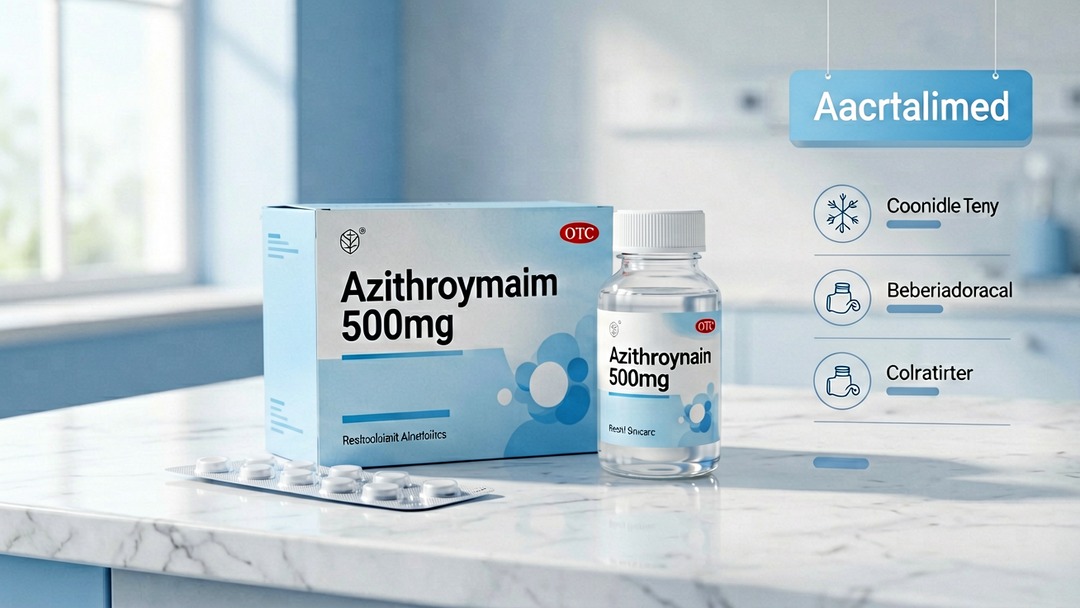
For the widely recognized “Z-Pak,” the blister pack contains six 250 mg tablets taken as two on day one and one daily for the following four days. Generic azithromycin 500 mg tablets are commonly used for the alternative three-day regimen (500 mg once daily for three days).
Comparison: Azithromycin vs Other Common Antibiotics
| Attribute | Azithromycin | Amoxicillin | Clarithromycin |
|---|---|---|---|
| Drug class | Macrolide | Penicillin (beta-lactam) | Macrolide |
| Typical course length | 3–5 days | 7–10 days | 7–14 days |
| Coverage of atypical pathogens | Strong | Weak | Strong |
| Penicillin allergy safe? | Yes | No | Yes |
| Common GI upset | Moderate | Mild–moderate | Moderate–higher |
This comparison illustrates why azithromycin is often chosen when a penicillin allergy is present or when atypical organisms (such as Mycoplasma or Legionella) are suspected.
Side Effects & Safety Considerations
Most patients tolerate azithromycin well. The most frequently reported adverse effects are gastrointestinal: nausea, diarrhea, abdominal pain, and vomiting. Headache and dizziness occasionally occur. Serious but uncommon reactions include:
- Cardiac rhythm changes (QT prolongation), particularly in patients with existing heart conditions or those taking other QT-prolonging drugs
- Hepatic injury (rare liver enzyme elevations)
- Severe allergic reactions and anaphylaxis
- Clostridioides difficile–associated diarrhea
Because of the rare but serious QT-prolongation risk, prescribers screen for cardiac history and concurrent medications. Tell your doctor about all medicines you take, including anti-arrhythmics, certain antipsychotics, and other macrolides.
Generic Pricing (±10% Typical Retail Ranges)
Generic azithromycin is available worldwide from WHO-GMP–certified manufacturers, which keeps consumer pricing competitive. The figures below reflect typical retail ranges and can vary by pharmacy, dosage form, and region. They are presented as approximate ranges, not exact quotes.
- Generic azithromycin 500 mg tablets (per tablet): approximately $0.30–$0.90
- Generic azithromycin 250 mg tablets (per tablet): approximately $0.25–$0.80
- Brand-name Zithromax Z-Pak (6 tablets, 250 mg) at US retail pharmacies: approximately $18–$55 per pack
- Generic Z-Pak equivalent (6 x 250 mg): approximately $4–$16 per pack
Patients exploring cost-effective treatment options frequently compare generic alternatives, which contain the identical active ingredient at a fraction of brand pricing. For broader medication categories and patient guides, visit our Pharmaceuticals category page.
Decision Guide: Is Azithromycin Right for You?
Azithromycin may be appropriate when: your infection is likely bacterial (not viral), you have a documented penicillin allergy, atypical pathogens are suspected, or a short-course regimen supports your adherence. It is not a first choice for every infection, and growing resistance in some regions limits its utility for certain conditions. A prescriber’s evaluation—including culture when appropriate—remains the standard of care.
Frequently Asked Questions
Can I take azithromycin with food?
Azithromycin can be taken with or without food. Taking it with a meal may reduce stomach upset. Avoid antacids containing aluminum or magnesium within two hours of a dose, as they can lower absorption.
Why is the course only three to five days?
Azithromycin’s long tissue half-life maintains effective drug levels for days after the last tablet, allowing shorter courses than many other antibiotics without sacrificing efficacy for approved indications.
Is it safe to drink alcohol while taking azithromycin?
Alcohol does not directly interact with azithromycin’s metabolism, but it can worsen dehydration and gastrointestinal irritation. Moderation and medical guidance are prudent, especially while fighting an infection.
Can azithromycin treat COVID-19 or the flu?
No. Azithromycin has no antiviral activity. It should not be used for viral respiratory infections unless a secondary bacterial infection is suspected and diagnosed by a clinician.
Clinical Evidence & Real-World Effectiveness
Decades of use and multiple randomized trials support azithromycin’s role in outpatient infection care. In pivotal community-acquired pneumonia studies, short-course azithromycin regimens achieved clinical cure rates in the range of 90–95%, comparable to longer courses of older macrolides. For uncomplicated genital chlamydia, a single 1,000 mg dose cures approximately 95–97% of infections when test-of-cure is performed. In pediatric acute otitis media, azithromycin is reserved for penicillin-allergic children or macrolide-susceptible strains, where cure rates approximate 80–90%. These figures illustrate why guidelines position it as a valuable, convenience-driven option rather than a universal first choice.
Drug Interactions
Azithromycin is metabolized differently from many other drugs and has a relatively low potential for cytochrome P450 interactions compared with clarithromycin. Nevertheless, clinically important interactions include:
- QT-prolonging drugs (certain anti-arrhythmics, quinolones, some antipsychotics) — additive risk of arrhythmia
- Warfarin — azithromycin may enhance anticoagulant effect; monitor INR
- Digoxin — altered gut flora can raise digoxin levels
- Antacids (aluminum/magnesium) — reduce absorption if taken together; separate by two hours
Always provide your prescriber and pharmacist with a complete medication list, including over-the-counter products and supplements.
Special Populations
- Pregnancy: Azithromycin is generally considered low-risk when clearly indicated, but use only under medical supervision (category B historical classification; follow current local guidance).
- Breastfeeding: Small amounts pass into milk; generally compatible but discuss with a clinician.
- Elderly: More susceptible to QT prolongation and hearing changes; baseline cardiac review is prudent.
- Hepatic/renal impairment: Dose adjustment is rarely needed, but severe liver disease warrants caution.
These considerations reinforce that individualized prescribing—not self-medication—is the safe standard for antibiotic therapy.
Practical Patient Tips
To get the most from a short azithromycin course, keep these practical points in mind. Store tablets at room temperature away from moisture and heat, and keep them out of children’s reach. If you develop watery or bloody diarrhea—with or without fever—contact a clinician rather than treating it with over-the-counter anti-diarrheals, since this could signal a serious intestinal infection. Complete the prescribed course even when symptoms fade, because stopping early can let resilient bacteria persist. If a dose is missed, take it as soon as remembered unless the next dose is due soon; never double up. Finally, resist the urge to save leftover antibiotics for future illnesses: reuse without a current prescription can be ineffective and unsafe, and it contributes to the global problem of antibiotic resistance.
Medical Disclaimer
The content provided here is for general informational purposes only and does not constitute medical advice, diagnosis, or treatment. Medication effectiveness, dosing, and safety vary by individual. Always consult a qualified healthcare professional before starting, stopping, or changing any medication. Prices shown are approximate retail ranges that fluctuate based on pharmacy, region, dosage form, and manufacturer; they are not offers or guarantees of any specific price. This article is not affiliated with or endorsed by any specific brand or manufacturer.
References
- U.S. Food and Drug Administration (FDA). Azithromycin drug label and prescribing information.
- Infectious Diseases Society of America (IDSA) guidelines for community-acquired pneumonia.
- World Health Organization (WHO) Model List of Essential Medicines.
- Cochrane systematic reviews on azithromycin for lower respiratory tract infections.
- UpToDate. Patient education: Azithromycin (oral route).
- Centers for Disease Control and Prevention (CDC). Antibiotic use and resistance guidance.