
Affordable Generic Options
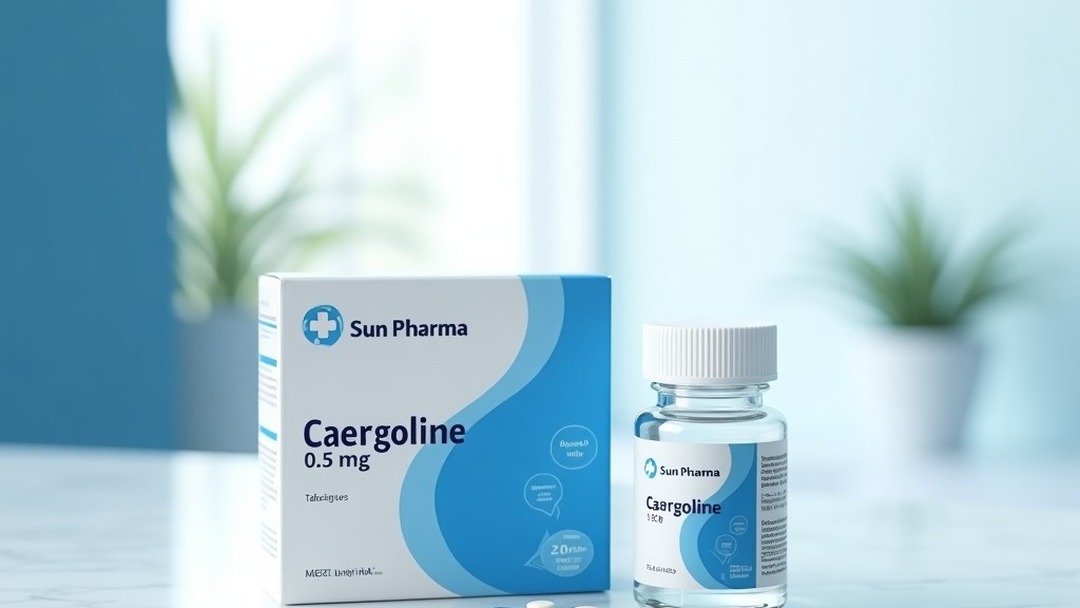
Cabergoline is available as a generic medication from multiple manufacturers, which significantly reduces cost compared to brand-name formulations. Indian generic manufacturers produce high-quality, bioequivalent versions at substantially lower prices than brand-name products sold in Western markets. Generic cabergoline 0.5 mg tablets are the most commonly prescribed strength.
Brand-name cabergoline (Dostinex by Pfizer) costs approximately $180–$320 for a 28-tablet pack (0.5 mg) in the United States, depending on the pharmacy and insurance coverage. The same pack from Indian generic manufacturers typically ranges between $28–$52, representing a savings of roughly 70–80%. Some online pharmacies in India offer bulk packs with even lower per-tablet pricing for patients requiring long-term therapy.
A typical monthly supply (8 tablets of 0.5 mg for a 0.5 mg twice-weekly regimen) from an Indian generic source would cost in the range of $12–$24, compared to approximately $65–$115 for the brand-name equivalent. Prices fluctuate based on manufacturer, batch, currency exchange rates, and shipping costs. Patients should consult their physician before sourcing medications internationally and ensure products are obtained through reputable channels with appropriate quality certifications.
Other key generic manufacturers producing cabergoline include Sun Pharma, Cipla, Macleods, and Dr. Reddy’s Laboratories, among others. Generic versions are formulated to be bioequivalent to the reference listed drug.
Internal Classification and Treatment Pathway
Hyperprolactinemia management typically involves a stepwise approach:
- Confirm the diagnosis: Repeat fasting prolactin measurement. Consider macroprolactin screening if assay discrepancy is suspected (macroprolactin is a biologically inactive form of prolactin bound to IgG that can cause falsely elevated lab readings).
- Rule out secondary causes: Check TSH (hypothyroidism), review medications, assess renal and hepatic function.
- MRI of the pituitary: With contrast, to identify or exclude a prolactin-secreting tumor (prolactinoma) and assess its size (microadenoma <10 mm, macroadenoma ≥10 mm).
- Visual field testing: If a macroadenoma is compressing the optic chiasm.
- Initiate dopamine agonist therapy: Cabergoline is the first-line choice in most cases. Bromocriptine is an alternative.
- Monitor prolactin and tumor size: Prolactin should be rechecked 4–8 weeks after starting or adjusting the dose. MRI follow-up is typically done at 6–12 months for macroadenomas.
- Consider surgery or radiation: Reserved for patients who fail medical therapy, cannot tolerate dopamine agonists, or have apoplexy or rapidly progressive visual loss.
Safety Considerations
Before starting cabergoline, patients should:
- Discuss all current medications with their doctor, especially antipsychotics, antidepressants, and blood pressure medications, as these can interact with cabergoline’s effects or independently raise prolactin.
- Inform their physician of any history of heart valve problems, uncontrolled hypertension, or psychiatric conditions.
- Undergo a baseline echocardiogram if they have cardiac risk factors or will be on long-term therapy.
- Report any new or worsening shortness of breath, swelling in the ankles, or fatigue that could indicate valvular thickening.
- Women of childbearing age should discuss contraception and pregnancy planning, as dopamine agonists are typically discontinued once pregnancy is confirmed (though practices vary by clinician and tumor size).
FAQ
Q: How long does cabergoline take to lower prolactin levels?
A: Prolactin levels typically begin to decrease within the first few days of treatment, with the maximum suppressive effect reached within 1 to 2 weeks. Most clinicians recheck prolactin 4 to 8 weeks after starting or adjusting the dose to assess the response and determine whether dose adjustment is needed.
Q: Can I stop taking cabergoline once my prolactin is normal?
A: In some patients with microprolactinomas, prolactin remains normal after discontinuation, and the medication can be stopped with close monitoring. However, hyperprolactinemia recurs in a significant proportion of patients — estimates range from 20% to 50% depending on tumor size and duration of therapy. Any dose reduction or discontinuation should be supervised by an endocrinologist with follow-up prolactin testing.
Q: Is cabergoline safe during pregnancy?
A: Cabergoline is pregnancy category B, meaning animal studies have not shown fetal risk but human data are limited. Standard practice is to discontinue cabergoline as soon as pregnancy is confirmed in patients with microprolactinomas, since the risk of tumor expansion during pregnancy is low. For macroadenomas, especially those near the optic chiasm, some clinicians continue therapy through the first trimester or monitor closely with visual field testing. Patients should have a detailed discussion with their endocrinologist and obstetrician about their individual risk profile.
Q: What is the difference between cabergoline and Dostinex?
A: Dostinex is the brand name for cabergoline, originally marketed by Pfizer. Generic cabergoline contains the same active ingredient and is bioequivalent to Dostinex. Generic versions manufactured by companies like Sun Pharma, Cipla, and Macleods are widely used and typically much more affordable. The choice between brand and generic often comes down to cost, availability, and individual patient tolerance.
Q: Does cabergoline cause weight gain?
A: Weight changes are not a commonly reported side effect of cabergoline at the low doses used for hyperprolactinemia. Some patients may experience a small amount of weight loss as a secondary effect of restored gonadal function and improved metabolic parameters when prolactin levels normalize. Significant weight gain should prompt evaluation for other causes and discussion with the treating physician.
References
- Melmed S, et al. “A Grand Rounds algorithm for management of prolactinomas. Journal of Clinical Endocrinology & Metabolism. 2011;96(antolegate):15–23.”
- Colao A, et al. “Cabergoline compared with bromocriptine in the treatment of hyperprolactinemia: a meta-analysis. Neuroendocrinology. 2008;87(3):147–153.”
- FDA Prescribing Information for Dostinex (cabergoline). Pfizer Inc. Revised 2019.
- ECNU guidelines for the diagnosis and management of prolactinomas. European Journal of Endocrinology. 2014;170(1):G1–G17.
- Dokmetas JS, et al. “Cardiac valve abnormalities in patients treated with cabergoline for hyperprolactinemia. Pituitary. 2015;18(2):191–199.”
- UpToDate. “Clinical manifestations of hyperprolactinemia” and “Treatment of hyperprolactinemia.” Accessed September 2026.
Medical Disclaimer
This article is for informational purposes only and does not constitute medical advice, diagnosis, or treatment. Always consult a qualified healthcare provider before starting, stopping, or changing any medication. Prolactin levels should be evaluated by an endocrinologist or other qualified physician who can interpret results in the context of your full medical history. Prices mentioned are approximate ranges and may vary. Generic medications sourced internationally should be verified for authenticity and quality through appropriate regulatory channels.
Cabergoline for High Prolactin: Dosage, Side Effects & Treatment Guide
Elevated prolactin levels can disrupt menstrual cycles, cause unexpected milk production, and affect fertility in both women and men. Cabergoline, a dopamine agonist manufactured by Sun Pharma and other generic producers, is one of the most prescribed medications for bringing prolactin back into a healthy range. This guide covers how cabergoline works, typical dosing schedules, side effects to watch for, and what to expect during treatment.
What Is Cabergoline?
Cabergoline is a synthetic ergot derivative that acts as a dopamine D2 receptor agonist. Unlike the older bromocriptine, cabergoline has a much longer half-life (approximately 63 to 68 hours) and a higher affinity for dopamine receptors, which means patients typically take it only once or twice per week rather than daily. It is FDA-approved for treating hyperprolactinemia — the medical term for abnormally high prolactin levels — and is also used in higher doses for Parkinson’s disease.
How Cabergoline Works: Mechanism of Action
Prolactin secretion from the anterior pituitary gland is under tonic inhibitory control by dopamine released from the hypothalamus via the hypothalamo-hypophyseal portal system. When dopamine binds to D2 receptors on lactotroph cells, prolactin release is suppressed. In conditions like prolactinoma (a benign pituitary tumor that secretes prolactin), this dopamine tone is insufficient or overridden by the tumor’s autonomous secretion.
Cabergoline mimics dopamine at D2 receptors. By activating these receptors on lactotroph cells, it inhibits prolactin synthesis and secretion. The drug’s long half-life and slow receptor dissociation give it sustained suppressive effects, allowing a twice-weekly dosing schedule that improves compliance compared to daily bromocriptine. Cabergoline also reduces the size of prolactin-secreting tumors in most patients, sometimes restoring normal pituitary anatomy.
What Is Hyperprolactinemia?
Hyperprolactinemia is a condition where prolactin levels in the blood are higher than normal. Prolactin is a hormone produced by the pituitary gland, a pea-sized structure at the base of the brain. While prolactin’s primary role is to stimulate milk production after childbirth, it also influences reproductive function in both sexes.
Causes of elevated prolactin include:
- Prolactinoma: A benign tumor of the pituitary gland that produces excess prolactin. This is the most common cause of pathological hyperprolactinemia.
- Medications: Certain drugs — particularly antipsychotics (risperidone, haloperidol), antidepressants, antiemetics (metoclopramide), and some blood pressure medications — can raise prolactin by blocking dopamine receptors.
- Hypothyroidism: Severe primary hypothyroidism can cause elevated TRH, which stimulates prolactin release.
- Chest wall irritation: Surgery, trauma, or herpes zoster affecting the chest wall can produce a reflex increase in prolactin.
- Chronic kidney disease and cirrhosis: Reduced clearance of prolactin from the circulation.
- Idiopathic hyperprolactinemia: Elevated prolactin with no identifiable cause after standard workup.
Symptoms of High Prolactin
Symptoms vary by sex and severity of prolactin elevation:
In Women
- Irregular or absent menstrual periods (oligomenorrhea or amenorrhea)
- Loss of libido and vaginal dryness
- Infertility due to suppressed ovulation
- Galactorrhea — spontaneous milk production unrelated to breastfeeding
- Decreased bone mineral density with long-term estrogen deficiency
- Mood changes and headache (especially with larger pituitary tumors)
In Men
- Decreased libido and erectile dysfunction
- Infertility due to reduced sperm production
- Galactorrhea (rare but possible)
- Gynecomastia (breast enlargement)
- Loss of body hair and reduced muscle mass
- Visual field defects or headaches with large macroadenomas compressing optic chiasm
Cabergoline Dosage and Administration
Cabergoline dosing is individualized based on prolactin level, symptom severity, and tolerance. The general principles are:
Starting Dose
The typical starting dose is 0.25 mg (half of a 0.5 mg tablet) taken twice weekly — for example, on Monday and Thursday. Starting low and titrating gradually helps minimize side effects like nausea, dizziness, and orthostatic hypotension, which are most common during the first weeks of treatment.
Titration
If prolactin levels remain elevated after 2 to 4 weeks, the dose may be increased by 0.25 mg per week (i.e., adding 0.125 mg to each of the two weekly doses, or adding an additional half-tablet to one weekly dose). Dose increments are typically made no more frequently than every 2 to 4 weeks based on prolactin monitoring. Most patients achieve normal prolactin levels on 0.5 mg to 1 mg per week (total weekly dose), although some require up to 2 mg per week for macroprolactinomas.
Maximum Dose
For hyperprolactinemia, doses above 2 mg per week are uncommon and require specialist supervision. For Parkinson’s disease, doses of 3 mg and higher (taken 2 to 3 times daily) are used, but this population carries a higher risk of cardiac valve effects — see the safety section below.
Cabergoline should be taken with food to reduce gastrointestinal side effects, and preferably at bedtime to minimize dizziness upon waking.
Dosage Table: Cabergoline by Indication
Cabergoline Dosing Reference
| Indication | Starting Dose | Typical Maintenance | Maximum Dose | Frequency |
|---|---|---|---|---|
| Hyperprolactinemia (microprolactinoma) | 0.25 mg twice weekly | 0.5–1 mg/week | 2 mg/week | 2x/week with food |
| Hyperprolactinemia (macroprolactinoma) | 0.25 mg twice weekly | 1–2 mg/week | 2–3 mg/week | 2x/week with food |
| Parkinson’s disease (adjunct) | 0.5 mg 2–3x/day | 1–4 mg 2–3x/day | 4.5 mg/day total | 2–3x/day |
| Off-label: Restless legs syndrome | 0.25 mg at bedtime | 0.25–1 mg at bedtime | 1 mg/night | Once daily |
Note: All doses are illustrative. Individual dosing must be determined by a treating physician based on prolactin levels, MRI findings, comorbidities, and tolerability. Brand and generic versions may have different tablet markings and packaging.
Side Effects of Cabergoline
Cabergoline is generally well tolerated at the low doses used for hyperprolactinemia, but side effects can occur. Most are mild and transient, resolving as the body adjusts to the medication.
Common Side Effects
- Nausea and vomiting: The most frequently reported side effect, occurring in up to 10–15% of patients. Taking the medication with food and at bedtime helps significantly.
- Dizziness and lightheadedness: Especially upon standing (orthostatic hypotension). Patients should rise slowly from sitting or lying positions, particularly during the first weeks.
- Headache: Usually mild and self-limiting.
- Fatigue and drowsiness: May affect driving or operating machinery initially.
- Constipation: Manageable with adequate fluid intake and dietary fiber.
Less Common but Serious Side Effects
- Valvular heart disease: Ergot-derived dopamine agonists (cabergoline, pergolide) have been associated with fibrotic valvular changes — particularly aortic and mitral regurgitation — at higher cumulative doses used in Parkinson’s disease. The risk at low hyperprolactinemia doses is considered very low, but echocardiographic monitoring may be advisable for patients on long-term therapy or those with pre-existing valve disease. The FDA has issued warnings, and patients should report any new shortness of breath, fatigue, or swelling in the legs.
- Psychiatric effects: Hallucinations, confusion, or impulse control disorders (e.g., pathological gambling, hypersexuality) have been reported, mainly at Parkinson’s doses. These are rare at prolactin doses.
- Hypotension: Symptomatic low blood pressure can occur, especially in patients already on antihypertensives.
- Liver enzyme elevation: Transient elevations in transaminases have been observed; periodic liver function testing may be warranted in long-term use.
Cabergoline vs. Bromocriptine: A Comparison
Both cabergoline and bromocriptine are dopamine agonists used for hyperprolactinemia, but they differ in several clinically important ways:
Head-to-Head Comparison
| Feature | Cabergoline | Bromocriptine |
|---|---|---|
| Class | Ergot-derived D2 agonist | Ergot-derived D2 agonist |
| Half-life | 63–68 hours | 12–18 hours |
| Dosing frequency | 1–2x/week | 2–3x/day (daily) |
| D2 receptor affinity | Higher | Lower |
| Side effect rate | Lower (at prolactin doses) | Higher (nausea, dizziness) |
| Prolactin normalization rate | 80–90% | 70–80% |
| Tumor shrinkage | Yes, in most patients | Yes, in most patients |
| Pregnancy category | Category B (limited data) | Category B (more pregnancy data) |
| Cardiac valve risk | Low at prolactin doses | Minimal |
| Generic availability | Widely available | Widely available |
For most patients requiring long-term prolactin suppression, cabergoline is now considered first-line therapy due to its superior tolerability, once- or twice-weekly dosing, and comparable or better efficacy in normalizing prolactin and shrinking tumors. Bromocriptine remains an option for women who are planning pregnancy soon, given its longer track record in pregnancy safety data, though cabergoline is increasingly used before conception with dopamine agonist discontinuation upon confirmed pregnancy.
Affordable Generic Options
Cabergoline is available as a generic medication from multiple manufacturers, which significantly reduces cost compared to brand-name formulations. Indian generic manufacturers produce high-quality, bioequivalent versions at substantially lower prices than brand-name products sold in Western markets. Generic cabergoline 0.5 mg tablets are the most commonly prescribed strength.
Brand-name cabergoline (Dostinex by Pfizer) costs approximately $180–$320 for a 28-tablet pack (0.5 mg) in the United States, depending on the pharmacy and insurance coverage. The same pack from Indian generic manufacturers typically ranges between $28–$52, representing a savings of roughly 70–80%. Some online pharmacies in India offer bulk packs with even lower per-tablet pricing for patients requiring long-term therapy.
A typical monthly supply (8 tablets of 0.5 mg for a 0.5 mg twice-weekly regimen) from an Indian generic source would cost in the range of $12–$24, compared to approximately $65–$115 for the brand-name equivalent. Prices fluctuate based on manufacturer, batch, currency exchange rates, and shipping costs. Patients should consult their physician before sourcing medications internationally and ensure products are obtained through reputable channels with appropriate quality certifications.
Other key generic manufacturers producing cabergoline include Sun Pharma, Cipla, Macleods, and Dr. Reddy’s Laboratories, among others. Generic versions are formulated to be bioequivalent to the reference listed drug.
Internal Classification and Treatment Pathway
Hyperprolactinemia management typically involves a stepwise approach:
- Confirm the diagnosis: Repeat fasting prolactin measurement. Consider macroprolactin screening if assay discrepancy is suspected (macroprolactin is a biologically inactive form of prolactin bound to IgG that can cause falsely elevated lab readings).
- Rule out secondary causes: Check TSH (hypothyroidism), review medications, assess renal and hepatic function.
- MRI of the pituitary: With contrast, to identify or exclude a prolactin-secreting tumor (prolactinoma) and assess its size (microadenoma <10 mm, macroadenoma ≥10 mm).
- Visual field testing: If a macroadenoma is compressing the optic chiasm.
- Initiate dopamine agonist therapy: Cabergoline is the first-line choice in most cases. Bromocriptine is an alternative.
- Monitor prolactin and tumor size: Prolactin should be rechecked 4–8 weeks after starting or adjusting the dose. MRI follow-up is typically done at 6–12 months for macroadenomas.
- Consider surgery or radiation: Reserved for patients who fail medical therapy, cannot tolerate dopamine agonists, or have apoplexy or rapidly progressive visual loss.
Safety Considerations
Before starting cabergoline, patients should:
- Discuss all current medications with their doctor, especially antipsychotics, antidepressants, and blood pressure medications, as these can interact with cabergoline’s effects or independently raise prolactin.
- Inform their physician of any history of heart valve problems, uncontrolled hypertension, or psychiatric conditions.
- Undergo a baseline echocardiogram if they have cardiac risk factors or will be on long-term therapy.
- Report any new or worsening shortness of breath, swelling in the ankles, or fatigue that could indicate valvular thickening.
- Women of childbearing age should discuss contraception and pregnancy planning, as dopamine agonists are typically discontinued once pregnancy is confirmed (though practices vary by clinician and tumor size).
FAQ
Q: How long does cabergoline take to lower prolactin levels?
A: Prolactin levels typically begin to decrease within the first few days of treatment, with the maximum suppressive effect reached within 1 to 2 weeks. Most clinicians recheck prolactin 4 to 8 weeks after starting or adjusting the dose to assess the response and determine whether dose adjustment is needed.
Q: Can I stop taking cabergoline once my prolactin is normal?
A: In some patients with microprolactinomas, prolactin remains normal after discontinuation, and the medication can be stopped with close monitoring. However, hyperprolactinemia recurs in a significant proportion of patients — estimates range from 20% to 50% depending on tumor size and duration of therapy. Any dose reduction or discontinuation should be supervised by an endocrinologist with follow-up prolactin testing.
Q: Is cabergoline safe during pregnancy?
A: Cabergoline is pregnancy category B, meaning animal studies have not shown fetal risk but human data are limited. Standard practice is to discontinue cabergoline as soon as pregnancy is confirmed in patients with microprolactinomas, since the risk of tumor expansion during pregnancy is low. For macroadenomas, especially those near the optic chiasm, some clinicians continue therapy through the first trimester or monitor closely with visual field testing. Patients should have a detailed discussion with their endocrinologist and obstetrician about their individual risk profile.
Q: What is the difference between cabergoline and Dostinex?
A: Dostinex is the brand name for cabergoline, originally marketed by Pfizer. Generic cabergoline contains the same active ingredient and is bioequivalent to Dostinex. Generic versions manufactured by companies like Sun Pharma, Cipla, and Macleods are widely used and typically much more affordable. The choice between brand and generic often comes down to cost, availability, and individual patient tolerance.
Q: Does cabergoline cause weight gain?
A: Weight changes are not a commonly reported side effect of cabergoline at the low doses used for hyperprolactinemia. Some patients may experience a small amount of weight loss as a secondary effect of restored gonadal function and improved metabolic parameters when prolactin levels normalize. Significant weight gain should prompt evaluation for other causes and discussion with the treating physician.
References
- Melmed S, et al. “A Grand Rounds algorithm for management of prolactinomas. Journal of Clinical Endocrinology & Metabolism. 2011;96(antolegate):15–23.”
- Colao A, et al. “Cabergoline compared with bromocriptine in the treatment of hyperprolactinemia: a meta-analysis. Neuroendocrinology. 2008;87(3):147–153.”
- FDA Prescribing Information for Dostinex (cabergoline). Pfizer Inc. Revised 2019.
- ECNU guidelines for the diagnosis and management of prolactinomas. European Journal of Endocrinology. 2014;170(1):G1–G17.
- Dokmetas JS, et al. “Cardiac valve abnormalities in patients treated with cabergoline for hyperprolactinemia. Pituitary. 2015;18(2):191–199.”
- UpToDate. “Clinical manifestations of hyperprolactinemia” and “Treatment of hyperprolactinemia.” Accessed September 2026.
Medical Disclaimer
This article is for informational purposes only and does not constitute medical advice, diagnosis, or treatment. Always consult a qualified healthcare provider before starting, stopping, or changing any medication. Prolactin levels should be evaluated by an endocrinologist or other qualified physician who can interpret results in the context of your full medical history. Prices mentioned are approximate ranges and may vary. Generic medications sourced internationally should be verified for authenticity and quality through appropriate regulatory channels.