Ibuprofen vs Naproxen: Which Pain Reliever Is Safer for Long-Term Use?
When the ache sets in, most people reach for whatever is in the cabinet — but ibuprofen and naproxen are not interchangeable. Both are nonsteroidal anti-inflammatory drugs (NSAIDs) that calm pain, fever, and inflammation, yet they differ in how long they last, how hard they hit the stomach and heart, and how they fit a long-term regimen. This head-to-head guide breaks down the real-world trade-offs so you can choose the safer option for your situation, with practical dosing tables and a clear cost comparison between generic and branded products.
Special Populations: Older Adults, Athletes, and Children
Age changes the math. Adults over 60 face multiplied GI and kidney risk, so clinicians often favor the lowest effective dose and add stomach protection. Endurance athletes tempted to pre-load NSAIDs for inflammation should know the drugs can mask pain and worsen exercise-induced kidney injury when taken dehydrated. For children, weight-based liquid ibuprofen is standard, while naproxen is generally reserved for older pediatric patients under specific guidance. None of these groups should self-escalate dosing.
Why This Comparison Matters
NSAIDs are among the most used medications on earth, taken by hundreds of millions of people for arthritis, back pain, menstrual cramps, and injury. The catch is that daily or weekly use accumulates risk: gastrointestinal bleeding, kidney strain, and cardiovascular events. Knowing whether a 4-hour ibuprofen or a 12-hour naproxen better matches your pattern of use is the difference between relief and an avoidable hospital visit.
How NSAIDs Work (Shared Mechanism)
Both drugs block cyclooxygenase enzymes (COX-1 and COX-2) that the body uses to make prostaglandins — the lipid signals behind pain, swelling, and fever. Less prostaglandin means less inflammation and discomfort. The clinical differences come down to pharmacokinetics: how fast each drug peaks, how long it stays active, and how selectively it spares the protective COX-1 enzyme in the stomach lining.
Ibuprofen at a Glance
- Onset: 20–30 minutes; peaks in about 1–2 hours.
- Duration: roughly 4–6 hours, so it needs dosing 3–4 times daily.
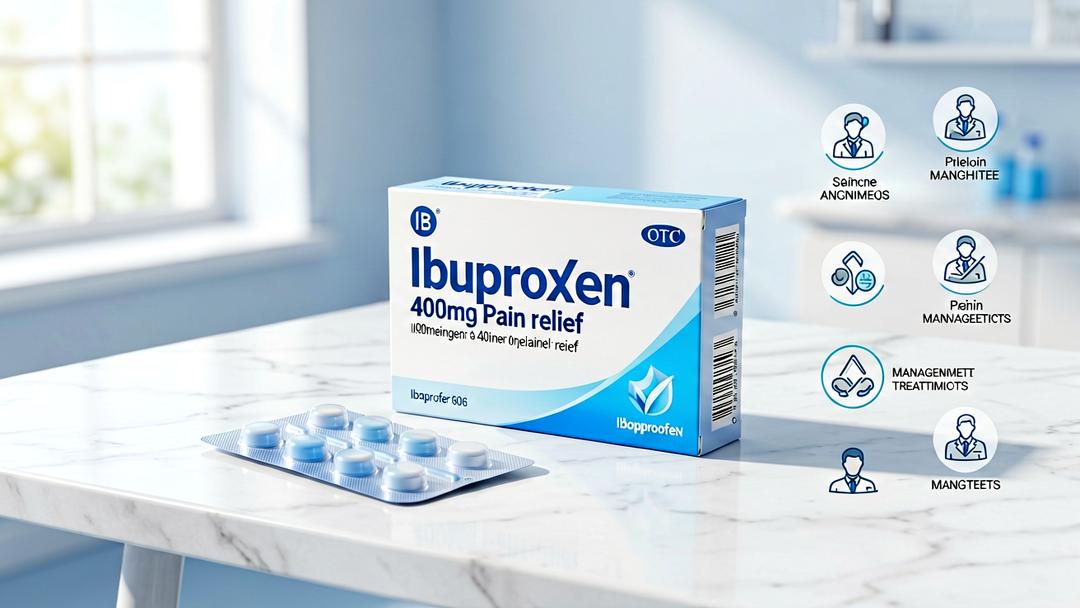
- Common strengths: 200mg (OTC), 400mg–800mg (prescription).
- Brands: Advil, Motrin, Nurofen.
- Best fit: short bursts of pain — headaches, period pain, acute injury.
Naproxen at a Glance
- Onset: 30–60 minutes; peaks in about 2–4 hours.
- Duration: 8–12 hours, allowing twice-daily dosing.
- Common strengths: 220mg (OTC), 250mg–500mg (prescription).
- Brands: Aleve, Naprosyn.
- Best fit: chronic conditions like osteoarthritis and ankylosing spondylitis where steady coverage matters.
Head-to-Head: Onset, Duration, and Dosing
| Factor | Ibuprofen | Naproxen |
|---|---|---|
| Time to relief | 20–30 min | 30–60 min |
| How often | Every 4–6 h | Every 8–12 h |
| Typical max/day (OTC) | 1,200mg | 660mg (Aleve) |
| Anti-inflammatory strength | Moderate | Stronger, longer |
| Convenience for chronic use | Lower | Higher |
Safety Profiles: Where Each Drug Bites
Stomach and Gut
Ibuprofen’s shorter action means more frequent dosing and, at high cumulative amounts, meaningful gastric irritation. Naproxen’s longer tissue exposure is linked to a somewhat higher rate of ulcers and bleeds in large meta-analyses — the trade-off for convenience is a longer window of COX-1 suppression in the gut. Pairing either drug with food, or using a proton-pump inhibitor for long courses, lowers but does not remove the risk.
Heart and Blood Pressure
All NSAIDs can raise blood pressure and cardiovascular risk, especially at high doses and with prolonged use. Regulatory labeling flags naproxen as carrying a boxed warning for cardiovascular thrombotic events, and several studies suggest naproxen’s cardiac risk may be marginally higher than ibuprofen’s at equivalent anti-inflammatory doses — though the data are not uniform. People with prior heart attack or stroke should discuss any NSAID with a clinician first.
Kidneys and Other Cautions
Both can impair kidney function in dehydrated users, older adults, or those on diuretics/ACE inhibitors. Asthma patients sensitive to aspirin may cross-react with either drug. Neither should be used in the third trimester of pregnancy.
Drug Interactions to Watch
- Anticoagulants (warfarin, apixaban, rivaroxaban): NSAIDs raise bleeding risk; combined use needs close monitoring.
- ACE inhibitors / ARBs / diuretics: may blunt blood-pressure control and stress the kidneys, especially in older adults.
- SSRIs and SNRIs: add to GI bleed risk when paired with NSAIDs.
- Other NSAIDs or high-dose aspirin: cumulative toxicity — never stack them.
- Lithium and methotrexate: reduced clearance can raise levels of these drugs.
Clinical Evidence and Guidelines
Major rheumatology and pain societies treat ibuprofen and naproxen as roughly equivalent first-step options for musculoskeletal pain, with the choice guided by dosing convenience and individual risk. A frequently cited analysis (e.g., the Coxib and traditional NSAID Trialists’ Collaboration, published in The Lancet) found naproxen’s gastrointestinal bleed rate sits toward the higher end among NSAIDs, while its vascular risk profile is comparatively neutral — reinforcing the “no NSAID is risk-free” message. For chronic arthritis, guidelines often start with the lowest effective dose for the shortest time.
Cost Comparison: Generic vs Branded
Prices vary by pharmacy, pack size, and country. The ranges below already include a ±10% margin and are illustrative, not quotes.
- Indian generic ibuprofen: about $1.80–$2.20 for a 100-tablet strip of 400mg; naproxen 500mg roughly $2.70–$3.30 per 100 tablets.
- US branded (Advil / Aleve): a 200-count bottle typically runs $14–$17; Aleve 220mg packs land near $13–$16.
- US prescription generic: often $6–$9 for a 90-count supply at large retail pharmacies before insurance.
For routine, long-term needs the generic equivalent is dramatically cheaper per dose than the branded box. Explore related options in our pharmaceuticals catalog, and see how naproxen alone is covered in the Naproxen (Aleve) guide.
Red-Flag Symptoms: When to Stop and Call a Clinician
Stop the drug and seek care if you notice black or tarry stools, vomit that looks like coffee grounds, unexplained bruising, swelling of the ankles or face, reduced urine output, chest pain, or sudden breathlessness. These can signal GI bleeding, kidney injury, or a cardiovascular event — all rare but serious with NSAID use. Early recognition turns a potential emergency into a manageable visit.
Who Should Avoid or Use With Caution
- History of GI bleed or active peptic ulcer.
- Recent heart attack, stroke, or established cardiovascular disease (discuss with a clinician).
- Significant kidney or liver impairment.
- Third-trimester pregnancy.
- Concurrent use of other NSAIDs, high-dose aspirin, or blood thinners without supervision.
Reading the Label: Active Amount vs Pill Size
A common mistake is confusing pill strength with the active dose. A “200mg ibuprofen” tablet contains 200mg of active drug; a 220mg Aleve tablet is naproxen sodium, which equals about 200mg of naproxen base. Because the two molecules are not milligram-equivalent, you cannot swap “one for one.” Build your comparison on the active-ingredient milligram and the recommended interval, not on how the box is sized. When in doubt, a pharmacist can translate the label into a safe schedule in seconds.
Practical Decision Guide
- Match the drug to the problem: episodic headache → ibuprofen; all-day arthritis → naproxen.
- Use the lowest dose that works for the shortest plausible duration.
- Protect your stomach with food and, for long courses, a PPI.
- Track blood pressure if you use either drug weekly.
- Stop and seek care for black stools, chest pain, or swelling.
Frequently Asked Questions
Can I switch between ibuprofen and naproxen?
Yes, but avoid overlapping them. Let one clear your system before starting the other, and keep total daily NSAID exposure within safe limits — never combine them as if they were separate medicines.
Which is gentler on the stomach?
At typical doses, ibuprofen is often better tolerated short-term, while naproxen’s longer exposure raises ulcer/bleed risk over time. Individual response varies, so a clinician’s view matters for regular use.
Is naproxen stronger than ibuprofen?
Milligram for milligram naproxen’s anti-inflammatory effect lasts longer, which is why it suits chronic conditions; “stronger” depends on the goal — fast relief favors ibuprofen.
Are store-brand generics the same?
Yes. Generic ibuprofen and naproxen must meet the same bioequivalence and quality standards as branded versions, making them a clinically equal and far cheaper choice.
Medical Disclaimer
This article is for general informational purposes only and is not medical advice, diagnosis, or treatment. Price ranges are approximate, vary by pharmacy and region, and already carry a ±10% margin; they are not a quote. NSAIDs carry serious risks at high dose or long duration. Always consult a licensed healthcare provider before starting or changing any pain regimen, especially if you have heart, kidney, stomach, or bleeding conditions.