
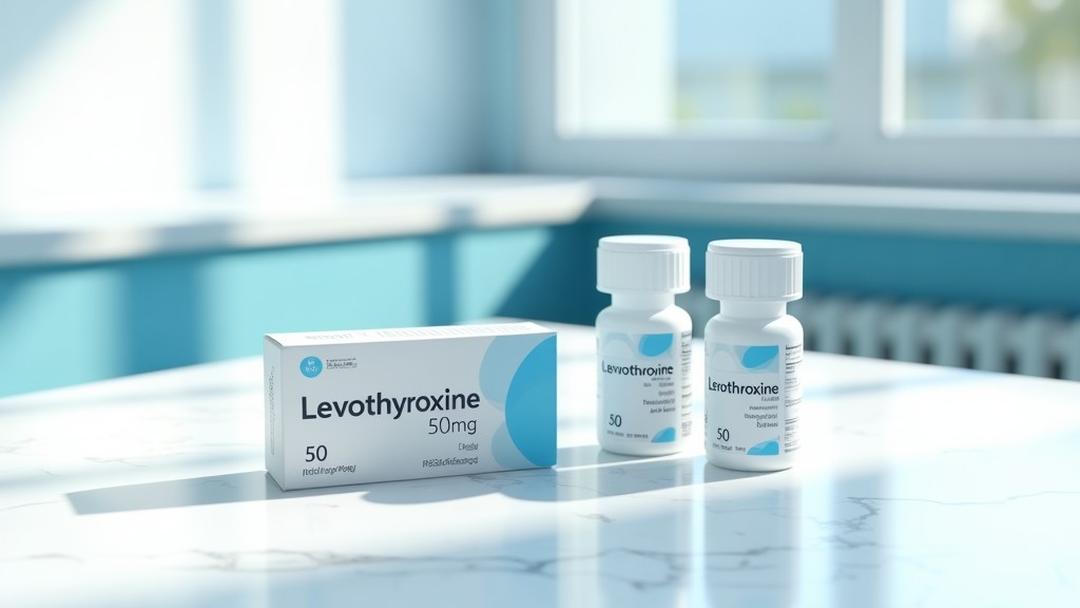
Levothyroxine (Synthroid) Guide: Uses, Dosage, Side Effects & Affordable Generic Options for Hypothyroidism
Hypothyroidism is among the most common chronic conditions managed in primary care worldwide, and levothyroxine — synthetic thyroxine, or T4 — is the standard replacement therapy prescribed to virtually every patient whose thyroid gland no longer produces enough hormone. Sold under brand names such as Synthroid, Levoxyl, and Euthyrox and as numerous generics, it is taken daily, often for life. This guide explains why levothyroxine is the undisputed backbone of thyroid treatment, how dosing is individualized to the individual, what the safety profile really looks like over decades of use, and how generic versus brand pricing actually compares for budget-conscious patients seeking reliable, uninterrupted access.
What Is Levothyroxine?
Levothyroxine sodium is a synthetic form of the thyroid hormone thyroxine (T4). In the body, T4 is converted in peripheral tissues into the more active hormone triiodothyronine (T3), which then binds to nuclear receptors and regulates metabolism across virtually every organ system — influencing heart rate, body temperature, energy expenditure, gastrointestinal motility, and cholesterol metabolism. It is available in a wide ladder of tablet strengths (commonly 25, 50, 75, 88, 100, 112, 125, 150, 175, 200, and 300 mcg) plus liquid and soft-gel formulations for patients with absorption difficulties.
Because the molecule is identical to the hormone the healthy thyroid produces, levothyroxine simply restores a deficient signal to normal. This makes it one of the cleanest, best-understood, and most cost-effective chronic therapies in all of medicine — provided the dose is correctly matched to the patient.
Why Generic Access Matters
Primary hypothyroidism (most often autoimmune Hashimoto’s thyroiditis), post-surgical hypothyroidism after thyroid removal, and congenital hypothyroidism all require lifelong T4 replacement. Because therapy is continuous and prescribed at enormous global volume, the availability of affordable generic levothyroxine is a genuine public-health and cost consideration. Discover why so many patients and clinicians are comfortable switching to approved generics: the active ingredient is chemically identical, and the principal variable becomes consistent manufacturing quality and reliable supply rather than any molecular difference.
Dosage & Individualization
| Patient Group | Typical Starting / Maintenance Dose | Monitoring Approach |
|---|---|---|
| Adults (general) | ~1.6 mcg/kg/day for full replacement | TSH every 6–8 weeks until stable, then annually |
| Elderly / cardiac disease | 12.5–25 mcg/day, slow upward titration | Cardiac watch; smaller, slower adjustments |
| Pregnancy | Often +20–30% vs pre-pregnancy baseline | TSH checked in each trimester |
| Pediatric / congenital | Weight-based, higher per kg | Frequent checks until growth stable |
Dose is titrated using the TSH blood test, whose goal is to return the value into the reference range. Tablets should be taken on an empty stomach, ideally 30–60 minutes before breakfast, and separated from calcium, iron, and soy, all of which reduce absorption. A consistent routine — same time, same conditions — keeps blood levels predictable.
Levothyroxine Compared With Alternatives
| Option | Key Advantages | Key Limitations |
|---|---|---|
| Levothyroxine (T4) | Gold standard, inexpensive, very stable | Requires conversion to T3; slow to adjust |
| Liothyronine (T3) | Faster acting, useful in specific cases | Short half-life, costly, not first-line |
| Desiccated thyroid | Natural T4/T3 combination | Variable potency, less standardized |
| Methimazole (opposite use) | For hyperthyroidism | Not a replacement therapy at all |
For context on the opposite end of thyroid care, our methimazole guide covers the antithyroid drug used when the gland is over-active. The broader pharmaceuticals catalog includes related endocrine and metabolic therapies worth reviewing.
Important Drug Interactions
Levothyroxine absorption is famously sensitive to co-administered products. Calcium supplements, iron tablets, magnesium-containing antacids, bile-acid sequestrants such as cholestyramine, and even high doses of soy protein can all bind the hormone and reduce its effectiveness. Proton-pump inhibitors and aluminum-containing antacids may also blunt uptake. The practical rule is to separate levothyroxine from these products by at least four hours, and to recheck TSH if a new supplement or interaction is introduced.
Generic & Brand Pricing (Approximate Ranges)
Monthly therapy costs vary widely by region, insurance, and pharmacy. The illustrative ranges below generally move by about ±10% across outlets and are provided for planning purposes only, not as quotations.
| Product | Approx. Indian Generic Price (USD) | Approx. US Brand / Generic Price (USD) | Typical Pack |
|---|---|---|---|
| Levothyroxine 50 mcg (generic) | $3–$12 | $9–$30 (US generic) | 100 tablets |
| Levothyroxine 100 mcg (generic) | $4–$14 | $10–$34 (US generic) | 100 tablets |
| Synthroid 50 mcg (brand) | n/a | $70–$150 (brand list) | 90 tablets |
For patients paying out of pocket, cost-effective generic levothyroxine delivers the same therapeutic molecule at a fraction of brand pricing. The crucial caveat is sourcing from licensed manufacturers that meet bioequivalence and good-manufacturing-practice standards, so that potency and consistency are assured month after month.
Side Effects & Safety
At the correct dose, levothyroxine is remarkably safe and side effects usually signal over-replacement that mimics hyperthyroidism: palpitations, tremor, anxiety, insomnia, unintentional weight loss, and heat intolerance. Under-replacement, by contrast, leaves hypothyroid symptoms — fatigue, cold intolerance, constipation, dry skin, and brain fog — unresolved. Because thyroid requirements shift with weight change, pregnancy, age, and concurrent illness, periodic TSH testing is essential rather than optional.
Who Should Use Caution
- Cardiovascular disease: start low and go slow to avoid stressing the heart.
- Untreated adrenal insufficiency must be corrected before starting levothyroxine.
- Separate from calcium, iron, antacids, and soy by at least four hours.
- Pregnancy: requirements rise substantially; never discontinue therapy without medical advice.
- Diabetes: thyroid correction can alter insulin needs; monitor glucose closely during titration.
Storage & Handling
Keep tablets in their original container at room temperature, protected from light and excess humidity, and discard any product that has changed color or odor. Liquid formulations may carry different storage instructions and should follow the label exactly.
Monitoring & Follow-Up
Effective levothyroxine therapy is a partnership between patient and clinician built around regular blood testing. After any dose change, a TSH check is typically scheduled 6 to 8 weeks later, because that is how long the body requires to reach a new hormonal equilibrium. Once stable, most adults can move to annual testing, though pregnancy, significant weight change, new medications, or recurring symptoms all warrant earlier rechecks. Patients should learn to recognize the signals of both over- and under-replacement: a racing heart, tremor, and insomnia suggest too much hormone, while fatigue, cold sensitivity, and constipation suggest too little. Keeping a simple symptom diary and bringing it to appointments helps clinicians fine-tune the dose precisely. It is also wise to standardize the manufacturer you use, since switching brands can shift TSH enough to require adjustment even when the labeled strength is unchanged.
Special Populations
Pregnancy deserves particular emphasis: thyroid hormone requirements commonly rise by 20–30% during gestation, and untreated maternal hypothyroidism carries risks for fetal development. Women planning pregnancy should have TSH checked early and doses adjusted promptly. Elderly patients and those with coronary artery disease need conservative starting doses and gradual titration to avoid cardiac strain. Children with congenital hypothyroidism require prompt, weight-based treatment to support normal growth and neurodevelopment, with frequent monitoring during the first years of life.
Decision Guide: Brand or Generic?
Most endocrine guidelines accept approved generics as therapeutically equivalent, but the practical principle of “stay on the same product” matters a great deal: choose one consistent manufacturer and avoid switching brands month to month, since minor differences in bioavailability can nudge TSH out of range. If your TSH is stable on a particular generic, there is little clinical reason to pay a brand premium.
Frequently Asked Questions
Q: How soon will I feel better on levothyroxine?
A: Symptom improvement often begins within 1–2 weeks, but full metabolic stabilization and a stable TSH typically take 6–8 weeks.
Q: Can I switch between generic brands safely?
A: Guidelines allow it, but to avoid TSH fluctuations many clinicians recommend staying with one consistent manufacturer once stable.
Q: Why must I take it on an empty stomach?
A: Food, calcium, and iron sharply reduce absorption; a consistent empty-stomach routine keeps blood levels predictable.
Q: Is generic levothyroxine really identical to Synthroid?
A: The active molecule is the same and generics must meet bioequivalence standards, though minor excipient and absorption differences argue for consistency.
Q: What happens if I miss a dose?
A: Take it as soon as remembered unless near the next dose; do not double up. Occasional misses rarely cause symptoms.
Medical Disclaimer
Medical Disclaimer: This article is for general informational purposes only and does not constitute medical advice, diagnosis, or treatment. Pharmaceutical pricing and availability vary by country, pharmacy, dosage strength, and time; the cost ranges shown are approximate and may differ by +/-10% or more at any given outlet. Always consult a licensed healthcare provider before starting, stopping, or changing any medication, and obtain a valid prescription where required. Generic alternatives should meet the same bioequivalence standards as their brand-name counterparts but must be sourced from licensed, verified suppliers.
References
- FDA. Synthroid (levothyroxine sodium) prescribing information.
- American Thyroid Association guidelines for hypothyroidism.
- NIH DailyMed / MedlinePlus: levothyroxine label and patient information.
- Cochrane review: thyroid hormone replacement in hypothyroidism.
- Endocrine Society clinical practice guideline on hypothyroidism.