

HBV Treatment Guide: Medications, Monitoring, and Long-Term Care
Introduction
Chronic hepatitis B virus (HBV) infection affects millions of individuals worldwide, increasing the need for accurate and accessible HBV treatment information. Patients and caregivers frequently seek guidance on antiviral medications, treatment duration, routine monitoring, and long-term liver health management.
Modern HBV treatment strategies are designed to reduce viral replication, support liver function, and lower the risk of disease progression under professional medical supervision. Because hepatitis B management varies between individuals, understanding available antiviral therapies, monitoring requirements, and safety considerations is essential for effective long-term care.
This HBV treatment guide provides educational information about commonly used hepatitis B medications, treatment monitoring, safety considerations, affordability, and long-term disease management. The content is written in a patient-friendly, medically responsible, and SEO-optimized format to support healthcare awareness and informed decision-making.
What Is HBV?
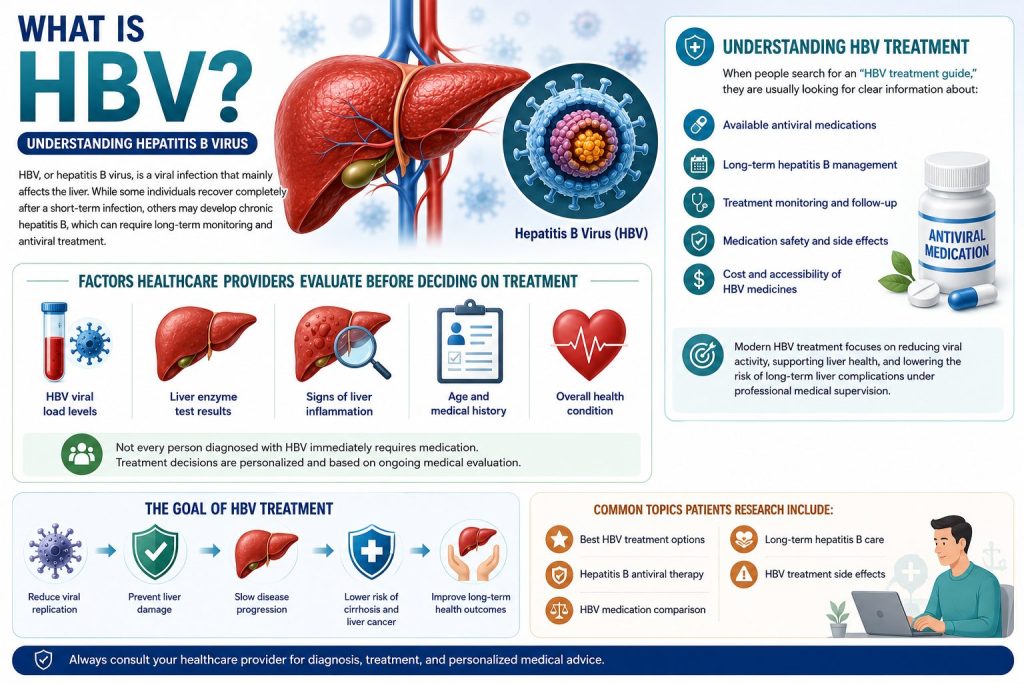
HBV stands for hepatitis B virus, a viral infection that primarily affects the liver. Some people recover fully after acute infection, while others may develop chronic hepatitis B, which can require long-term medical monitoring and antiviral therapy.
Healthcare providers assess several factors before recommending treatment, including:
- HBV viral load levels
- Liver enzyme results
- Signs of liver inflammation
- Age and medical history
- Overall health condition
Not every individual diagnosed with HBV immediately requires antiviral medication. Treatment decisions are personalized and based on ongoing clinical evaluation.
Main Search Intent Behind “HBV Treatment Guide”
The keyword “HBV treatment guide” primarily reflects:
- Informational Intent: Users seeking comprehensive educational information about hepatitis B treatment.
- Comparison Intent: Readers comparing antiviral medications and monitoring strategies.
- Commercial Intent: Some users researching medication pricing and access.
Common related search terms include:
- best HBV treatment options
- hepatitis B antiviral therapy
- HBV medication comparison
- long-term hepatitis B management
- HBV treatment side effects
Goals of HBV Treatment
The primary goals of hepatitis B treatment generally involve long-term disease management and liver health monitoring.
Reducing Viral Activity
Antiviral medicines aim to reduce HBV replication within the body. Lower viral activity may support broader long-term management strategies under medical supervision.
Supporting Liver Health
Healthcare providers monitor liver health regularly during HBV management. Monitoring may include blood tests, imaging studies, and other evaluations depending on the patient’s condition.
Reducing Long-Term Complications
Long-term monitoring and treatment strategies may help healthcare professionals manage risks associated with chronic liver disease progression.
Common HBV Treatment Options
Several antiviral medications are commonly used in chronic hepatitis B management.
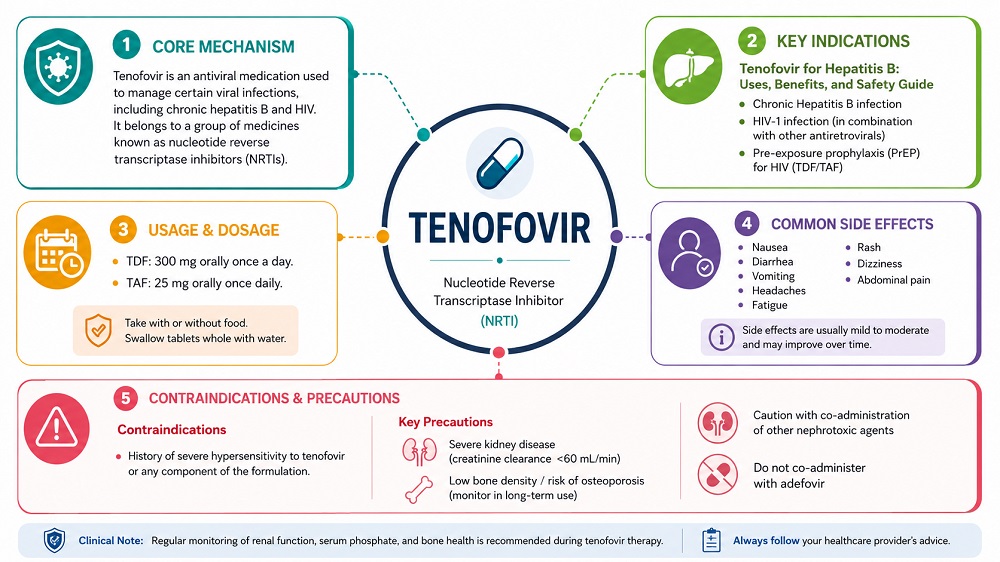
Tenofovir Alafenamide (TAF)
TAF is a newer tenofovir formulation designed to deliver antiviral activity efficiently at lower doses. It is increasingly discussed in long-term HBV management strategies.
Tenofovir Disoproxil Fumarate (TDF)
TDF remains widely used globally due to broad availability and extensive clinical experience. Many generic versions are available internationally.
Entecavir
Entecavir is another commonly prescribed antiviral medication for chronic HBV management. Healthcare providers may evaluate multiple clinical factors before selecting therapy.
Pegylated Interferon
In some clinical situations, pegylated interferon therapy may be considered. Treatment selection depends on patient-specific medical evaluation and regional treatment guidelines.
HBV Treatment Monitoring
Monitoring is an important part of hepatitis B management, even for patients who are not currently receiving antiviral medication.
Routine Blood Tests
Healthcare providers may monitor:
- Liver enzyme levels
- HBV DNA levels
- Kidney function
- General blood work
Liver Imaging
Some patients may undergo liver imaging studies as part of ongoing monitoring strategies.
Medication Follow-Up
Patients taking antiviral therapy typically require regular follow-up appointments to evaluate treatment response and overall health status.
HBV Treatment Side Effects and Safety
Antiviral medicines may cause side effects in some individuals, although experiences vary depending on the specific medication and patient health profile.
Commonly Reported Side Effects
- Fatigue
- Nausea
- Headache
- Digestive discomfort
- Mild dizziness
Monitoring During Treatment
Healthcare professionals may recommend periodic monitoring during HBV therapy to assess:
- Liver function
- Kidney health
- Bone health in some cases
- Overall treatment tolerance
Patients should not stop HBV medication without consulting a qualified healthcare provider.
HBV Treatment Cost and Affordability
Cost is an important consideration for many patients because hepatitis B management may continue for extended periods.
Factors Affecting HBV Medication Costs
- Brand versus generic medicines
- Country-specific pricing regulations
- Insurance coverage
- Public health programs
- Pharmacy pricing structures
Generic HBV Medicines
Generic antiviral drugs may improve affordability and treatment access in many healthcare systems.
Long-Term Healthcare Expenses
Patients may also consider:
- Monitoring costs
- Follow-up appointments
- Laboratory testing expenses
- Insurance reimbursement availability
HBV Treatment Comparison: TAF vs TDF vs Entecavir
TAF vs TDF
TAF and TDF are both tenofovir-based antiviral medications but differ in formulation and dosing approaches. TAF is often discussed in relation to updated long-term treatment considerations.
Entecavir vs Tenofovir-Based Therapy
Healthcare providers may compare entecavir with tenofovir-containing regimens depending on treatment history, resistance concerns, kidney function, and other patient-specific factors.
Choosing an HBV Therapy
There is no single “best” HBV medication for every patient. Treatment selection depends on clinical evaluation, healthcare access, affordability, and ongoing monitoring needs.
Buying Guide for HBV Medications
Purchase From Licensed Pharmacies
Patients should use trusted and licensed pharmacies when obtaining hepatitis B medicines to reduce risks associated with counterfeit or improperly stored medications.
Verify Prescription Requirements
Most HBV antiviral drugs require a valid prescription depending on local regulations.
Compare Pharmacy Pricing
Medication prices may differ between:
- Retail pharmacies
- Hospital pharmacies
- Licensed online pharmacies
Patients should prioritize safety, authenticity, and professional healthcare guidance when comparing options.
Global HBV Treatment Market Insights
The global hepatitis B treatment market continues evolving as healthcare systems focus on improving antiviral access and long-term liver disease management.
Several countries have expanded access to generic antiviral medicines, helping improve affordability for chronic HBV patients.
Interest in newer antiviral formulations has also increased as healthcare providers evaluate long-term monitoring considerations and patient treatment adherence.
International public health initiatives continue supporting HBV awareness, screening programs, and expanded access to antiviral therapies.
Data and Insights Section
Online searches related to HBV treatment have increased alongside broader public awareness regarding chronic liver disease and viral hepatitis management.
Key healthcare trends include:
- Greater emphasis on early diagnosis
- Expanded access to generic antiviral medicines
- Long-term monitoring strategies
- Improved treatment adherence support
- Growing patient education efforts
Healthcare providers increasingly balance affordability, safety considerations, and long-term disease management when recommending HBV therapies.
Regional treatment approaches may differ depending on healthcare infrastructure, medication availability, and national treatment guidelines.
Frequently Asked Questions About HBV Treatment
1. What is the main goal of HBV treatment?
The main goal of HBV treatment is to help manage viral activity and support long-term liver health monitoring. Healthcare providers evaluate treatment response through ongoing clinical assessments and laboratory monitoring.
2. Does everyone with hepatitis B need medication?
No. Some individuals may only require regular monitoring, while others may benefit from antiviral therapy depending on viral activity, liver health, and overall medical evaluation.
3. What are common HBV antiviral medications?
Common hepatitis B antiviral medicines include tenofovir alafenamide (TAF), tenofovir disoproxil fumarate (TDF), entecavir, and pegylated interferon-based therapies in selected situations.
4. Are HBV medications used long term?
Some patients may remain on antiviral therapy for extended periods under professional medical supervision. Treatment duration depends on individual clinical factors and healthcare provider recommendations.
5. Can HBV treatment cause side effects?
Some individuals may experience side effects such as headache, nausea, fatigue, or digestive discomfort. Monitoring is commonly recommended during treatment.
6. What is the difference between TAF and TDF?
TAF and TDF are both forms of tenofovir but differ in formulation and dosing characteristics. TAF is a newer formulation designed for targeted delivery efficiency.
7. Are generic HBV medicines available?
Yes. Several hepatitis B antiviral medicines are available in generic forms in many regions, often helping improve affordability and treatment access.
8. Can HBV medications be purchased online?
Some licensed pharmacies legally offer online purchasing options depending on regional pharmaceutical regulations. Patients should verify pharmacy legitimacy before purchasing medicines online.
9. Why is monitoring important during HBV treatment?
Monitoring helps healthcare providers assess liver health, treatment response, medication tolerance, and overall disease management progress.
10. Is there a single best HBV treatment?
No single treatment is ideal for every patient. Healthcare providers individualize therapy based on viral activity, treatment history, kidney function, affordability, and other clinical considerations.
Related Long-Tail Keywords
- HBV treatment guide for beginners
- TAF vs TDF hepatitis B
- HBV medication side effects
- hepatitis B monitoring guide.
- HBV treatment cost comparison
- buy hepatitis B medicine online
Suggested Internal Linking Topics
- Hepatitis B Drugs and Antiviral Options
- TAF vs TDF Comparison Guide
- Tenofovir AF Price and Availability
- Understanding Chronic Hepatitis B Monitoring
- Guide to Safe Online Pharmacy Purchasing
Conclusion
HBV treatment strategies continue evolving as healthcare providers balance antiviral effectiveness, affordability, monitoring requirements, and long-term liver health considerations. Several antiviral medications are available today, including tenofovir-based therapies, entecavir, and other treatment approaches used under professional supervision.
Because hepatitis B management is highly individualized, patients should work closely with qualified healthcare providers to understand treatment options, monitoring plans, and medication access considerations.
For more educational information about HBV therapies, antiviral medications, and pharmaceutical insights, continue exploring trusted healthcare resources and medical information platforms.