
TAF vs TDF: Comprehensive Clinical Comparison, Safety Profile, and Long-Term Treatment Considerations
Introduction
The comparison between TAF vs TDF has become increasingly important in discussions about modern antiviral treatment strategies for HIV and chronic hepatitis B. Both medicines are forms of tenofovir, a widely used antiviral drug, but they differ in formulation, dosage, safety considerations, and pricing.
Patients, caregivers, and healthcare professionals often search for information about TAF and TDF to better understand how these medications compare in real-world treatment settings. Questions about kidney safety, bone health, affordability, and long-term treatment management are especially common.
This article provides a detailed overview of TAF vs TDF, including how they work, their key differences, cost considerations, side effects, and frequently asked questions. The content is educational and SEO-optimized while maintaining a medically responsible and accessible tone.
TAF and TDF: Antiviral Treatment Basics
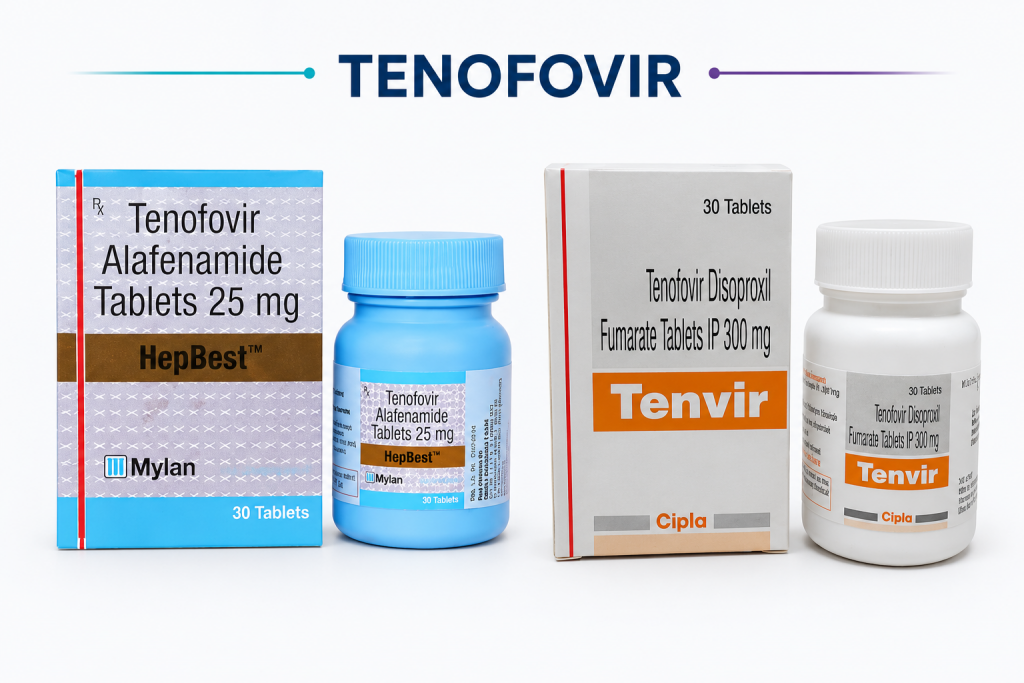
What Is TAF?
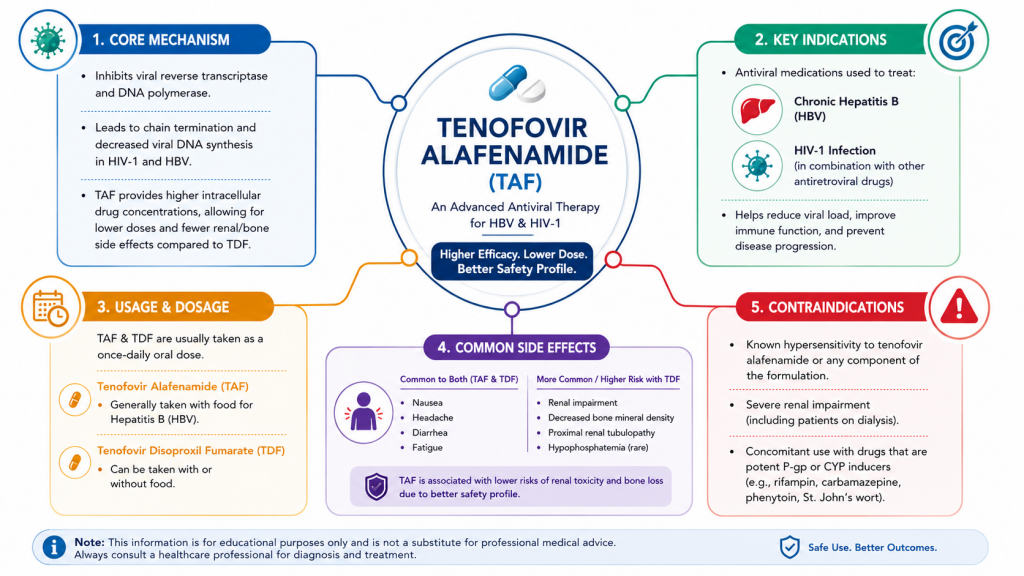
TAF is a newer prodrug formulation of tenofovir developed to improve intracellular delivery efficiency while reducing circulating plasma tenofovir concentrations.
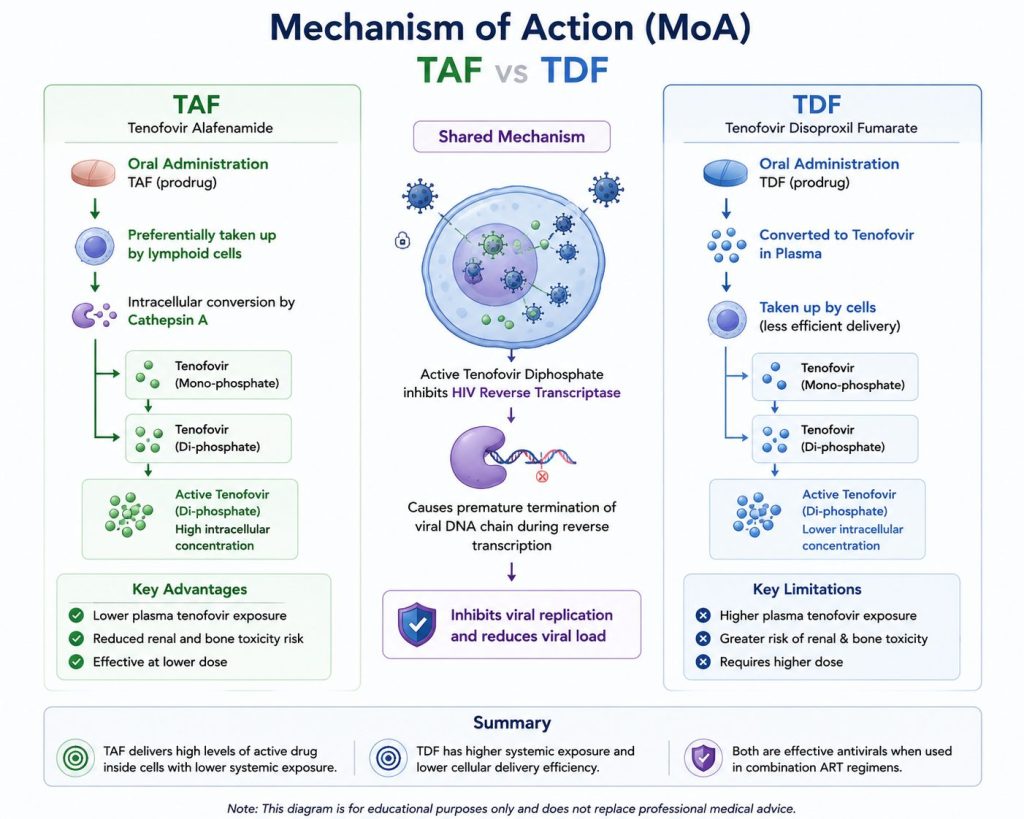
Following oral administration, TAF remains relatively stable in plasma and is preferentially taken up by lymphoid cells, where it undergoes intracellular activation to tenofovir diphosphate, the active antiviral metabolite.
Because TAF achieves higher intracellular concentrations at substantially lower doses, systemic exposure is significantly reduced compared with TDF.
Clinical Advantages of TAF
- Lower plasma tenofovir exposure
- Improved renal safety profile
- Reduced impact on bone mineral density
- Effective viral suppression at lower doses
- Favorable long-term tolerability in many patients
What Is TDF?
TDF is an earlier tenofovir prodrug that has been extensively used worldwide in HIV and hepatitis B management for more than a decade.
After administration, TDF is rapidly converted into tenofovir in plasma before intracellular phosphorylation into active tenofovir diphosphate.
Although highly effective, TDF produces higher systemic tenofovir exposure, which has been associated with renal and skeletal adverse effects in susceptible individuals.
Clinical Benefits of TDF
Extensive long-term clinical experience
Proven antiviral efficacy
Broad global availability
Lower cost in many healthcare systems
Widely accessible generic formulations
Main Search Intent Behind “TAF vs TDF”
The keyword “TAF vs TDF” primarily reflects:
- Comparison Intent: Users comparing safety, effectiveness, and treatment suitability.
- Informational Intent: Patients seeking educational information about antiviral therapies.
- Commercial Intent: Some users researching pricing and availability differences.
Common related searches include:
- TAF vs TDF kidney safety
- difference between TAF and TDF
- TAF vs TDF side effects
- TAF vs TDF cost comparison
- which is safer TAF or TDF
TAF vs TDF: Key Differences
Mechanism of Action
Both TAF and TDF inhibit HIV reverse transcriptase by competing with natural nucleotides during viral DNA synthesis.
Once intracellularly converted into tenofovir diphosphate, the active metabolite causes premature DNA chain termination, thereby suppressing viral replication.
Both agents demonstrate potent activity against:
- HIV-1
- HIV-2
- Chronic hepatitis B virus (HBV)
Pharmacokinetic Differences Between TAF and TDF
The most clinically important distinction between TAF and TDF involves drug distribution and systemic tenofovir exposure.
TAF Pharmacokinetics
TAF demonstrates:
- Higher intracellular delivery efficiency
- Lower plasma tenofovir concentrations
- Reduced renal tubular exposure
- Improved stability in circulation
TDF Pharmacokinetics
TDF results in:
- Higher circulating tenofovir levels
- Greater renal filtration exposure
- Increased systemic drug burden
- Higher risk of long-term renal toxicity
Clinical pharmacology studies demonstrate that TAF may achieve approximately 90% lower plasma tenofovir concentrations compared with TDF while maintaining effective intracellular antiviral activity.
Drug Delivery and Dosage
One of the biggest differences between TAF and TDF involves how the medication is delivered inside the body.
TAF is designed to enter target cells more efficiently, allowing lower doses to achieve antiviral activity. TDF generally requires higher dosing levels to deliver active tenofovir throughout the body.
This formulation difference is often discussed when evaluating long-term safety considerations.
Kidney Health Considerations
Kidney safety is one of the most commonly discussed topics in the TAF vs TDF comparison.
Some healthcare professionals may consider TAF-containing regimens in situations where kidney function monitoring is especially important. However, treatment decisions depend on multiple individual clinical factors.
Routine medical monitoring remains important regardless of the antiviral regimen selected.
Bone Health Considerations
Bone mineral density considerations are another area often mentioned when comparing TAF and TDF.
Healthcare providers may assess bone health risk factors when choosing long-term antiviral therapy, particularly in older adults or patients with pre-existing bone concerns.
Availability and Generic Access
TDF has been available longer and is widely produced in generic form in many countries. This often makes TDF more affordable and accessible globally.
TAF products may still carry higher prices in some regions because they are newer and may have stronger brand positioning.
TAF vs TDF: Clinical Comparison Table
| Clinical Parameter | TAF | TDF |
|---|---|---|
| Antiviral efficacy | Highly effective | Highly effective |
| Plasma tenofovir exposure | Lower | Higher |
| Kidney safety | Improved | Increased nephrotoxicity risk |
| Bone mineral density effects | Reduced impact | Greater bone loss risk |
| Dose requirement | Lower | Higher |
| Long-term tolerability | Often improved | Requires closer monitoring |
| Availability | Newer formulations | Widely available globally |
| Cost | Higher in some regions | Lower generic availability |
TAF vs TDF Cost Comparison
Pricing is a major factor for patients researching antiviral medications, especially for long-term treatment.
TDF Pricing
Generic TDF products are often more affordable because they are manufactured by multiple pharmaceutical companies worldwide.
Public healthcare systems and international treatment programs frequently use TDF-based regimens because of broad availability and lower costs.
TAF Pricing
TAF-containing products may be more expensive in some markets due to newer formulation technology and ongoing patent protections in certain countries.
However, pricing can vary significantly depending on:
- Country of purchase
- Insurance coverage
- Government treatment programs
- Brand versus generic availability
- Combination therapy packaging
Uses and Indications of TAF and TDF
HIV Treatment
Both TAF and TDF are commonly used in combination HIV treatment regimens prescribed under medical supervision.
Therapy selection depends on individual health factors, resistance patterns, previous treatment exposure, and healthcare provider recommendations.
Chronic Hepatitis B
TAF and TDF may also be used in chronic hepatitis B management. Treatment goals generally involve long-term viral suppression and liver health monitoring.
Pre-Exposure Prophylaxis (PrEP)
Certain tenofovir-containing regimens are also used in HIV prevention strategies such as PrEP, depending on regional guidelines and approved formulations.
TAF vs TDF Side Effects
Both medicines may cause side effects, although patient experiences vary.
Common Side Effects
- Nausea
- Headache
- Fatigue
- Digestive discomfort
- Mild dizziness
Monitoring Recommendations
Healthcare providers may recommend routine:
- Kidney function tests
- Liver function monitoring
- Bone health assessments
- Blood testing
Patients should not change or discontinue antiviral therapy without professional medical guidance.
Which Is Better: TAF or TDF?
There is no universal answer to whether TAF or TDF is “better.” The most appropriate therapy depends on:
- Individual medical history
- Kidney health status
- Bone health considerations
- Treatment affordability
- Insurance coverage
- Regional treatment guidelines
Healthcare professionals evaluate these factors carefully when selecting antiviral regimens.
Market Insights and Global Trends
The global antiviral treatment market continues evolving as healthcare systems focus on balancing treatment accessibility, affordability, and long-term safety.
TDF remains widely used in many international public health programs because of extensive generic availability and lower pricing.
Meanwhile, TAF-containing therapies have gained attention in markets where healthcare providers prioritize updated formulations and long-term treatment management considerations.
As patents expire and generic competition increases, pricing and accessibility trends for TAF products may continue changing globally.
Data and Insights Section
The growing interest in “TAF vs TDF” reflects broader patient awareness regarding antiviral treatment safety and long-term care.
Healthcare systems increasingly consider:
- Long-term treatment sustainability
- Medication adherence
- Monitoring requirements
- Healthcare costs
- Patient quality of life
In some healthcare settings, TDF remains preferred because of affordability and established treatment infrastructure. In other regions, TAF may be selected when clinicians prioritize updated formulation profiles.
Treatment decisions should always be individualized and supervised by qualified healthcare professionals.
Frequently Asked Questions About TAF vs TDF
1. What is the main difference between TAF and TDF?
The main difference is how the medication delivers active tenofovir inside the body. TAF is designed to work efficiently at lower doses, while TDF generally uses higher doses. This difference is often discussed in relation to kidney and bone health considerations.
2. Is TAF safer than TDF?
Some healthcare professionals may consider TAF-containing regimens in situations where kidney or bone health monitoring is especially important. However, safety depends on individual health conditions, treatment history, and medical supervision.
3. Why is TAF more expensive than TDF?
TAF products may cost more because they are newer formulations and may still have patent protections in certain regions. TDF has broader generic availability, which often lowers pricing.
4. Are both TAF and TDF used for HIV treatment?
Yes. Both medicines are commonly used as part of combination HIV treatment regimens. Healthcare providers select therapy based on individual clinical needs and treatment guidelines.
5. Can TAF and TDF be used for hepatitis B?
Both formulations may be used in chronic hepatitis B treatment depending on regional guidelines and patient-specific considerations.
6. Does TDF affect kidney function?
Healthcare providers may monitor kidney function during TDF-containing therapy because kidney-related considerations are part of long-term antiviral management. Monitoring practices vary depending on patient risk factors.
7. Is generic TAF available?
Generic TAF availability differs internationally based on regulatory approvals and patent status. Some markets may have more limited access compared with generic TDF.
8. Which is more affordable: TAF or TDF?
In many regions, generic TDF products are generally more affordable than TAF-containing regimens. Pricing varies depending on insurance coverage, pharmacy supply chains, and local healthcare systems.
9. Can patients switch from TDF to TAF?
Switching therapies may be considered in certain clinical situations, but treatment changes should always be guided by qualified healthcare professionals after reviewing individual medical history and monitoring results.
10. Are side effects the same for TAF and TDF?
Both medicines can cause side effects such as nausea, fatigue, or headache, although experiences vary between patients. Healthcare providers monitor treatment response and overall health during therapy.
Related Long-Tail Keywords
- difference between TAF and TDF
- TAF vs TDF side effects
- TAF vs TDF hepatitis B treatment
- TAF vs TDF HIV therapy
- TAF vs TDF cost comparison
- generic TAF vs generic TDF
- TAF antiviral medication guide
- TDF long-term treatment considerations
Suggested Internal Linking Topics
- Tenofovir AF Price Guide
- Understanding HIV Combination Therapy
- Chronic Hepatitis B Treatment Options
- How Antiviral Medications Work
- Guide to Antiviral Drug Safety Monitoring
Conclusion
The TAF vs TDF comparison highlights important differences in formulation, pricing, monitoring considerations, and long-term treatment management. While TDF remains widely accessible and affordable in many healthcare systems, TAF-containing therapies are increasingly discussed in modern antiviral treatment strategies.
The most suitable antiviral regimen depends on individual clinical factors, healthcare access, and professional medical evaluation. Patients interested in learning more about antiviral treatment options should consult qualified healthcare providers for personalized guidance.
For more pharmaceutical comparisons, antiviral medication insights, and healthcare education content, continue exploring trusted medical information resources.