What Is Meloxicam 15mg?
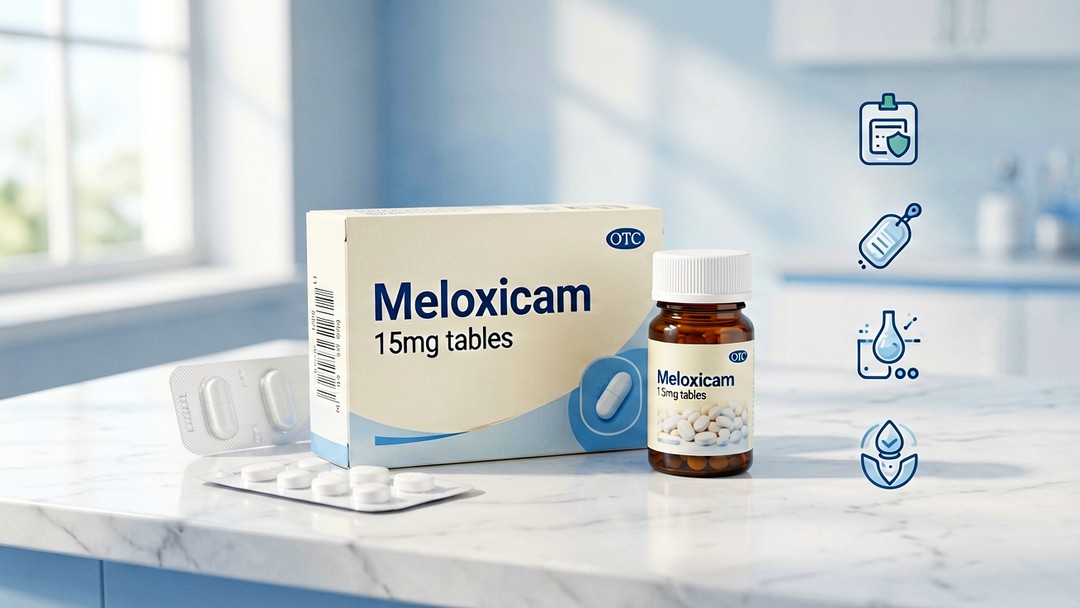
Meloxicam 15mg is a nonsteroidal anti-inflammatory drug (NSAID) belonging to the enolic acid (oxicam) class, prescribed primarily for the management of osteoarthritis, rheumatoid arthritis, and other musculoskeletal pain conditions. It works by selectively inhibiting the cyclooxygenase-2 (COX-2) enzyme more than COX-1, which contributes to effective pain and inflammation control with a comparatively lower incidence of gastrointestinal side effects than traditional non-selective NSAIDs such as ibuprofen or naproxen. This selectivity profile has made meloxicam one of the most commonly prescribed NSAIDs worldwide.
Meloxicam is available as 7.5mg and 15mg tablets, oral suspension, and injectable formulations. The 15mg tablet is the maximum recommended daily dose for most indications and is generally reserved for patients who do not achieve adequate relief with 7.5mg. In India, meloxicam is manufactured by numerous pharmaceutical companies and is one of the most economical prescription NSAIDs available, making long-term arthritis management substantially more accessible for patients in cost-constrained healthcare systems.
Mechanism of Action
Meloxicam exerts its therapeutic effects by inhibiting the cyclooxygenase enzymes responsible for prostaglandin synthesis. Prostaglandins are lipid mediators that sensitize pain receptors, promote vasodilation, and drive the inflammatory cascade in joints and soft tissues. At therapeutic doses, meloxicam preferentially inhibits the COX-2 isoform, which is induced at sites of inflammation, while sparing the constitutively expressed COX-1 isoform that protects the gastric mucosa and supports platelet function. This relative COX-2 selectivity, which is dose-dependent, underlies meloxicam’s improved gastrointestinal tolerability compared with non-selective NSAIDs.
Beyond COX inhibition, meloxicam also inhibits neutrophil activation and reduces the production of pro-inflammatory cytokines, contributing to its anti-inflammatory activity in chronic joint disease. The drug has a long elimination half-life of approximately 15–20 hours, which supports once-daily dosing and provides sustained, round-the-clock symptom control. Steady-state plasma concentrations are achieved within three to five days of daily administration, so patients should expect the full therapeutic effect to develop gradually over the first week of treatment.
Clinical Uses and Indications
Meloxicam 15mg is approved and widely used for the following conditions:
- Osteoarthritis: First-line symptomatic treatment for pain and stiffness in the knees, hips, and hands, particularly when regular paracetamol is insufficient.
- Rheumatoid Arthritis: Adjunctive relief of joint pain, swelling, and morning stiffness in combination with disease-modifying antirheumatic drugs (DMARDs).
- Ankylosing Spondylitis: Reduction of inflammatory back pain and spinal stiffness in patients with axial spondyloarthritis.
- Acute Musculoskeletal Pain: Short-term relief of back pain, sprains, and strains.
- Postoperative Pain: Injectable and oral forms used for moderate pain after orthopedic and dental procedures.
- Dysmenorrhea: Relief of primary menstrual cramping pain.
- Gout Flares: Alternative to colchicine or corticosteroids for acute gouty arthritis when NSAIDs are appropriate.
Dosage and Administration
| Condition | Dosage Regimen | Maximum Daily Dose |
|---|---|---|
| Osteoarthritis | 7.5mg PO once daily; may increase to 15mg | 15mg/day |
| Rheumatoid Arthritis | 7.5–15mg PO once daily | 15mg/day |
| Ankylosing Spondylitis | 15mg PO once daily | 15mg/day |
| Acute pain / post-surgical | 7.5–15mg PO or IM once daily | 15mg/day |
| Gout flare (adjunct) | 7.5–15mg PO once daily for 5–7 days | 15mg/day |
Meloxicam should be taken with food or milk to reduce gastrointestinal irritation. Tablets should be swallowed whole with a glass of water. The lowest effective dose for the shortest duration consistent with treatment goals should be used, particularly in elderly patients, who are at higher risk of gastrointestinal bleeding, renal impairment, and cardiovascular events. Patients with moderate renal impairment or low body weight should not exceed 7.5mg daily.
Meloxicam vs. Other NSAIDs: Comparison
| Medication | Class | COX-2 Selectivity | Dosing Schedule | Key Advantage |
|---|---|---|---|---|
| Meloxicam | Oxicam (enolic acid) | Moderately selective | 7.5–15mg once daily | Once-daily dosing, GI-friendly profile |
| Ibuprofen | Propionic acid | Non-selective | 400–600mg every 6–8 hours | Fast onset, available OTC |
| Naproxen | Propionic acid | Non-selective | 250–500mg twice daily | Long duration, cardiovascular data |
| Diclofenac | Acetic acid | Non-selective | 50mg two to three times daily | Potent anti-inflammatory effect |
| Celecoxib | Coxib | Highly selective | 100–200mg once or twice daily | Lowest GI ulcer risk |
For patients requiring continuous daily pain control, meloxicam’s once-daily dosing is a practical advantage over ibuprofen and diclofenac, which require multiple daily doses. Compared with celecoxib, meloxicam is generally less expensive while offering meaningful COX-2 selectivity. Our diclofenac guide provides a detailed comparison of another widely used NSAID for readers weighing their options.
Side Effects and Safety Profile
The most common side effects of meloxicam involve the gastrointestinal tract: dyspepsia, nausea, abdominal pain, diarrhea, and, less frequently, peptic ulceration and gastrointestinal bleeding. Although meloxicam’s partial COX-2 selectivity reduces GI risk relative to non-selective NSAIDs, it does not eliminate it, and the risk increases with dose, treatment duration, older age, and concurrent use of anticoagulants, corticosteroids, or low-dose aspirin.
Meloxicam also carries cardiovascular risk, including hypertension, fluid retention, and an increased risk of myocardial infarction and stroke that is shared by all NSAIDs to varying degrees. Renal effects include reduced renal blood flow, sodium retention, and the potential for acute kidney injury, particularly in patients with pre-existing renal disease, heart failure, or volume depletion. Rare but serious adverse events include hepatotoxicity, serious skin reactions (Stevens-Johnson syndrome), and anaphylaxis. Meloxicam is contraindicated in patients with aspirin-exacerbated respiratory disease and in the setting of coronary artery bypass graft surgery.
Indian Generic Pricing and Affordability
India is a leading global manufacturer of meloxicam, with generic 15mg tablets available at exceptionally low prices. A 10-tablet strip of generic Meloxicam 15mg from Indian manufacturers typically costs approximately ₹35–₹85 ($0.40–$1.05) in the domestic market. A one-month supply of 30 tablets generally ranges from ₹105–₹255 ($1.25–$3.15). By comparison, a 30-tablet supply of the US brand version typically costs $150–$400, and US generic meloxicam 15mg ranges from $15–$60 depending on pharmacy and insurance coverage.
For patients managing chronic arthritis on a limited budget, the cost difference is substantial. Comparing licensed generic medication suppliers can reduce monthly treatment costs by 70–90% compared with US retail prices. Indian manufacturers producing meloxicam operate under CDSCO regulatory oversight, and many facilities hold USFDA, EMA, or WHO-GMP certifications, providing reassurance about quality for exported generics. As with any NSAID, the lowest effective dose should be used for the shortest duration needed.
Drug Interactions and Precautions
Meloxicam interacts with several commonly prescribed medications. Concurrent use with warfarin, apixaban, rivaroxaban, or other anticoagulants substantially increases bleeding risk. Combination with corticosteroids or selective serotonin reuptake inhibitors (SSRIs) also raises the risk of gastrointestinal bleeding. Meloxicam can reduce the antihypertensive effect of ACE inhibitors, angiotensin receptor blockers, and diuretics, and it may worsen renal function in patients taking these agents. Lithium and methotrexate levels may increase when meloxicam is co-administered, requiring monitoring.
Low-dose aspirin used for cardioprotection retains its antiplatelet effect when taken with meloxicam, but the combination increases ulcer risk. Patients with a history of peptic ulcer disease, inflammatory bowel disease, uncontrolled hypertension, heart failure, or chronic kidney disease should use meloxicam only under close medical supervision, and gastroprotective therapy with a proton pump inhibitor should be considered in high-risk patients.
Safety and Regulatory Information
Meloxicam is a prescription-only (Schedule H) medication in India and requires a prescription in most regulated markets, although lower-dose formulations are available over the counter in some countries. Regulatory labeling includes boxed warnings for serious cardiovascular thrombotic events and serious gastrointestinal bleeding, ulceration, and perforation, consistent with the NSAID class. Generic meloxicam products must demonstrate bioequivalence to the reference product, and manufacturing facilities are subject to CDSCO inspection, with many also audited by international regulators. Patients should avoid combining meloxicam with other NSAIDs and should never exceed the recommended daily dose.
Frequently Asked Questions (FAQ)
How long does it take for Meloxicam 15mg to start working?
Some pain relief may begin within a few hours of the first dose, but full anti-inflammatory benefit typically develops over 3–5 days as the drug reaches steady-state levels. Consistent once-daily dosing is important for optimal effect.
Is Meloxicam stronger than ibuprofen?
Meloxicam is not necessarily “stronger” but offers more convenient once-daily dosing and a somewhat lower risk of gastrointestinal side effects due to its partial COX-2 selectivity. Ibuprofen has a faster onset of action and is available without a prescription at lower doses.
Can I take Meloxicam every day for arthritis?
Yes, many patients with osteoarthritis or rheumatoid arthritis take meloxicam daily under medical supervision. However, long-term use should be at the lowest effective dose, and periodic review of kidney function, blood pressure, and gastrointestinal risk is recommended.
What should I avoid while taking Meloxicam?
Avoid alcohol, other NSAIDs (including over-the-counter ibuprofen and naproxen), and aspirin unless specifically directed by your doctor. Tell your healthcare provider about all medications you take, especially blood thinners, steroids, and blood pressure medicines.
Can I take Meloxicam with food?
Yes. Taking meloxicam with food or milk reduces stomach irritation. It should be taken at the same time each day, preferably with a meal, to maintain consistent blood levels.
References
- US Food and Drug Administration. Meloxicam Prescribing Information (Mobic). FDA Label Database. 2023.
- Fleischmann R, et al. Meloxicam in the treatment of osteoarthritis: a meta-analysis. J Rheumatol. 2002;29(2):289–297.
- Barden J, et al. Impact of selective COX-2 inhibitors versus non-selective NSAIDs on gastrointestinal events: systematic review. Aliment Pharmacol Ther. 2004;20(3):317–325.
- Bhala N, et al. Vascular and upper gastrointestinal effects of non-steroidal anti-inflammatory drugs: meta-analyses of individual participant data from randomised trials (Coxib and traditional NSAID Collaboration). Lancet. 2013;382(9894):769–779.
- WHO Model List of Essential Medicines — 22nd List. World Health Organization. 2021.
- American College of Rheumatology. Guidelines for the management of osteoarthritis of the hand, hip, and knee. Arthritis Care Res. 2020;72(2):149–162.
Disclaimer: This article is for informational purposes only and does not constitute medical advice. Always consult a qualified healthcare provider before starting, stopping, or changing any medication. Meloxicam and other NSAIDs carry risks of serious gastrointestinal bleeding, cardiovascular events, and kidney injury, especially with long-term use or in patients with underlying conditions. Pricing information is approximate, varies by market and pharmacy, and is subject to change. Medications should only be purchased from licensed, reputable sources.