What Is Levofloxacin?
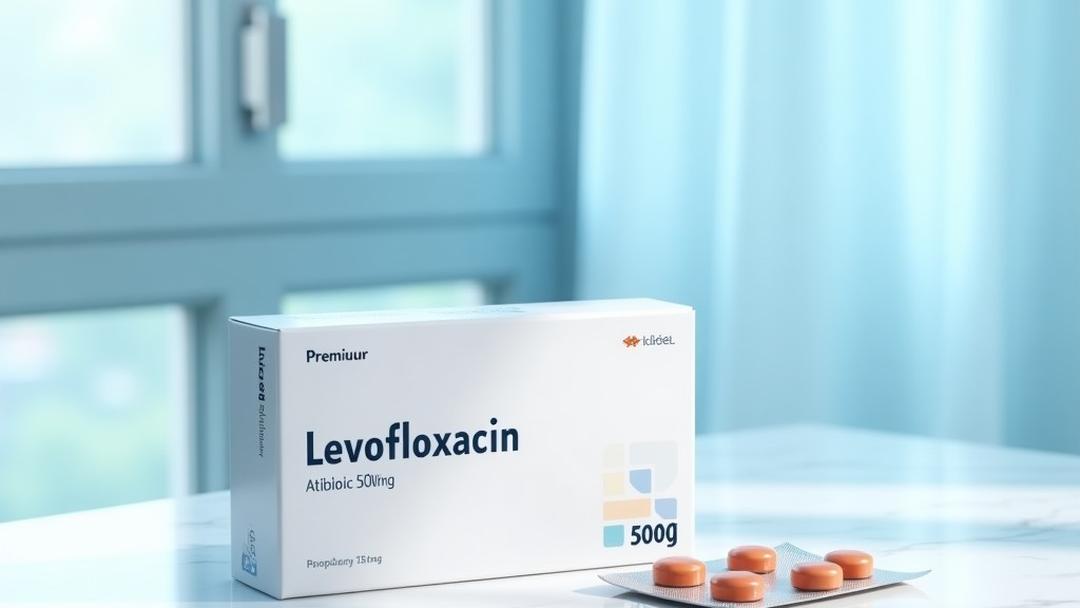
Levofloxacin is a third-generation fluoroquinolone antibiotic and the active L-isomer of ofloxacin. It inhibits bacterial DNA gyrase and topoisomerase IV, enzymes essential for DNA replication and repair, producing a rapid bactericidal effect. Marketed under the brand name Levaquin (and as generic levofloxacin), it is used for a range of community and hospital infections when broader or alternative coverage is needed.
Because fluoroquinolones carry serious black-box warnings, levofloxacin should be reserved for infections where alternative antibiotics are inappropriate — a principle emphasized by the US FDA and the European Medicines Agency (EMA).
How Levofloxacin Works (Mechanism of Action)
Levofloxacin blocks two critical bacterial enzymes: DNA gyrase (primarily in Gram-negative bacteria) and topoisomerase IV (primarily in Gram-positive bacteria). By preventing DNA supercoiling and segregation, it triggers irreversible DNA damage and cell death. The drug achieves excellent tissue penetration, including into lung tissue, which underpins its utility in respiratory tract infections.
What Levofloxacin Is Used For
- Community-acquired pneumonia: a validated first-line fluoroquinolone option.
- Acute bacterial sinusitis and exacerbations of chronic bronchitis.
- Urinary tract infections, including complicated pyelonephritis.
- Skin and soft-tissue infections caused by susceptible organisms.
- Prostatitis and certain hospital-acquired infections under specialist guidance.
Dosage Guidelines
| Indication | Typical Adult Dose | Duration |
|---|---|---|
| Community-acquired pneumonia | 500–750 mg once daily | 7–14 days |
| Uncomplicated UTI | 250 mg once daily | 3 days |
| Complicated UTI / pyelonephritis | 250–750 mg once daily | 7–14 days |
| Skin/soft-tissue infection | 500–750 mg once daily | 7–14 days |
Doses must be reduced in patients with renal impairment, and patients should stay well hydrated. Levofloxacin is best taken at the same time each day, away from calcium- or iron-rich foods if tolerated.
Clinical Evidence & Guidelines
The 2019 ATS/IDSA Community-Acquired Pneumonia guideline lists a respiratory fluoroquinolone such as levofloxacin as appropriate therapy, particularly when atypical pathogens are suspected or in patients with comorbidities. However, both the FDA and EMA have issued safety communications urging that fluoroquinolones be reserved for situations where no safer alternative exists, because of the risk of disabling adverse effects.
Levofloxacin vs. Ciprofloxacin
| Feature | Levofloxacin | Ciprofloxacin |
|---|---|---|
| Typical once-daily dose | Yes (500–750 mg) | No (often twice daily) |
| Respiratory coverage | Strong (atypical cover) | Moderate |
| Gram-positive activity | Better | Weaker |
| Main use | Pneumonia, UTI | UTI, GI, anthrax |
Both share the same class-wide safety warnings; choice depends on the infection site, susceptibility, and patient factors.
Drug Interactions
- QT-prolonging drugs (certain antiarrhythmics, macrolides, antipsychotics) increase arrhythmia risk — avoid combination where possible.
- Multivalent cations (calcium, iron, zinc, magnesium antacids, sucralfate) sharply reduce absorption; separate by 2+ hours.
- NSAIDs may rarely lower the seizure threshold when combined with fluoroquinolones.
- Oral hypoglycemics (sulfonylureas) can interact, causing dysglycemia.
Generic Pricing in India vs. US Brand
All figures are estimated ranges and vary by pharmacy, strength, pack size, and exchange rate.
- Indian generic levofloxacin 500 mg tablet (pack of 10): approximately $1.60–$2.40.
- US brand Levaquin 500 mg (pack of 10): roughly $120–$360 depending on pharmacy.
- US generic levofloxacin 500 mg (pack of 10): about $10–$40 at large retail chains.
Patients comparing long-term or repeat-course therapy will find generic alternatives offer a meaningful reduction in out-of-pocket cost. Review our broader Pharmaceuticals section and the Azithromycin guide for respiratory-infection alternatives.
Side Effects & Safety — Black-Box Warnings
The FDA mandates a black-box warning for all fluoroquinolones, including levofloxacin, because of the risk of:
- Tendinitis and tendon rupture (especially Achilles), even months after stopping.
- Peripheral neuropathy that may be permanent.
- Central nervous system effects — seizures, confusion, hallucinations, depression, suicidal thoughts.
- Aortic aneurysm rupture in susceptible patients.
- QT prolongation and dysglycemia in diabetics on oral hypoglycemics.
Because of these risks, guidelines now recommend fluoroquinolones only when no safer alternative exists. Patients should stop the drug and seek urgent care for tendon pain, nerve symptoms, or mood changes.
Who Should Avoid Levofloxacin
- Patients with a history of fluoroquinolone-associated tendon disorders.
- Those with known QT prolongation or on concurrent QT-prolonging drugs.
- Pregnant and breastfeeding women unless clearly necessary.
- Children (reserved for specific indications) due to musculoskeletal effects.
Patient Experience & Practical Tips
Patients prescribed levofloxacin should note the exact timing of any new joint, tendon, or nerve symptoms and stop the medication immediately if they occur. Staying well hydrated, taking the dose at a consistent time, and avoiding antacids or iron supplements within two hours of dosing preserves both safety and efficacy. Because the drug can cause dizziness or confusion, patients should avoid driving until they know how they respond.
Frequently Asked Questions
Why does levofloxacin carry a black-box warning?
Fluoroquinolones can cause disabling and potentially permanent tendon, nerve, and CNS side effects, including tendon rupture and peripheral neuropathy, which is why regulators restrict their routine use.
Can I take levofloxacin with food?
Yes. Levofloxacin can be taken with or without food. Avoid separating doses with large amounts of calcium, iron, or zinc supplements, which reduce absorption.
How is levofloxacin different from ciprofloxacin?
Levofloxacin offers once-daily dosing and stronger coverage of respiratory and Gram-positive pathogens, while ciprofloxacin is traditionally favored for urinary and gastrointestinal infections.
What symptoms mean I should stop the drug immediately?
Stop and seek urgent care for sudden tendon pain or swelling, tingling or numbness in the limbs, or new confusion, mood changes, or palpitations.
How to Take Levofloxacin Correctly
Levofloxacin tablets are usually taken once daily, at roughly the same time, with a full glass of water. Patients should stay upright for at least 30 to 60 minutes after dosing to avoid oesophageal irritation, and they should maintain good hydration throughout the course to reduce the risk of crystalluria. The drug can be taken with or without food, but patients should avoid taking it together with calcium, iron, zinc, magnesium, or aluminium products (antacids, many multivitamins, sucralfate) — these cations bind levofloxacin and sharply cut absorption. A separation of at least two hours (ideally four) is prudent. Alcohol is not strictly forbidden but is best limited, as both can cause dizziness. Patients should never double a missed dose; if the next dose is close, skip the missed one. Finishing the prescribed course is important, though many fluoroquinolone courses are short (3 to 14 days).
Storage and Handling
Store levofloxacin tablets at room temperature (20°C–25°C / 68°F–77°F) in the original container, away from moisture and direct light. The blister packaging protects the tablets from humidity better than a pillbox left in the bathroom. Keep out of the reach of children and pets, and do not use beyond the expiry date, as degraded fluoroquinolones can be harmful. If a tablet is cracked or discolored, return it to the pharmacy for replacement. Patients should keep a written note of the exact start date and any symptoms they notice, since early reporting of tendon or nerve issues is critical.
Special Populations
Elderly patients face higher rates of tendon rupture, kidney change, and CNS effects, so the lowest effective dose for the shortest needed duration is preferred, with renal function guiding the dose. Patients with kidney impairment require dose reduction based on creatinine clearance, because levofloxacin is cleared largely by the kidneys. Children are generally excluded because of musculoskeletal toxicity, except for specific approved indications such as inhalational anthrax exposure. Pregnant and breastfeeding women should use levofloxacin only if no safer alternative exists, given animal data showing cartilage effects and the drug’s passage into milk.
More Frequently Asked Questions
How quickly does levofloxacin start working?
Many patients feel fever and infection symptoms improve within 48–72 hours, but the full course must still be completed to prevent relapse and resistance, unless a clinician advises otherwise.
Can I exercise while taking levofloxacin?
Because of the tendon-rupture risk, clinicians advise avoiding strenuous or high-impact exercise — especially running or heavy lifting — during therapy and for several days after, stopping immediately if any tendon pain appears.
Key Takeaways
Levofloxacin is a powerful, rapidly bactericidal fluoroquinolone with genuine strengths in respiratory and urinary infections, but its benefit must always be weighed against a well-documented profile of serious, sometimes irreversible adverse effects. Modern guidelines therefore reserve it for situations where safer alternatives are unsuitable. Patients who are prescribed it should respect the dosing rules — hydrate, separate cation-containing products, avoid high-impact exercise — and act immediately on any tendon, nerve, or mood signal. Generic levofloxacin offers substantial cost savings over the US brand without sacrificing the active molecule. Used judiciously and under proper medical supervision, it remains an important option in the antibiotic arsenal; used casually, it is a drug to avoid.
Medical Disclaimer
This article is for informational purposes only and is not medical advice. Fluoroquinolones such as levofloxacin carry serious, sometimes irreversible risks and must be used only under a licensed prescriber’s direction. Prices vary by supplier, country, pack size, and strength; the ranges shown are estimates, not quotations. Always consult a qualified healthcare professional before using any antibiotic.