
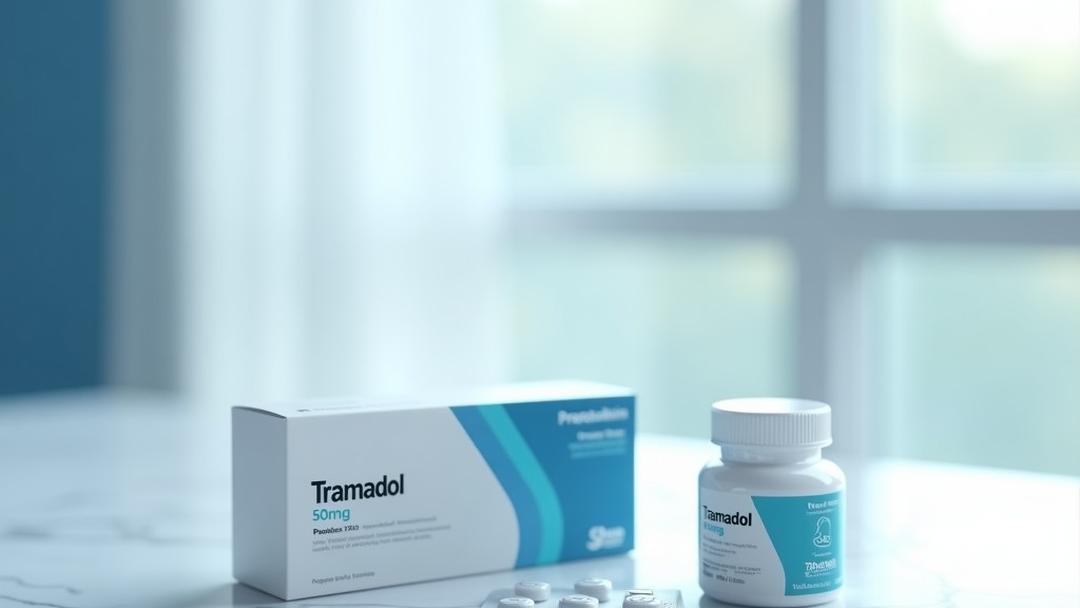
Chronic and nerve-related pain affects an estimated 20% or more of adults worldwide, and two names come up repeatedly in treatment discussions: Tramadol and Pregabalin. One is an opioid-related analgesic; the other is an anti-seizure medication repurposed for nerve pain. This guide explains how each works, what kind of pain each targets best, how they are dosed, their distinct safety profiles, and what patients can realistically expect to pay for generic versus brand-name supplies.
What Is Tramadol?
Tramadol (brand Ultram) is a centrally acting opioid analgesic with a dual mechanism: it binds weakly to mu-opioid receptors and also inhibits the reuptake of serotonin and norepinephrine. It is approved for moderate to moderately severe pain and is sometimes used for osteoarthritis, postoperative pain, and certain chronic pain syndromes. Because it is a Schedule IV controlled substance in the US, it carries addiction and dependence considerations.
What Is Pregabalin?
Pregabalin (brand Lyrica) is a gabapentinoid that binds to the alpha-2-delta subunit of voltage-gated calcium channels in the nervous system, reducing the release of excitatory neurotransmitters. It is approved for neuropathic pain (diabetic nerve pain, post-herpetic neuralgia), fibromyalgia, and as adjunctive therapy for partial seizures. Unlike Tramadol, it is not an opioid and has no classical euphoria at therapeutic doses, though it is also controlled (Schedule V in the US) because of misuse potential.
How They Work: Mechanism of Action
Tramadol’s pain relief comes from opioid-receptor activation plus “boosting” descending pain-inhibitory pathways via serotonin and norepinephrine. This dual action makes it somewhat different from traditional opioids but does not eliminate opioid-related risks.
Pregabalin calms overactive nerve signaling. In neuropathic pain, damaged nerves fire spontaneously; by dampening calcium-channel activity at nerve terminals, Pregabalin reduces this aberrant signaling. Its benefit is largely confined to nerve-type pain rather than tissue injury pain.
Which Pain Does Each Target?
Tramadol is a general analgesic suited to nociceptive pain (e.g., post-surgical, musculoskeletal). Pregabalin is specifically indicated for neuropathic and centralized pain states such as fibromyalgia. Using Tramadol for fibromyalgia or Pregabalin for acute tissue pain is generally less effective — matching the drug to the pain type matters more than potency.
Typical Dosage
| Scenario | Tramadol (immediate release) | Pregabalin |
|---|---|---|
| Starting adult dose | 25–50 mg every 4–6 hours as needed | 75 mg twice daily (or 50 mg three times) |
| Usual maintenance | 50–100 mg every 4–6 hours, max 400 mg/day | 150–300 mg/day divided |
| Titration | Raise gradually to limit nausea | Titrate up over days to limit dizziness |
Doses are illustrative; a prescriber must individualize therapy, especially given seizure-risk and opioid-safety concerns with Tramadol.
Head-to-Head Comparison
| Factor | Tramadol | Pregabalin |
|---|---|---|
| Drug class | Opioid-analgesic (atypical) | Gabapentinoid / anti-seizure |
| Best for | General moderate pain | Nerve pain, fibromyalgia |
| Controlled substance | Schedule IV (US) | Schedule V (US) |
| Key limiting side effects | Nausea, constipation, dependence | Dizziness, somnolence, weight gain |
| Withdrawal risk | Yes (opioid-type) | Rebound insomnia/anxiety if stopped fast |
Side Effects & Safety
Tramadol carries a boxed warning for respiratory depression and the risk of serotonin syndrome when combined with SSRIs, SNRIs, or triptans. It can lower the seizure threshold, especially at high doses or with certain medications, and has dependence potential. Pregabalin’s main drawbacks are central nervous system sedation, dizziness, blurred vision, peripheral edema, and weight gain; abrupt discontinuation can trigger rebound anxiety or insomnia. Neither should be combined with alcohol. Patients with kidney impairment need dose reductions for Pregabalin.
Generic Pricing & Brand-Name Costs
Both are available as generics, substantially lowering cost versus brand. The ranges below are typical out-of-pocket estimates for budgeting only.
| Product | Generic (per month) | US brand (per month) |
|---|---|---|
| Tramadol 50 mg | $4.50–$14.00 | $40–$110 |
| Pregabalin 75 mg | $9.00–$27.00 | $135–$360 |
Generic Pregabalin, in particular, represents one of the largest cost savings opportunities for chronic neuropathic pain patients. Compare options in our Tramadol guide and Pregabalin guide, or browse the full Pharmaceuticals catalog.
Which Should You Choose?
The question is less “which is stronger” and more “which matches your pain.” Nerve-type pain (burning, shooting, tingling) generally responds better to Pregabalin; broader moderate pain may be addressed with Tramadol. Because both have dependence or misuse considerations and interact with other CNS drugs, the choice — and any combination — must be supervised by a prescriber who knows your full medication list.
Clinical Evidence & Real-World Effectiveness
Pregabalin’s efficacy in diabetic peripheral neuropathy and post-herpetic neuralgia is supported by multiple large trials showing meaningful pain reduction in roughly one-third to one-half of treated patients, versus fewer with placebo. In fibromyalgia, it improves pain and sleep in a substantial subgroup. Tramadol has proven benefit for moderate pain in osteoarthritis and postoperative settings, though its effect size is generally modest. Neither drug is a cure; both aim to reduce pain to a manageable level that improves function and quality of life. Head-to-head data are limited, which is why the choice hinges on pain type and individual tolerance rather than a simple “stronger” ranking.
Drug Interactions & Precautions
Tramadol demands special caution: combining it with SSRIs, SNRIs, or triptans raises the risk of serotonin syndrome, and it can lower the seizure threshold when paired with other pro-convulsant drugs. Overlapping it with other opioids or sedatives compounds respiratory-depression risk. Pregabalin adds to the sedation of alcohol, benzodiazepines, and opioids, and dose adjustment is essential in kidney impairment. Patients should share their full medication list with the prescriber, and neither drug should be stopped abruptly without medical guidance because rebound symptoms can occur.
Who Should Avoid These Medications
Tramadol should be avoided in people with a history of seizures, those taking MAO inhibitors, and patients with severe asthma, chronic obstructive pulmonary disease, or bowel obstruction. Pregabalin requires caution in individuals with active substance-use disorder, myasthenia gravis, or severe kidney disease without dose adjustment. Because both can impair reaction time, avoid driving or operating machinery until you know how they affect you. Older adults are more sensitive to sedation and falls and often need lower starting doses.
When to Seek Medical Advice
Seek emergency help for slowed or difficult breathing, confusion, hallucinations, seizures, or thoughts of self-harm. Contact your prescriber promptly for swelling of the face or limbs, severe dizziness, or worsening pain that is not relieved by the medication. Because both drugs carry dependence or misuse potential, any urge to take more than prescribed, or withdrawal symptoms such as anxiety and insomnia when a dose is missed, should be discussed with a clinician without delay.
Practical Tips for Living with Chronic Pain Therapy
Managing long-term pain with these medications works best as part of a broader plan. Use the lowest effective dose for the shortest necessary duration, and keep a simple symptom diary noting pain levels, side effects, and sleep, which helps your clinician fine-tune treatment. Avoid alcohol, which amplifies drowsiness and dizziness with both drugs. If sedation bothers you, taking doses at bedtime or splitting them can help, but only with prescriber approval. Combine medication with non-drug strategies such as physiotherapy, gentle exercise, cognitive behavioral therapy, or heat and cold application, which often reduce the total medication needed. Regular check-ins let your doctor reassess whether the benefits continue to outweigh the risks over time.
Ultimately, Tramadol and Pregabalin are not interchangeable rivals but tools for different jobs. Tramadol covers broad moderate pain through opioid and neurotransmitter pathways, whereas Pregabalin specifically quiets nerve-type pain and fibromyalgia through calcium-channel modulation. Understanding this distinction helps patients and clinicians set realistic goals: reduced, manageable pain and improved function rather than complete elimination. Used under proper supervision, with attention to interactions and dependence risks, either medication can be a valuable part of a personalized pain-management plan.
Frequently Asked Questions
Can Tramadol and Pregabalin be taken together? They are sometimes combined under specialist supervision for mixed pain, but additive sedation and opioid-related risks require careful monitoring.
Which is better for fibromyalgia? Pregabalin is FDA-approved for fibromyalgia and is generally preferred; Tramadol is not a first-line fibromyalgia agent.
Is Pregabalin addictive? It has misuse potential and is controlled, but at therapeutic doses it is not typically euphorigenic; stopping abruptly can cause discontinuation symptoms.
Does Tramadol help nerve pain? It may help some neuropathic pain, but gabapentinoids like Pregabalin are usually more effective and better studied for that indication.
Medical Disclaimer
This article is for informational and educational purposes only and is not medical advice, diagnosis, or treatment. Both Tramadol and Pregabalin are controlled substances in many jurisdictions and must be prescribed and monitored by a licensed healthcare professional. Prices are approximate ranges that vary by pharmacy, dosage, quantity, and region, and are not a guarantee of any specific price. Never start, stop, or change a pain regimen without consulting your physician or pharmacist.
References
- FDA Tramadol Drug Label (accessdata.fda.gov)
- FDA Pregabalin Drug Label (accessdata.fda.gov)
- APS/AAPM Guidelines for Chronic Pain
- Cochrane Review: Pregabalin for neuropathic pain
- NEJM: Opioid prescribing and safety considerations
- UpToDate: Pharmacotherapy for neuropathic pain