Fluconazole (Diflucan) Guide: Treating Yeast & Fungal Infections with a Trusted Triazole
Fluconazole is one of the most widely prescribed antifungal agents in the world. Sold under the brand name Diflucan and available as numerous affordable generic versions, it belongs to the triazole class of antifungals and is the first-line oral treatment for many Candida infections. This guide explains how fluconazole works, the evidence behind its use, practical dosing, how Indian-manufactured generics compare on cost, and the safety points every patient and clinician should know. You can also explore our full pharmaceuticals catalog for related treatment options.
What Is Fluconazole?
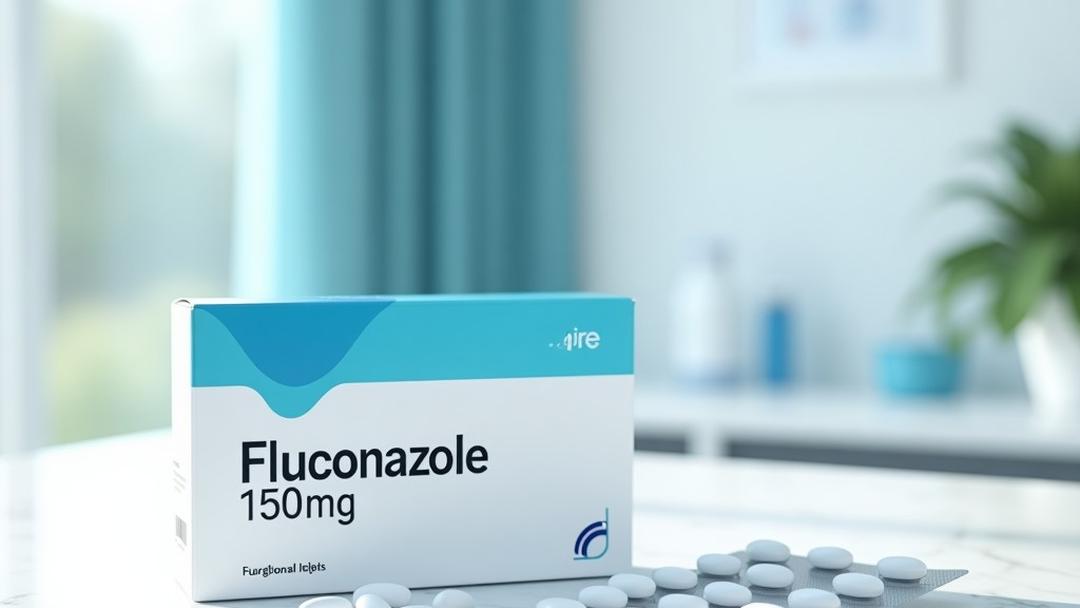
Fluconazole is a synthetic bis-triazole antifungal introduced in the late 1980s. Unlike older polyene antifungals such as nystatin or amphotericin B, fluconazole is orally absorbed, reaches therapeutic levels in urine, cerebrospinal fluid, and vaginal tissue, and is generally well tolerated. It is supplied as 50 mg, 100 mg, 150 mg, and 200 mg capsules or oral suspension, and as an intravenous formulation for hospital use.
Mechanism of Action: Blocking Ergosterol Synthesis
Fungal cell membranes depend on a sterol called ergosterol for structure and permeability. Fluconazole inhibits lanosterol 14-alpha-demethylase (CYP51), a key enzyme in the ergosterol biosynthesis pathway. By blocking this enzyme, fluconazole causes ergosterol depletion and the accumulation of toxic methylated sterol precursors, weakening the fungal membrane until the organism dies. Because human cells use cholesterol rather than ergosterol, fluconazole selectively targets fungi with a relatively favorable safety margin.
Clinical Uses & Evidence
Fluconazole is approved and guideline-recommended for a broad range of fungal conditions:
Vulvovaginal candidiasis (yeast infection): A single 150 mg oral dose cures roughly 80–90% of uncomplicated episodes. The CDC and most international guidelines recommend the single-dose regimen as first-line therapy.
Oropharyngeal and esophageal candidiasis: Common in immunocompromised patients, including those living with HIV. Typical courses run 7–14 days, with higher doses for esophageal involvement.
Cryptococcal meningitis: Used in consolidation and maintenance phases (often after induction with amphotericin B plus flucytosine).
Prophylaxis: Low-dose fluconazole reduces fungal infection rates in high-risk neutropenic or transplant patients, though local resistance patterns guide its use.
Dosage Reference
| Indication | Typical Adult Dose | Duration |
|---|---|---|
| Uncomplicated vaginal yeast infection | 150 mg single oral dose | One time |
| Oropharyngeal candidiasis | 200–400 mg day 1, then 100–200 mg daily | 7–14 days |
| Esophageal candidiasis | 200 mg day 1, then 100–200 mg daily | 14–21 days |
| Cryptococcal maintenance | 200 mg daily | Until immune recovery |
| Dermatophyte (off-label) | 150–300 mg weekly | 2–4 weeks |
Doses must be individualized by a prescriber, especially in renal impairment where accumulation occurs. The figures above are general references, not instructions.
How Fluconazole Compares to Other Antifungals
| Agent | Route | Best For | Key Limitation |
|---|---|---|---|
| Fluconazole | Oral / IV | Systemic & mucosal Candida | Resistance rising in some C. glabrata |
| Clotrimazole (topical) | Vaginal cream / oral lozenge | Localized thrush or vaginal | Does not treat systemic disease |
| Nystatin | Oral suspension / topical | Mild oral thrush | Poor systemic absorption |
| Itraconazole | Oral / IV | Dermatophytes, endemic mycoses | More drug interactions |
| Amphotericin B | IV | Life-threatening invasive fungal | Significant toxicity |
Affordable Generic Pricing (India vs. US Brand)
Generic fluconazole is manufactured at scale in India and is dramatically cheaper than the US brand Diflucan. Estimated market ranges (±10% variability by supplier and batch):
| Product | Indian Generic (per 150 mg tab) | US Brand (Diflucan, per 150 mg tab) |
|---|---|---|
| Fluconazole 150 mg | ₹14–₹33 (approx. $0.17–$0.40) | $18–$44 |
For a typical single-dose yeast infection treatment, the Indian generic cost is a small fraction of the US branded price. Prices fluctuate with exchange rates, manufacturer, and pharmacy markup — always obtain a current quote from a licensed supplier.
Side Effects & Safety Profile
Most patients tolerate fluconazole well. The most common adverse effects are mild gastrointestinal symptoms — nausea, abdominal discomfort, and diarrhea — affecting roughly 5–10% of users. Headache and rash occur less frequently.
Rare but serious risks include hepatotoxicity (liver injury), severe skin reactions such as Stevens-Johnson syndrome, and QT-prolongation at high doses. Liver function should be monitored in patients on prolonged therapy.
Important Drug Interactions
Fluconazole inhibits CYP2C9, CYP2C19, and CYP3A4 enzymes. Clinically significant interactions include warfarin (increased bleeding risk), certain sulfonylureas (hypoglycemia), phenytoin, cyclosporine, benzodiazepines, and statins. A full medication review with a pharmacist is essential before starting treatment.
Who Should Use Caution
Fluconazole should be used cautiously in pregnancy (especially the first trimester), in patients with liver disease, and in those with known prolonged QT interval or concurrent QT-prolonging drugs. It passes into breast milk in small amounts.
Decision Guide: Is Fluconazole Right for You?
Choose fluconazole when you need systemic or mucosal antifungal coverage and a single convenient oral dose is preferable to topical creams. For isolated skin or nail disease, topical azoles or terbinafine may be more appropriate. Recurrent vaginal infections (four or more per year) warrant evaluation for underlying causes rather than repeated self-treatment.
Antifungal Resistance & Stewardship
Although fluconazole remains highly effective, resistance is a growing concern — particularly among Candida glabrata and Candida krusei, which are inherently less susceptible. Indiscriminate or prolonged use, especially for prophylaxis in intensive-care settings, accelerates resistance. Responsible use means reserving fluconazole for documented or strongly suspected susceptible infections, using the shortest effective course, and switching to an alternative agent (such as an echinocandin or voriconazole) when cultures show resistance or when a patient fails to respond. De-escalation guided by susceptibility testing protects both the individual and the broader community.
Special Populations
Pregnancy: Fluconazole is categorized with caution — a single 150 mg dose for vaginal candidiasis is generally considered acceptable, but high-dose or prolonged therapy, especially in the first trimester, has been associated with birth defects and is avoided. Topical azoles are often preferred during pregnancy.
Renal impairment: Because fluconazole is renally excreted, accumulation occurs in severe kidney disease; dosing intervals are extended (for example, every 48–72 hours) and loading doses are still given.
Elderly: Age-related decline in renal function and polypharmacy raise interaction and toxicity risks; a medication review is essential.
Children: Dosing is weight-based (typically 3–6 mg/kg/day for systemic infection) and must be calculated by a pediatrician.
Patient Counseling Checklist
Counsel patients to: take the dose exactly as prescribed and not to share medication; complete the full course even if symptoms improve; report yellowing of skin/eyes, dark urine, severe rash, or unusual fatigue promptly (possible liver injury); separate fluconazole from interacting drugs per pharmacist guidance; and store capsules at room temperature away from moisture. For recurrent infections, track frequency and triggers to support a prevention strategy with the prescriber.
Frequently Asked Questions
1. How fast does fluconazole work for a yeast infection?
Many people notice symptom relief within 24–72 hours of a single 150 mg dose, though full resolution can take up to a week.
2. Can I drink alcohol while taking fluconazole?
Moderate alcohol is unlikely to cause a direct reaction, but both substances stress the liver. Avoid heavy drinking during treatment.
3. Is generic fluconazole as effective as Diflucan?
Yes. Generic fluconazole contains the identical active ingredient and must meet the same bioequivalence standards as the brand.
4. Why was I prescribed multiple doses instead of one?
Recurrent, esophageal, or immunocompromise-related infections often require longer courses to prevent relapse.
5. Can men take fluconazole?
Yes. Although yeast infections are more common in women, men with candidal balanitis or oral thrush can be treated effectively.
Medical Disclaimer: This article is provided for general informational purposes only and does not constitute medical advice, diagnosis, or treatment. Prices for generic medications vary by supplier, country, batch, and exchange rate, and the ranges shown reflect approximate market estimates that may change without notice. Always consult a licensed healthcare provider before starting, stopping, or changing any medication. Generic alternatives should be sourced from verified, regulated pharmacies, and a valid prescription is required for prescription-only medicines.
References
1. DailyMed — Fluconazole labeling (NIH): https://dailymed.nlm.nih.gov/dailymed/search.cfm?query=fluconazole
2. CDC — Sexually Transmitted Infections Treatment Guidelines (Candidiasis): https://www.cdc.gov/std/
3. Mayo Clinic — Fluconazole overview: https://www.mayoclinic.org/
4. Infectious Diseases Society of America (IDSA) — Candidiasis clinical practice guidelines
5. FDA — Drug Safety Communications: https://www.fda.gov/