
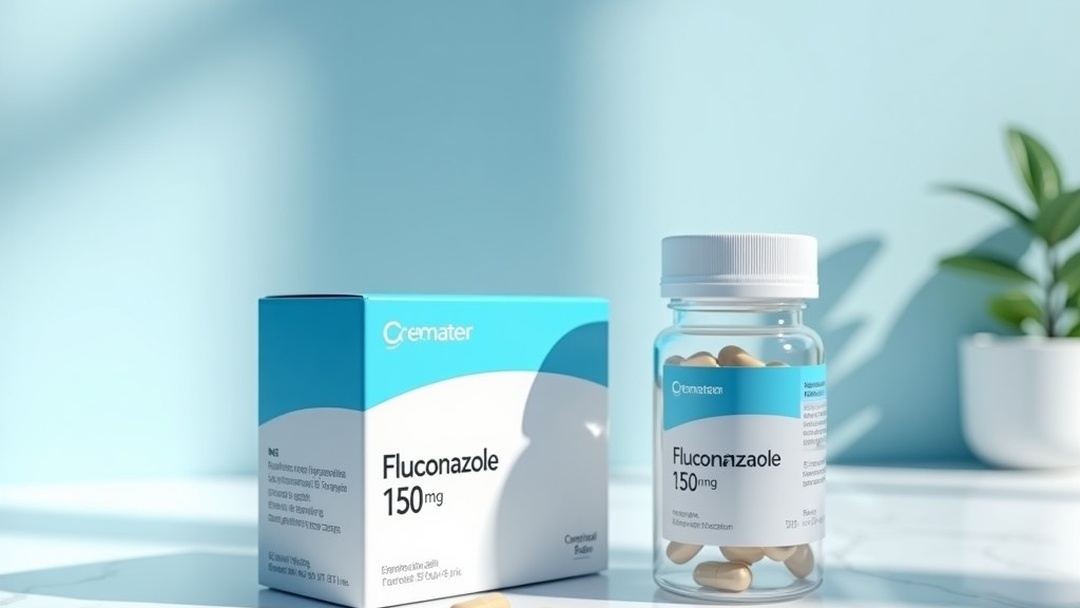
Fluconazole (Diflucan) Guide: Uses, Dosage, Side Effects & What You Need to Know
What Is Fluconazole?
Fluconazole is a prescription antifungal medication belonging to the triazole class of drugs. First approved by the U.S. Food and Drug Administration (FDA) in 1990 and marketed under the brand name Diflucan, fluconazole has become one of the most widely prescribed antifungal agents worldwide. It is available as oral tablets, oral suspension (powder for liquid), and as an intravenous (IV) formulation for hospital use.
The World Health Organization (WHO) includes fluconazole on its Model List of Essential Medicines, underscoring its status as a critical tool in the global fight against fungal infections. According to the Centers for Disease Control and Prevention (CDC), fluconazole is the preferred first-line treatment for several common and serious fungal conditions, including vulvovaginal candidiasis (vaginal yeast infections) and candidemia (bloodstream Candida infections). The Infectious Diseases Society of America (IDSA) likewise recommends fluconazole as a primary therapeutic option in its clinical practice guidelines for the management of candidiasis.
How Does Fluconazole Work?
Fluconazole works by interfering with the synthesis of ergosterol, a vital component of the fungal cell membrane. Specifically, it inhibits the enzyme lanosterol 14α-demethylase (a cytochrome P450-dependent enzyme, CYP51). This inhibition disrupts the conversion of lanosterol to ergosterol, leading to the accumulation of toxic sterol precursors and a depletion of ergosterol in the fungal cell membrane.
Without a properly functioning cell membrane, fungal cells become structurally unstable, leak essential intracellular components, and ultimately die. Because mammalian cell membranes contain cholesterol rather than ergosterol, fluconazole exhibits selective toxicity against fungal cells—meaning it targets the fungus without harming human cells at therapeutic doses.
Fluconazole is considered a fungistatic agent against most Candida species—it stops fungal growth rather than directly killing the cells—allowing the host immune system to clear the infection. However, it may exhibit fungicidal activity against certain organisms, particularly Cryptococcus neoformans, at higher concentrations.
Approved Uses of Fluconazole
Fluconazole is indicated for a wide spectrum of fungal infections. Below are the primary categories of use, with references to CDC and IDSA clinical guidelines.
1. Vaginal Yeast Infections (Vulvovaginal Candidiasis)
Vulvovaginal candidiasis (VVC) affects an estimated 75% of women at least once in their lifetime. The CDC Sexually Transmitted Infections Treatment Guidelines (2021) and the IDSA Clinical Practice Guideline for the Management of Candidiasis both recommend a single 150 mg oral dose of fluconazole as first-line therapy for uncomplicated VVC.
For severe or complicated VVC (e.g., severe vulvovaginal inflammation, extensive erythema, edema, or excoriation), the guidelines recommend two sequential 150 mg doses administered 72 hours apart. Recurrent vulvovaginal candidiasis (RVVC)—defined as four or more episodes per year—may require a longer induction and maintenance regimen: 150 mg every 72 hours for three doses (days 1, 4, and 7), followed by a maintenance dose of 150 mg once weekly for six months.
2. Oral Thrush (Oropharyngeal Candidiasis)
Oropharyngeal candidiasis (OPC), commonly known as oral thrush, presents as white, plaque-like lesions on the tongue, buccal mucosa, palate, and oropharynx. It is particularly prevalent among immunocompromised individuals—including those with HIV/AIDS, organ transplant recipients, and patients undergoing chemotherapy or radiation therapy for head and neck cancers.
According to the IDSA Guidelines for the Management of Candidiasis, fluconazole 200 mg on the first day, followed by 100 mg once daily for 7–14 days, is a recommended first-line treatment for OPC. For HIV-positive patients, the CDC Clinical Guidelines for the Prevention and Treatment of Opportunistic Infections in Adults and Adolescents with HIV similarly endorse fluconazole as the preferred azole for OPC. Maintenance therapy with fluconazole 100–200 mg daily or 200 mg three times weekly may be considered for frequently relapsing cases.
3. Esophageal Candidiasis
Esophageal candidiasis is a deeper, more invasive form of mucosal candidiasis that frequently affects patients with advanced HIV (CD4 count <100 cells/µL), hematologic malignancies, or prolonged neutropenia. Symptoms include odynophagia (painful swallowing), dysphagia (difficulty swallowing), and retrosternal chest pain.
The IDSA and CDC guidelines recommend fluconazole 200–400 mg daily (or 200–400 mg IV) for 14–21 days as a leading treatment option. For patients who cannot tolerate oral therapy, IV fluconazole is an effective alternative.
4. Systemic and Invasive Fungal Infections
Fluconazole plays a role in treating more serious, invasive fungal infections, often in a hospital setting:
- Candidemia and Invasive Candidiasis: In non-neutropenic, hemodynamically stable patients, fluconazole (loading dose 800 mg [12 mg/kg] on day 1, then 400 mg [6 mg/kg] daily) is an appropriate first-line or step-down therapy after initial treatment with an echinocandin, per IDSA guidelines.
- Cryptococcal Meningitis: Fluconazole (400–800 mg daily) is used for consolidation and maintenance therapy after induction with amphotericin B and flucytosine. It is also the recommended agent for preventing relapse in HIV-associated cryptococcal meningitis.
- Coccidioidomycosis (Valley Fever): Fluconazole (400 mg daily) is a first-line treatment for mild-to-moderate pulmonary coccidioidomycosis and for disseminated disease, particularly meningeal coccidioidomycosis.
- Urinary Tract Candidiasis: Because fluconazole is excreted in high concentrations in the urine, it is a preferred agent for Candida urinary tract infections (UTIs), including Candida cystitis and pyelonephritis.
5. Prophylaxis (Prevention) in High-Risk Patients
Fluconazole is frequently used as antifungal prophylaxis in patient populations at high risk for invasive fungal infections:
- Hematopoietic Stem Cell Transplant (HSCT) Recipients: The CDC and IDSA recommend fluconazole 400 mg daily for neutropenic patients undergoing allogeneic HSCT, starting from the day of transplantation until engraftment.
- HIV-Positive Patients: For those with CD4 counts <100 cells/µL and a high risk of cryptococcosis or candidiasis, fluconazole prophylaxis may be considered.
- Neonates in Neonatal Intensive Care Units (NICUs): Fluconazole prophylaxis (3–6 mg/kg twice weekly) has been shown in clinical trials to reduce the incidence of invasive candidiasis in very-low-birth-weight infants (<1,500 g).
Fluconazole Dosage Table
The following table summarizes standard fluconazole dosing for the most common indications, based on CDC and IDSA clinical practice guidelines. Always consult a healthcare provider before starting any medication regimen.
| Indication | Loading Dose | Daily/Maintenance Dose | Duration |
|---|---|---|---|
| Uncomplicated Vaginal Candidiasis | 150 mg single dose | Not applicable | Single dose (may repeat in 72 h for severe cases) |
| Recurrent Vaginal Candidiasis (induction) | 150 mg every 72 h (3 doses) | 150 mg once weekly | Induction: 7 days; Maintenance: 6 months |
| Oropharyngeal Candidiasis (Oral Thrush) | 200 mg | 100 mg once daily | 7–14 days |
| Esophageal Candidiasis | 200–400 mg | 200–400 mg once daily | 14–21 days |
| Candidemia / Invasive Candidiasis | 800 mg (12 mg/kg) | 400 mg (6 mg/kg) once daily | 14 days after last positive blood culture |
| Cryptococcal Meningitis (consolidation) | Not applicable | 400–800 mg once daily | 8 weeks or longer |
| Coccidioidomycosis (Valley Fever) | Not applicable | 400 mg once daily | 3–12 months (individualized) |
| Prophylaxis in HSCT | Not applicable | 400 mg once daily | From transplant until engraftment |
Note: Pediatric dosing is weight-based (typically 3–12 mg/kg/day depending on indication and clinical severity). Always use age-appropriate formulations.
Side Effects of Fluconazole
Fluconazole is generally well-tolerated, but like all medications, it can cause adverse effects. The incidence and severity vary depending on dose, duration of therapy, and individual patient factors.
Common Side Effects (occurring in 1–10% of patients)
- Headache
- Nausea, vomiting, diarrhea, or abdominal pain
- Skin rash
- Dizziness
- Altered taste sensation
Serious Side Effects (requiring immediate medical attention)
- Hepatotoxicity: Fluconazole can cause clinically significant liver injury, ranging from mild transaminase elevation to acute hepatic necrosis. The FDA label notes that rare cases of fatal hepatotoxicity have been reported, particularly in patients with serious underlying medical conditions. Hepatic function should be monitored in patients receiving prolonged therapy.
- Prolonged QT Interval: Fluconazole can prolong the QT interval, predisposing patients to torsades de pointes, a potentially fatal ventricular arrhythmia. The risk is dose-dependent and increased in patients with electrolyte disturbances, bradycardia, or concurrent use of other QT-prolonging medications.
- Severe Cutaneous Adverse Reactions (SCARs): Stevens-Johnson syndrome (SJS) and toxic epidermal necrolysis (TEN) have been reported rarely. Treatment should be discontinued at the first sign of rash or blistering.
- Anaphylaxis: Immediate hypersensitivity reactions, including angioedema and anaphylactic shock, may occur.
- Hematologic Effects: Decreases in white blood cell and platelet counts have been observed, particularly with high-dose or prolonged therapy.
Drug Interactions
Fluconazole is a moderate inhibitor of the cytochrome P450 isoenzyme CYP2C9 and a strong inhibitor of CYP2C19 and CYP3A4. This means it can significantly increase the plasma concentrations of medications metabolized through these pathways, leading to potential toxicity. Below are the most clinically significant interactions.
Contraindicated Combinations
- Terfenadine, Astemizole, Cisapride: Increased risk of life-threatening cardiac arrhythmias due to QT prolongation.
- Erythromycin: Increased risk of cardiotoxicity (QT prolongation, sudden cardiac death).
- Pimozide and Quinidine: Risk of serious ventricular arrhythmias.
Significant Interactions Requiring Dose Adjustment or Monitoring
- Warfarin: Fluconazole potentiates the anticoagulant effect of warfarin (usually within several days), increasing the risk of bleeding. INRs should be monitored closely, and warfarin doses may need reduction.
- Oral Sulfonylureas (glipizide, glyburide, glimepiride): Increased risk of hypoglycemia.
- Phenytoin: Serum phenytoin levels may increase; monitor levels and adjust dose as needed.
- Rifampin: Rifampin significantly reduces fluconazole AUC (area under the curve) by approximately 25%, potentially reducing efficacy. Higher fluconazole doses may be needed.
- Cyclosporine and Tacrolimus: Elevated serum levels of these immunosuppressants; monitor drug concentrations.
- Statins (atorvastatin, simvastatin, lovastatin): Increased risk of statin-related myopathy and rhabdomyolysis. Consider temporary statin discontinuation or switching to a non-CYP3A4-metabolized statin (e.g., pravastatin).
- Benzodiazepines (midazolam, triazolam): Enhanced and prolonged sedative effects.
- Oral Contraceptives: While generally considered safe, there have been isolated reports of hormonal contraceptive failure and breakthrough bleeding.
Cost & Generic Options
Fluconazole is widely available as a generic medication, which has dramatically reduced out-of-pocket costs for patients. Below are approximate price ranges based on U.S. pharmacy data at the time of writing. Prices vary by pharmacy, geographic location, insurance coverage, and patient discount programs.
Generic Fluconazole (the active ingredient, available since 2004)
- 150 mg tablet (single dose): $0.15–$0.25 per tablet (or approximately $3–$8 for a single tablet at retail without insurance).
- 100 mg tablet (30-day supply): $10–$20 total.
- 200 mg tablet (30-day supply): $15–$30 total.
Brand-Name Diflucan
- 150 mg tablet (single dose): $10–$15 per tablet.
- 100 mg tablet (30-day supply): $150–$300 total, depending on pharmacy and insurance.
- 200 mg tablet (30-day supply): $250–$500 total.
Most insurance plans and pharmacy benefit managers preferentially cover the generic formulation, and many retail pharmacies offer discount programs (e.g., GoodRx, SingleCare) that can bring the cost of a single generic 150 mg tablet to under $5–$10 without insurance. For more information on antifungal medications and related pharmaceutical products, visit our Pharmaceuticals category.
Frequently Asked Questions About Fluconazole
1. Can I buy fluconazole over the counter (OTC) without a prescription?
In the United States, fluconazole is a prescription-only medication. It has not been approved by the FDA for over-the-counter sale. Some countries (e.g., the United Kingdom) allow fluconazole 150 mg capsules to be supplied through pharmacies without a prescription following a pharmacist consultation, but in the U.S., a valid prescription from a licensed healthcare provider is required. Self-diagnosis of vaginal yeast infections can be unreliable—studies suggest that up to 50% of women who self-diagnose actually have a different condition (e.g., bacterial vaginosis, trichomoniasis, or a mixed infection). A proper medical evaluation is essential before starting treatment.
2. How quickly does fluconazole work for a yeast infection?
After a single 150 mg oral dose, fluconazole reaches peak plasma concentrations within 1–2 hours and achieves therapeutic concentrations in vaginal tissues within 24 hours. Many women begin to experience symptom relief—reduced itching, burning, and discharge—within 24 to 48 hours. Complete resolution of symptoms typically occurs within 3 to 7 days. If symptoms do not improve or worsen after 3 days, patients should follow up with their healthcare provider for re-evaluation and possible alternative therapy, especially if antifungal resistance is suspected.
3. Is fluconazole safe during pregnancy?
Fluconazole safety during pregnancy depends on the dose and duration of therapy. The FDA has assigned fluconazole to Pregnancy Category D for long-term, high-dose use (400–800 mg/day), meaning there is positive evidence of human fetal risk based on data from epidemiologic studies. A single 150 mg dose for vaginal candidiasis in pregnant women has not been associated with a significant increase in birth defects and is generally considered acceptable when clearly needed. However, the CDC recommends avoiding fluconazole during the first trimester unless the benefits clearly outweigh the risks. Topical azole therapies (e.g., clotrimazole, miconazole) are the preferred first-line treatment for vaginal yeast infections in pregnant women, as they have minimal systemic absorption.
4. Can fluconazole interact with alcohol?
There is no direct interaction between fluconazole and ethanol (alcohol) at the biochemical level—unlike metronidazole or tinidazole, fluconazole does not produce a disulfiram-like reaction. However, moderate-to-heavy alcohol consumption may independently contribute to hepatotoxicity, and fluconazole already carries a risk of liver injury. Most clinicians advise avoiding or limiting alcohol during fluconazole therapy as a precautionary measure, especially during high-dose or prolonged treatment courses. Patients with pre-existing liver conditions should be particularly cautious.
5. Can Candida become resistant to fluconazole?
Yes, antifungal resistance is a growing clinical concern. Candida species exhibit variable susceptibility to fluconazole: Candida albicans is generally highly susceptible, while Candida glabrata shows dose-dependent susceptibility or intrinsic resistance, and Candida krusei is intrinsically resistant to fluconazole. The CDC tracks antifungal resistance through the Antibiotic Resistance Laboratory Network (AR Lab Network) and reports that fluconazole resistance among Candida bloodstream isolates is increasing, most notably in C. glabrata and C. parapsilosis. Risk factors for resistance include prolonged or repeated azole exposure, immunosuppression, and prior use of antifungal prophylaxis. When resistance is suspected, antifungal susceptibility testing should be performed to guide alternative therapy (e.g., echinocandins, voriconazole, amphotericin B).
References and Clinical Guidelines
This article incorporates recommendations from the following authoritative sources:
- CDC Sexually Transmitted Infections Treatment Guidelines, 2021 — Vulvovaginal Candidiasis section.
- CDC Clinical Guidelines for the Prevention and Treatment of Opportunistic Infections in Adults and Adolescents with HIV — Oropharyngeal Candidiasis, Esophageal Candidiasis, and Cryptococcosis sections.
- IDSA Clinical Practice Guideline for the Management of Candidiasis: 2016 Update by the Infectious Diseases Society of America (Clinical Infectious Diseases, 2016; 62(4): e1–e50).
- IDSA Practice Guidelines for the Management of Cryptococcal Meningitis (Clinical Infectious Diseases, 2010; 50(3): 291–322).
- FDA Prescribing Information: Diflucan (fluconazole tablets/oral suspension/IV) — Most recent revision.
- WHO Model List of Essential Medicines — 22nd List, 2021.
Medical Disclaimer: This article is for informational and educational purposes only and does not constitute medical advice, diagnosis, or treatment. Always consult a qualified healthcare provider regarding any medical condition or treatment option. Never disregard professional medical advice or delay in seeking it because of something you have read in this article. The authors, publishers, and 984online.com assume no responsibility for any adverse effects or consequences resulting from the use of the information contained herein. Drug prices, availability, and prescribing information may change over time and vary by location.