Albuterol (Ventolin / Salbutamol) Guide: Inhaler Use, Dosage & Affordable Generic Options for Asthma & COPD
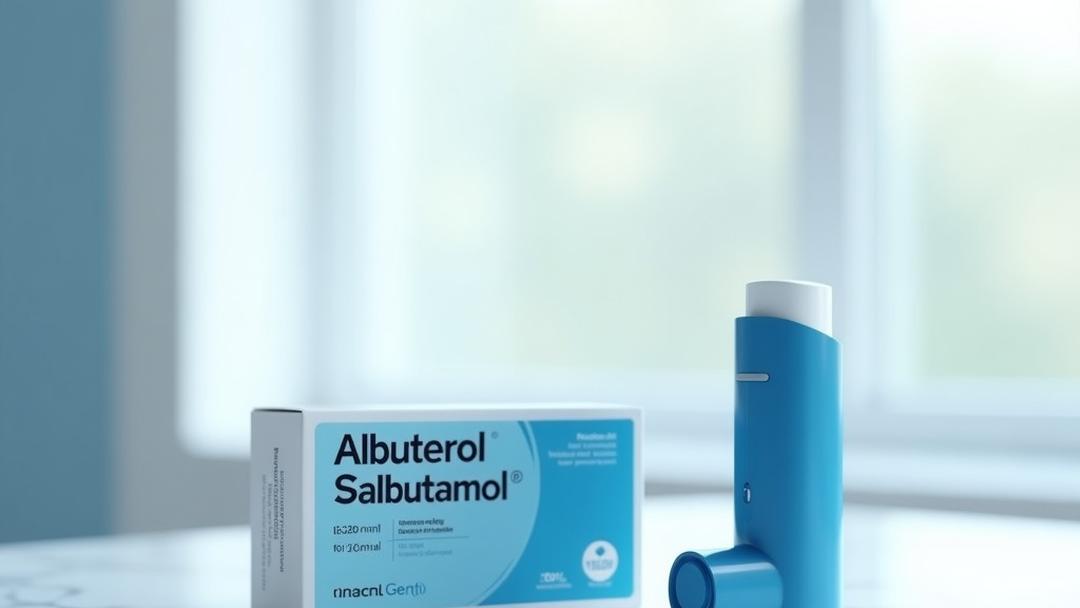
Albuterol — known internationally as salbutamol — is the rescue bronchodilator found in millions of blue inhalers worldwide. It is the standard quick-relief medication for asthma attacks and exercise-induced bronchospasm, and a mainstay for COPD symptom control. This guide covers how albuterol works, correct inhaler technique, dosing, how generic salbutamol compares on price, and the safety considerations that keep treatment both effective and safe. See explore our full pharmaceuticals catalog for additional respiratory and related pharmaceutical products.
What Is Albuterol / Salbutamol?
Albuterol is a short-acting beta-2 adrenergic agonist (SABA). It relaxes the smooth muscle of the airways within minutes, opening constricted bronchi and making breathing easier. It is delivered most commonly via a metered-dose inhaler (MDI), though nebulizer solution and dry-powder formulations exist.
Mechanism of Action
When albuterol binds to beta-2 receptors on bronchial smooth muscle, it activates adenylate cyclase, raising intracellular cyclic AMP. This triggers protein kinase A, which relaxes muscle and inhibits the release of bronchoconstrictive mediators from mast cells. The result is rapid bronchodilation, typically beginning within 5 minutes and lasting 4–6 hours.
Approved Uses & Evidence
Acute asthma symptoms: The Global Initiative for Asthma (GINA) recommends a SABA such as albuterol as rescue therapy for sudden breathlessness or wheeze.
Exercise-induced bronchospasm: Two puffs 15–30 minutes before exercise prevent symptoms in most patients.
COPD: Used as needed for dyspnea; in some regimens combined with anticholinergics for broader airway relaxation.
Important context: Over-reliance on albuterol alone signals poorly controlled asthma. GINA now emphasizes inhaled corticosteroids as the foundation, with SABA for rescue only.
Dosage Reference
| Population | Typical Dose | Max Frequency |
|---|---|---|
| Adults & children ≥12 | 2 puffs (90 mcg each) as needed | Every 4–6 hours |
| Children 4–11 | 1–2 puffs as needed | Every 4–6 hours |
| Exercise prevention | 2 puffs 15–30 min prior | Before activity |
| Nebulizer (adult) | 2.5–5 mg via neb | Every 4–6 hours |
Dosing must follow the prescribed plan. Using more than directed, or needing the inhaler daily for relief, requires medical review.
Mastering Inhaler Technique
Up to 70% of patients use MDIs incorrectly, wasting medication in the mouth rather than the lungs. Correct steps: shake the inhaler, exhale fully, seal lips around the mouthpiece, press and breathe in slowly and deeply, hold breath for 10 seconds, and wait one minute before a second puff. A spacer device improves delivery dramatically, especially for children and the elderly.
Albuterol vs. Other Airway Medications
| Medication | Class | Role |
|---|---|---|
| Albuterol / Salbutamol | SABA | Fast rescue relief |
| Levalbuterol | SABA (R-isomer) | Rescue, fewer jittery effects in some |
| Ipratropium | SAMA | Added COPD relief |
| Fluticasone | Inhaled steroid | Long-term control / anti-inflammatory |
| Salmeterol / Formoterol | LABA | Maintenance (with steroid) |
Affordable Generic Pricing (India vs. US Brand)
Salbutamol inhalers are manufactured in huge volumes in India, making generic versions a fraction of US branded prices. Estimated market ranges (±10% variability):
| Product | Indian Generic (per inhaler) | US Brand (Ventolin, per inhaler) |
|---|---|---|
| Salbutamol 100 mcg MDI | ₹160–₹440 (approx. $1.90–$5.30) | $55–$99 |
For patients who rely on a rescue inhaler year-round, the cumulative savings from generic salbutamol versus US-branded Ventolin can be substantial. Prices vary by pharmacy, dose count, and local regulations, so confirm current pricing with a licensed supplier.
Side Effects & Safety
Because albuterol is relatively selective for beta-2 receptors, side effects are usually mild: tremor, palpitations, headache, throat irritation, and occasional muscle cramps. These often diminish with regular use.
High doses or frequent overuse can cause hypokalemia (low potassium), tachycardia, and paradoxical bronchospasm. Patients using their rescue inhaler more than twice weekly for symptoms should have their control therapy reassessed.
Who Should Use Caution
Those with severe coronary disease, arrhythmias, hyperthyroidism, or uncontrolled hypertension should use albuterol under close supervision. Drug interactions include beta-blockers (which blunt its effect) and certain diuretics that worsen hypokalemia.
Decision Guide
Albuterol is the right choice for rapid relief of acute wheezing or breathlessness and for exercise prevention. It is not a controller medication — persistent symptoms need an inhaled corticosteroid or combination therapy. Keep an inhaler accessible at all times if you have a history of asthma attacks.
Building a Personal Asthma Action Plan
Guidelines recommend every asthma patient have a written action plan that defines green (doing well), yellow (caution — increasing symptoms, needing more rescue doses), and red (medical alert) zones. Albuterol sits in the yellow and red zones as the rescue step, while a controller inhaler occupies the green zone for daily maintenance. Knowing when to step up therapy or seek emergency help prevents dangerous deterioration. Patients should review their plan with a clinician at least annually or after any severe episode.
Pediatric & Geriatric Considerations
Children: Albuterol is extensively used in pediatric asthma, but delivery matters — a mask spacer converts an adult MDI into child-friendly therapy and reduces oral side effects. Doses are weight- and age-tiered, and parents should learn to recognize rapid breathing, retractions, or feeding difficulty as warning signs.
Elderly: Older adults with cardiovascular disease tolerate albuterol less well; palpitations and tremor are more pronounced, and underlying arrhythmia risk demands conservative use and monitoring.
Storage, Cleaning & Shelf Life
Keep inhalers below 30°C, away from direct sunlight and freezing; do not puncture or incinerate the canister. Clean the plastic actuator weekly with warm water, let it air-dry, and reassemble — clogged actuators are a common cause of ’empty’ inhalers that still contain medication. Track the dose counter or the date the canister was first used, and replace before the labeled number of actuations is exhausted, since the last doses may be under-filled.
Recognizing a Severe Attack: When to Call Emergency
Albuterol relieves mild-to-moderate symptoms, but it is not a substitute for emergency care. Seek urgent medical help if you experience severe breathlessness at rest, inability to speak in full sentences, lips or fingertips turning blue, a peak-flow reading below 50% of your personal best, or if your rescue inhaler provides no relief after the recommended dose. These are signs of a potentially life-threatening asthma exacerbation or anaphylaxis that requires systemic steroids, oxygen, and supervised monitoring — not repeated home dosing. Always keep a written emergency plan and share it with family, school, or workplace.
Frequently Asked Questions
1. How many puffs of albuterol can I take?
Typically 2 puffs every 4–6 hours as needed. If symptoms are severe or unrelieved after 2 puffs, seek emergency care — do not simply keep dosing.
2. Is salbutamol the same as albuterol?
Yes. Salbutamol is the international name; albuterol is the US adopted name for the identical molecule.
3. Can children use albuterol?
Yes, with age-appropriate dosing and preferably a spacer. It is one of the most studied pediatric respiratory medicines.
4. Why does my inhaler make me shaky?
Mild tremor from beta-receptor stimulation is common and usually harmless, fading as the dose wears off.
5. Does albuterol expire?
Yes. Expired inhalers may deliver less medication; check the date and replace as directed.
Medical Disclaimer: This article is provided for general informational purposes only and does not constitute medical advice, diagnosis, or treatment. Prices for generic medications vary by supplier, country, batch, and exchange rate, and the ranges shown reflect approximate market estimates that may change without notice. Always consult a licensed healthcare provider before starting, stopping, or changing any medication. Generic alternatives should be sourced from verified, regulated pharmacies, and a valid prescription is required for prescription-only medicines.
References
1. GINA — Global Initiative for Asthma strategy report: https://ginasthma.org/
2. DailyMed — Albuterol labeling (NIH): https://dailymed.nlm.nih.gov/dailymed/search.cfm?query=albuterol
3. NIH / NLM MedlinePlus — Albuterol: https://medlineplus.gov/
4. Global Initiative for Chronic Obstructive Lung Disease (GOLD): https://goldcopd.org/
5. FDA — Drug Safety & labeling: https://www.fda.gov/