

Lamivudine Dosage Guide: HIV, Hepatitis B & Safety Information
SEO Meta
Title Tag: Lamivudine Dosage: HIV & Hepatitis B Guide
Meta Description: Learn about lamivudine dosage for HIV and hepatitis B, including adult and pediatric considerations, safety information, and dosing factors.
Search Intent: Informational
Primary Keyword: lamivudine dosage
Suggested URL Slug: lamivudine-dosage
Introduction
Lamivudine is an important antiviral medication used in the treatment of HIV infection and chronic hepatitis B. Many patients and caregivers search for reliable information about “lamivudine dosage” to better understand how the medication is commonly prescribed and what factors may influence dosing decisions.
Because antiviral treatment plans vary between individuals, lamivudine dosage recommendations can depend on several medical considerations, including age, body weight, kidney function, treatment goals, and whether the medication is being used for HIV or hepatitis B management.
This educational guide explains general lamivudine dosage principles, available formulations, safety considerations, and treatment factors commonly discussed in clinical practice. The information is intended for educational purposes only and should not replace professional medical guidance.
What Is Lamivudine?
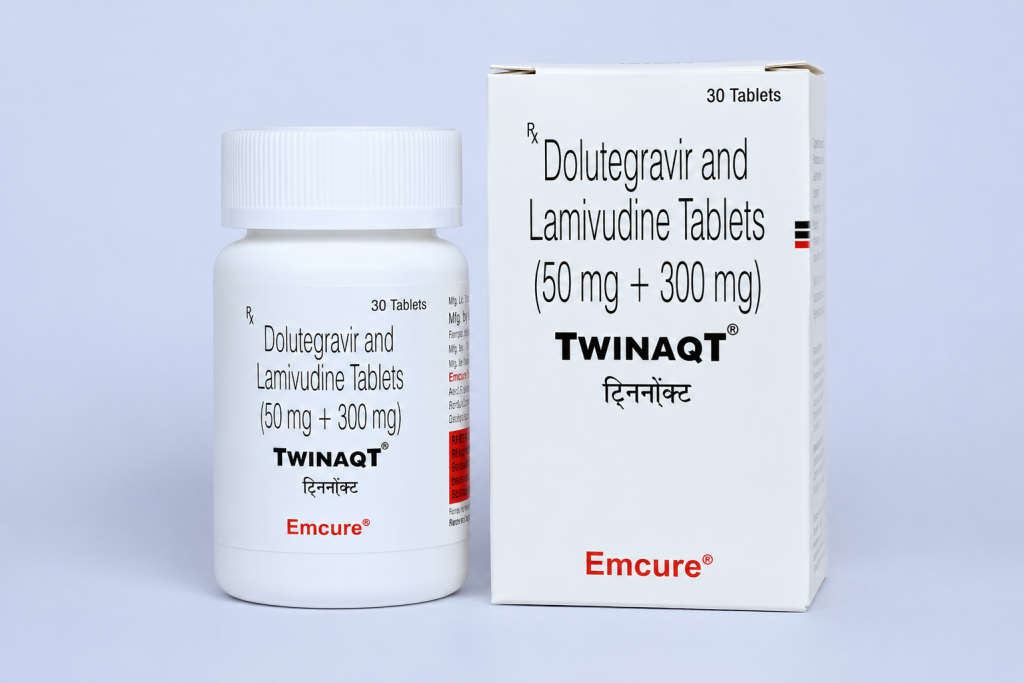
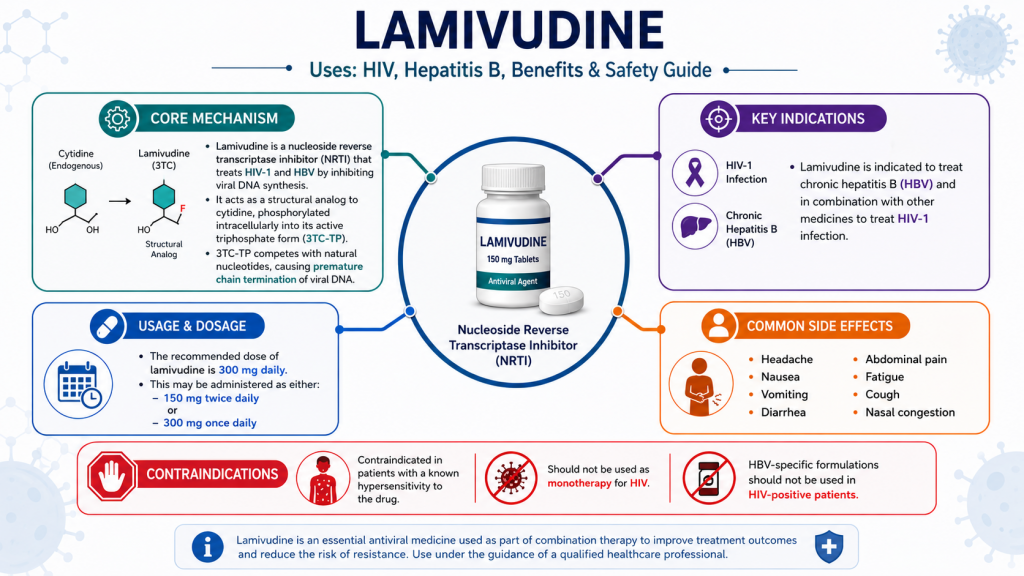
Lamivudine is an antiviral medication classified as a nucleoside reverse transcriptase inhibitor (NRTI). It works by blocking viral replication and is commonly used in:
- HIV treatment
- Chronic hepatitis B management
Lamivudine is generally used as part of combination therapy, especially in HIV treatment, where multiple antiviral medications are combined to improve effectiveness and reduce the risk of drug resistance.
General Lamivudine Dosage Principles
Lamivudine dosage is individualized based on the patient’s medical condition and treatment plan. Healthcare professionals evaluate several factors before prescribing therapy.
Factors That May Affect Dosage
- Type of viral infection
- Age and body weight
- Kidney function
- Other medications being used
- Treatment history
- Presence of liver disease
Patients should never adjust antiviral medication doses without medical supervision.
Lamivudine Dosage for HIV Treatment
Lamivudine is widely used in HIV combination therapy. The medication may be prescribed alongside other antiretroviral drugs such as dolutegravir, tenofovir, abacavir, or efavirenz.
Adult HIV Dosage Considerations
Adult dosing is generally based on standard treatment guidelines and may vary depending on:
- Fixed-dose combination use
- Kidney function
- Treatment regimen structure
- Overall patient health
Many HIV regimens containing lamivudine are designed for once-daily administration to improve treatment convenience and adherence.
Pediatric HIV Dosage
In pediatric care, lamivudine dosage is usually based on body weight or age. Oral liquid formulations may be used in children who cannot swallow tablets.
Pediatric dosing decisions are carefully determined by healthcare professionals with experience in antiviral therapy.
Lamivudine Dosage for Hepatitis B
Lamivudine is also used in chronic hepatitis B treatment. Dosage strategies may differ from HIV therapy because the treatment goals and viral management approaches are different.
Healthcare providers may consider:
- Liver function
- HBV viral activity
- Treatment duration
- Potential resistance concerns
Monitoring during hepatitis B therapy may include regular liver function tests and viral load evaluation.
Available Lamivudine Formulations
Lamivudine is available in multiple pharmaceutical forms.
Tablet Formulations
Tablet forms are commonly used in adults and older children.
Oral Solution
Liquid formulations may be preferred in pediatric patients or individuals who have difficulty swallowing tablets.
Fixed-Dose Combination Products
Lamivudine is included in several combination antiviral medications used in HIV treatment programs worldwide.
 side effects, and contraindications” width=”839″ height=”472″ srcset=”https://984online.com/wp-content/uploads/2026/05/ChatGPT-Image-May-12-2026-07_37_01-PM-1024×576.png 1024w, https://984online.com/wp-content/uploads/2026/05/ChatGPT-Image-May-12-2026-07_37_01-PM-300×169.png 300w, https://984online.com/wp-content/uploads/2026/05/ChatGPT-Image-May-12-2026-07_37_01-PM-768×432.png 768w, https://984online.com/wp-content/uploads/2026/05/ChatGPT-Image-May-12-2026-07_37_01-PM-1536×864.png 1536w, https://984online.com/wp-content/uploads/2026/05/ChatGPT-Image-May-12-2026-07_37_01-PM.png 1672w” sizes=”auto, (max-width: 839px) 100vw, 839px” />
Missed Dose Information
Maintaining consistent antiviral therapy is important for treatment effectiveness.
If a dose is missed, healthcare providers may recommend taking it as soon as remembered unless it is close to the next scheduled dose. Patients should avoid taking double doses unless specifically instructed by a healthcare professional.
Frequent missed doses may increase the risk of viral resistance and reduce treatment effectiveness over time.
Kidney Function and Dose Adjustments
Lamivudine is processed through the kidneys, which means kidney function may affect how the medication is cleared from the body.
Patients with kidney impairment may require dosage adjustments or closer monitoring during treatment. Healthcare providers often evaluate kidney function through laboratory testing before and during therapy.
Safety Considerations With Lamivudine Dosage
Do Not Self-Adjust Dosage
Changing antiviral medication doses without medical supervision may reduce effectiveness or increase the risk of complications.
Resistance Risk
Inconsistent dosing or interrupted treatment may contribute to viral resistance, particularly in HIV therapy.
Drug Interactions
Healthcare providers usually review all medications, supplements, and medical conditions before prescribing lamivudine.
Liver Monitoring
Patients with hepatitis B may require careful monitoring if treatment is stopped, as hepatitis symptoms can sometimes worsen after discontinuation.
Common Side Effects of Lamivudine
Many patients tolerate lamivudine well, but side effects may occur.
Frequently Reported Side Effects
- Headache
- Fatigue
- Nausea
- Diarrhea
- Cough
- Nasal symptoms
Less Common but Serious Concerns
- Lactic acidosis
- Liver complications
- Pancreatitis
- Allergic reactions
Any severe or unusual symptoms should be discussed with a healthcare professional promptly.
Lamivudine vs Other Antiviral Medications
Lamivudine remains widely recognized in antiviral treatment, although newer therapies are increasingly available.
Potential Advantages
- Long clinical experience
- Broad global availability
- Compatibility with combination therapy
- Established use in HIV programs
Limitations
- Risk of resistance in some settings
- Need for adherence monitoring
- Availability of newer treatment alternatives
Data and Insights
Lamivudine has played a major role in global antiviral therapy for decades. In HIV care, it remains part of many established treatment regimens and combination products. In hepatitis B management, newer antiviral agents may now be preferred in some regions because of lower resistance rates, although lamivudine continues to be used in selected clinical settings.
Healthcare providers generally individualize antiviral dosing strategies to balance effectiveness, safety, tolerability, and long-term viral control. Factors such as kidney function, treatment adherence, and viral resistance patterns are important considerations in ongoing therapy management.
As antiviral treatment evolves, lamivudine continues to maintain relevance because of its accessibility and extensive clinical history.
Tips for Patients Using Lamivudine
- Take medication exactly as prescribed
- Do not skip doses frequently
- Attend regular follow-up appointments
- Inform healthcare providers about all medications being used
- Store medication according to package instructions
- Discuss side effects or concerns with medical professionals
Frequently Asked Questions (FAQs)
1. What is lamivudine dosage used for?
Lamivudine dosage refers to the amount and schedule of medication prescribed for treating HIV infection or chronic hepatitis B. Dosing decisions depend on factors such as age, body weight, kidney function, and treatment goals. Healthcare professionals determine individualized dosing plans based on clinical guidelines and patient-specific needs.
2. Is lamivudine taken once daily?
Many lamivudine-containing treatment regimens are designed for once-daily use, especially in HIV combination therapy. However, treatment schedules may vary depending on the formulation, patient age, kidney function, and the overall antiviral regimen prescribed by a healthcare provider.
3. Can children take lamivudine?
Yes, lamivudine may be prescribed in pediatric patients under professional medical supervision. Pediatric dosage is generally based on body weight or age, and liquid formulations may be used when needed.
4. Does kidney disease affect lamivudine dosage?
Yes, kidney impairment may influence how lamivudine is processed by the body. Healthcare providers may recommend dosage adjustments or additional monitoring in patients with reduced kidney function.
5. What happens if a lamivudine dose is missed?
Patients are usually advised to take the missed dose as soon as remembered unless it is close to the next scheduled dose. Double dosing is generally avoided unless specifically instructed by a healthcare professional. Consistent adherence is important for antiviral effectiveness.
6. Can lamivudine be used alone for HIV?
No, lamivudine is generally not used alone for HIV treatment. Combination therapy involving multiple antiviral medications is necessary to reduce viral resistance and improve long-term treatment outcomes.
7. Are there different lamivudine doses for hepatitis B?
Yes, treatment approaches for hepatitis B may differ from HIV therapy. Healthcare providers evaluate liver health, viral activity, and treatment goals when selecting dosing strategies.
8. What are the common side effects of lamivudine?
Common side effects may include headache, nausea, fatigue, diarrhea, and cough. Most side effects are mild, although serious complications can occur rarely. Patients should discuss concerning symptoms with healthcare professionals.
9. Is lamivudine available in liquid form?
Yes, lamivudine oral solution is available and may be used in pediatric patients or individuals who have difficulty swallowing tablets.
10. Why is adherence important with lamivudine?
Consistent medication adherence helps maintain viral suppression and reduces the risk of resistance. Missing doses frequently may reduce treatment effectiveness and complicate future antiviral therapy options.
Conclusion
Lamivudine remains an important antiviral medication used in HIV and hepatitis B management worldwide. Understanding general lamivudine dosage principles, treatment factors, and safety considerations can help patients and caregivers better understand antiviral therapy.
Because dosage decisions are individualized, treatment plans should always be guided by qualified healthcare professionals. Factors such as kidney function, age, treatment goals, and overall health play an important role in antiviral dosing strategies.
For additional information about antiviral medications, HIV treatment, or hepatitis B therapy, explore trusted healthcare resources and consult experienced medical professionals.
Suggested Images
Image 1
Description: Antiviral medication tablets with prescription bottle
Alt Text: Lamivudine dosage and antiviral treatment information
Image 2
Description: Healthcare provider reviewing medication schedule with patient
Alt Text: Doctor explaining lamivudine dosage guidelines for HIV treatment
Image 3
Description: Pediatric antiviral medication measuring cup and liquid bottle
Alt Text: Pediatric lamivudine oral solution dosage illustration
Related Long-Tail Keywords
- lamivudine dosage for HIV
- lamivudine dosage for hepatitis B
- adult lamivudine dosage guide
- pediatric lamivudine dosage
- lamivudine oral solution dosage
- lamivudine dosing information
- lamivudine HIV medication dosage
- lamivudine kidney dose adjustment
- how to take lamivudine
- lamivudine antiviral dosage guide
Suggested Internal Linking Topics
- Lamivudine Uses Explained
- Understanding HIV Combination Therapy
- Common Side Effects of Antiviral Medications
- Hepatitis B Treatment Options
- Dolutegravir and Lamivudine Combination Therapy