
Nintedanib Cost in 2026: Critical Pricing, Insurance & Savings Guide for Pulmonary Fibrosis Patients
Introduction
The rising cost of specialty medications has become a major concern for patients and caregivers worldwide. Searches related to nintedanib cost are increasing as individuals seek better understanding of treatment affordability, insurance coverage, and long-term medication expenses.
Understanding nintedanib cost has become one of the most important concerns for patients diagnosed with pulmonary fibrosis and progressive interstitial lung diseases. Because antifibrotic therapy is commonly prescribed for long-term disease management, many patients and caregivers search for accurate information about medication pricing, insurance coverage, generic availability, financial assistance programs, and treatment affordability before beginning therapy.
This guide explores the factors that influence nintedanib pricing, discusses insurance and generic availability, reviews important safety considerations, and answers common patient questions. The information is educational and designed to support informed healthcare discussions.

What Is Nintedanib?
Nintedanib belongs to a class of medications known as tyrosine kinase inhibitors. The medication works by targeting cellular pathways involved in fibrosis and abnormal tissue scarring.
Nintedanib is an antifibrotic medication widely prescribed for:
Idiopathic pulmonary fibrosis (IPF)
Progressive fibrosing interstitial lung disease (ILD)
Chronic fibrotic lung disorders
Systemic sclerosis-associated interstitial lung disease
While the medication may help slow fibrosis progression in eligible patients, the total nintedanib cost may create major financial challenges because therapy often continues for months or years.
Healthcare professionals commonly prescribe nintedanib for progressive fibrotic lung diseases where slowing lung function decline is a major treatment goal.
Because therapy is often long term, understanding overall nintedanib cost becomes an essential part of treatment planning.

Understanding Nintedanib Cost
Why Is Nintedanib Cost So High?
Several pharmaceutical, economic, and regulatory factors contribute to overall nintedanib cost worldwide.
Research and Development Costs
Antifibrotic medications require:
- Extensive laboratory research
- Preclinical development
- Large-scale clinical trials
- Regulatory review processes
- Long-term safety monitoring
Major studies such as the INPULSIS, INBUILD, and SENSCIS trials contributed to the clinical approval and expanded use of nintedanib therapy.
Monthly Treatment Costs
Monthly treatment costs can vary significantly between countries, pharmacies, and manufacturers. The total expense depends on factors such as dosage strength, treatment duration, healthcare coverage, and local market conditions.
Patients often compare:
- Brand-name pricing
- Generic alternatives
- International pharmacy options
- Insurance reimbursement support
- Bulk purchasing opportunities
Complex Pharmaceutical Manufacturing
Nintedanib requires advanced pharmaceutical manufacturing systems, strict quality standards, and specialized antifibrotic drug production processes.
Long-Term Treatment Requirements
Unlike short-course medications, antifibrotic therapy often continues indefinitely, substantially increasing cumulative treatment expenses.
Limited Generic Competition
In some countries, limited generic availability and restricted market competition may contribute to higher medication prices.
Pharmacology and Clinical Value of Nintedanib
Understanding the scientific role of the medication helps explain overall nintedanib cost.
Mechanism of Action
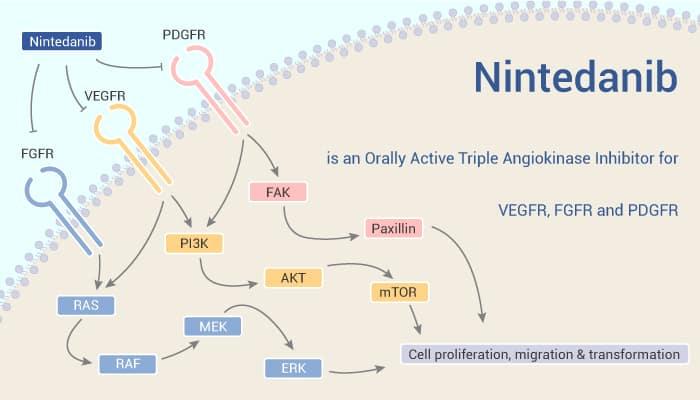
Nintedanib blocks multiple signaling pathways involved in fibrosis progression, including receptors linked to:
- Fibroblast growth factor (FGF)
- Platelet-derived growth factor (PDGF)
- Vascular endothelial growth factor (VEGF)
By targeting these pathways, the medication may help slow progressive lung scarring in eligible patients.
Pharmacology and Metabolism
Nintedanib undergoes metabolism primarily through ester cleavage pathways with limited CYP enzyme involvement. The medication also interacts with P-glycoprotein transport systems, which may influence drug interactions and tolerability.
Because treatment may affect liver function, healthcare professionals commonly recommend routine laboratory monitoring during therapy.
Nintedanib Cost by Brand and Dosage
The total nintedanib cost varies depending on dosage strength, manufacturer, pharmacy pricing, and geographic location.
| Brand | Strength | Approximate Price Range |
|---|---|---|
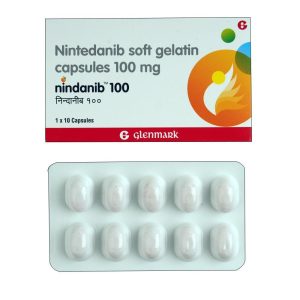
| Nindanib 30s, Glenmark | 150 mg | ₹4900 – ₹4950 |
| Nintenib 30s,BDR | 150 mg | ₹6500– ₹6600 |
| Ofev 60s, Boehringer | 150 mg | ₹145000 – ₹1,50000 |
| Cyendiv, Boehringer | 150 mg | Higher international pricing |
Prices may vary depending on supplier availability and healthcare systems.
Generic vs Brand Nintedanib Cost
Many patients compare generic and branded formulations when evaluating overall nintedanib cost.
Generic Nintedanib
Generic formulations may provide:
- Lower treatment costs
- Wider affordability
- Long-term savings opportunities
However, patients should only purchase medications from licensed and verified pharmacies.
Branded Nintedanib
Branded medications may cost more because of:
- Research investments
- Patent protections
- Regulatory requirements
- Pharmaceutical marketing costs
Factors That Affect Nintedanib Pricing
1. Geographic Location
Medication prices vary widely between countries due to healthcare regulations, pharmaceutical pricing controls, currency exchange rates, and local taxes.
2. Brand vs Generic Availability
Branded nintedanib products are generally more expensive than generic alternatives where available. Generic competition may improve affordability over time in some markets.
3. Dosage Strength
Nintedanib is available in different strengths, and prescribed dosage requirements can influence overall treatment expenses.
4. Insurance and Reimbursement
Some insurance plans or healthcare systems may partially cover nintedanib treatment costs. Coverage eligibility depends on regional healthcare policies and patient qualifications.
5. Pharmacy and Supplier Differences
Retail pricing can vary between pharmacies and suppliers. Some patients compare prices through licensed online pharmacies or specialty distributors.
Generic Nintedanib Cost Considerations
Generic nintedanib has become available in certain international markets following regulatory approvals and patent developments. Generic medicines are usually more affordable than branded formulations because manufacturers do not bear the same initial research and development expenses.
However, generic pricing still depends on:
- Country-specific regulations
- Manufacturer competition
- Import availability
- Pharmacy pricing strategies
- Supply chain stability
Patients considering generic medicines should ensure they purchase products from reputable and licensed pharmaceutical suppliers.
Nintedanib Uses and Treatment Considerations
Nintedanib is generally associated with the management of certain fibrotic lung conditions. Healthcare professionals may prescribe it as part of a broader treatment strategy aimed at slowing disease progression.
Potential treatment considerations include:
- Long-term disease management
- Monitoring lung function
- Supporting quality of life
- Routine medical follow-up
Because treatment decisions are highly individualized, therapy should always be guided by a qualified healthcare provider.
Safety and Side Effects
Like many specialty medications, nintedanib may cause side effects in some individuals. Patients researching medication costs often also want to understand treatment tolerability.
Commonly Discussed Side Effects
- Diarrhea
- Nausea
- Abdominal discomfort
- Loss of appetite
- Fatigue
- Liver enzyme changes
Monitoring Requirements
Healthcare professionals may recommend periodic laboratory testing and regular follow-up appointments during treatment. Monitoring plans vary depending on patient condition and overall health status.
Any concerning symptoms should be discussed promptly with a medical professional.
Insurance Coverage and Financial Assistance
Private Insurance Plans
Some private insurance providers may offer partial or full reimbursement for nintedanib therapy, depending on policy details and eligibility criteria.
Government Healthcare Programs
In certain countries, public healthcare systems may provide financial assistance or reimbursement support for eligible patients requiring antifibrotic therapy.
Patient Assistance Programs
Some pharmaceutical companies and nonprofit organizations may provide assistance programs designed to improve medication access for qualifying patients.
Eligibility requirements differ by country and provider.
How to Buy Nintedanib Safely
Use Licensed Pharmacies
Patients should purchase nintedanib only from verified pharmacies or authorized pharmaceutical suppliers to reduce the risk of counterfeit products.
Verify Product Details
Consumers may check:
- Manufacturer information
- Packaging quality
- Expiry dates
- Storage recommendations
- Regulatory approvals
Avoid Unrealistically Low Prices
Extremely discounted medication prices may indicate authenticity or quality concerns. Safety and reliability should remain important priorities when comparing suppliers.
How to Reduce Nintedanib Cost
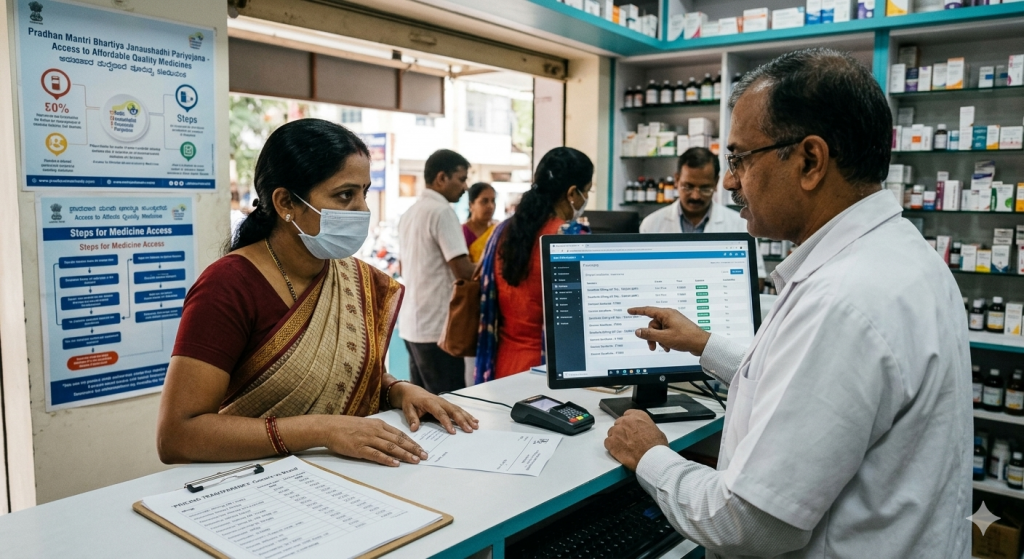
Patients researching ways to lower nintedanib cost may discuss the following options with healthcare professionals:
- Generic medication alternatives
- Insurance benefit reviews
- Manufacturer assistance programs
- Long-term financial planning
- Pharmacy comparison services
Patients should avoid purchasing medications from unverified online sellers.
Nintedanib Market Insights
The global demand for antifibrotic therapies continues to increase as awareness of chronic respiratory diseases expands. Pharmaceutical markets have seen growing interest in specialty respiratory medicines, including nintedanib.
Several trends influencing the market include:
- Increasing diagnosis of fibrotic lung conditions
- Expansion of generic manufacturing
- Healthcare reimbursement discussions
- International pharmaceutical distribution growth
- Rising patient awareness regarding treatment access
Pricing trends may continue evolving as additional manufacturers enter the market and healthcare systems adapt reimbursement strategies.
Data & Insights Section
Nintedanib remains one of the recognized antifibrotic therapies used in respiratory specialty care. Because treatment may continue for long periods, affordability remains a significant topic among patients and caregivers.
Generic market expansion in several regions has improved accessibility for some patients, although costs can still remain substantial depending on local healthcare systems and insurance coverage.
Patients often research multiple factors simultaneously, including pricing, side effects, reimbursement options, and long-term treatment expectations. Educational resources that balance affordability information with responsible medical guidance continue to attract strong search interest internationally.
Healthcare professionals frequently encourage patients to discuss financial concerns openly so treatment planning can consider both medical and practical factors.
Long-Term Financial Planning for Pulmonary Fibrosis
Pulmonary fibrosis management often involves ongoing healthcare expenses beyond medication alone.
Additional financial considerations may include:
- Pulmonary rehabilitation
- Specialist consultations
- Diagnostic testing
- Oxygen therapy
- Hospital visits
- Nutritional support
Long-term treatment planning may help patients prepare for future healthcare costs.
Frequently Asked Questions (FAQs)
1. Why is nintedanib so expensive?
Nintedanib is considered a specialty medication, and its pricing may reflect manufacturing complexity, research costs, regulatory requirements, and limited market competition. Prices can also vary between countries and healthcare systems.
2. Is generic nintedanib available?
Generic nintedanib is available in certain markets depending on local regulatory approvals and patent status. Generic versions are generally more affordable than branded formulations.
3. Can insurance cover nintedanib treatment?
Some insurance plans and public healthcare systems may provide partial or full reimbursement for nintedanib therapy. Coverage policies vary based on country, insurance provider, and eligibility criteria.
4. How much does nintedanib cost per month?
Monthly treatment costs differ widely depending on dosage strength, manufacturer, pharmacy source, and insurance coverage. Specialty respiratory medications often involve significant long-term expenses.
5. Are there patient assistance programs for nintedanib?
Some pharmaceutical companies and healthcare organizations may offer financial support or patient assistance programs for eligible individuals. Availability depends on regional healthcare policies and program requirements.
6. What conditions is nintedanib used for?
Nintedanib is commonly associated with the management of certain chronic fibrotic lung conditions. Treatment decisions are individualized and guided by healthcare professionals.
7. What are common nintedanib side effects?
Commonly discussed side effects may include diarrhea, nausea, fatigue, appetite loss, and liver enzyme changes. Not every patient experiences these reactions, and severity varies.
8. Is long-term nintedanib treatment common?
Yes. Nintedanib is often used as part of long-term disease management strategies for chronic respiratory conditions involving fibrosis.
9. Can patients buy nintedanib online?
Some licensed pharmacies and specialty distributors provide online ordering services. Patients should ensure suppliers are legitimate and comply with prescription regulations.
10. What should patients discuss before starting nintedanib?
Patients may discuss treatment goals, potential side effects, liver monitoring, insurance coverage, affordability concerns, and medication interactions with their healthcare provider before beginning therapy.
Important Safety and Monitoring Considerations
Patients should never discontinue antifibrotic therapy without professional medical supervision.
Healthcare professionals commonly monitor:
- Liver function tests
- Gastrointestinal symptoms
- Drug interactions
- Weight changes
- Treatment tolerability
Patients researching medication affordability should also understand the importance of safety monitoring and routine follow-up care.
Related Long-Tail Keywords
- nintedanib cost per month
- generic nintedanib price
- buy nintedanib online
- nintedanib insurance coverage
- nintedanib affordability guide
- nintedanib cost comparison
- nintedanib patient assistance program
- nintedanib treatment expenses
- how much does nintedanib cost
- nintedanib capsule price
Suggested Internal Linking Topics
- Pulmonary fibrosis treatment guide
- Antifibrotic medications explained
- Managing specialty medication costs
- Respiratory disease treatment overview
- Drug safety and monitoring guide
Conclusion
Understanding nintedanib cost is an important part of long-term pulmonary fibrosis treatment planning. Medication pricing may vary substantially depending on dosage strength, manufacturer, insurance coverage, geographic location, and treatment duration.
Patients considering antifibrotic therapy should discuss affordability, medication safety, insurance options, and long-term treatment goals with qualified healthcare professionals. Access to reliable medical information and financial planning resources may help patients make informed treatment decisions while supporting responsible long-term care.