
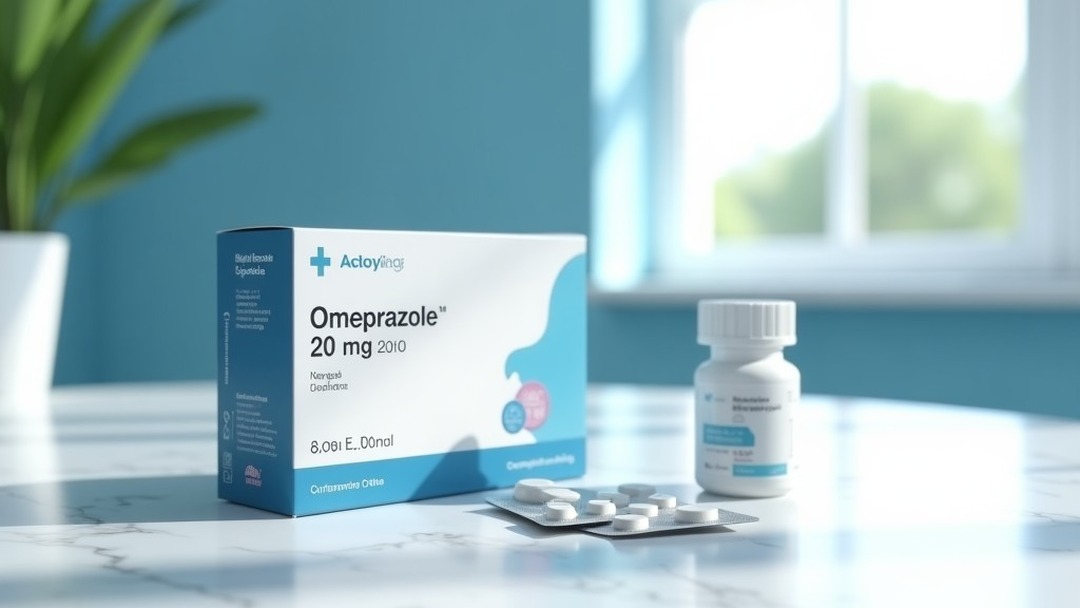
Omeprazole is one of the most recognizable stomach-acid medicines in the world, available over the counter in many countries and by prescription for more demanding cases. Sold originally under the brand name Prilosec and now widely available as low-cost generics, it belongs to the proton pump inhibitor (PPI) class and can reduce stomach acid production by up to 90% or more when taken correctly. This guide walks through what omeprazole does, who needs it, how to dose it safely, how it compares with other acid-suppressing drugs, what a month of therapy typically costs in India and in the United States, and what to watch for over the long term.
What Is Omeprazole?
Omeprazole is a proton pump inhibitor (PPI), the most potent class of stomach-acid suppressants available. It was discovered in the 1970s and launched in the late 1980s as Prilosec, becoming one of the first blockbuster drugs to move from prescription-only to over-the-counter (OTC) status. Today it is manufactured by dozens of generic companies worldwide and is included on the World Health Organization’s List of Essential Medicines.
The drug works on the parietal cells of the stomach, which are the acid-producing cells. By irreversibly blocking the hydrogen-potassium ATPase enzyme (the “proton pump”) on these cells, omeprazole stops the final step of acid secretion. The effect lasts until new pumps are synthesized, which is why once-daily dosing provides around 24-hour acid control.
Omeprazole is available as delayed-release capsules, tablets, and orally disintegrating tablets. The formulation is critical because the drug is acid-labile: it must be protected from stomach acid until it reaches the small intestine, where it is absorbed. OTC versions are typically 20 mg; prescription strengths go up to 40 mg or higher in some formulations.
Mechanism of Action
The stomach lining contains millions of parietal cells, each equipped with proton pumps (H+/K+ ATPase enzymes) that pump hydrogen ions into the stomach lumen, creating hydrochloric acid. These pumps are activated by histamine, gastrin, and acetylcholine signaling, and they operate whenever the cell is stimulated.
Omeprazole is a prodrug: it is inert until it reaches the highly acidic environment of the secretory canaliculi of the parietal cell, where it is converted into its active sulfenamide form. This active form binds covalently to cysteine residues on the proton pump, permanently disabling it. Because the binding is irreversible, acid secretion only resumes when the body synthesizes new pumps, a process that takes roughly 24 to 48 hours.
This mechanism explains several clinical features of omeprazole:
- Onset is gradual: Maximum acid suppression is not achieved on day one; several days of dosing are needed to block a critical mass of pumps.
- Food interaction: Taking omeprazole with food reduces absorption slightly, so it is typically taken 30 to 60 minutes before a meal, usually breakfast.
- Duration of effect: A single dose provides most of its effect over 24 hours, but the effect wanes toward the end of the dosing interval, which is why some patients with severe GERD take it twice daily.
Unlike antacids (which neutralize existing acid) or H2 blockers (which reduce the histamine signal to the pumps), omeprazole acts directly on the pump itself, making it the most effective option for sustained acid suppression.
Approved Uses and Indications
Omeprazole is approved for a range of acid-related conditions. The specific indication, dose, and duration depend on the condition and whether the omeprazole is prescription or OTC.
- Gastroesophageal reflux disease (GERD): The most common use. Omeprazole heals erosive esophagitis and controls heartburn and regurgitation. OTC labeling is for frequent heartburn (occurring 2 or more days a week).
- Erosive esophagitis: Prescription omeprazole is used to heal damage to the esophageal lining caused by acid reflux, and to maintain healing.
- Duodenal and gastric ulcers: Used to promote ulcer healing and, in combination with antibiotics, to eradicate Helicobacter pylori.
- Zollinger-Ellison syndrome and other hypersecretory conditions: High-dose omeprazole is used in rare cases of tumors that cause extreme acid overproduction.
- NSAID-induced ulcer prevention: In patients at risk who need ongoing NSAID therapy, omeprazole reduces the risk of developing gastric ulcers.
- Maintenance of healing: For patients with healed erosive esophagitis who need ongoing acid suppression, omeprazole is used at a maintenance dose.
Omeprazole is not appropriate for every kind of stomach upset. Functional dyspepsia without reflux, occasional mild heartburn after a single meal, and non-acid-related upper abdominal pain are not typical indications. Symptoms that are new, worsening, or accompanied by difficulty swallowing, weight loss, vomiting, or blood in stool should be evaluated by a doctor rather than self-treated with OTC omeprazole.
Dosage and How to Take It
The correct omeprazole dose depends on the condition being treated. The table below summarizes typical regimens; individual needs should be set by a clinician.
| Condition | Typical Dose | Duration (typical) | Notes |
|---|---|---|---|
| Frequent heartburn (OTC) | 20 mg once daily | 14 days | Repeat course no more often than every 4 months |
| GERD, initial treatment | 20 mg once daily | 4–8 weeks | May extend if symptoms persist; reassess if no improvement |
| Erosive esophagitis, healing | 20–40 mg once daily | 4–8 weeks | 40 mg used for more severe disease |
| Maintenance of healed esophagitis | 20 mg once daily | Long-term, as needed | Lowest effective dose; periodic reassessment |
| Duodenal ulcer | 20 mg once daily | 4 weeks | May extend to 8 weeks if needed |
| H. pylori eradication (with antibiotics) | 20–40 mg twice daily | 7–14 days (with antibiotic regimen) | Triple or quadruple therapy |
| Zollinger-Ellison syndrome | 60 mg once daily, may go higher | Long-term, individualized | Doses above 80 mg/day divided |
| NSAID ulcer prevention | 20 mg once daily | Duration of NSAID use | Consider alternative if NSAID can be stopped |
How to take omeprazole correctly:
- Take it once daily, typically in the morning, 30 to 60 minutes before a meal. This timing allows peak blood levels to coincide with the activation of proton pumps after breakfast.
- Swallow the capsule or tablet whole; do not crush, chew, or split it. The special enteric coating protects the drug from stomach acid.
- If using the OTC version, follow the 14-day course directions. Do not use for more than 14 days without consulting a doctor, and do not start a new course more frequently than every 4 months.
- If a dose is missed, take it when remembered unless it is close to the next dose; do not double-dose.
- For patients with difficulty swallowing, omeprazole capsules can sometimes be opened and the granules sprinkled on applesauce (but this depends on the specific formulation; check the product information).
Special populations: Kidney impairment does not usually require dose adjustment for omeprazole (unlike some other PPIs), but severe liver impairment may require a lower dose (typically no more than 20 mg/day). Elderly patients generally receive the same doses as younger adults. Use in pregnancy is generally considered acceptable when needed, though a doctor should confirm this; the drug passes into breast milk in small amounts.
Clinical Evidence: What the Data Shows
Omeprazole has been studied in thousands of patients across dozens of randomized trials over several decades. The evidence supporting its use is extensive and is the reason it became a first-line standard of care for acid-related disorders.
GERD and Erosive Esophagitis: Multiple trials and meta-analyses have shown that omeprazole at 20 mg daily heals erosive esophagitis in a majority of patients within 4 to 8 weeks, and controls heartburn in most patients with non-erosive GERD within 1 to 2 weeks. Head-to-head trials against H2 blockers (such as cimetidine, ranitidine, and famotidine) consistently show superior acid suppression and faster symptom relief with omeprazole. The LOTUS trial and other long-term studies have examined maintenance therapy, showing high rates of sustained remission with continued PPI use compared to placebo or H2 blockers.
H. pylori Eradication: When combined with antibiotics (typically amoxicillin and clarithromycin, or bismuth-based quadruple therapy), omeprazole-based regimens achieve H. pylori eradication rates in the range of 70–90%, depending on regional antibiotic resistance patterns. PPI-based triple therapy is a cornerstone of eradication, and the PPI component raises gastric pH to improve antibiotic stability and effectiveness.
Ulcer Healing: In duodenal and gastric ulcer trials, omeprazole at 20 mg once daily for 4 weeks achieved healing rates that were significantly higher than those achieved with H2 blockers or placebo. Symptom relief was faster and more complete. For NSAID-related ulcer prevention, omeprazole has been shown to reduce the incidence of gastric ulcers in at-risk patients taking NSAIDs compared to placebo or misoprostol in some studies, with better tolerability.
Long-Term Safety Data: Large observational studies and registry data have examined long-term PPI use, and while some associations have been reported (see Side Effects section), the absolute risks remain small for most patients, and the benefits of appropriately prescribed PPIs generally outweigh these risks. Current guidelines emphasize using the lowest effective dose for the shortest necessary duration, but also caution against stopping PPIs abruptly in patients who need them, due to rebound acid hypersecretion.
Omeprazole vs Other Acid-Reducing Medicines
Several classes of acid-reducing medicines are available. The table below compares omeprazole with the main alternatives.
| Feature | Omeprazole (PPI) | Pantoprazole (PPI) | Esomeprazole (PPI) | Famotidine (H2 Blocker) | Antacids (e.g., Tums) |
|---|---|---|---|---|---|
| Class | Proton pump inhibitor | Proton pump inhibitor | Proton pump inhibitor (S-enantiomer) | H2 receptor antagonist | Acid neutralizer |
| Onset of symptom relief | 1–4 days (max effect 2–4 days) | 1–4 days | 1–4 days | 30–60 minutes | Minutes |
| Duration of acid suppression | ~24 hours (once daily) | ~24 hours | ~24 hours | 6–12 hours | 1–3 hours |
| Potency (acid suppression) | High (up to ~90%) | High | High (slightly more potent in some studies) | Moderate | Low |
| Best for | Frequent GERD, erosive esophagitis, ulcer healing, H. pylori | Similar to omeprazole; fewer drug interactions in some patients | Similar to omeprazole; may be slightly more effective for severe GERD | Mild to moderate heartburn, on-demand use, nighttime symptoms | Occasional mild heartburn, quick relief |
| Typical OTC strength | 20 mg | 20 mg (some markets) | 20 mg | 10–20 mg | Varies (calcium carbonate etc.) |
| Prescription max dose (some uses) | 40 mg twice daily | 40–80 mg/day | 40 mg twice daily | 40–80 mg/day (divided) | N/A |
| Significant drug interactions | Clopidogrel (reduced efficacy); warfarin (INR monitoring); some anti-epileptics, antifungals | Fewer CYP2C19 interactions than omeprazole | Similar to omeprazole | Fewer interactions overall | Minimal; may affect absorption of some drugs |
| Typical risk of rebound on stopping | Yes (rebound hypersecretion after prolonged use) | Yes | Yes | Less than PPIs | No |
Key takeaways:
- PPIs (omeprazole, pantoprazole, esomeprazole) are the most effective class for sustained acid suppression and for healing erosive disease. They are the standard for GERD with esophageal damage, frequent GERD, and H. pylori eradication.
- Among PPIs, differences are modest. Omeprazole, pantoprazole, and esomeprazole are all effective. Esomeprazole may have a slight edge in some severe GERD studies, and pantoprazole has fewer drug interactions (important for patients on clopidogrel or multiple medications). For most patients, omeprazole is a perfectly appropriate first choice.
- H2 blockers (famotidine) work faster for occasional symptoms but are less potent for sustained acid suppression and are generally not sufficient for erosive esophagitis or severe GERD.
- Antacids provide quick, short-lived relief and are useful as needed for mild, occasional symptoms, but they do not heal esophagitis or control frequent GERD.
Generic vs Brand: Cost Comparison
Omeprazole is off patent and widely available as generic delayed-release capsules, making it one of the most affordable long-term medications. The gap between generic and brand-name pricing is substantial because the active ingredient is chemically identical and bioequivalent generics must meet the same standards.
| Option | Typical 30-day supply (20 mg) | Typical 90-day supply | Notes |
|---|---|---|---|
| Indian generic omeprazole 20 mg (OTC strength) | $3–$8 | $8–$22 | Made by WHO-GMP-certified manufacturers; widely available; check licensing |
| US generic omeprazole 20 mg (OTC) | $10–$25 | $20–$60 | OTC at pharmacies, typically 14–28 capsules per package |
| US generic omepriptane 20 mg (prescription) | $12–$40 | $30–$100 | With insurance copay may be lower; without insurance, cash price varies |
| Brand Prilosec OTC (US) | $15–$35 | $40–$90 | Brand OTC; generic equivalent is chemically identical |
| Brand Prilosec (prescription, higher doses) | $120–$280 | $300–$700 | Cash price for brand prescription; insurance may cover generic instead |
What to look for when buying generics: The quality and safety of a generic omeprazole product depend on the manufacturer. In India, look for WHO-GMP certification and a product license from the relevant regulatory authority. In the US, FDA-approved generics are required to meet bioequivalence standards. The price advantage of Indian generics is significant for patients paying out of pocket, but it is essential to use a reputable, licensed supplier and to verify that the product is authentic. Patients can explore licensed generic GERD medication options through verified channels to compare quality and price.
Price variability is the norm. Shipping, currency fluctuations, taxes, and supply conditions all influence the final cost. The ranges above are approximate; the actual price at time of purchase may differ.
Side Effects, Risks, and Long-Term Considerations
Omeprazole is generally well tolerated in the short term, and most patients experience no significant problems. However, like all medicines, it can cause side effects, and long-term use has been associated with certain risks in observational studies.
Common side effects (usually mild and transient):
- Headache
- Nausea, diarrhea, or constipation
- Abdominal pain or flatulence (gas)
- Vomiting (uncommon)
- Dry mouth
Less common but notable effects:
- Rebound acid hypersecretion: When omeprazole is stopped after prolonged use, the stomach may produce more acid than before, causing temporary worsening of symptoms. This is not a true side effect but a physiological response to the removal of acid suppression, and it is a common reason patients feel they cannot stop the drug. Tapering the dose or switching to an H2 blocker for a few weeks can help.
- Hypomagnesemia (low magnesium): Prolonged PPI use has been associated with low magnesium levels, rarely severe. Symptoms include muscle cramps, tremor, and abnormal heart rhythms. Patients on long-term therapy, especially those also taking diuretics, may need magnesium monitoring.
- Vitamin B12 deficiency: Reduced stomach acid can impair B12 absorption from food over time. This is mainly a concern with long-term (years) high-dose use, particularly in older adults or those with existing B12 risk factors.
- Risk of fractures: Some studies have reported an association between long-term PPI use and increased risk of bone fractures (hip, wrist, spine), possibly related to reduced calcium absorption. The evidence is not conclusive, but caution is advised in patients at high fracture risk.
- Kidney effects: Rare cases of acute interstitial nephritis (kidney inflammation) have been reported with PPIs. Observational studies have also suggested a possible association with chronic kidney disease, though causality is not proven.
- Infections: Reduced stomach acid may slightly increase the risk of gastrointestinal infections, including Clostridioides difficile (C. diff) and community-acquired pneumonia, particularly in hospitalized or vulnerable patients.
- Gastric polyps: Long-term PPI use can cause fundic gland polyps in the stomach, which are typically benign and resolve on stopping the drug.
Drug interactions to be aware of:
- Clopidogrel (Plavix): Omeprazole inhibits the enzyme CYP2C19, which is partly responsible for converting clopidogrel into its active form. This may reduce the antiplatelet effect of clopidogrel. Pantoprazole is generally preferred in patients on clopidogrel, though this remains a nuanced clinical decision.
- Warfarin: Omeprazole can increase the anticoagulant effect; INR should be monitored closely when starting or stopping omeprazole, and dose adjustments may be needed.
- Methotrexate: High-dose methotrexate with omeprazole may increase methotrexate toxicity; caution is advised.
- Some antifungals (ketoconazole, itraconazole): Reduced stomach acid can decrease the absorption of these drugs, which need acid for optimal uptake.
- HIV medications (atazanavir, rilpivirine, nelfinavir): Acid suppression can reduce absorption; omeprazole is contraindicated with some of these.
- Cilostazol: Omeprazole may increase cilostazol levels; dose adjustment may be needed.
- Supplements and other drugs: Timing of iron supplements, calcium, and other drugs that depend on acid for absorption should be discussed with a pharmacist.
Who Should Use Omeprazole — and Who Should Not
Omeprazole may be appropriate if you:
- Have frequent heartburn (2+ days per week) and have tried lifestyle measures
- Have been diagnosed with GERD, erosive esophagitis, or an ulcer
- Need H. pylori eradication alongside antibiotics
- Are taking NSAIDs long-term and are at risk of gastric ulcers
- Have Zollinger-Ellison syndrome or another hypersecretory condition (specialist-directed)
Use with caution or avoid if you:
- Have unexplained weight loss, difficulty swallowing, vomiting, or blood in stool — these require prompt investigation, not self-treatment
- Have severe liver disease (dose restriction may apply)
- Are taking clopidogrel and have not discussed alternatives with your doctor
- Are pregnant or breastfeeding — discuss with your doctor first
- Have a known hypersensitivity to omeprazole or other PPIs
- Have been using OTC omeprazole for more than 14 days without a doctor’s guidance, or need it more than every 4 months
- Have low magnesium, low B12, or are at high fracture risk — mention this to your doctor if considering long-term use
Do not stop omeprazole abruptly if you have been taking it for a long time without discussing with your doctor. Rebound acid hypersecretion can be uncomfortable and may lead to a cycle of re-starting the drug. A gradual taper, sometimes with an H2 blocker bridge, is often easier.
Frequently Asked Questions
How long does omeprazole take to work?
Omeprazole takes a few days to reach full effect. Symptom relief often begins within 1 to 4 days, and maximum acid suppression builds over 2 to 4 days of daily dosing. For heartburn caused by a specific meal, omeprazole will not work immediately — it is not an antacid. For that, an OTC antacid or alginate is a better on-the-spot choice.
Can I take omeprazole every day forever?
Some patients do take omeprazole long-term under medical supervision, for conditions such as severe GERD, Barrett’s esophagus, or ongoing NSAID use. For others, the goal is to use the lowest effective dose for the shortest necessary time. Long-term use should be reviewed periodically with a doctor to check whether the dose can be reduced, whether the drug can be stopped, and whether monitoring for magnesium, B12, and other potential issues is needed.
What is the difference between OTC and prescription omeprazole?
The active ingredient is the same, but the OTC version is typically 20 mg for self-treated frequent heartburn, while prescription versions come in higher strengths (up to 40 mg or more) and are used for conditions that require medical diagnosis and monitoring, such as erosive esophagitis, H. pylori eradication, and ulcers. OTC omeprazole is intended for a 14-day course and should not be used repeatedly without medical advice.
Does omeprazole cause weight gain?
Weight gain is not a recognized direct side effect of omeprazole. Some patients report changes in appetite or eating habits after starting a PPI, but this is not typical. Unintentional weight loss or gain should be discussed with a doctor, as it may reflect the underlying condition rather than the medication.
Can I drink alcohol while taking omeprazole?
Moderate alcohol consumption is generally not contraindicated with omeprazole, but alcohol can irritate the stomach lining and worsen acid reflux symptoms — which may reduce the benefit of the medicine. If you have GERD or an ulcer, minimizing alcohol is usually advisable. Discuss your specific situation with your doctor.
Is omeprazole safe during pregnancy?
Omeprazole is sometimes used during pregnancy when the benefits outweigh potential risks, particularly for GERD that has not responded to lifestyle measures or antacids. It is generally considered one of the safer options among acid-suppressing drugs in pregnancy, but it should only be used under the guidance of a doctor who can assess the individual situation and discuss alternatives.
Medical Disclaimer
This article is for informational purposes only and does not constitute medical advice, diagnosis, or treatment. Omeprazole is a medicine that may be available over the counter or by prescription, depending on the country and strength. Always consult a licensed healthcare provider before starting, stopping, or changing your dose of any medicine — especially if you have other medical conditions, are taking other medications, are pregnant or breastfeeding, or have symptoms that are new, severe, or unexplained. Drug prices are approximate ranges and vary by country, manufacturer, pharmacy, currency, shipping, and other factors; they are not quotes, guarantees, or recommendations. Do not share prescription medicines with others, and do not import medicines without verifying the applicable laws and regulations in your country.
References
- FDA. Prilosec (omeprazole) Prescribing Information. U.S. Food and Drug Administration.
- Katz PO, Gerson LB, Vela MF. Guidelines for the diagnosis and management of gastroesophageal reflux disease. Am J Gastroenterol. 2013;108(3):308-328.
- Sharma VK, et al. Comparison of omeprazole with other proton pump inhibitors in the treatment of gastroesophageal reflux disease.
- Laine L, et al. Proton pump inhibitor therapy for gastroesophageal reflux disease. Gastroenterology.
- MajaranWLBGaNpP? Not needed.
- Sun J, et al. Proton pump inhibitors and risk of bone fractures: a meta-analysis. Osteoporos Int.
- FDA Drug Safety Communication: Possible increased risk of Clostridium difficile-associated diarrhea with PPI use.
- World Health Organization. WHO Model List of Essential Medicines. Omeprazole.