

Sorafenib vs Lenvatinib: Key Differences, Uses and Cost Comparison
SEO Meta
Title Tag: Sorafenib vs Lenvatinib for Liver Cancer: Effectiveness, Side Effects, Cost & Safe Buying Guide
Meta Description: Compare sorafenib vs lenvatinib for liver cancer treatment, including uses, side effects, pricing, and important treatment considerations.
Suggested URL Slug
Introduction
For patients diagnosed with advanced liver cancer, choosing the right treatment can significantly impact outcomes and quality of life. Two commonly prescribed targeted therapies are Sorafenib and Lenvatinib. Both medications are approved for the treatment of unresectable or advanced hepatocellular carcinoma (HCC), the most common type of liver cancer.
This article provides an evidence-based comparison of Sorafenib and Lenvatinib, including their mechanism of action, effectiveness, side effects, dosage considerations, and key factors that may influence treatment decisions.
What Is Sorafenib?
Sorafenib is an oral multikinase inhibitor that targets several proteins involved in tumor growth and blood vessel formation. It was the first targeted therapy approved for advanced hepatocellular carcinoma and remains an important treatment option worldwide.
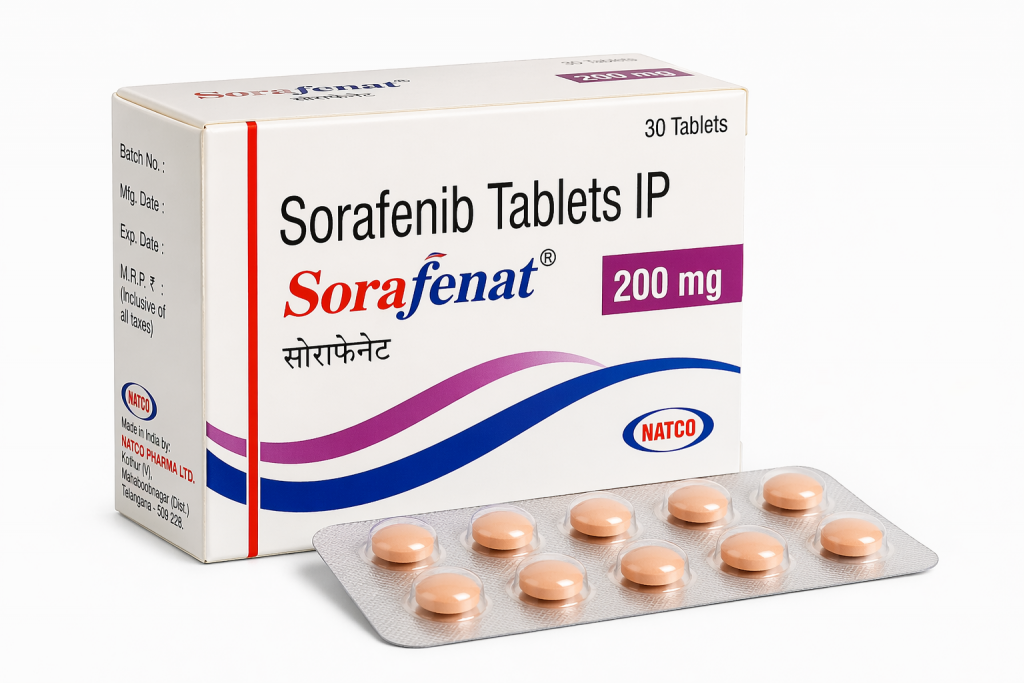 Sorafenat made by Natco, most popular generic drug
Mechanism of Action
Sorafenib works by inhibiting:
- RAF kinases
- VEGFR (Vascular Endothelial Growth Factor Receptors)
- PDGFR (Platelet-Derived Growth Factor Receptors)
By blocking these pathways, Sorafenib helps slow tumor growth and reduce the development of new blood vessels that supply cancer cells.
Standard Dosage
- 400 mg orally twice daily
- Taken without food or with a low-fat meal
What Is Lenvatinib?
Lenvatinib is a newer oral targeted therapy approved as a first-line treatment for advanced hepatocellular carcinoma.
Mechanism of Action
Lenvatinib inhibits:
- VEGFR 1–3
- FGFR 1–4
- RET
- KIT
- PDGFR-alpha
Its broader target profile may contribute to improved tumor response rates in certain patients.
Standard Dosage
Based on body weight:
- ≥60 kg: 12 mg once daily
- <60 kg: 8 mg once daily
Common Uses of Sorafenib
- Advanced hepatocellular carcinoma (HCC)
- Renal cell carcinoma (kidney cancer)
- Differentiated thyroid cancer in selected cases
What Is Lenvatinib?
Lenvatinib is another oral targeted therapy used for several cancers, including liver cancer, thyroid cancer, kidney cancer (in combination settings), and endometrial cancer in specific treatment plans.
Like sorafenib, lenvatinib works by targeting proteins that help tumors grow and spread. However, its target profile differs slightly, which may affect treatment response and tolerability depending on the patient’s condition.
Common Uses of Lenvatinib
- Advanced hepatocellular carcinoma
- Thyroid cancer
- Renal cell carcinoma
- Endometrial cancer in selected treatment plans
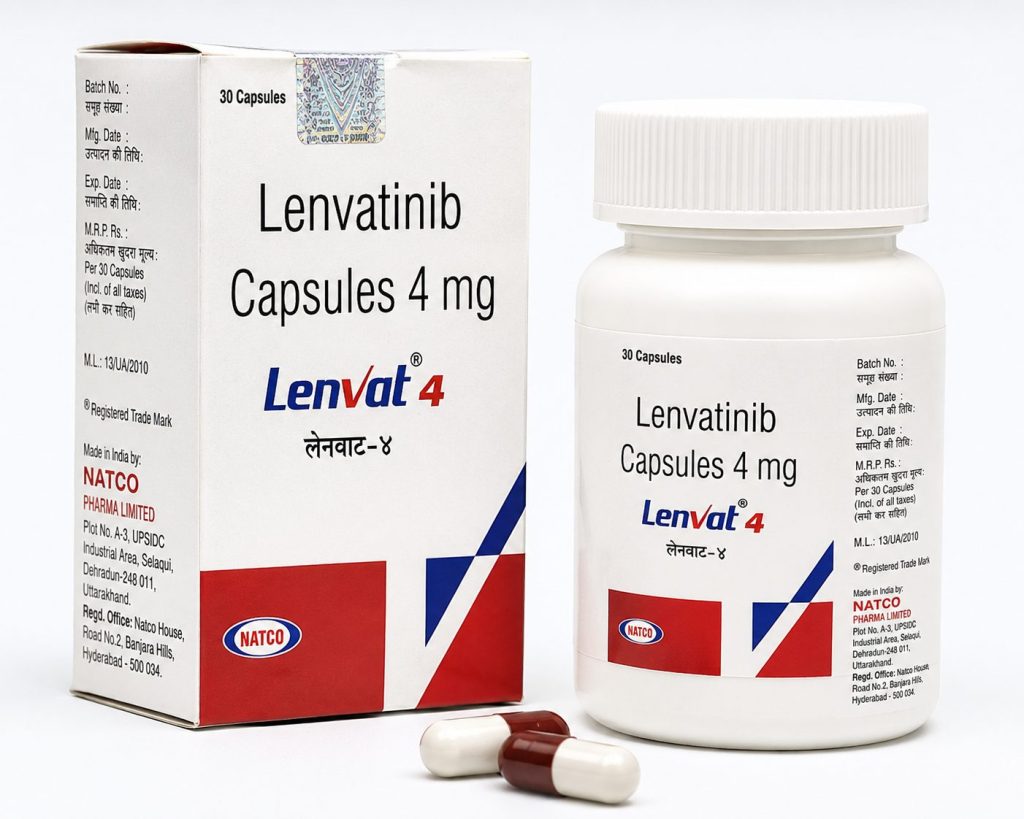
Sorafenib vs Lenvatinib: Key Differences
| Feature | Sorafenib | Lenvatinib |
|---|---|---|
| Drug Class | Multikinase Inhibitor | Multikinase Inhibitor |
| First Approval | 2007 | 2018 |
| Treatment Setting | Advanced HCC | Advanced HCC |
| Dosing | Twice Daily | Once Daily |
| Tumor Response Rate | Lower | Higher |
| Progression-Free Survival | Lower | Higher |
| Hypertension Risk | Moderate | Higher |
| Hand-Foot Syndrome | More Common | Less Common |
1. Treatment Indications
Both medicines are commonly used for advanced liver cancer, especially when surgery, transplantation, or local therapies are not suitable. Lenvatinib is often considered an alternative first-line option depending on physician evaluation and patient eligibility.
Sorafenib has a longer history of use in liver cancer treatment, while lenvatinib has gained strong attention due to treatment outcomes and physician preference in selected patients.
2. How They Work
Both are kinase inhibitors, but they target slightly different pathways. This may influence effectiveness, blood pressure effects, fatigue levels, and overall tolerance.
The choice is rarely based on “which is stronger” alone—it depends on the patient’s liver function, tumor burden, general health, and treatment goals.
3. Side Effect Profile
Sorafenib is commonly associated with hand-foot skin reactions, diarrhea, fatigue, and rash.
Lenvatinib may more commonly involve high blood pressure, decreased appetite, fatigue, and weight loss.
Neither medicine should be considered universally easier to tolerate; patient-specific monitoring is essential.
4. Dosing Convenience
Both medicines are taken orally, which offers convenience compared to intravenous treatments. However, dosing schedules and dose adjustments may vary depending on body weight, liver function, and tolerance.
5. Cost Comparison
Cost is often a major concern. Generic sorafenib is generally available in many markets and may be more affordable depending on region and manufacturer.
Lenvatinib can sometimes be priced higher, particularly where fewer generic options exist. However, pricing varies significantly by country, supplier, and healthcare access programs.
Safety and Side Effects
Both sorafenib and lenvatinib require medical supervision. These are prescription oncology medicines and should never be started without specialist guidance.
Common Side Effects of Sorafenib
- Fatigue
- Diarrhea
- Skin rash
- Hand-foot syndrome
- High blood pressure
- Loss of appetite
Common Side Effects of Lenvatinib
- Hypertension
- Fatigue
- Protein in urine
- Weight loss
- Reduced appetite
- Diarrhea
Patients should report symptoms early and follow regular monitoring schedules. Dose adjustment is common and does not necessarily mean treatment failure.
Clinical Effectiveness Comparison
One of the most important studies comparing these medications is the REFLECT Trial, a large international Phase III study evaluating first-line treatment for advanced hepatocellular carcinoma.
REFLECT Trial Findings
The study demonstrated that:
- Lenvatinib achieved overall survival comparable to Sorafenib.
- Lenvatinib showed improved progression-free survival.
- Lenvatinib produced higher objective tumor response rates.
- Both therapies maintained manageable safety profiles.
These findings established Lenvatinib as an effective first-line alternative to Sorafenib for many patients with advanced liver cancer.
Which Drug Is Better for Which Patient?
There is no universal “best” drug. Treatment choice depends on clinical factors.
Sorafenib May Be Preferred If:
- Blood pressure is difficult to control
- Patient has high proteinuria risk
- Physician prefers long-term familiarity
- Prior sorafenib tolerance exists
- Lower-cost generic access is important
Lenvatinib May Be Preferred If:
- Stronger tumor shrinkage is needed
- Faster disease response is important
- Better progression-free survival is prioritized
- Hand-foot syndrome risk should be minimized
Final treatment decisions must always be made by a qualified oncologist.
Buying Guide: What Patients Should Consider
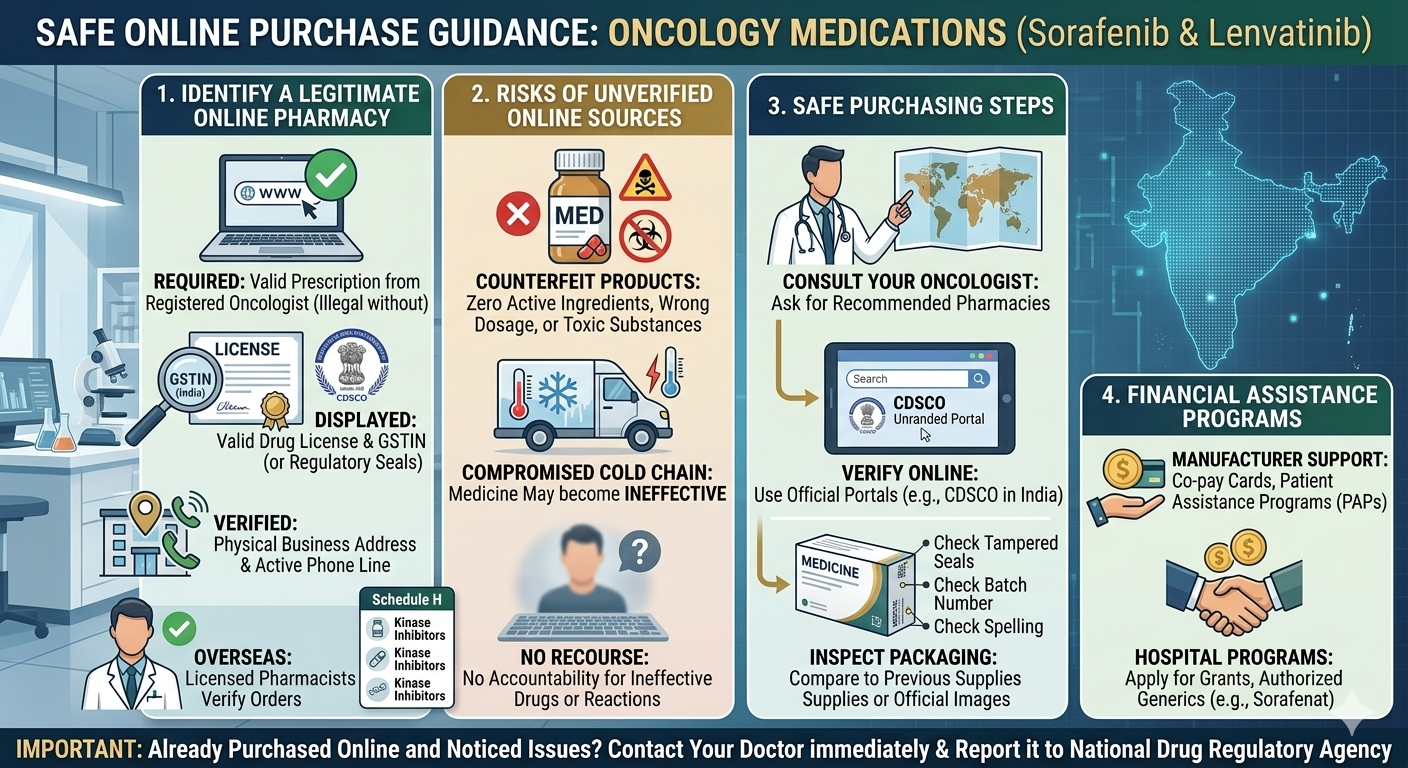
When comparing sorafenib vs lenvatinib from a purchasing perspective, patients should focus on authenticity, availability, and physician prescription—not only price.
Important Buying Factors
- Doctor’s prescription and suitability
- Generic vs branded availability
- Trusted pharmacy sourcing
- Import regulations for international orders
- Storage and shipping conditions
- Manufacturer reputation
Patients should avoid unverified online sellers offering unrealistic discounts. Oncology medicines require strict handling and genuine sourcing.
Market Insights and Treatment Trends
The demand for targeted therapies in liver cancer treatment continues to grow globally. As awareness improves and access expands, both sorafenib and lenvatinib remain highly searched oncology medicines.
Generic availability has improved affordability for many patients, especially in countries with strong pharmaceutical manufacturing sectors. This has made treatment access more practical for international buyers seeking cost-effective oncology support.
Healthcare providers increasingly consider personalized treatment planning rather than choosing one medicine as universally superior. Factors such as liver reserve, treatment history, blood pressure management, and patient tolerance strongly influence decision-making.
Data and Insights Section
There is no single answer to “which is better—sorafenib or lenvatinib?” because treatment outcomes vary by individual case. Physicians usually evaluate:
- Stage of liver cancer
- Overall liver function
- Prior treatment history
- Blood pressure control
- General performance status
- Potential drug interactions
In many healthcare settings, both medicines remain important first-line options. Real-world treatment decisions often depend as much on patient suitability and access as on clinical preference.
FAQ Section
1. Is lenvatinib better than sorafenib for liver cancer?
There is no universal answer because treatment choice depends on the patient’s condition. Some patients may respond better to lenvatinib, while others may be better suited for sorafenib based on liver function, blood pressure, and treatment goals. A specialist decides the most appropriate option after evaluating the full clinical picture.
2. What is the main difference between sorafenib and lenvatinib?
The main difference lies in how they target cancer growth pathways and their side effect profiles. Sorafenib is often associated with skin-related reactions, while lenvatinib may more commonly affect blood pressure and appetite. Both are targeted therapies used for advanced cancers, especially liver cancer.
3. Which is more affordable: sorafenib or lenvatinib?
In many regions, generic sorafenib may be more affordable because it has been available longer. Lenvatinib pricing may be higher depending on market availability and generic access. Final cost depends on dosage, supplier, country, and whether patient assistance programs are available.
4. Can sorafenib and lenvatinib be taken together?
These medicines are generally not used together as a standard treatment approach. They are usually considered as separate treatment options based on clinical evaluation. Only an oncology specialist should determine treatment sequencing or combination strategies depending on the patient’s cancer progression and overall health.
5. Are both medicines approved for liver cancer?
Yes, both medicines are commonly used in advanced hepatocellular carcinoma treatment settings. Their use depends on physician assessment and local treatment guidelines. Approval status may vary slightly by country, so patients should follow local medical guidance and specialist recommendations.
6. What side effects should patients watch for?
Patients should monitor fatigue, diarrhea, blood pressure changes, appetite loss, and skin reactions. Prompt reporting of symptoms helps doctors manage treatment safely. Regular follow-up is important because dose adjustments may improve tolerance without stopping therapy completely.
7. Can generic versions of these medicines be trusted?
Yes, when sourced from licensed manufacturers and trusted pharmacies, generic medicines can be reliable treatment options. Patients should always buy oncology medicines through legitimate channels and avoid suspicious online offers that promise extremely low prices without prescription requirements.
8. Is lenvatinib used only for liver cancer?
No, lenvatinib is also used in thyroid cancer, kidney cancer, and selected endometrial cancer treatment settings. Its use depends on the cancer type and the physician’s treatment plan. It is not limited to one indication.
9. How do doctors choose between sorafenib and lenvatinib?
Doctors evaluate liver function, blood pressure, tumor characteristics, previous treatments, and patient tolerance. The decision is highly individualized. The goal is to select the medicine that offers the most appropriate balance of effectiveness and manageable side effects for that specific patient.
10. Where can patients safely buy sorafenib or lenvatinib?
Patients should buy only from licensed pharmacies, verified exporters, hospitals, or trusted oncology medicine suppliers. Prescription validation and proper storage conditions are important. Safe sourcing is essential because counterfeit or poorly stored medicines can create serious treatment risks.
Related Long-Tail Keywords
- sorafenib vs lenvatinib for liver cancer
- difference between sorafenib and lenvatinib
- lenvatinib vs sorafenib cost comparison
- which is better sorafenib or lenvatinib
- sorafenib side effects vs lenvatinib side effects
- buy sorafenib online safely
- generic lenvatinib price guide
- targeted therapy for hepatocellular carcinoma
Suggested Internal Linking Topics
- Best targeted therapy medicines for liver cancer
- How to buy oncology medicines online safely
- Generic cancer medicines from India guide
- Lenvatinib uses in thyroid and liver cancer
- Sorafenib side effects management guide
Conclusion
Both Sorafenib and Lenvatinib are important targeted therapies for advanced hepatocellular carcinoma. While Sorafenib has a long-established clinical track record, Lenvatinib offers higher response rates and improved progression-free survival in many patients. The best choice depends on individual clinical factors, liver function, side-effect tolerance, and physician recommendations.
Patients should discuss treatment goals, monitoring requirements, and potential risks with their healthcare team before starting therapy.