
Targeted Therapy for Liver Cancer: Medicines, Uses and Cost Guide
SEO Meta
Title Tag: Targeted Therapy for Liver Cancer: Uses & Cost Guide
Meta Description: Explore targeted therapy for liver cancer, including medicines, uses, side effects, pricing factors, and safe buying guidance.
Suggested URL Slug
/targeted-therapy-for-liver-cancer
Introduction
Many patients researching advanced treatment options search for information about targeted therapy for liver cancer. Unlike traditional chemotherapy, targeted therapy focuses on specific pathways that help cancer grow and spread. This makes it an important option in modern liver cancer management, especially for advanced or progressive disease.
Because liver cancer treatment decisions can be complex, patients and caregivers often want to understand which medicines are commonly used, how these drugs work, what side effects may occur, and how much treatment may cost.
This guide explains targeted therapy for liver cancer in simple terms, covering common medicines, treatment uses, safety considerations, pricing factors, and practical buying guidance for international readers seeking reliable information.
What Is Targeted Therapy for Liver Cancer?
Targeted therapy is a type of cancer treatment designed to block specific molecules or pathways involved in tumor growth. Instead of affecting all rapidly dividing cells like traditional chemotherapy, targeted medicines aim to interfere with the biological processes that help cancer survive and spread.
In liver cancer, especially hepatocellular carcinoma (HCC), targeted therapy may help slow disease progression and support longer-term disease management under specialist supervision.
These medicines are commonly used when surgery is not suitable or when cancer has advanced beyond localized treatment options.
Common Targeted Therapy Medicines for Liver Cancer
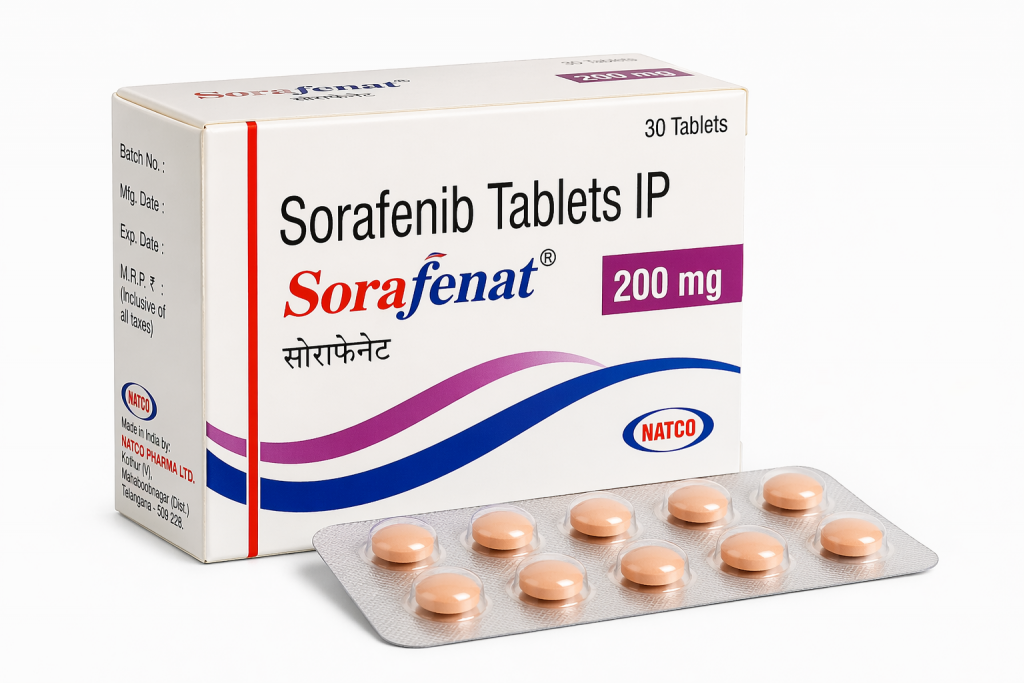
1. Sorafenib
Sorafenib is one of the most recognized targeted therapy medicines for liver cancer. It is an oral medicine that blocks multiple pathways involved in tumor growth and blood vessel formation. It has been widely used in advanced hepatocellular carcinoma treatment planning.
Common side effects may include fatigue, diarrhea, skin reactions, and appetite changes.
2. Lenvatinib
Lenvatinib is another important oral targeted therapy for liver cancer. It is frequently compared with sorafenib because both are used in similar treatment settings. It works by targeting proteins involved in cancer growth and angiogenesis.
Possible side effects may include high blood pressure, weight loss, diarrhea, and tiredness.
3. Regorafenib
Regorafenib is commonly considered in later-line treatment settings after earlier targeted therapy has already been used. It is another multikinase inhibitor used in selected advanced liver cancer cases.
Doctors monitor treatment closely because side effects may include fatigue, diarrhea, and liver function changes.
4. Cabozantinib
Cabozantinib may also be discussed in advanced liver cancer treatment planning. It is a targeted therapy medicine that works on multiple receptors involved in tumor growth and progression.
Its use depends on physician evaluation and prior treatment history.
Targeted Therapy vs Chemotherapy for Liver Cancer
Many patients ask whether targeted therapy is better than chemotherapy. The answer depends on the patient’s diagnosis, liver function, treatment history, and treatment goals.
Key Differences
- Targeted therapy: Focuses on specific cancer growth pathways
- Chemotherapy: Affects rapidly dividing cells more broadly
- Administration: Many targeted therapies are oral medicines
- Side effects: Different patterns compared with standard chemotherapy
In many advanced liver cancer settings, targeted therapy has become a major treatment approach because it allows more personalized treatment planning.
Who May Be Considered for Targeted Therapy?
Not every liver cancer patient requires targeted therapy. Doctors evaluate several important factors before recommending treatment:
- Type and stage of liver cancer
- Liver function and cirrhosis status
- Previous treatments already used
- General physical condition
- Blood pressure control and organ function
- Ability to tolerate long-term oral therapy
The goal is to match the medicine to the patient—not simply the diagnosis.
Targeted Therapy Cost and Price Factors
One of the most common concerns is the cost of targeted therapy for liver cancer. Since treatment may continue for months or longer, affordability becomes a major practical issue for patients and families.
What Affects the Price?
- Brand name versus generic version
- Dosage strength prescribed
- Country of purchase
- Hospital or pharmacy supplier pricing
- Import taxes and regulations
- Availability of patient support programs
- Treatment duration and refill frequency
Generic targeted therapy medicines may improve affordability when sourced from licensed manufacturers and trusted oncology suppliers.
Safety and Side Effects
Like all oncology medicines, targeted therapy requires close monitoring. Side effects vary depending on the specific medicine used, but regular follow-up helps improve treatment safety and continuity.
Common Side Effects
- Fatigue
- Diarrhea
- Loss of appetite
- Weight loss
- High blood pressure
- Hand-foot skin reactions
- Liver function changes
- Voice changes
Doctors may adjust the dose based on tolerance and response. Early symptom reporting is important for safe long-term treatment.
Buying Guide: How to Purchase Targeted Therapy Medicines Safely
When searching for targeted therapy medicines, authenticity is more important than price alone. Oncology drugs must come from reliable and licensed sources.
Safe Buying Checklist
- Use only with a valid prescription
- Buy from licensed oncology pharmacies
- Verify manufacturer information
- Check batch number and expiry date
- Avoid unrealistic online discounts
- Confirm correct storage and shipping standards
- Understand import rules for international delivery
Patients should avoid unknown sellers advertising very low prices without prescription requirements.

Market Insights for 2026
Global demand for targeted oncology medicines continues to rise, especially for liver cancer treatment where oral therapies improve outpatient convenience. Sorafenib and lenvatinib remain among the most searched liver cancer medicines, while later-line targeted therapies continue to gain attention.
Generic availability has improved treatment access in many countries, particularly for international patients seeking affordable cancer medicines. Buyers increasingly focus on pharmacy reliability, supplier transparency, and sustainable long-term access rather than price alone.
Healthcare providers also emphasize personalized treatment selection and side effect management as key parts of successful therapy.
Data and Insights Section
There is no single “best” targeted therapy for liver cancer because treatment depends on individual clinical factors. Physicians usually evaluate disease stage, liver reserve, prior therapy, and the patient’s ability to tolerate treatment before choosing a medicine.
In real-world oncology care, treatment success often depends not only on medicine selection but also on continuity of access, proper monitoring, and supportive care. This is why safe sourcing and specialist supervision remain essential parts of the treatment journey.
Suggested Images

FAQ Section
1. What is targeted therapy for liver cancer?
Targeted therapy for liver cancer is a treatment approach that uses medicines to block specific pathways involved in tumor growth and blood vessel formation. Unlike traditional chemotherapy, it focuses on biological targets linked to cancer progression and is commonly used in advanced liver cancer management.
2. Which medicines are commonly used as targeted therapy for liver cancer?
Common medicines include sorafenib, lenvatinib, regorafenib, and cabozantinib. These medicines are usually used in advanced hepatocellular carcinoma treatment planning, depending on the patient’s condition, previous treatment history, and specialist evaluation.
3. Is targeted therapy better than chemotherapy for liver cancer?
Not always. Targeted therapy and chemotherapy serve different roles. In many advanced liver cancer settings, targeted therapy is preferred because it focuses on specific cancer pathways. However, the best treatment depends on the patient’s diagnosis, liver function, and overall medical situation.
4. Is targeted therapy a cure for liver cancer?
Targeted therapy is generally used to help manage advanced disease and slow progression rather than guarantee a cure. Treatment goals vary depending on cancer stage and individual patient needs. It is usually one part of a broader oncology treatment strategy.
5. What are the side effects of targeted therapy?
Common side effects include fatigue, diarrhea, appetite loss, high blood pressure, skin reactions, and liver function changes. Not every patient experiences the same effects. Doctors often manage tolerance through regular monitoring and dose adjustments when needed.
6. Is generic targeted therapy available for liver cancer?
Yes, generic versions of some targeted therapy medicines may be available in different countries. Generic options can improve affordability when purchased from licensed manufacturers and trusted oncology pharmacies with proper prescription support.
7. How much does targeted therapy for liver cancer cost?
The cost depends on the specific medicine, dosage, treatment duration, and whether the product is branded or generic. Prices also vary by country and supplier. Patients should request updated quotations from verified oncology pharmacies for accurate pricing.
8. Can I buy targeted therapy medicines online safely?
Yes, but only through licensed and trusted oncology suppliers. Patients should avoid suspicious websites that offer unrealistic discounts without requiring prescriptions. Safe sourcing includes manufacturer verification, batch checking, and proper storage standards.
9. How long is targeted therapy treatment continued?
Treatment duration depends on response, tolerance, disease progression, and physician evaluation. Some patients may continue therapy for extended periods with close monitoring. There is no universal fixed duration for every case.
10. What should patients ask before starting targeted therapy?
Patients should ask about expected treatment goals, possible side effects, monitoring requirements, medicine availability, and whether generic options are available. Understanding long-term access and affordability is also important before starting therapy.
Related Long-Tail Keywords
- best targeted therapy for liver cancer
- targeted therapy medicines for liver cancer
- sorafenib vs lenvatinib liver cancer
- generic targeted therapy for liver cancer
- targeted therapy cost for liver cancer
- buy liver cancer medicine online safely
- advanced liver cancer treatment guide
- oral targeted therapy for hepatocellular carcinoma
Suggested Internal Linking Topics
- Liver cancer drugs list and treatment guide
- How to buy cancer medicine online safely
- Generic oncology medicines from India guide
- Sorafenib vs lenvatinib comparison
- Understanding advanced liver cancer treatment options
Conclusion + CTA
Targeted therapy for liver cancer has become an important part of modern oncology care, especially for advanced hepatocellular carcinoma. Medicines such as sorafenib, lenvatinib, regorafenib, and cabozantinib help support disease management when surgery or localized treatment is no longer enough.
Successful treatment depends not only on choosing the right medicine, but also on safe sourcing, affordability, side effect monitoring, and ongoing specialist supervision.
If you are looking for verified access to targeted therapy medicines or want support understanding treatment availability and pricing, connect with a trusted pharmaceutical sourcing partner for reliable guidance and supply assistance.