

Biktarvy Review: Benefits, Side Effects & What Patients Should Know
Choosing the right HIV treatment is an important and individualized decision. Many people exploring treatment options search for Biktarvy reviews to better understand its effectiveness, ease of use, and overall patient experience. As a widely prescribed once-daily HIV medication, Biktarvy is often discussed for its convenience, strong viral suppression, and generally favorable tolerability profile.
Biktarvy is a widely prescribed single-tablet antiretroviral regimen used for the treatment of HIV-1 infection in adults and eligible adolescents. The medication combines three active antiretroviral agents into one once-daily tablet, helping simplify HIV management while supporting long-term viral suppression.
Biktarvy is commonly prescribed by healthcare providers because it offers a combination of convenience, strong antiviral effectiveness, and a favorable safety profile. Its once-daily single-tablet regimen helps simplify HIV treatment and supports better long-term adherence for many patients. The medication is also recognized for its high barrier to resistance, which may help reduce the likelihood of viral resistance developing during treatment. In clinical practice, Biktarvy has demonstrated strong viral suppression rates, with many patients achieving and maintaining undetectable viral loads. Additionally, it is generally well tolerated by many individuals, while the single-tablet approach helps reduce pill burden and makes treatment routines easier to manage.
This professional guide provides comprehensive information on the mechanism of action of Biktarvy, its clinical benefits, potential side effects, important safety considerations, clinically relevant drug interactions, and essential topics patients should discuss with their healthcare provider before initiating therapy.

What Is Biktarvy?
Biktarvy is a prescription antiretroviral medication approved for the treatment of HIV-1 infection in adults and certain pediatric patients.
It contains three active ingredients:
| Ingredient | Drug Class | Function |
|---|---|---|
| Bictegravir | Integrase Strand Transfer Inhibitor (INSTI) | Prevents HIV DNA integration |
| Emtricitabine | Nucleoside Reverse Transcriptase Inhibitor (NRTI) | Blocks viral replication |
| Tenofovir Alafenamide (TAF) | NRTI | Helps reduce viral multiplication |
These medications work together to lower the amount of HIV in the body, helping patients maintain an undetectable viral load when taken consistently.
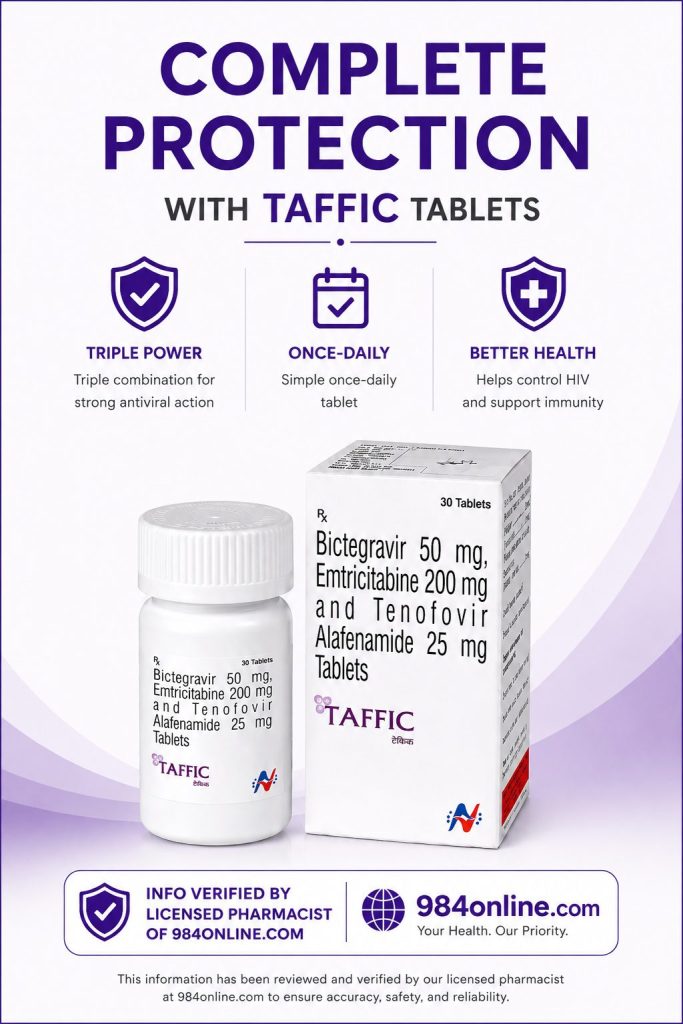
How Biktarvy Works
Biktarvy targets HIV replication at multiple stages.
Bictegravir blocks the HIV integrase enzyme, which the virus needs to insert its genetic material into human immune cells. Without integration, HIV cannot effectively reproduce.
Emtricitabine and tenofovir alafenamide interfere with reverse transcriptase, another enzyme required for viral replication.
This triple-action approach helps:
- Reduce viral load
- Preserve immune function
- Increase CD4 cell counts
- Lower the risk of HIV progression

Key Benefits Highlighted in Biktarvy Reviews
Many general patient experiences and clinical observations note the following advantages:
- Convenience: One pill, once daily, with or without food.
- Effectiveness: Strong viral suppression in appropriate candidates.
- Tolerability: Generally well-tolerated by many users compared to older regimens.
- High Resistance Barrier: Bictegravir component provides robust protection against resistance.
- Simplified Regimen: Reduces pill burden, which can improve long-term adherence.
Common Experiences with Side Effects
As with any medication, side effects vary. In clinical studies, the most commonly reported Biktarvy side effects include diarrhea, nausea, and headache. These are often mild and may improve over time.
Other reported effects can include fatigue, abnormal dreams, dizziness, or weight changes. Some individuals experience no noticeable side effects, while others may need adjustments or alternative options if issues persist.
Who Should Avoid or Use Biktarvy Carefully?
Biktarvy may not be suitable for everyone.
-Patients requiring careful medical evaluation include:
-Individuals with severe kidney disease
-Patients with hepatitis B coinfection
-Pregnant patients
-Individuals taking multiple interacting medications
-Treatment decisions should always be individualized by a qualified healthcare
Other Important Considerations
Biktarvy requires monitoring for kidney function, liver health, and bone density in at-risk individuals. Patients with hepatitis B co-infection need careful management, as stopping treatment suddenly can cause hepatitis B flare-ups.
Drug interactions are possible with certain antacids, supplements, and other medications, so full disclosure to your healthcare provider is essential.
Biktarvy vs Other Regimens
In general comparisons, Biktarvy is often praised for its simplicity and modern safety profile relative to older multi-pill or higher-toxicity regimens. However, the “best” regimen depends on individual factors such as resistance profile, comorbidities, pregnancy plans, and tolerability. Your doctor can help compare options like dolutegravir-based regimens or others.
Who Might Benefit from Biktarvy?
Biktarvy may be suitable for many adults and adolescents who need a potent, convenient, once-daily complete regimen. It is commonly considered for both starting treatment and switching when viral suppression is stable and no resistance issues exist.
Clinical Perspective
Biktarvy is considered one of the leading first-line HIV treatment options due to its convenience, effectiveness, and favorable tolerability profile.
However, treatment success depends on: Consistent adherence ,Regular monitoring, Viral load testing, Individualized medical care.
Patients should discuss all treatment decisions with an HIV specialist or qualified healthcare provider.
FAQs About Biktarvy
1. What do most Biktarvy reviews say about daily life on the medication?
Many reviews highlight the convenience of one-pill dosing and effective viral control. Experiences with side effects vary widely — some report minimal issues, while others mention temporary digestive or sleep-related effects.
2. How effective is Biktarvy for HIV treatment?
When taken consistently as prescribed and appropriate for the individual, Biktarvy helps many people achieve and maintain undetectable viral loads. Success depends on adherence and individual health factors.
3. What are the most common Biktarvy side effects?
Commonly reported ones include diarrhea, nausea, headache, and sometimes fatigue or sleep changes. Most are mild, but report any concerns to your doctor.
4. Does Biktarvy cause weight gain?
Some people report weight changes after starting integrase inhibitor regimens. Lifestyle, overall health improvement, and other factors can contribute. Discuss monitoring with your provider.
5. Is Biktarvy a good option for treatment-naïve patients?
It is often considered a strong first-line option due to its potency, barrier to resistance, and convenience. Final decisions should come from specialist evaluation.
6. Can I switch to Biktarvy from another regimen?
Switching is possible for many virologically suppressed patients without resistance. Your doctor will assess suitability through testing and medical history.
7. How does Biktarvy compare to other single-tablet regimens?
It offers similar convenience with a modern safety profile. Differences exist in specific drug components, interaction potential, and individual tolerability.
8. Is Biktarvy safe long-term?
Many patients use it successfully for years with regular monitoring. Long-term safety is supported by ongoing lab checks for kidney, liver, and other parameters.
9. What should I know about Biktarvy and pregnancy?
Special considerations apply. Women who are pregnant or planning pregnancy must discuss risks and benefits thoroughly with their HIV specialist.
10. Does Biktarvy interact with other medications?
Yes, particularly with certain supplements and antacids. Always provide your full medication and supplement list to your healthcare team.
11. What happens if I miss doses of Biktarvy?
Consistent daily adherence is important for maintaining viral suppression. If doses are missed, contact your provider for guidance rather than adjusting on your own.
12. Is Biktarvy expensive?
Cost varies by region, insurance, and assistance programs. Many patients access it through patient support programs or generic alternatives where available.
Suggested Internal Links
- Biktarvy Price Guide
- Biktarvy Side Effects Explained
- HIV Treatment Guide
- Generic HIV Medicine in India
- HIV Drug Ressistance
Clinical Perspective
Biktarvy is considered one of the leading first-line HIV treatment options due to its convenience, effectiveness, and favorable tolerability profile.
However, treatment success depends on:
Consistent adherence, Regular monitoring, Viral load testing, Individualized medical care
Patients should discuss all treatment decisions with an HIV specialist or qualified healthcare provider.
Conclusion
Biktarvy is considered one of the leading single-tablet HIV treatment options due to its convenience, strong antiviral effectiveness, and generally favorable tolerability profile. Its once-daily dosing and high barrier to resistance make it a preferred choice for many healthcare providers and patients managing HIV-1 infection.
While many individuals achieve excellent viral suppression with Biktarvy, treatment experiences can vary from person to person. Factors such as overall health, existing medical conditions, potential drug interactions, and individual tolerance all play an important role in selecting the most appropriate HIV therapy.
The most effective HIV treatment plan is always personalized and should be guided by a qualified healthcare professional.
Disclaimer: This article is for educational purposes only and does not constitute medical advice. Individual results vary. Always consult qualified healthcare professionals for diagnosis, treatment decisions, and management of HIV.