

Dolutegravir Dosage: Guidelines for HIV Treatment
Understanding the correct dolutegravir dosage is essential for people living with HIV who are prescribed this important antiretroviral medication. As an integrase strand transfer inhibitor (INSTI), dolutegravir plays a key role in many modern HIV treatment regimens.
This educational article provides general information on dolutegravir dosage, administration, and important considerations. This is not medical advice. Dosage must always be determined and supervised by a qualified healthcare professional based on individual health factors, lab results, and current treatment guidelines.
What Is Dolutegravir?
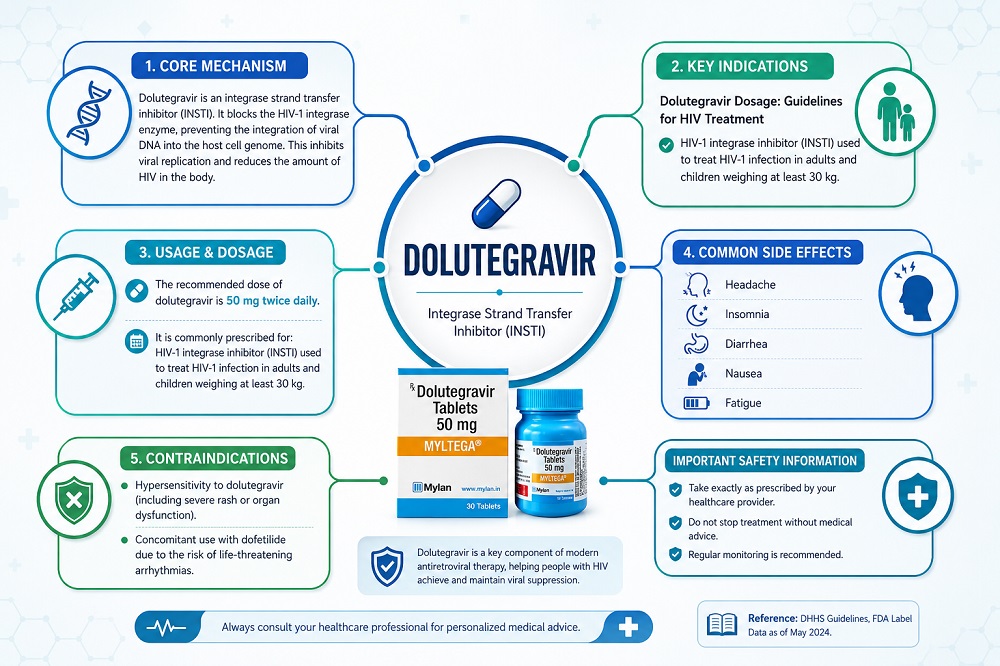
Dolutegravir is a potent antiretroviral medicine used in combination with other drugs to treat HIV-1 infection. It works by blocking the integrase enzyme, preventing HIV from integrating its genetic material into human cells. This helps reduce viral load and supports immune system recovery.
It is valued for its high barrier to resistance and is often included in first-line HIV treatment regimens worldwide.
Standard Dolutegravir Dosage for Adults
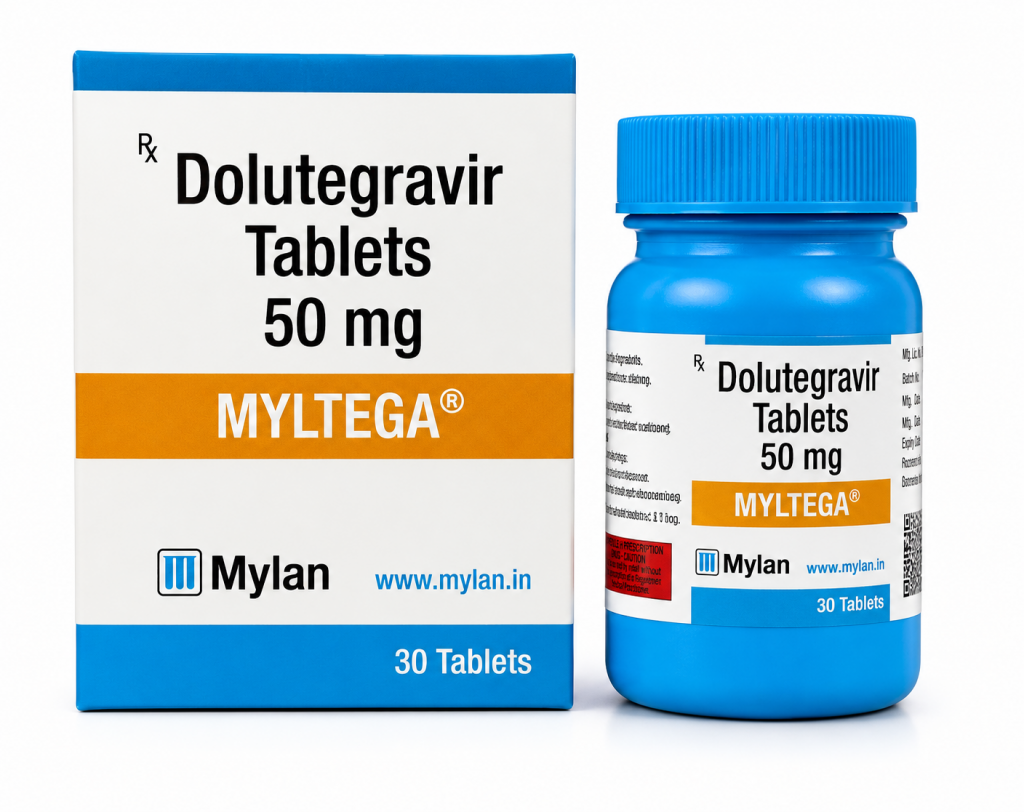
In most adults without resistance, the typical dolutegravir dosage is 50 mg taken once daily. It is commonly available as a single tablet or in fixed-dose combination tablets with other antiretrovirals such as lamivudine and tenofovir.
For certain situations, such as when dolutegravir is taken with specific medications that may reduce its levels or in cases of documented resistance, a healthcare provider may adjust to 50 mg twice daily. Exact dosing depends on the full regimen and patient-specific factors.
Dolutegravir Dosage in Special Populations
Children and Adolescents
Dosing for pediatric patients is weight-based and uses specific formulations (tablets or dispersible tablets). Pediatric dolutegravir dosage requires careful calculation by a specialist experienced in HIV care for children.
Pregnancy and Breastfeeding
Dolutegravir use in pregnancy requires individualized assessment. Current guidelines provide recommendations that balance benefits and potential risks. Women of childbearing potential should discuss family planning with their healthcare provider before starting or continuing treatment.
Kidney and Liver Impairment
Dolutegravir dosage generally does not require adjustment in mild to moderate kidney impairment. In severe cases or with certain co-treatments, professional evaluation is necessary. Liver function should also be monitored as part of routine HIV care.
How to Take Dolutegravir Correctly
Dolutegravir can usually be taken with or without food. Consistency in timing helps maintain steady drug levels. It is important to swallow tablets whole and not crush or chew unless using a dispersible formulation as directed.
Patients should inform their doctor about all other medications, supplements, or herbal products, as some substances can interact with dolutegravir and affect its efficacy or safety.
Missed Dose Instructions
If a dose is missed, take it as soon as remembered unless it is almost time for the next scheduled dose. In that case, skip the missed dose and resume the regular schedule. Never take a double dose to make up for a missed one. Consistent daily adherence is crucial for long-term viral suppression.
Potential Side Effects and Monitoring
Like all medications, dolutegravir may cause side effects in some people. Commonly reported ones include headache, insomnia, nausea, or diarrhea. Most are mild, but any new or concerning symptoms should be reported to a healthcare provider promptly.
Routine monitoring of viral load, CD4 count, kidney function, and liver enzymes is standard when on antiretroviral therapy including dolutegravir.
Factors That May Influence Dolutegravir Dosage
- Presence of resistance mutations
- Co-administration with other drugs (e.g., rifampin, certain antacids, or metformin)
- Individual tolerability
- Comorbid conditions
Healthcare providers use resistance testing and drug interaction checkers to optimize dolutegravir dosage and the overall regimen.
FAQs About Dolutegravir Dosage
1. What is the usual adult dolutegravir dosage?
The standard dosage for most adults is 50 mg once daily as part of a combination HIV regimen. Adjustments to twice daily may be made in specific clinical situations under medical supervision.
2. Can dolutegravir be taken with or without food?
Yes, dolutegravir can generally be taken with or without food, offering dosing flexibility for patients.
3. What should I do if I miss a dolutegravir dose?
Take the missed dose as soon as you remember unless it is close to the next dose time. Do not double the dose. Speak with your pharmacist or doctor if you frequently miss doses.
4. Is dolutegravir dosage different for children?
Yes. Pediatric dosing is based on the child’s weight and uses appropriate formulations. Only a pediatric HIV specialist should determine the correct dosage.
5. Does kidney disease affect dolutegravir dosage?
In most cases of mild to moderate kidney impairment, no dosage adjustment is needed. Severe impairment requires medical evaluation.
6. Can I take antacids with dolutegravir?
Some antacids and supplements containing calcium, magnesium, or aluminum can reduce dolutegravir absorption. They should be separated by several hours or taken as advised by a healthcare provider.
7. How long do I need to take dolutegravir?
HIV treatment is usually lifelong. Dolutegravir helps maintain viral suppression as long as it is taken consistently as part of a complete regimen.
8. Is dolutegravir safe during pregnancy?
Dolutegravir is used in pregnancy after careful risk-benefit discussion with a doctor. Guidelines provide updated recommendations based on available data.
9. Can dolutegravir dosage be adjusted if side effects occur?
Side effect management may involve supportive care, timing adjustments, or in some cases switching regimens. Never change dosage without medical guidance.
10. Does dolutegravir interact with other HIV medicines?
It is designed to be used in combination. Your doctor selects compatible drugs and determines the best overall regimen and dolutegravir dosage.
11. What formulations of dolutegravir are available?
Dolutegravir is available as 50 mg tablets, dispersible tablets for children, and in various fixed-dose combination pills that simplify daily treatment.
12. How is treatment success monitored on dolutegravir?
Success is measured primarily by achieving and maintaining an undetectable viral load through regular blood tests, along with CD4 count improvements and overall health.
Conclusion
Dolutegravir has transformed HIV care by providing a highly effective, durable, and convenient treatment option. Its strong resistance profile and ability to achieve rapid viral suppression have made it a preferred component of contemporary antiretroviral therapy. When combined with appropriate medical monitoring and adherence support, dolutegravir-based regimens play a vital role in helping people living with HIV achieve long-term viral control and improved quality of life.
Important Next Step: Always follow the specific instructions provided by your healthcare provider. Never adjust, stop, or start dolutegravir without professional medical advice. Regular follow-up appointments and open communication with your care team are essential for successful treatment.
Disclaimer: This article is for educational purposes only and does not constitute medical advice. Treatment decisions, including dolutegravir dosage, should be made exclusively by qualified healthcare professionals based on individual patient needs and current clinical guidelines.