Omeprazole (Prilosec) Guide: Uses, Dosage, Side Effects & Affordable Generic Options
Omeprazole is a proton pump inhibitor (PPI) that has transformed the treatment of acid-related gastrointestinal disorders since its introduction in the late 1980s. Originally marketed under the brand name Prilosec, omeprazole quickly became one of the best-selling medications worldwide by effectively reducing stomach acid production and providing relief for millions of patients suffering from GERD, peptic ulcers, and other acid-peptic conditions. Today, generic omeprazole is widely available and represents a cornerstone of gastrointestinal pharmacotherapy.
What Is Omeprazole?
Omeprazole is the first proton pump inhibitor (PPI) to reach the market and belongs to a class of medications that suppress gastric acid secretion by blocking the hydrogen-potassium adenosine triphosphatase (H+/K+-ATPase) enzyme system, also known as the gastric proton pump, located in the parietal cells of the stomach lining. By irreversibly inhibiting this final step in acid production, omeprazole reduces both basal and stimulated gastric acid secretion, allowing damaged esophageal and gastric tissue to heal and providing effective symptom relief.
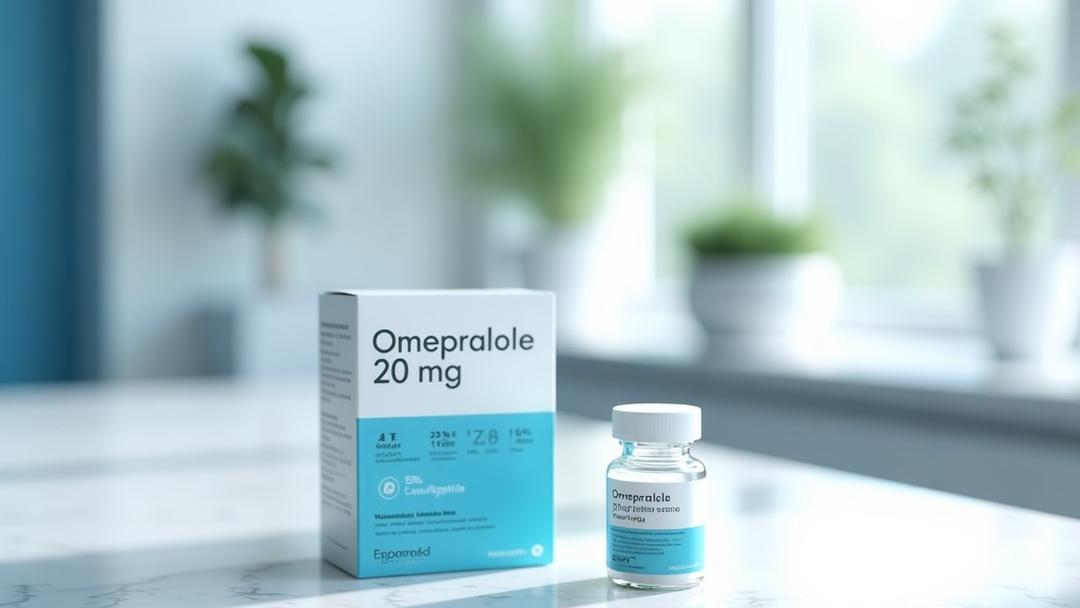
The medication is available in multiple formulations: delayed-release capsules, tablets, orally disintegrating tablets, and intravenous injection. Over-the-counter (OTC) omeprazole (brand: Prilosec OTC) is available for frequent heartburn without a prescription in many countries, typically in 20 mg strength, while prescription-strength formulations may be prescribed at higher doses for more severe or persistent conditions. Generic omeprazole is now manufactured by numerous companies worldwide, including many high-quality producers in India, significantly expanding patient access to this essential medication.
How Omeprazole Works (Mechanism of Action)
Omeprazole is a substituted benzimidazole that acts as a prodrug, meaning it is inactive in its native form and requires an acidic environment to convert into its active form. After oral administration, omeprazole is absorbed in the small intestine and transported via the bloodstream to the parietal cells of the stomach. Within the highly acidic secretory canaliculi of these cells (pH below 4), omeprazole undergoes acid-catalyzed rearrangement to form a sulfenamide derivative, which is the active species responsible for the drug pharmacological action.
The active sulfenamide binds covalently to cysteine residues on the alpha-subunit of the H+/K+-ATPase enzyme (the proton pump), effectively and irreversibly disabling the pump. This irreversible binding means that acid suppression persists until new pump molecules are synthesized, which typically takes 24 to 48 hours. This is why PPIs provide sustained acid suppression even though the drug itself has a relatively short plasma half-life of approximately 1 to 2 hours. To maximize therapeutic effectiveness, omeprazole should be taken approximately 30 to 60 minutes before a meal, as food stimulates proton pump activation and increases the number of accessible binding sites.
Unlike H2 receptor antagonists (such as ranitidine or famotidine), which provide only partial and transient acid suppression by blocking histamine-stimulated acid secretion, PPIs like omeprazole achieve more complete and sustained acid suppression by directly blocking the final common pathway of acid production, regardless of the stimulus (histamine, gastrin, or acetylcholine). This translates to superior healing rates for erosive esophagitis and more effective symptom control for GERD.
What Omeprazole Is Used For
Omeprazole has a broad spectrum of approved and commonly used clinical indications. Below are the major therapeutic applications:
1. Gastroesophageal Reflux Disease (GERD)
GERD is the most common indication for omeprazole. This chronic condition occurs when stomach acid frequently flows back into the esophagus, causing symptoms such as heartburn, regurgitation, chest pain, and difficulty swallowing. Omeprazole is used both for the healing of erosive esophagitis (damage to the esophageal lining caused by acid exposure) and for the maintenance of healing. Standard treatment typically involves once-daily dosing for 4 to 8 weeks for initial healing, followed by maintenance therapy at the lowest effective dose to prevent symptom recurrence.
2. Peptic Ulcer Disease (Gastric and Duodenal Ulcers)
Omeprazole is effective in healing both gastric (stomach) and duodenal (upper small intestine) ulcers. It promotes ulcer healing by reducing acid exposure, which allows the damaged mucosal tissue to repair itself. For H. pylori-associated ulcers, omeprazole is used as part of triple or quadruple therapy regimens that include antibiotics to eradicate the bacteria and prevent ulcer recurrence. For NSAID-induced ulcers, omeprazole can be used both for healing and for prevention in patients who must continue NSAID therapy (such as those with arthritis or cardiovascular conditions requiring anti-inflammatory treatment).
3. Helicobacter pylori Eradication
Omeprazole is a key component of H. pylori eradication regimens. Helicobacter pylori is a bacterium that colonizes the stomach lining and is a major cause of peptic ulcers and a risk factor for gastric cancer. Standard triple therapy typically combines omeprazole (or another PPI) with two antibiotics (usually clarithromycin and amoxicillin or metronidazole) for 10 to 14 days. The PPI enhances the effectiveness of the antibiotics by raising the gastric pH, which improves antibiotic stability and penetrability, and by directly inhibiting bacterial growth to some degree.
4. Zollinger-Ellison Syndrome and Other Hypersecretory Conditions
Zollinger-Ellison syndrome is a rare condition caused by a gastrin-secreting tumor (gastrinoma) that leads to extreme gastric acid overproduction and multiple, difficult-to-treat peptic ulcers. Omeprazole and other PPIs are the mainstay of treatment for this condition, often requiring high doses (sometimes 60 mg or more per day, or continuous intravenous infusion in severe cases). Omeprazole is also used for other hypersecretory conditions such as systemic mastocytosis and multiple endocrine adenomas.
5. Prevention of NSAID-Induced Ulcers
Patients who require long-term NSAID therapy (e.g., for osteoarthritis, rheumatoid arthritis, or cardiovascular prophylaxis with low-dose aspirin) are at increased risk of developing gastric ulcers. Omeprazole can be used prophylactically to reduce this risk. Studies have shown that PPI co-therapy significantly lowers the incidence of NSAID-induced gastric and duodenal ulcers compared to placebo or H2 blockers. This is particularly important for high-risk patients, such as the elderly, those with a history of ulcers, or those taking concomitant corticosteroids or anticoagulants.
6. Other Uses
Additional clinical uses include: functional dyspepsia (for symptom relief when H. pylori has been ruled out or treated), Barrett esophagus (for acid suppression to reduce the risk of progression to esophageal adenocarcinoma), prevention of stress-related mucosal bleeding in critically ill patients (often given intravenously in ICU settings), and as part of combination regimens for certain parasitic infections and rare conditions such as eosinophilic esophagitis (as an adjunct to dietary and other interventions).
Omeprazole Dosage and Administration
The appropriate omeprazole dosage depends on the specific condition being treated, its severity, and individual patient factors. Below is a summary of standard dosing guidelines:
| Indication | Standard Adult Dosage | Duration | Notes |
|---|---|---|---|
| GERD – Erosive Esophagitis (healing) | 20 mg once daily | 4-8 weeks | Take 30-60 min before breakfast; may extend to 12 weeks if incomplete healing |
| GERD – Maintenance / Symptomatic Relief | 20 mg once daily | Up to 14 days OTC; ongoing Rx as needed | OTC course limited to 14 days; consult doctor if symptoms persist |
| Duodenal Ulcer (healing) | 20 mg once daily | 4-6 weeks | Some patients may require 40 mg daily for resistant ulcers |
| Gastric Ulcer (healing) | 20 mg once daily | 4-8 weeks | Extending beyond 8 weeks should be medically supervised |
| H. pylori Eradication (triple therapy) | 20 mg twice daily | 10-14 days | Combined with amoxicillin 1,000 mg BID + clarithromycin 500 mg BID |
| Zollinger-Ellison Syndrome | 60 mg once daily (individualize) | Long-term / ongoing | Doses up to 120 mg TID have been used; titrate to clinical response |
| NSAID-Induced Ulcer Prevention | 20 mg once daily | Duration of NSAID therapy | Recommended for high-risk patients on long-term NSAIDs |
| Pathologic Hypersecretory Conditions | Individualized (often 20-120 mg/day) | Ongoing | Divided doses may be used for very high secretory rates |
Omeprazole delayed-release capsules and tablets should be swallowed whole with water, 30 to 60 minutes before a meal (typically breakfast). They must not be crushed, chewed, or split, as this would destroy the enteric coating that protects the drug from degradation by stomach acid. For patients who have difficulty swallowing capsules, the contents of the capsule can be sprinkled onto a small amount of applesauce and swallowed immediately without chewing (using the appropriate formulation; check specific product instructions).
For patients requiring dose adjustment, omeprazole is metabolized primarily by the CYP2C19 and CYP3A4 liver enzymes. Patients who are poor metabolizers of CYP2C19 (which varies by ethnicity notably higher prevalence in Asian populations) may have higher plasma drug concentrations and may achieve adequate acid suppression at lower doses. Conversely, patients who are taking medications that induce CYP2C19 (such as rifampin, carbamazepine, or phenytoin) may require higher doses for equivalent effect.
Omeprazole Side Effects
Omeprazole is generally well tolerated, with most patients experiencing minimal side effects, especially with short-term use. However, both common and rare but serious adverse effects have been documented, particularly with long-term or high-dose therapy.
Common Side Effects
- Headache: the most commonly reported side effect, occurring in approximately 5-10% of patients in clinical trials; typically mild and transient
- Abdominal pain or discomfort: may include nausea, bloating, or epigastric tenderness
- Diarrhea or constipation: alterations in bowel habits are common with PPI use; diarrhea may sometimes be related to changes in gut flora
- Flatulence and belching: related to altered gastric motility and gut microbiota
- Dry mouth: relatively common but usually mild
- Dizziness or fatigue: reported infrequently; more notable in elderly patients
Long-Term Use Considerations and Serious Adverse Effects
While omeprazole is highly effective and safe for short-term use, accumulating evidence from observational studies has raised awareness of potential long-term risks associated with prolonged PPI therapy. It is important to note that many of these associations are based on observational data and may be influenced by confounding factors, but they warrant clinical consideration:
- Vitamin B12 deficiency: Gastric acid is required for the release of vitamin B12 from food proteins. Long-term PPI use (typically defined as more than 2 to 3 years) may impair B12 absorption, particularly in elderly patients, vegans/vegetarians, or those with marginal B12 status. Periodic monitoring of B12 levels may be appropriate in long-term users.
- Hypomagnesemia (low magnesium): PPI-associated hypomagnesemia is a recognized adverse effect, with the FDA issuing a safety communication in 2011. It typically occurs after prolonged use (more than 1 year) and can be serious, causing muscle cramps, arrhythmias, and seizures. The mechanism is thought to involve impaired active magnesium absorption in the intestines. Patients on diuretics, digoxin, or with pre-existing magnesium deficiency are at higher risk. Magnesium levels should be monitored periodically in long-term users.
- Bone fractures: Several large observational studies and meta-analyses have reported a modestly increased risk of hip, wrist, and spine fractures with long-term (typically more than 1 year), high-dose PPI use. The proposed mechanism involves reduced calcium absorption due to decreased gastric acid, though confounding by indication (patients on PPIs may have other fracture risk factors) is possible. Current guidelines generally do not recommend routine bone density screening solely due to PPI use, but caution is advised in patients with existing osteoporosis risk.
- Clostridium difficile infection: By reducing gastric acid, PPIs may reduce a natural barrier against ingested pathogens. Multiple studies have associated PPI use with an increased risk of C. difficile-associated diarrhea (CDAD), particularly in hospitalized patients and the elderly. This risk appears to be additive with concurrent antibiotic use.
- Kidney disease: Emerging evidence has linked long-term PPI use with an increased risk of chronic kidney disease and acute interstitial nephritis (a rare but serious allergic/inflammatory reaction in the kidney). The absolute risk increase appears small, but it is a notable consideration for patients with pre-existing kidney disease or other risk factors.
- Gastric fundic gland polyps: Long-term PPI use (years) is associated with the development of fundic gland polyps, which are typically benign and asymptomatic. These usually regress after PPI discontinuation. They should not be confused with more serious gastric polyps.
- Rebound acid hypersecretion: When PPIs are discontinued after prolonged use, a transient surge in gastric acid secretion can occur, causing symptoms that may be mistaken for recurrence of the original condition. This rebound effect can make it difficult to stop PPIs and may lead to unnecessary long-term continuation. A gradual taper over several weeks, possibly with a temporary switch to an H2 blocker, can help minimize this effect.
Omeprazole vs. Other Acid-Reducing Medications
Understanding how omeprazole compares to other acid-reducing medications helps patients and clinicians choose the most appropriate treatment for each clinical scenario:
| Medication | Drug Class | Onset of Action | Acid Suppression Potency | Duration of Action | Best Used For | Key Consideration |
|---|---|---|---|---|---|---|
| Omeprazole | PPI (1st gen) | 1-3 days for full effect | High | 24+ hours | GERD, ulcers, H. pylori, ZES | Generic & affordable; drug interactions via CYP2C19 |
| Esomeprazole | PPI (S-enantiomer of omeprazole) | 1-3 days | Slightly higher than omeprazole | 24+ hours | Similar to omeprazole; possibly more consistent in CYP2C19 poor metabolizers | May be more expensive; marginally better efficacy in some studies |
| Lansoprazole | PPI (2nd gen) | 1-3 days | High | 24+ hours | GERD, ulcers; available in ODT form | Similar profile to omeprazole; ODT option for swallowing difficulty |
| Pantoprazole | PPI (2nd gen) | 1-3 days | High | 24+ hours | Similar indications; preferred in patients with multiple drug interactions | Fewer CYP interactions; IV formulation available |
| Famotidine | H2 Receptor Antagonist | 30-60 minutes | Moderate (less than PPIs) | 6-12 hours | Mild GERD, intermittent heartburn, nighttime symptom control | Fewer long-term concerns; less potent; tolerance can develop |
| Calcium Carbonate | Antacid | Immediate (minutes) | Minimal | Temporary (1-2 hours) | | Mild, occasional heartburn | | Fast relief; no sustained acid suppression | | Does not heal esophagitis; overuse can cause alkalosis, rebound |
Affordable Generic Omeprazole Pricing
Omeprazole has been available as a generic medication for decades, making it one of the most affordable acid-reducing therapies available. Price ranges vary significantly between the US market and international generic sources:
Generic Omeprazole (India) – Common Strengths and Forms
- Omeprazole 20 mg capsules (30-count supply): typically in the range of $3 to $8 from reputable Indian generic manufacturers. This represents approximately 1 to 2 months of once-daily therapy at standard doses.
- Omeprazole 20 mg capsules (100-count supply): approximately $8 to $20 for a 3+ month supply, offering significant per-unit savings for long-term users.
- Omeprazole 40 mg capsules (30-count supply): generally priced at $5 to $12, appropriate for patients requiring higher doses (e.g., Zollinger-Ellison syndrome, severe GERD, or H. pylori eradication when prescribed as 20 mg twice daily).
- Omeprazole 10 mg or 20 mg orally disintegrating tablets (if available): approximately $4 to $10 for a 30-day supply, offering convenience for patients with dysphagia.
- Omeprazole-sodium bicarbonate combination (Zegerid generic equivalent): approximately $8 to $18 for a 30-day supply (20 mg/1,100 mg), providing immediate-release acid suppression for patients who need faster onset.
Brand-Name Prilosec (United States Pricing Reference)
- Prilosec 20 mg capsules (brand, 30-count): Without insurance, brand-name Prilosec in the US typically costs in the range of $150 to $350 for a 30-day supply, representing a substantial price premium over generic alternatives.
- Prilosec OTC 20 mg (brand OTC, 14- or 28-count pack): OTC brand pricing typically ranges from approximately $20 to $40 for a 14-day course or $35 to $60 for a 28-day supply. While OTC Prilosec is more accessible than prescription brand, it is still notably more expensive than generic OTC omeprazole equivalents, which are widely available in US pharmacies.
These figures are approximate price ranges and can vary based on pharmacy, geography, insurance coverage, prescription discount programs, and specific manufacturer. Generic omeprazole from India is typically approximately 85 to 95 percent less expensive than US brand-name pricing for equivalent products manufactured under comparable quality standards. For patients managing chronic acid-related conditions requiring ongoing therapy, the cost differential between brand-name and generic options can be substantial and meaningful. Explore our comprehensive GERD and Acid Reflux treatment category at 984online.com for detailed information on omeprazole, pantoprazole, esomeprazole, and other generic gastrointestinal medications, along with pricing comparisons and sourcing guidance.
Safety Considerations and Drug Interactions
Before starting or continuing long-term omeprazole therapy, patients should be aware of the following safety considerations and drug interactions:
Important safety considerations:
- Liver disease: Omeprazole is metabolized by the liver and should be used with caution in patients with moderate to severe hepatic impairment. Dose adjustment may be necessary; specifically, the maximum recommended dose is 20 mg daily in patients with severe liver disease.
- Kidney disease: No dosage adjustment is typically required for omeprazole in patients with renal impairment, but monitoring is advised given the potential risk of kidney-related adverse effects with long-term use.
- Pregnancy and breastfeeding: Omeprazole is classified as FDA Pregnancy Category C (animal studies have shown adverse effects, but no adequate human studies exist; potential benefits may warrant use despite potential risks). It is generally reserved for situations where the benefit clearly outweighs the risk. Omeprazole is excreted in breast milk in small amounts; the clinical significance is unclear, and consultation with a healthcare provider is recommended for nursing mothers.
- Pediatric use: Omeprazole is approved for use in children (typically age 1 year and older, weight-based dosing) for GERD and erosive esophagitis. Pediatric formulations (oral suspension, granules) are available. Use should be guided by a pediatric specialist.
- Clostridium difficile risk: As with all acid-suppressing medications, patients should be aware of the increased risk of C. difficile infection, particularly when omeprazole is combined with antibiotics. They should report persistent diarrhea to their healthcare provider promptly.
Key drug interactions:
- Clopidogrel (Plavix): Omeprazole is a known inhibitor of the CYP2C19 enzyme, which is responsible for converting clopidogrel from its prodrug form into its active metabolite. Concomitant use may reduce clopidogrel antiplatelet effectiveness, potentially increasing the risk of cardiovascular events. The FDA has issued a warning about this interaction. For patients on clopidogrel, pantoprazole (which has less CYP2C19 inhibition) may be a preferred alternative PPI.
- Methotrexate: High-dose methotrexate (used in cancer and autoimmune disease treatment) clearance may be reduced by PPIs, leading to potentially toxic methotrexate levels. This interaction is particularly relevant for patients receiving high-dose methotrexate regimens.
- Warfarin: Omeprazole may modestly increase the anticoagulant effect of warfarin by inhibiting its metabolism, potentially increasing the risk of bleeding. INR monitoring is recommended when starting or stopping omeprazole in patients on warfarin.
- Digoxin: Omeprazole can increase serum digoxin concentrations by reducing gastric acid, which enhances digoxin absorption. This may increase the risk of digoxin toxicity, especially in patients with renal impairment.
- Iron salts and ketoconazole/itraconazole: These medications require an acidic gastric environment for optimal absorption. Omeprazole-induced acid suppression can reduce their bioavailability. Consider separating administration times or using alternative formulations (e.g., posaconazole for antifungal therapy).
- Cilostazol: Omeprazole increases cilostazol levels by inhibiting its metabolism. Dose reduction of cilostazol may be needed.
- Tacrolimus: Omeprazole may increase tacrolimus concentrations, potentially increasing the risk of nephrotoxicity in transplant patients. Monitoring of tacrolimus levels is advised.
Making an Informed Decision About Omeprazole Therapy
When considering omeprazole or any acid-reducing medication, several factors should guide the decision-making process in consultation with a healthcare provider:
- Diagnosis confirmation: Is there a confirmed diagnosis of GERD, peptic ulcer disease, or another acid-related condition? Self-treating with OTC omeprazole for symptoms that may have a non-acid etiology (e.g., functional dyspepsia, gallbladder disease, esophageal motility disorder, cardiac chest pain) may delay proper diagnosis and treatment.
- Treatment duration: For many patients, the goal should be the shortest effective course of PPI therapy. While some conditions (e.g., Barrett esophagus, severe erosive esophagitis, Zollinger-Ellison syndrome) require long-term or lifelong therapy, others (e.g., uncomplicated GERD, H. pylori eradication) may be managed with finite courses. Regular reassessment of the continued need for PPI therapy is a standard of care.
- Step-down approach: For patients on long-term PPI therapy whose condition is well-controlled, a step-down approach (reducing to the lowest effective dose, switching to as-needed use, or transitioning to an H2 blocker) may be appropriate and can reduce long-term exposure while maintaining symptom control.
- Lifestyle modifications: Regardless of pharmacological therapy, addressing contributory lifestyle factors (weight management, avoiding late-night meals, elevating the head of the bed, avoiding trigger foods, smoking cessation, limiting alcohol) can complement and sometimes reduce the need for medication.
- Cost and accessibility: Generic omeprazole is one of the most affordable prescription medications available and can be sourced from quality-assured generic manufacturers at significant savings compared to US brand-name pricing. For patients managing chronic conditions requiring ongoing acid suppression, the availability of affordable generic options is an important consideration for treatment adherence and financial sustainability.
- Individual risk-benefit assessment: For each patient, the proven benefits of acid suppression (healing of esophagitis, prevention of ulcer complications, improved quality of life, reduced risk of esophageal cancer in Barrett esophagus) should be weighed against the potential long-term risks described above. In most cases, for appropriately indicated patients, the benefits of PPI therapy outweigh the risks, but awareness of these risks enables more informed, personalized decision-making.
Frequently Asked Questions (FAQ)
The following questions and answers are for informational purposes only and do not constitute medical advice. Always consult your healthcare provider for diagnosis, treatment decisions, and personalized medical guidance.
Q1: How long does it take for omeprazole to work?
Omeprazole does not provide immediate symptom relief. While some patients may notice partial improvement within 1 to 2 days, the full therapeutic effect typically takes 3 to 4 days of consistent once-daily dosing to develop, as the drug needs to accumulate in the parietal cells and irreversibly block proton pumps as they become active. Maximum acid suppression is generally achieved after 3 to 4 days of continuous treatment. For healing of erosive esophagitis or gastric ulcers, the standard treatment course is 4 to 8 weeks. It is important to take omeprazole consistently as prescribed, at the right time (30-60 minutes before a meal), to achieve optimal results.
Q2: Can I take omeprazole and antacids together?
Yes, omeprazole and antacids (such as calcium carbonate, magnesium hydroxide, or aluminum hydroxide) can be taken together. They work through different mechanisms and do not interfere with each other. Antacids provide quick, temporary relief of heartburn symptoms (within minutes), while omeprazole provides sustained acid suppression that takes a few days to reach full effect. Many patients use both: an antacid for immediate symptom relief as needed, and omeprazole taken daily for long-term management. However, antacids containing aluminum or magnesium should ideally be separated from omeprazole by at least 2 hours to avoid any potential impact on absorption, though this interaction is less significant than with some other medications.
Q3: What are the risks of long-term omeprazole use?
Long-term omeprazole use (typically defined as more than 1 to 2 years) has been associated with several potential risks based on observational studies, though the absolute risk for individual patients is generally low. These include: vitamin B12 deficiency (due to impaired absorption of food-bound B12), hypomagnesemia (low magnesium levels, which can cause muscle cramps and arrhythmias), increased risk of bone fractures (particularly hip, wrist, and spine fractures with high-dose, long-term use), increased risk of Clostridium difficile-associated diarrhea, potential association with chronic kidney disease, and development of benign gastric fundic gland polyps. Many of these risks are modest and may be influenced by confounding factors. Current clinical guidelines recommend using the lowest effective dose for the shortest necessary duration, with periodic reassessment of the ongoing need for PPI therapy. Patients on long-term omeprazole should discuss monitoring (e.g., magnesium levels, B12 levels in at-risk groups) with their healthcare provider.
Q4: Is omeprazole safe to take during pregnancy?
Omeprazole is classified as FDA Pregnancy Category C, meaning that animal studies have shown adverse fetal effects (but at doses much higher than therapeutic human doses), and there are no adequate, well-controlled studies in pregnant women. However, omeprazole is commonly used in pregnancy when clinically indicated, particularly for severe GERD that does not respond to lifestyle modifications or antacids. The existing human data, including large observational studies and registry data, have not demonstrated a clear increase in adverse fetal outcomes with omeprazole use during pregnancy. That said, many clinicians prefer to start with safer alternatives first (such as antacids, H2 blockers like famotidine, or alginate-based products) and reserve PPIs for more severe or refractory cases. As with any medication during pregnancy, the decision to use omeprazole should be made by a qualified healthcare provider who can weigh the potential benefits against any theoretical risks in your specific clinical situation.
Q5: Does generic omeprazole from India work the same as brand-name Prilosec?
Yes. Generic omeprazole manufactured by reputable pharmaceutical companies is bioequivalent to brand-name Prilosec, meaning it delivers the same active ingredient (omeprazole) into the bloodstream at the same rate and to the same extent. The active molecule is chemically identical. Inactive ingredients (fillers, binders, coatings) may differ between manufacturers, but these differences do not affect the therapeutic efficacy or safety of the medication when the product is manufactured under good manufacturing practice (GMP) conditions. Reputable generic manufacturers, including many Indian pharmaceutical companies, hold WHO-GMP certification and/or US FDA and EU GMP approvals, ensuring that their products consistently meet rigorous international quality, purity, and safety standards. When sourced from a verified, reputable supplier, generic omeprazole provides the same therapeutic benefit as the brand-name product at a significantly lower cost. Generic omeprazole has been widely used globally for decades and is one of the most well-established and trusted generic medications available.
Q6: Can I stop taking omeprazole abruptly, or should I taper off?
After prolonged PPI use (typically more than 8 weeks), abrupt discontinuation can lead to rebound acid hypersecretion, where the stomach produces more acid than before treatment started. This occurs because PPIs suppress acid production, which leads to a compensatory increase in gastrin levels (a hormone that stimulates acid secretion). When the PPI is suddenly stopped, the elevated gastrin levels combined with the newly active proton pumps result in a temporary surge of acid production. This rebound effect can cause heartburn and other GERD symptoms that may be mistaken for a relapse of the underlying condition, potentially leading to unnecessary resumption of the medication.
To minimize rebound acid hypersecretion, a gradual taper is generally recommended for patients who have been on PPIs for more than a few weeks. A common tapering approach involves reducing the dose gradually over 2 to 4 weeks (e.g., from twice daily to once daily, then to every-other-day dosing, then to as-needed use) or temporarily bridging with an H2 blocker (such as famotidine) while the PPI is being discontinued. For patients who were on PPIs for a short course (e.g., 4-8 weeks for ulcer healing or H. pylori eradication) and whose underlying condition has resolved, abrupt discontinuation is usually well-tolerated without significant rebound. However, if significant rebound symptoms occur, this should be discussed with a healthcare provider, as it may indicate that the underlying condition requires ongoing management or a different treatment strategy. Always consult your healthcare provider before making changes to your medication regimen.
Medical Disclaimer
Important Medical Disclaimer: The information provided in this article is for general educational and informational purposes only. It is not intended as a substitute for professional medical advice, diagnosis, or treatment. Always seek the advice of a qualified healthcare provider with any questions you may have regarding a medical condition, medication, or treatment plan. Never disregard professional medical advice or delay in seeking it because of something you have read in this article.
Omeprazole is a prescription medication in many countries, though lower-dose OTC formulations are available without a prescription in some regions for short-term use. Always use prescription medications exactly as directed by your healthcare provider. Do not share prescription medications with others, and do not use medication prescribed for a different condition or individual without medical consultation. The decision to start, continue, adjust, or stop omeprazole therapy should be made in consultation with a qualified healthcare professional who can evaluate your individual medical history, current health status, other medications, and treatment goals.
Price information in this article represents approximate market ranges and may vary substantially over time and across different pharmacies, geographic regions, manufacturers, and purchasing contexts. Actual prices depend on numerous factors including but not limited to: specific manufacturer, formulation and strength, quantity purchased, pharmacy or retailer pricing policies, geographic location, currency exchange rates, regulatory environment, insurance coverage, and applicable discounts or rebate programs. This article does not endorse, recommend, or promote any specific product, manufacturer, pharmacy, or retailer. All medication-related decisions should be made in consultation with a licensed healthcare professional who can provide guidance tailored to your specific medical needs, clinical circumstances, and treatment plan.
References
- US FDA. Prilosec (omeprazole) prescribing information. AstraZeneca Pharmaceuticals. Revised 2022. Available at: FDA AccessData
- American College of Gastroenterology (ACG). Clinical Guideline for the Diagnosis and Management of Gastroesophageal Reflux Disease. Am J Gastroenterol. 2022;117(1):27-56. doi:10.14309/ajg.0000000000001538
- Laine L, Levin S. Controversies regarding the long-term use of proton pump inhibitors: accumulating evidence. Dig Dis Sci. 2022;67(11):4479-4488. doi:10.1007/s10620-022-07623-5
- Xie Y, Bowe B, Li T, et al. Proton pump inhibitors and risk of incident CKD and progression to ESRD. J Am Soc Nephrol. 2016;27(10):3153-3163. doi:10.1681/ASN.2015121378
- Freedberg DE, Kim YS, Yang YX. The association between proton pump inhibitor use and bone fractures: a meta-analysis. Osteoporos Int. 2015;26(9):2197-2206. doi:10.1007/s00198-015-3122-y
- Centers for Disease Control and Prevention (CDC). Clostridioides difficile Infection. Available at: CDC C. diff
- World Health Organization (WHO). Model List of Essential Medicines, 23rd List (2023). Geneva: WHO; 2023. Available at: WHO Essential Medicines
- H,unt RH, et al. Global Prevalence of Helicobacter pylori Infection: Systematic Review and Meta-Analysis. Gastroenterology. 2015;149(6):1310-1326. doi:10.1053/j.gastro.2015.07.049