
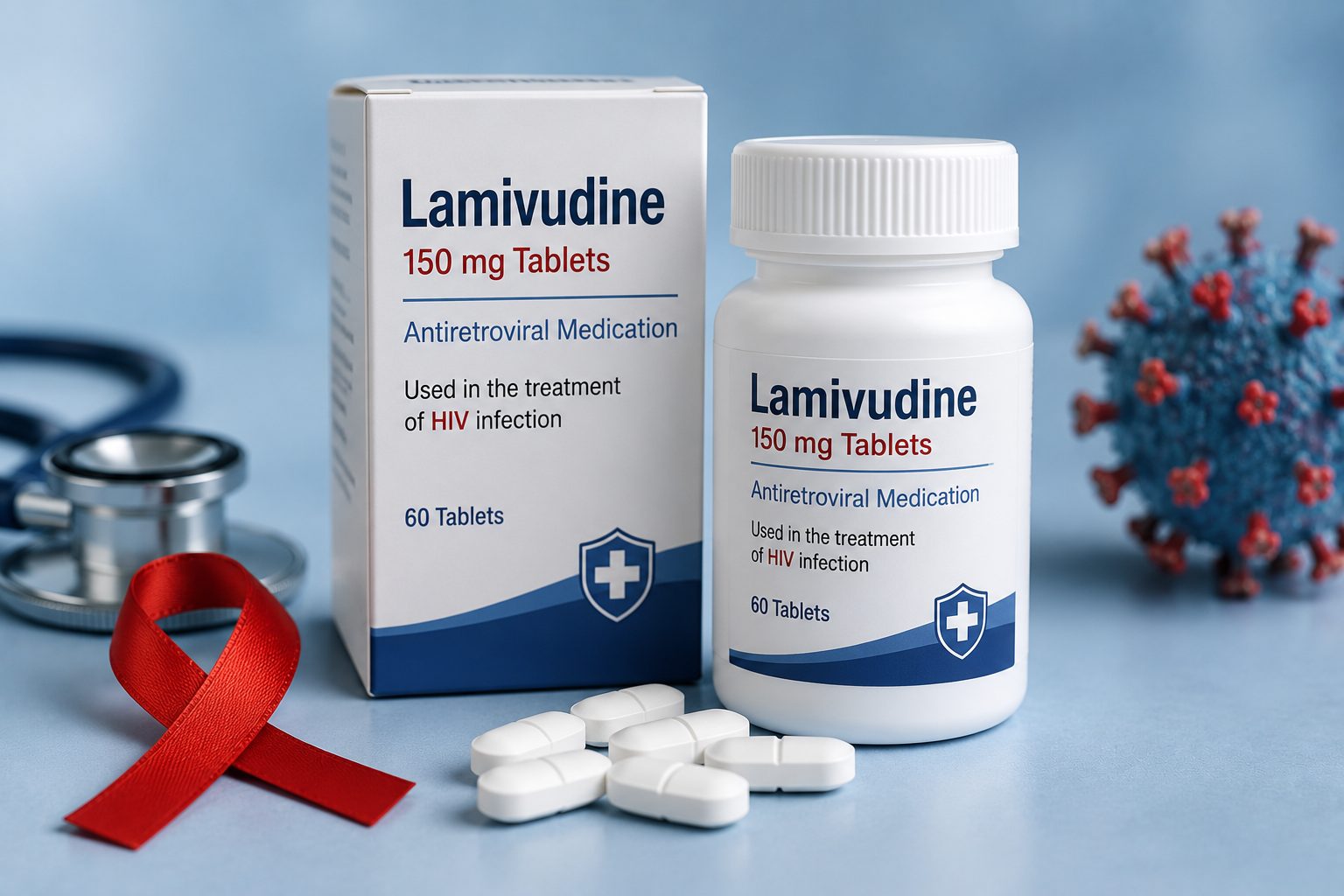
Lamivudine for HIV: Uses, Benefits, Side Effects & Treatment Guide
SEO Meta
Title Tag: Lamivudine for HIV: Uses, Benefits & Side Effects
Meta Description: Learn about lamivudine for HIV treatment, including uses, benefits, dosage basics, side effects, and important safety information.
Suggested URL Slug: /lamivudine-hiv
Introduction
Lamivudine is one of the widely used antiretroviral medicines in HIV treatment plans worldwide. It has been part of combination HIV therapy for many years and remains an important medication in modern HIV management. Patients, caregivers, and healthcare professionals often search for reliable information about how lamivudine works, its potential benefits, possible side effects, and how it fits into HIV treatment strategies.
This guide explains the essentials of lamivudine for HIV in a clear and accessible way. You will learn about its mechanism of action, common uses, treatment considerations, safety information, and frequently asked questions. The article is designed for educational purposes and aims to help readers better understand this antiretroviral medication.
What Is Lamivudine?
Lamivudine is an antiretroviral medication used as part of combination therapy for HIV infection. It belongs to a class of drugs known as nucleoside reverse transcriptase inhibitors (NRTIs). These medications help reduce the ability of HIV to multiply in the body.
Lamivudine is commonly included in combination HIV regimens because HIV treatment typically involves multiple medicines working together to help suppress viral replication. Combination therapy may reduce the risk of drug resistance and improve long-term treatment effectiveness.
In addition to HIV treatment, lamivudine may also be used in certain hepatitis B treatment plans under medical supervision.
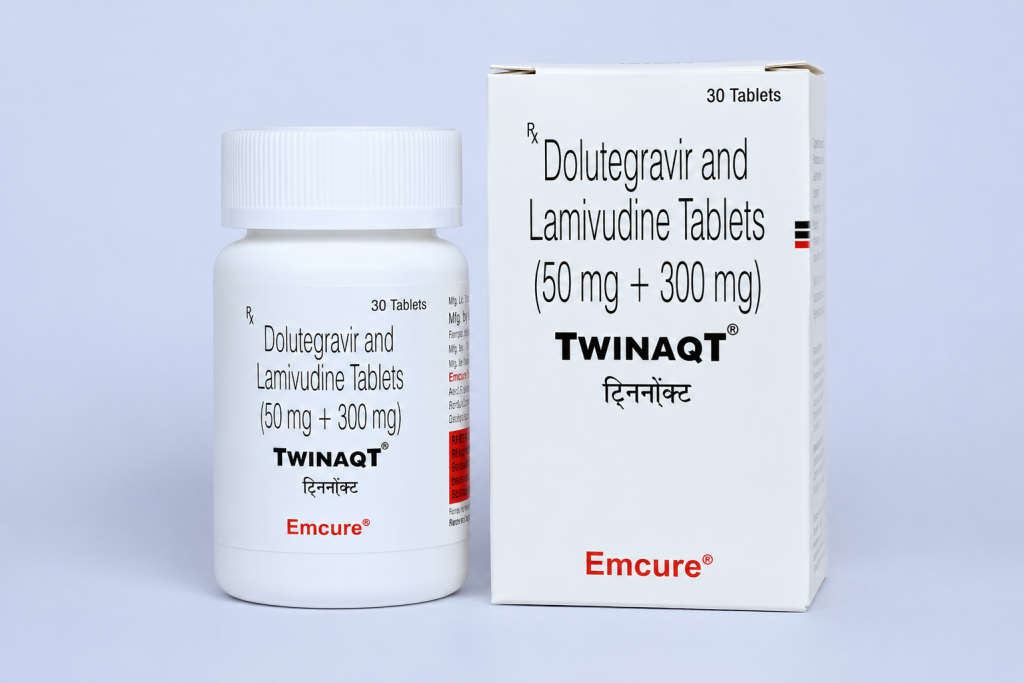
How Lamivudine Works Against HIV
HIV attacks immune cells and uses an enzyme called reverse transcriptase to replicate itself. Lamivudine works by interfering with this process. By blocking reverse transcriptase activity, the medication helps slow viral replication.
When used consistently alongside other antiretroviral medications, lamivudine may help:
- Reduce viral load
- Support immune system function
- Lower the progression of HIV-related complications
- Improve long-term disease management
Lamivudine is not considered a cure for HIV. However, it can play an important role in comprehensive HIV treatment programs.
Common Uses of Lamivudine in HIV Treatment
Combination Antiretroviral Therapy
Lamivudine is commonly prescribed with other HIV medicines as part of antiretroviral therapy (ART). It is frequently paired with medications from different drug classes to create balanced treatment regimens.
First-Line HIV Treatment
In many healthcare settings, lamivudine has historically been included in first-line HIV treatment combinations due to its established clinical use and broad availability.
Pediatric HIV Care
Lamivudine may also be prescribed in pediatric HIV management under specialist supervision. Dosage and treatment decisions are individualized according to age, body weight, and medical needs.
HIV and Hepatitis B Co-Infection
Some individuals living with both HIV and hepatitis B may receive lamivudine-containing regimens. Healthcare providers typically evaluate liver health and treatment goals carefully in these cases.
Lamivudine Dosage Basics
The dosage of lamivudine depends on several factors, including:
- Age
- Body weight
- Kidney function
- Other medications being used
- Overall treatment plan
Lamivudine is available in tablet and oral solution forms in some markets. Patients should follow healthcare provider instructions carefully and avoid changing dosage schedules without medical guidance.
Consistent adherence to HIV medications is important because missed doses may increase the risk of viral resistance.
Benefits of Lamivudine for HIV Patients
Established Treatment History
Lamivudine has been used in HIV treatment for many years and has become a well-recognized component of many antiretroviral regimens.
Combination Therapy Compatibility
The medication is frequently combined with other HIV drugs, making it adaptable to various treatment plans.
Convenient Administration
Some lamivudine-containing regimens are available in fixed-dose combinations, which may simplify medication schedules for certain patients.
Global Accessibility
Generic versions of lamivudine are available in many countries, helping improve treatment accessibility in different healthcare systems.
Possible Side Effects of Lamivudine
Like many medications, lamivudine may cause side effects in some individuals. Not everyone experiences side effects, and the severity may vary.
Common Side Effects
- Headache
- Nausea
- Fatigue
- Diarrhea
- Cough
- Nasal symptoms
Less Common but Serious Concerns
Rare but potentially serious effects may include:
- Liver-related complications
- Lactic acidosis
- Pancreatitis in certain patients
- Immune reconstitution inflammatory syndrome (IRIS)
Patients should report unusual symptoms or worsening health conditions to healthcare professionals promptly.

Drug Interactions and Treatment Considerations
Lamivudine may interact with certain medications or require dose adjustments in specific situations. Healthcare providers usually review a patient’s complete medication list before prescribing HIV treatment.
Kidney Function Monitoring
Because lamivudine is processed through the kidneys, patients with reduced kidney function may require dosage adjustments.
Combination Therapy Planning
Lamivudine is generally not used alone for HIV treatment. Combination regimens are important for effective viral suppression strategies.
Pregnancy and Breastfeeding
Treatment decisions during pregnancy or breastfeeding should always involve qualified healthcare professionals. HIV treatment approaches may vary depending on individual medical needs and regional clinical guidelines.
Lamivudine Resistance in HIV Treatment
Drug resistance can develop when HIV mutates over time. Resistance may occur if treatment adherence is inconsistent or if viral suppression is incomplete.
Healthcare providers may use laboratory testing and treatment history evaluations to determine whether resistance is affecting therapy outcomes.
To reduce resistance risk, patients are generally encouraged to:
- Take medications consistently
- Attend regular medical follow-ups
- Discuss side effects with healthcare providers
- Avoid stopping treatment without medical supervision
Data & Insights: Lamivudine in Modern HIV Care
Lamivudine remains part of HIV treatment strategies in many countries due to its long history of use and inclusion in various antiretroviral combinations. Although newer HIV medications continue to emerge, lamivudine is still considered relevant in certain clinical settings.
Global HIV management continues to evolve toward simplified treatment approaches, improved tolerability, and enhanced adherence support. In many healthcare systems, generic antiretroviral medicines such as lamivudine may contribute to broader treatment accessibility.
Healthcare recommendations may differ depending on local treatment guidelines, individual patient factors, resistance patterns, and coexisting medical conditions.
Buying and Access Considerations
Access to HIV medications varies between countries and healthcare systems. Lamivudine may be available through:
- Hospital pharmacies
- Government HIV programs
- Specialty HIV clinics
- Licensed online pharmacies in some regions
Patients should only obtain HIV medications from regulated and legitimate healthcare sources. Purchasing medicines from unverified sellers may increase the risk of counterfeit or unsafe products.
Frequently Asked Questions About Lamivudine HIV Treatment
1. What is lamivudine used for in HIV treatment?
Lamivudine is an antiretroviral medication used as part of combination therapy for HIV infection. It helps reduce viral replication by targeting reverse transcriptase, an enzyme HIV uses to multiply. Lamivudine is typically combined with other HIV medicines because combination therapy is considered essential for effective HIV management. In some cases, it may also be used in hepatitis B treatment plans.
2. Is lamivudine a cure for HIV?
No, lamivudine is not a cure for HIV. It is designed to help manage HIV infection as part of a broader antiretroviral treatment strategy. When combined with other HIV medications and taken consistently, it may help suppress viral activity and support immune system health. HIV treatment should always be guided by qualified healthcare professionals.
3. What class of drug is lamivudine?
Lamivudine belongs to the nucleoside reverse transcriptase inhibitor (NRTI) class of antiretroviral drugs. NRTIs work by interfering with the HIV replication process. These medicines are commonly included in combination HIV treatment regimens because they target viral replication through a specific mechanism of action.
4. What are the common side effects of lamivudine?
Common side effects may include headache, nausea, fatigue, diarrhea, cough, and mild digestive discomfort. Side effects vary between individuals, and some patients may experience very few symptoms. Rare but more serious complications may occur in certain situations, which is why regular medical monitoring is important during HIV treatment.
5. Can lamivudine be taken alone for HIV?
Lamivudine is generally not recommended as a standalone treatment for HIV. Modern HIV care usually involves combination antiretroviral therapy using multiple medications from different drug classes. Combination therapy may improve viral suppression and reduce the risk of resistance development.
6. Is lamivudine available as a generic medicine?
Yes, generic versions of lamivudine are available in many countries. Generic medicines may help improve affordability and access to HIV treatment. Availability depends on regional healthcare systems, regulations, and pharmaceutical supply chains.
7. How important is medication adherence with lamivudine?
Medication adherence is considered extremely important in HIV treatment. Missing doses may increase the risk of viral resistance and reduce treatment effectiveness. Patients should follow prescribed schedules carefully and discuss any treatment challenges with healthcare professionals.
8. Can lamivudine interact with other medications?
Lamivudine may interact with certain medications or require adjustments in specific medical situations. Healthcare providers usually evaluate a patient’s medication history before prescribing antiretroviral therapy. Patients should inform healthcare professionals about all medicines, supplements, and over-the-counter products they use.
9. Is lamivudine safe during pregnancy?
Treatment decisions during pregnancy require individualized medical evaluation. Healthcare providers consider maternal health, HIV management goals, and current clinical recommendations when selecting medications. Patients should always consult qualified professionals regarding HIV treatment during pregnancy or breastfeeding.
10. How does lamivudine help reduce HIV viral load?
Lamivudine works by blocking reverse transcriptase activity, which HIV uses to reproduce. By interfering with viral replication, the medication may contribute to lowering viral load when used as part of combination antiretroviral therapy. Viral suppression goals and outcomes vary between individuals and treatment plans.
Suggested Images
Image 1
Description: HIV treatment medication tablets beside a healthcare consultation setup.
Alt Text: Lamivudine HIV medication tablets used in antiretroviral therapy
Image 2
Description: Doctor discussing HIV treatment options with a patient in a clinical setting.
Alt Text: Healthcare professional explaining lamivudine HIV treatment plan
Image 3
Description: Informational medical infographic showing how antiretroviral therapy works.
Alt Text: Educational infographic about lamivudine and HIV management
Related Long-Tail Keywords
- lamivudine for HIV treatment
- lamivudine HIV side effects
- how lamivudine works against HIV
- lamivudine antiretroviral therapy
- lamivudine dosage for HIV patients
- lamivudine drug interactions
- generic lamivudine HIV medicine
- lamivudine and hepatitis B treatment
- HIV NRTI medications explained
- lamivudine benefits and risks
Suggested Internal Linking Topics
- Understanding Antiretroviral Therapy (ART)
- Common HIV Medications Explained
- HIV Viral Load and CD4 Count Basics
- HIV Treatment Adherence Tips
- NRTI Drugs in HIV Management
Conclusion
Lamivudine remains an important medication in HIV treatment and continues to play a role in combination antiretroviral therapy worldwide. Understanding how the drug works, its benefits, potential side effects, and treatment considerations may help patients and caregivers make informed healthcare discussions possible.
Because HIV treatment is highly individualized, patients should always rely on qualified healthcare professionals for diagnosis, medication selection, and long-term care decisions. Staying informed about HIV medications and treatment strategies can support better health awareness and treatment engagement.
To learn more about HIV medications, antiretroviral therapy options, and pharmaceutical treatment insights, explore additional educational resources or consult a licensed healthcare provider.