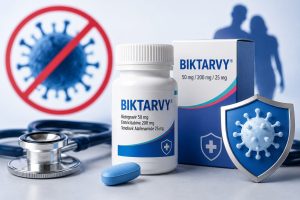
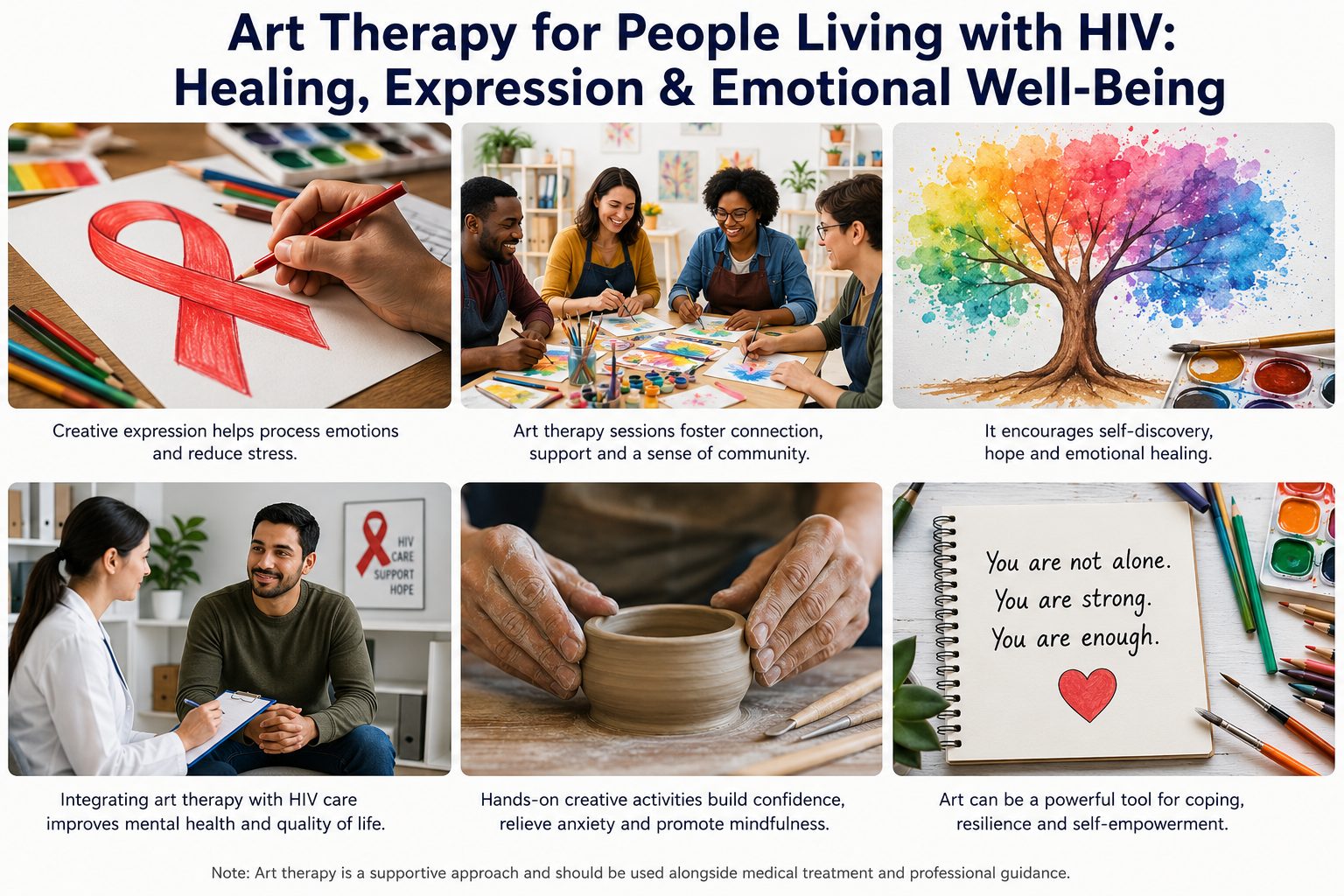
ART Therapy for People Living With HIV: Mental Health Benefits, Emotional Support, and Long-Term Wellness
Introduction
Living with HIV involves more than managing viral load and taking antiretroviral therapy (ART). Many people living with HIV also experience emotional stress, anxiety, depression, stigma, and social isolation. Alongside medical treatment, emotional wellness plays an important role in long-term health and quality of life.
One supportive approach gaining attention in HIV care is art therapy. Through painting, drawing, music, creative writing, and other artistic activities, people living with HIV may find healthier ways to express emotions, reduce stress, and improve mental well-being.
This guide explains how art therapy works, its benefits for people living with HIV, what research says, and how it may support long-term emotional wellness when combined with professional medical care.
What Is ART Therapy?
ART therapy stands for antiretroviral therapy, a treatment approach that uses a combination of medications to help manage Human Immunodeficiency Virus (HIV).
Rather than relying on a single drug, ART usually combines multiple antiviral medicines from different medication classes. Combination therapy may help reduce viral replication and lower the risk of resistance development.
Main Goals of ART Therapy
- Reduce HIV viral activity
- Support immune system function
- Improve long-term health outcomes
- Lower the risk of HIV-related complications
- Help maintain quality of life
ART therapy is commonly recommended as part of long-term HIV management strategies.
How ART Therapy Works
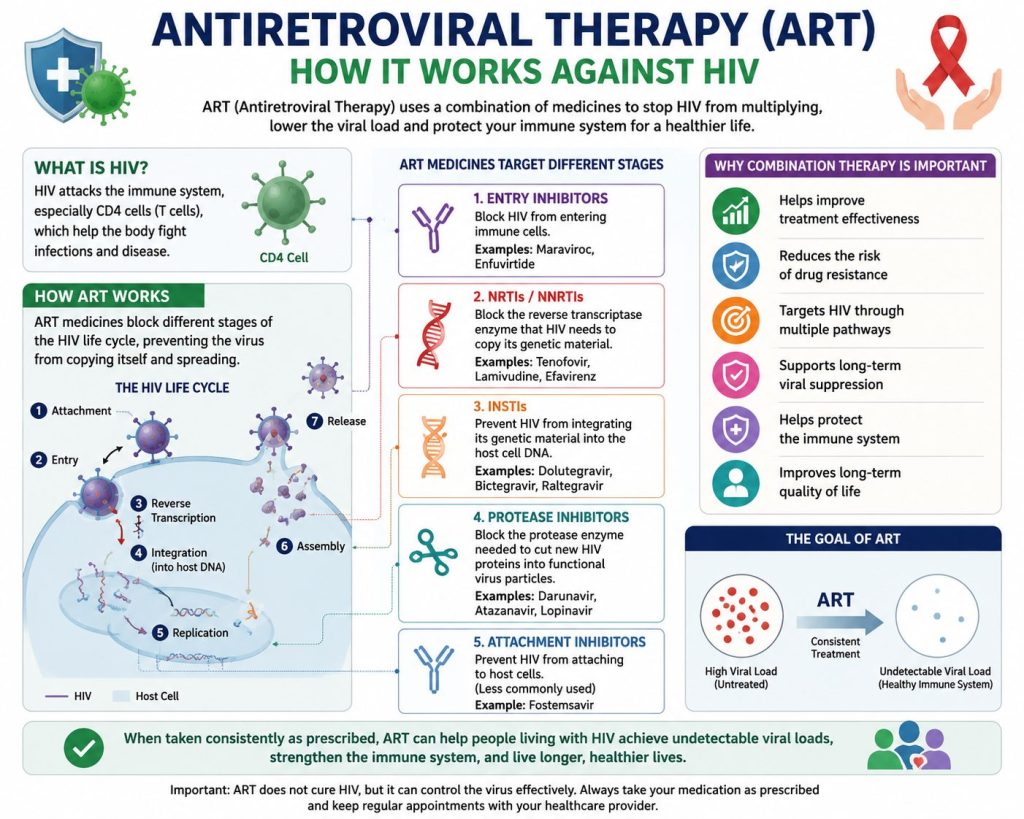
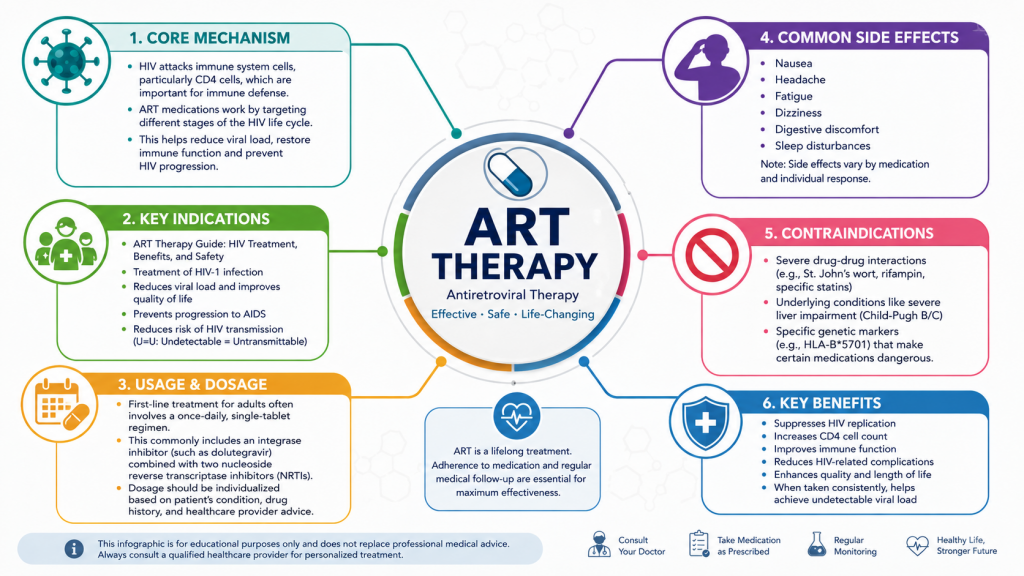
Antiretroviral Therapy (ART) is the standard treatment used to manage HIV. HIV attacks the body’s immune system, especially CD4 cells, which help protect the body from infections and disease.
ART medications work by blocking different stages of the HIV life cycle. This helps reduce the virus’s ability to multiply inside the body.
By combining multiple medications with different actions, ART helps lower the amount of HIV in the blood (viral load) and supports long-term immune health.
Why Combination Therapy Is Important
✔️ Helps improve treatment effectiveness
✔️ Reduces the risk of drug resistance
✔️ Targets HIV through multiple pathways
✔️ Supports long-term viral suppression
✔️ Helps protect the immune system
✔️ Improves long-term quality of life
When taken consistently as prescribed, ART can help many people living with HIV maintain undetectable viral loads and live longer, healthier lives.
Common Types of ART Medications
Several categories of HIV medications are commonly used in ART therapy.
1. Nucleoside Reverse Transcriptase Inhibitors (NRTIs)
NRTIs are widely used in HIV treatment regimens.
Examples
- Tenofovir
- Lamivudine
- Emtricitabine
- Abacavir
2. Non-Nucleoside Reverse Transcriptase Inhibitors (NNRTIs)
NNRTIs interfere with HIV replication using a different mechanism.
Examples
- Efavirenz
- Rilpivirine
- Doravirine
3. Integrase Strand Transfer Inhibitors (INSTIs)
INSTIs are commonly included in many modern ART regimens.
Examples
- Dolutegravir
- Bictegravir
- Raltegravir
4. Protease Inhibitors (PIs)
Protease inhibitors block enzymes required for HIV maturation.
Examples
- Darunavir
- Atazanavir
- Ritonavir
5. Entry and Fusion Inhibitors
These medications help prevent HIV from entering immune cells.
Examples
- Maraviroc
- Enfuvirtide
Who May Need ART Therapy?
ART therapy is commonly used in individuals diagnosed with HIV infection. Treatment recommendations vary depending on clinical guidelines, viral activity, and overall health status.
Healthcare Providers May Consider:
- Viral load levels
- CD4 cell counts
- Patient medical history
- Potential drug interactions
- Pregnancy considerations
- Coexisting medical conditions
Personalized treatment planning is an important aspect of HIV care.
Benefits of ART Therapy
Modern ART therapy has significantly improved long-term HIV management in many healthcare settings worldwide.
Potential Benefits
- Supports viral suppression
- Helps maintain immune function
- May reduce HIV-related complications
- Improves treatment convenience with newer regimens
- Supports long-term health management
Treatment response varies among individuals, and ongoing medical monitoring remains important.
ART Therapy Side Effects and Safety
Like many medications, HIV treatments may cause side effects in some patients. Side effects differ depending on the specific drug combination and individual health profile.
Commonly Reported Side Effects
- Nausea
- Headache
- Fatigue
- Dizziness
- Digestive discomfort
- Sleep disturbances
Monitoring During ART Therapy
Healthcare providers may monitor:
- Viral load
- CD4 cell counts
- Liver function
- Kidney health
- Medication tolerance
Patients should discuss persistent or unusual symptoms with qualified healthcare professionals.
Why Mental Health Matters in HIV Care
People living with HIV may face emotional challenges related to:
- Fear after diagnosis
- Medication stress
- Social stigma
- Anxiety about long-term health
- Depression
- Loneliness
- Relationship difficulties
- Financial stress
Research shows that mental health strongly affects HIV treatment outcomes. Emotional distress can sometimes reduce medication adherence, disrupt sleep, and negatively affect overall quality of life.
Modern HIV care increasingly recognizes that emotional wellness is just as important as physical health.
2. Supporting Emotional Expression
Some people living with HIV struggle to talk openly about fear, stigma, or emotional pain.
Art therapy provides a non-verbal outlet for expressing difficult emotions through creativity.
This may help individuals:
- Process emotions safely
- Improve self-awareness
- Feel emotionally supported
- Build confidence and self-esteem
3. Improving Quality of Life
Long-term HIV management can sometimes feel emotionally exhausting.
Participating in creative activities may improve:
- Mood
- Social interaction
- Motivation
- Emotional resilience
- Overall well-being
Many HIV wellness programs now include creative support activities alongside counseling and medical treatment.
4. Supporting Social Connection
Group art therapy sessions may help reduce feelings of isolation by creating supportive social environments.
Connecting with others who understand similar experiences can improve emotional comfort and reduce loneliness.
How Art Therapy May Help People Living With HIV
Art therapy is considered a supportive wellness strategy that may help improve emotional resilience and coping skills.
1. Reducing Stress and Anxiety
Creative activities may help calm the nervous system and reduce emotional stress. Many people find art therapy relaxing and emotionally grounding.
Possible benefits include:
- Lower stress levels
- Reduced anxiety
- Improved emotional expression
- Better relaxation
Importance of Adherence in ART Therapy
Consistent adherence to ART medications is often an important part of HIV management. Missing doses may affect viral suppression and treatment consistency.
Ways Patients May Support Adherence
- Using medication reminders
- Maintaining regular follow-up visits
- Discussing side effects early
- Keeping a consistent medication schedule
Healthcare providers may offer strategies to help improve long-term treatment adherence.
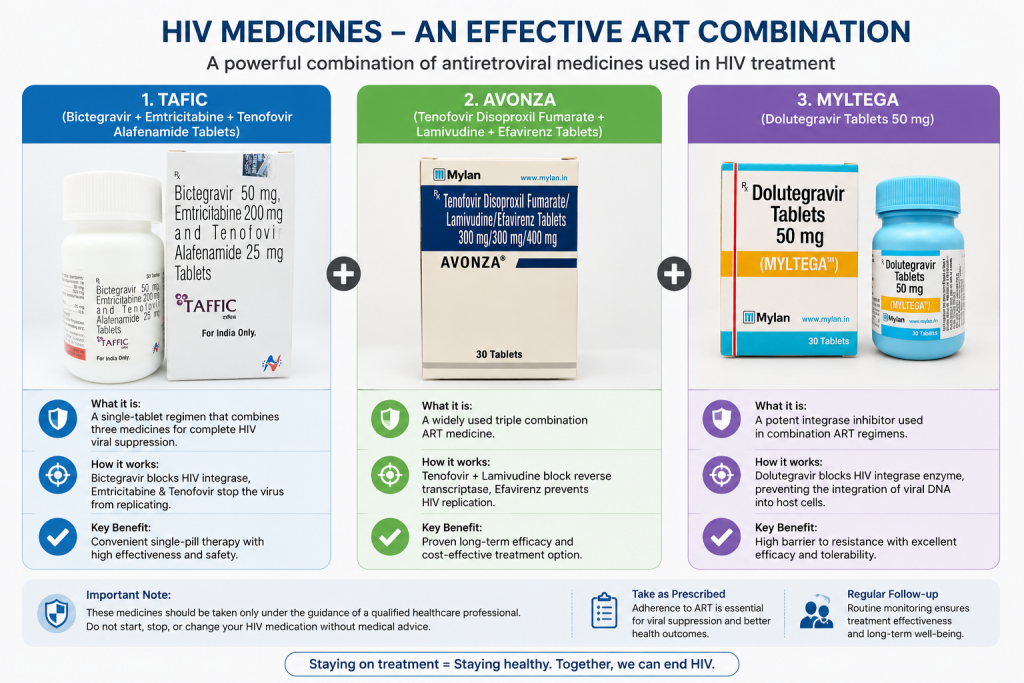
Single-Tablet ART Regimens
Modern HIV treatment has increasingly moved toward simplified regimens that combine multiple medications into a single daily tablet.
Advantages of Single-Tablet Regimens
- Greater convenience
- Fewer daily pills
- Simplified medication schedules
- Potential improvement in adherence
Not all patients are candidates for the same regimen, and treatment selection depends on individual clinical factors.
ART Therapy and Long-Term HIV Management
HIV treatment is often long term and requires regular medical follow-up.
Long-Term Management May Include
- Routine viral load testing
- CD4 monitoring
- Medication reviews
- General health assessments
- Screening for treatment-related complications
Healthcare providers may adjust therapy over time depending on patient response and evolving clinical needs.
Global ART Therapy Market Insights
The global ART therapy market continues evolving with advances in antiviral drug development, expanded access programs, and growing availability of generic medicines.
Current Trends in HIV Treatment
- Growth of integrase inhibitor-based therapies
- Increased availability of generic ART medications
- Expanded access programs in developing regions
- Development of long-acting HIV therapies
- Improved treatment convenience
Global healthcare initiatives continue to focus on improving access to affordable HIV care.
Scientific Research on Art Therapy and HIV
Several studies suggest that expressive therapies may help improve emotional well-being in people living with chronic illnesses, including HIV.
Research has explored benefits such as:
- Reduced depression symptoms
- Better stress management
- Improved emotional coping
- Increased social engagement
- Enhanced quality of life
However, art therapy should be viewed as a complementary support strategy — not a replacement for HIV medical treatment.
People living with HIV should continue:
- Antiretroviral therapy (ART)
- Regular viral load monitoring
- Liver and kidney function testing
- Routine doctor visits
- Mental health support when needed
Frequently Asked Questions (FAQs)
1. What does ART therapy mean?
ART therapy stands for antiretroviral therapy, a treatment approach used to manage HIV infection using a combination of antiviral medications. The goal is to help suppress viral activity and support immune system health over time.
2. Is ART therapy a cure for HIV?
Current ART therapy is generally used for long-term HIV management rather than providing a guaranteed cure. Treatment helps reduce viral replication and supports overall health management in many patients.
3. How does ART therapy work?
ART medications target different stages of the HIV life cycle. Combination therapy helps reduce viral activity and may lower the risk of resistance development. Different medication classes work through different antiviral mechanisms.
4. What are the common side effects of ART medications?
Commonly reported side effects may include nausea, fatigue, headache, digestive discomfort, dizziness, or sleep disturbances. Side effects vary among individuals and depend on the specific medications being used.
5. Why is adherence important in ART therapy?
Consistent medication adherence may help maintain viral suppression and support treatment effectiveness. Missing doses may affect long-term HIV management and could increase the risk of viral resistance in some cases.
6. What are single-tablet HIV regimens?
Single-tablet regimens combine multiple HIV medications into one daily pill. These regimens may simplify treatment schedules and improve convenience for some patients.
7. Are generic ART medications available?
Yes. Many ART medications are available as generic formulations in several countries. Generic medicines may improve affordability and accessibility while maintaining approved active ingredients.
8. How often do patients need monitoring during ART therapy?
Healthcare providers typically recommend regular monitoring, including viral load testing, CD4 cell evaluation, and general health assessments. Monitoring frequency varies depending on treatment stage and patient condition.
9. Can ART therapy be used long term?
Yes. ART therapy is often part of long-term HIV management. Many patients remain on treatment for extended periods while receiving ongoing medical supervision and follow-up care.
10. What factors affect ART treatment selection?
Healthcare providers consider viral resistance, medical history, kidney and liver function, medication interactions, and patient preferences when selecting HIV treatment regimens.
Extra SEO Recommendations
Suggested URL Slug
Related Long-Tail Keywords
- Best ART medications for HIV
- ART therapy side effects
- Long term HIV treatment guide
- Modern HIV therapy options
- Generic ART medicines
Suggested Internal Linking Topics
- Understanding HIV viral load testing
- Guide to HIV medication classes
- Generic antiviral medications explained
- Long-term HIV management strategies
- Tips for medication adherence
Conclusion
ART therapy has become a central part of modern HIV management and continues evolving with newer antiviral medications and simplified treatment approaches. Combination antiretroviral therapy helps healthcare providers manage HIV using individualized treatment strategies designed around patient-specific needs.
Understanding how ART therapy works, the available medication classes, and the importance of adherence may help patients and caregivers make informed healthcare discussions. Regular medical monitoring and professional guidance remain essential parts of long-term HIV care.
To learn more about HIV treatment options, ART medications, and antiviral therapy education, consult qualified healthcare professionals or explore trusted medical resources.