
Efavirenz Side Effects: Common, Serious, and Long-Term Risks Explained
SEO Meta
Title Tag: Efavirenz Side Effects: Risks, Symptoms & Safety
Meta Description: Learn about efavirenz side effects, including common symptoms, long-term risks, mental health concerns, and when to seek medical help.
Suggested URL Slug: efavirenz-side-effects
Introduction
Efavirenz is a widely used antiretroviral medication that has played an important role in HIV treatment for many years. While it can help suppress viral replication and improve long-term health outcomes, many patients and caregivers search for reliable information about efavirenz side effects before or during treatment.
Understanding possible reactions to medication is important for improving treatment adherence, identifying warning signs early, and having informed conversations with healthcare professionals. Some side effects are mild and temporary, while others may require closer monitoring or medical evaluation.
This article explains the most common, serious, and long-term efavirenz side effects in a clear and easy-to-understand format. It also covers safety considerations, factors that may increase side effect risk, and frequently asked questions related to efavirenz treatment.
What Is Efavirenz?
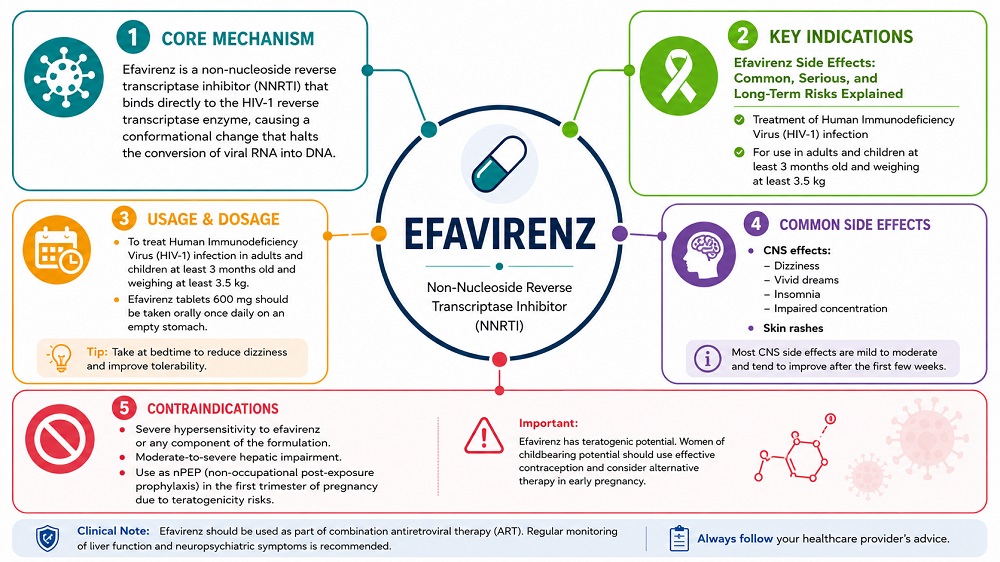
Efavirenz is an antiretroviral medication used as part of combination therapy for the treatment of HIV infection. It belongs to a class of drugs known as non-nucleoside reverse transcriptase inhibitors (NNRTIs).
The medicine works by blocking an enzyme that HIV needs to multiply. By reducing viral activity, efavirenz can help lower viral load and support immune system function when used alongside other HIV medications.
Efavirenz has been included in several fixed-dose HIV treatment combinations and has historically been recommended in many treatment programs worldwide. However, due to concerns about tolerability and side effects, some treatment guidelines now prefer newer medications in certain patients.

Common Efavirenz Side Effects
Many people taking efavirenz experience mild to moderate side effects, especially during the first few weeks of treatment. These reactions often improve as the body adjusts to the medication.
1. Dizziness
Dizziness is one of the most commonly reported efavirenz side effects. Some individuals describe feeling lightheaded, unsteady, or mentally “foggy.” Symptoms may be more noticeable after taking the medication at night.
2. Sleep Disturbances
Efavirenz is well known for causing sleep-related effects such as:
- Vivid dreams
- Insomnia
- Nightmares
- Difficulty staying asleep
These symptoms are often temporary but may persist in some patients.
3. Fatigue
Some people experience tiredness or reduced energy levels while taking efavirenz. Fatigue may be linked to sleep disruption or the body adapting to treatment.
4. Nausea and Digestive Symptoms
Digestive discomfort may include:
- Nausea
- Vomiting
- Diarrhea
- Stomach pain
Eating habits and timing of medication may influence symptom severity.
5. Skin Rash
Mild rash can occur in some patients taking efavirenz. In many cases, the rash resolves without major complications, but severe skin reactions require immediate medical attention.
Neurological and Mental Health Side Effects
One reason efavirenz receives significant attention is its potential effect on the nervous system and mental health.
Mood Changes
Some individuals report:
- Anxiety
- Irritability
- Depression
- Mood swings
Patients with a history of mental health conditions may require additional monitoring.
Difficulty Concentrating
Efavirenz may affect cognitive function in some individuals, leading to reduced concentration, slower thinking, or memory-related complaints.
Hallucinations or Severe Psychiatric Symptoms
Although less common, serious neuropsychiatric reactions have been reported. These may include:
- Confusion
- Paranoia
- Hallucinations
- Suicidal thoughts
Any severe mental health symptoms should be discussed with a healthcare professional immediately.
Long-Term Efavirenz Side Effects
Long-term use of efavirenz may be associated with additional safety concerns in some patients.
Liver Problems
Efavirenz may affect liver function, particularly in individuals with existing liver disease or viral hepatitis co-infection. Healthcare providers may recommend routine liver function monitoring during treatment.
Cholesterol and Lipid Changes
Some studies suggest efavirenz may contribute to changes in cholesterol or triglyceride levels. Monitoring cardiovascular risk factors may be important during long-term HIV management.
Persistent Sleep or Mood Issues
While many neurological symptoms improve over time, some patients report ongoing sleep disturbances or mood-related symptoms even after extended treatment.
Bone Health Concerns
HIV treatment in general may influence bone mineral density, though the degree of impact can vary depending on the overall treatment regimen.
Rare but Serious Efavirenz Side Effects
Serious adverse effects are less common but may require urgent medical evaluation.
Severe Skin Reactions
Rare but potentially dangerous skin conditions may include widespread rash, blistering, or peeling skin.
Liver Toxicity
Warning signs may include:
- Yellowing of the skin or eyes
- Dark urine
- Persistent nausea
- Upper abdominal pain
Seizures
Although uncommon, seizures have been reported in some individuals, particularly those with seizure disorders or medication interactions.
Severe Psychiatric Effects
Serious depression or suicidal ideation should never be ignored and requires immediate professional support.
Who May Be at Higher Risk of Side Effects?
Certain factors may increase the likelihood or severity of efavirenz side effects:
- History of mental health disorders
- Liver disease
- Alcohol or substance use
- Concurrent medications
- Older age
- Genetic differences affecting drug metabolism
Healthcare professionals may evaluate these factors before selecting an HIV treatment regimen.
How Efavirenz Side Effects Are Managed
Management strategies depend on symptom severity and the individual patient situation.
Monitoring
Routine follow-up appointments and laboratory testing may help identify problems early.
Medication Timing
Efavirenz is often taken at bedtime to reduce the impact of dizziness or neurological symptoms during waking hours.
Lifestyle Adjustments
Sleep hygiene, hydration, and avoiding alcohol may help minimize certain side effects.
Treatment Changes
If side effects become difficult to tolerate, healthcare providers may consider switching to another antiretroviral regimen.
Efavirenz vs Newer HIV Medications
Modern HIV treatment options have expanded significantly, and some newer therapies are associated with improved tolerability profiles.
Compared with certain newer antiretroviral medications, efavirenz may have:
- Higher rates of neuropsychiatric side effects
- More sleep-related complaints
- Greater concern regarding mental health symptoms
However, efavirenz remains available in various treatment settings and may still be prescribed depending on cost, accessibility, treatment history, and regional guidelines.
Data and Insights on Efavirenz Safety
Research and clinical experience over many years have provided extensive information about efavirenz safety and tolerability. Neurological side effects are among the most commonly discussed concerns, particularly during the early phase of treatment.
Healthcare providers generally evaluate treatment decisions by balancing potential benefits and risks. In some healthcare systems, newer HIV medications may be preferred because of improved tolerability, while efavirenz-based regimens may still be widely used in other regions due to affordability and accessibility.
It is important to remember that individual experiences with efavirenz can vary significantly. Some patients tolerate the medication well, while others may require alternative therapies due to side effects.
Tips for Patients Taking Efavirenz
- Take the medication exactly as prescribed
- Report severe or unusual symptoms promptly
- Avoid stopping HIV treatment without medical guidance
- Maintain regular follow-up appointments
- Discuss mental health concerns openly with healthcare providers
- Inform healthcare professionals about all medications and supplements being used
Frequently Asked Questions (FAQs)
1. What are the most common efavirenz side effects?
The most common efavirenz side effects include dizziness, vivid dreams, insomnia, fatigue, nausea, and rash. Many people experience these symptoms during the first few weeks of treatment. In some cases, the side effects improve as the body adjusts to the medication. However, persistent or severe symptoms should be discussed with a healthcare provider for further evaluation and management.
2. Does efavirenz cause mental health problems?
Efavirenz has been associated with mood-related and neurological symptoms in some individuals. Reported issues may include anxiety, depression, irritability, and sleep disturbances. Rarely, severe psychiatric reactions such as hallucinations or suicidal thoughts have been reported. Patients with a history of mental health conditions may require closer monitoring during treatment.
3. How long do efavirenz side effects last?
Many side effects appear during the first few days or weeks after starting treatment and gradually improve over time. Symptoms such as dizziness and vivid dreams often decrease as the body adapts. However, some individuals may continue to experience sleep or mood-related side effects for longer periods. The duration can vary depending on individual factors and overall health status.
4. Can efavirenz cause liver damage?
Efavirenz may affect liver function in certain individuals, particularly those with existing liver disease or viral hepatitis. Healthcare providers may recommend routine blood tests to monitor liver enzymes during treatment. Warning signs such as yellowing of the skin, dark urine, or persistent abdominal pain should be evaluated promptly by a medical professional.
5. Is weight gain a side effect of efavirenz?
Weight changes may occur during HIV treatment for multiple reasons, including improved overall health, metabolic changes, or other medications in the treatment regimen. Efavirenz itself is not primarily known for significant weight gain compared with some newer antiretroviral medications, but experiences can vary between individuals.
6. Should efavirenz be taken at night?
Efavirenz is often taken at bedtime because this timing may help reduce awareness of dizziness or neurological side effects during waking hours. Some healthcare providers also recommend taking it on an empty stomach to reduce symptom intensity. Patients should follow the instructions provided by their healthcare professional or medication label.
7. Can efavirenz cause skin rash?
Yes, rash is a recognized side effect of efavirenz. Many rashes are mild and temporary, but severe skin reactions can occur rarely. Patients should seek medical evaluation if the rash is widespread, painful, associated with fever, or accompanied by blistering or peeling skin.
8. Are there alternatives to efavirenz?
Several newer HIV medications are available and may offer improved tolerability for some patients. Treatment selection depends on multiple factors, including viral resistance patterns, medical history, medication interactions, availability, and healthcare provider recommendations. Patients should not switch medications without professional guidance.
9. Can efavirenz interact with other medications?
Efavirenz may interact with a variety of prescription drugs, over-the-counter medications, and herbal supplements. These interactions can affect how medications work or increase the risk of side effects. Patients should inform healthcare providers about all substances they are taking, including vitamins and traditional remedies.
10. Is efavirenz still used today?
Yes, efavirenz continues to be used in some HIV treatment settings worldwide. Although newer therapies are often preferred in many treatment guidelines, efavirenz-based regimens may still be prescribed depending on availability, affordability, prior treatment history, and healthcare system considerations.
Conclusion
Efavirenz has been an important medication in HIV treatment for many years, but understanding efavirenz side effects remains essential for patients, caregivers, and healthcare professionals. While many side effects are mild and manageable, some neurological, psychiatric, and long-term concerns may require careful monitoring.
Every patient responds differently to HIV treatment, and treatment decisions should always be personalized based on medical history, tolerability, and professional guidance. Staying informed and maintaining open communication with healthcare providers can help support safer and more effective treatment experiences.
If you would like to learn more about HIV medications, treatment options, or pharmaceutical safety information, explore additional educational resources or speak with a qualified healthcare professional.
Suggested Image Ideas
Image 1
Description: Healthcare professional discussing HIV medication with a patient
Alt Text: Doctor explaining efavirenz side effects to an HIV patient during consultation
Image 2
Description: Medicine bottle and tablets on a clean medical background
Alt Text: Efavirenz tablets used in HIV antiretroviral treatment
Image 3
Description: Patient experiencing sleep difficulties at night
Alt Text: Illustration representing sleep-related side effects of efavirenz medication
Related Long-Tail Keywords
- common efavirenz side effects
- long term efavirenz side effects
- efavirenz mental health side effects
- does efavirenz cause vivid dreams
- efavirenz rash symptoms
- efavirenz liver toxicity
- efavirenz sleep problems
- how to manage efavirenz side effects
- efavirenz neurological side effects
- efavirenz safety information