Finasteride (Proscar/Propecia) Guide: Uses, Dosage, Side Effects & Affordable Generic Options
Finasteride is a 5-alpha-reductase inhibitor that has become one of the most significant advances in the medical management of both benign prostatic hyperplasia (BPH) and androgenetic alopecia (male pattern hair loss) since its introduction in the late 1980s and early 1990s. Originally developed by Merck and marketed under the brand names Proscar (5 mg) for BPH and Propecia (1 mg) for hair loss, finasteride has since become available as a widely accessible generic medication, offering substantial cost savings for patients requiring long-term treatment for these chronic, progressive conditions.
What Is Finasteride?
Finasteride is a synthetic 4-azasteroid compound that acts as a specific, competitive inhibitor of the enzyme steroid 5-alpha-reductase (5-AR), which is responsible for converting testosterone into the more potent androgen dihydrotestosterone (DHT). By blocking this conversion, finasteride reduces DHT levels in the serum and in target tissues (prostate, scalp, skin, and seminal vesicles) by approximately 60 to 70 percent within 24 hours of oral administration. This reduction in DHT, which is the primary hormonal driver of both prostatic growth in BPH and follicular miniaturization in androgenetic alopecia, underlies finasteride therapeutic effects in both conditions.
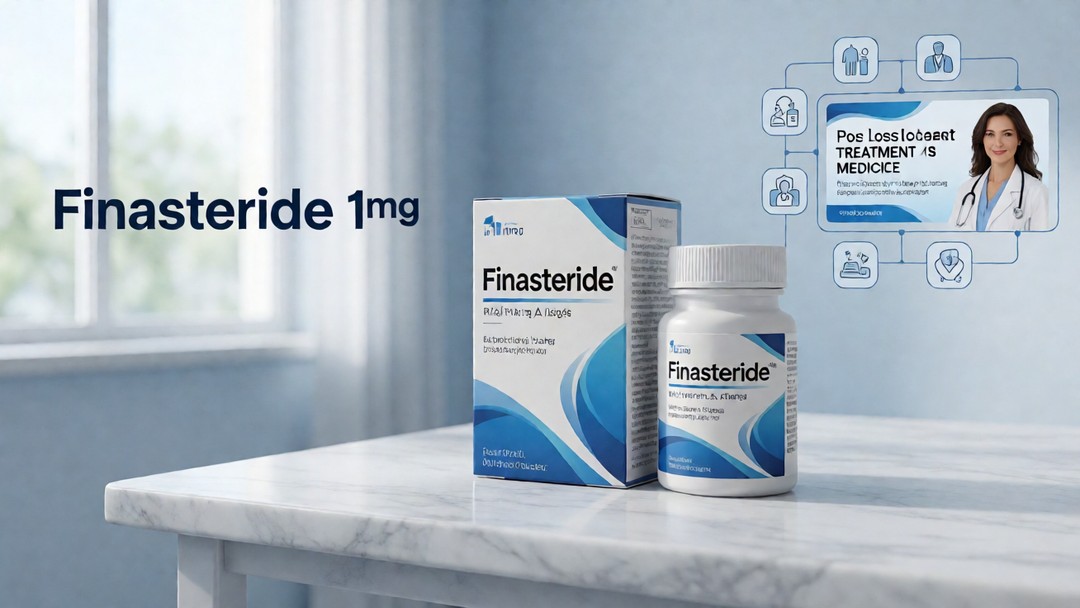
Finasteride is available in two primary strengths: 1 mg tablets (originally branded as Propecia for hair loss) and 5 mg tablets (originally branded as Proscar for BPH). The 5 mg formulation is sometimes prescribed off-label for hair loss, typically by splitting the tablet (a practice known as quot;off-label dosingquot; or using the 5 mg tablet at reduced frequency), though the 1 mg formulation is the standard approved dose for androgenetic alopecia. Generic finasteride is now manufactured by numerous pharmaceutical companies worldwide, including many WHO-GMP certified producers in India, making this important medication significantly more accessible and affordable.
How Finasteride Works (Mechanism of Action)
The human body contains two main isoforms of the 5-alpha-reductase enzyme: type I (primarily expressed in the skin, particularly sebaceous glands, and in the liver) and type II (primarily expressed in the prostate, seminal vesicles, hair follicles, and genital skin). Finasteride is a selective and potent inhibitor of the type II isoform, with an inhibition constant (Ki) of approximately 0.3 nanomolar. By occupying the active site of the type II 5-AR enzyme, finasteride prevents the conversion of testosterone (which is produced by the testes and adrenal glands) into dihydrotestosterone (DHT), a potent androgen that binds to the androgen receptor with approximately 5-fold higher affinity than testosterone and has a proportionally greater biological effect in androgen-dependent tissues.
In the prostate, DHT acts as a growth factor that stimulates prostatic stromal and epithelial cell proliferation. Over decades, this DHT-driven growth leads to benign prostatic hyperplasia (BPH), a non-cancerous enlargement of the prostate gland that can compress the urethra and cause lower urinary tract symptoms (LUTS) such as weak urinary stream, hesitancy, urgency, nocturia (frequent nighttime urination), and incomplete bladder emptying. By reducing intraprostatic DHT levels, finasteride slows or halts prostatic growth and, in many cases, induces a modest regression of existing prostatic tissue, resulting in improved urinary flow and symptom relief over time.
In the scalp hair follicle, DHT is similarly implicated in the progressive miniaturization of susceptible hair follicles in individuals genetically predisposed to androgenetic alopecia (male pattern baldness). DHT binds to androgen receptors in the dermal papilla cells of the hair follicle, triggering a cascade of molecular events that progressively shorten the anagen (growth) phase of the hair cycle, produce thinner and shorter hair shafts, and eventually lead to follicular miniaturization and cessation of visible hair growth. By reducing serum and scalp DHT levels, finasteride interrupts this process, allowing affected follicles to maintain or potentially recover some of their normal growth cycling, thereby slowing or halting hair loss and, in some cases, promoting regrowth of thicker, healthier hair.
What Finasteride Is Used For
Finasteride has two primary FDA-approved indications and several off-label uses in clinical practice:
1. Benign Prostatic Hyperplasia (BPH) – 5 mg Daily (Proscar)
BPH is one of the most common conditions affecting aging men, with histological evidence of BPH present in approximately 50 percent of men in their 50s and up to 90 percent of men in their 80s. Clinically significant BPH causing lower urinary tract symptoms (LUTS) affects approximately 50 percent of men by age 60 and up to 90 percent by age 85. Finasteride (5 mg daily) is indicated for the treatment of symptomatic BPH to improve urinary flow and reduce the risk of acute urinary retention and the need for surgical intervention (such as transurethral resection of the prostate, or TURP).
In the landmark Proscar Long-Term Efficacy and Safety Study (PLESS), finasteride 5 mg daily for 4 years demonstrated: a 24 percent reduction in prostate volume (mean reduction of approximately 22 cubic centimeters), a 1.6 mL improvement in peak urinary flow rate (Qmax), a 3.7-point improvement on the International Prostate Symptom Score (IPSS), a 50 percent reduction in the risk of acute urinary retention, and a 53 percent reduction in the relative risk of requiring surgical intervention (TURP or open prostatectomy). These benefits were evident as early as 6 months and were sustained over the full 4-year study period.
Finasteride for BPH is typically prescribed when the prostate is enlarged (commonly defined as total prostate volume greater than 30-40 cubic centimeters on ultrasound or MRI) and/or when there is evidence of elevated prostate-specific antigen (PSA) levels not explained by other causes. It may be used as monotherapy or in combination with an alpha-1 blocker (such as tamsulosin, which provides more rapid symptomatic relief by relaxing prostatic smooth muscle) for synergistic effect in patients with larger prostates and more severe symptoms.
2. Androgenetic Alopecia (Male Pattern Hair Loss) – 1 mg Daily (Propecia)
Androgenetic alopecia is the most common form of hair loss in men, affecting approximately 50 percent of men by age 50 and up to 80 percent by age 80, with variable age of onset and rate of progression. Finasteride 1 mg daily (marketed as Propecia) is FDA-approved for the treatment of male pattern hair loss in men, specifically for the vertex (crown) and anterior mid-scalp area. It is not approved for use in women, particularly women of childbearing potential, due to the risk of fetal harm (see safety section below).
The efficacy of finasteride for male pattern hair loss has been demonstrated in three large, randomized, placebo-controlled, double-blind clinical trials of 1 mg daily for 2 years: approximately 83 percent of men treated with finasteride maintained or increased their baseline hair count (vs. 28 percent with placebo), the mean increase in hair count from baseline was approximately 14 percent at 2 years (vs. a mean decrease of approximately 1 percent with placebo), patient-reported hair growth was assessed as improved or greatly improved in approximately 85 percent of finasteride-treated men vs. approximately 30 percent of placebo-treated men, and the mean treatment effect (difference from placebo in hair count change) was approximately 14 percent at year 1 and approximately 16 percent at year 2.
It is important to note that finasteride for hair loss is a treatment, not a cure. It works to stabilize hair loss and promote regrowth only as long as the medication is taken consistently. If finasteride is discontinued, the beneficial effects are reversed, and hair loss resumes its natural progression, with the scalp hair count returning to the level it would have reached had the medication never been taken (typically within 12 months of discontinuation). Therefore, finasteride for hair loss is a long-term commitment, and this should be discussed openly with patients during the shared decision-making process.
3. Off-Label and Investigational Uses
Finasteride is used off-label in several clinical contexts, though the evidence base for some of these uses is less robust than for the FDA-approved indications:
- Female pattern hair loss (FPHL): Finasteride is occasionally used off-label in postmenopausal women with FPHL, though evidence is less robust than in men. It is contraindicated in women who are or may become pregnant due to the risk of fetal malformations (particularly external genital malformations in male fetuses).
- Hirsutism: Finasteride has been used in combination with oral contraceptives for the treatment of hirsutism (excessive hair growth) in women with hyperandrogenism, though other options (e.g., spironolactone) are more commonly used.
- Increased muscle mass / athletic performance: Finasteride is sometimes used by bodybuilders and athletes alongside anabolic steroid cycles to prevent or mitigate steroid-induced hair loss (since many anabolic steroids are metabolized to DHT or have progestogenic effects). This is an off-label use without an established safety or efficacy framework.
- 5-Alpha-reductase deficiency management: In individuals with 5-alpha-reductase type 2 deficiency (a rare genetic condition), finasteride is not used for treatment, but understanding this condition has informed much of the clinical pharmacology of finasteride.
Finasteride Dosage and Administration
The appropriate finasteride dosage depends on the condition being treated and individual patient factors:
| Indication | Standard Dosage | Duration of Treatment | Onset of Benefit | Key Notes |
|---|---|---|---|---|
| BPH (Proscar) | 5 mg once daily | Long-term / ongoing (years) | Urinary flow improvement: 3-6 months; prostate volume reduction: 6-12 months; symptom improvement: variable, may be gradual | | Monitor PSA levels; PSA values are approximately halved by finasteride; adjust interpretation accordingly. May be combined with alpha-blocker for faster symptom relief. | ||||
| Male Pattern Hair Loss (Propecia) | 1 mg once daily | Long-term / ongoing (years); continuous use required to maintain benefit | Hair count stabilization: 3-6 months; visible regrowth: 6-12 months; maximal benefit: 12-24 months | | Take with or without food. Periungual or scalp hair shedding may occur during the first 2-4 weeks (terminal hair shedding phase); this is usually transient and does not indicate treatment failure. Visible improvement may take 6 months or more. | ||||
| Off-Label / Lower-Dose Hair Loss (5 mg tablet, reduced frequency) | 5 mg tablet every 2-3 days (approximate 1.67-2.5 mg/day equivalent) | Long-term / ongoing | Similar to 1 mg; some data suggest dose-proportional effect may extend to lower doses | | Off-label use; 5 mg tablets can be split for cost savings but bioavailability and dose accuracy vary. Some clinicians prescribe 5 mg at reduced frequency for cost efficiency, though 1 mg is the approved dose for hair loss. |
Finasteride is administered orally, once daily, with or without food. The tablets should be swallowed whole with a glass of water. For patients prescribed the 5 mg tablet for hair loss off-label who wish to achieve the equivalent of 1 mg daily dosing, the tablet can be divided into smaller pieces, but this approach is not standardized and may result in inconsistent dosing. Patients should be counseled that hair loss treatment with finasteride requires a long-term commitment and that results are not immediate; realistic expectations and patience are important components of successful treatment.
For patients taking finasteride for BPH, it is important to understand that the medication works gradually over months, not days. Alpha-blockers (such as tamsulosin, alfuzosin, or silodosin) are often prescribed for more rapid symptomatic relief while waiting for the finasteride effect on prostate volume to develop. After 3 to 6 months of finasteride therapy, the prostate volume typically begins to decrease, and urinary flow rates start to improve. Maximum benefit may take 6 to 12 months or longer to be fully realized.
Finasteride Side Effects
Finasteride is generally well tolerated, but its mechanism of action (suppression of DHT) and its effects on androgen-sensitive tissues mean that side effects related to reduced androgen activity can occur. Side effects are more commonly reported with the 5 mg dose (BPH treatment) than the 1 mg dose (hair loss), though they can occur at both doses.
Common Side Effects (from clinical trials, 1 mg and 5 mg)
- Decreased libido: Reported in approximately 1.8 percent of men taking finasteride 1 mg (vs. 1.3 percent with placebo) and approximately 5-8 percent of men taking finasteride 5 mg for BPH. This is the most consistently reported sexual side effect.
- Erectile dysfunction: Reported in approximately 1.3 percent of men taking finasteride 1 mg (vs. 0.7 percent with placebo). Rates are higher in BPH trials (approximately 8-15 percent with 5 mg), likely reflecting both the higher dose and the older, more comorbid patient population in BPH studies.
- Ejaculation disorder (decreased volume, abnormal ejaculation): Reported in approximately 1.2 percent of men taking finasteride 1 mg (vs. 0.9 percent with placebo). Ejaculatory volume reduction is a direct physiological consequence of finasteride effect on the seminal vesicles, where DHT drives fluid production.
- Gynecomastia / breast tenderness: Breast tenderness or enlargement (gynecomastia) has been reported in less than 1 percent of men in clinical trials for hair loss, but is more common (approximately 0.5-1.5 percent) in men treated with 5 mg for BPH. The mechanism is thought to involve the relative shift in the estrogen-to-androgen balance that occurs with DHT suppression, though the absolute effect is small.
- Serum PSA reduction: Not a side effect per se, but a pharmacologically expected effect: finasteride reduces serum PSA levels by approximately 50 percent after 6 months of treatment. This must be taken into account when interpreting PSA results for prostate cancer screening; PSA values should be doubled (or, more precisely, the laboratory reference range should be used with awareness of the PSA-suppressing effect) for men on finasteride to avoid missing clinically significant prostate cancer.
Post-Finasteride Syndrome (PFS) – Rare but Important Consideration
Post-finasteride syndrome (PFS) is a term used to describe a constellation of persistent sexual, neurological, and physical symptoms that continue after discontinuation of finasteride. Symptoms reported by affected individuals include persistent erectile dysfunction, decreased libido, depression, anxiety, cognitive impairment, penile or testicular pain, and physical changes such as persistent gynecomastia. The existence and prevalence of PFS are subjects of ongoing scientific debate. While the condition is recognized by some medical organizations and patient advocacy groups, and a warning about persistent sexual side effects after discontinuation has been added to the finasteride prescribing information in the European Union (and more recently in the US), the absolute risk is considered very low (estimated by some studies at well under 1 percent), and causation has not been definitively established in large, rigorous studies.
The FDA and EMA have recognized the possibility of persistent sexual side effects after stopping finasteride. The current US prescribing information for finasteride states: quot;In post-marketing experience, persistent erectile dysfunction has been reported with 5-alpha-reductase inhibitors. The risk factors and pervasiveness of this condition are unclear. Healthcare providers should advise patients about this potential risk before initiating treatment.quot; Patients considering finasteride therapy should be aware of this potential risk, however rare, and should discuss it with their prescribing physician.
Other Rare Adverse Effects
- Depression and mood changes: Depression has been reported in post-marketing surveillance, though the causal relationship is unclear. Some studies suggest a small increased risk, while others show no significant difference from placebo. Patients with a history of depression or other mood disorders should be monitored.
- Testicular pain: Rarely reported; may be related to changes in testicular function or spermatogenesis.
- Allergic reactions: Rash, pruritus, and less commonly, angioedema and anaphylaxis have been reported. These are rare but warrant immediate discontinuation and medical attention.
- Liver function abnormalities: Rare instances of liver function test abnormalities and even rarer instances of drug-induced liver injury have been reported with finasteride. Caution is advised in patients with pre-existing liver disease.
Finasteride vs. Other Hair Loss and BPH Treatments
Understanding how finasteride compares to other available treatments helps inform treatment selection:
| Treatment | Drug Class | Approved Use | Efficacy for Hair Loss | Efficacy for BPH | Key Considerations |
|---|---|---|---|---|---|
| Finasteride 1 mg | 5-AR Type II Inhibitor | Male Pattern Hair Loss | High: stops loss in ~80-90%, regrowth in ~30-40% over 2 years | Not approved for BPH at 1 mg dose | Once daily; long-term commitment; sexual side effects possible (~2-4% vs. placebo ~1-2%) |
| Finasteride 5 mg | 5-AR Type II Inhibitor | BPH (Proscar) | Off-label use; some evidence of efficacy at 5 mg (likely similar to 1 mg for hair loss) | High; gold standard for large prostates; reduces risk of retention and surgery | 5 mg dose has higher rates of sexual side effects (~5-15%); can be split for cost savings but with dosing variability |
| Dutasteride 0.5 mg | 5-AR Type I & II Inhibitor | BPH (Avodart); hair loss off-label | Possibly higher than finasteride (more complete DHT suppression to less than 5% of baseline vs. ~60-70% with finasteride) | Higher than finasteride (greater prostate volume reduction) | Dual isoform inhibition; greater DHT suppression; potentially higher efficacy but also potentially higher side effect risk; used off-label for hair loss in some countries |
| Minoxidil (topical 2% or 5%) | Potassium Channel Opener (vasodilator) | Male and Female Pattern Hair Loss (Rogaine) | Moderate: ~30-40% see moderate to good regrowth; works best for vertex/crown | Not indicated for BPH | Topical; can be combined with finasteride for additive effect; local irritation possible; less convenient than oral finasteride (twice daily application) |
| Tamsulosin (Flomax) | Alpha-1 Blocker | BPH (symptom relief) | Not indicated for hair loss | Rapid symptom relief (days to weeks); does not reduce prostate volume | Fast-acting for LUTS; less effective for prostate volume reduction than finasteride; used in combination for synergistic effect |
| Saw Palmetto (Serenoa repens) | Botanical (weak 5-AR inhibitor, conflicting data) | Not FDA-approved for any indication | Weak to none (most studies show no significant benefit over placebo for hair loss) | Weak to modest (some studies show mild symptom improvement, most show no significant difference from placebo) | Dietary supplement; not a substitute for FDA-approved treatments; variable product quality; potential benefit is low and evidence is weak |
Affordable Generic Finasteride Pricing
Finasteride has been available as a generic medication since the early 2000s (for 5 mg) and since 2013-2014 (for 1 mg in many markets). Generic finasteride is now widely available and represents a significant cost savings compared to brand-name Proscar and Propecia. Price information below represents approximate ranges; actual prices vary by manufacturer, pharmacy, geography, and other factors.
Generic Finasteride (India) – Common Strengths and Forms
- Finasteride 1 mg tablets (10-count supply): typically in the range of $2 to $5 from reputable Indian generic manufacturers. This represents approximately 10 days of treatment at standard hair loss dosing. A 100-tablet supply (approximately 3+ months of treatment) generally costs approximately $12 to $30.
- Finasteride 5 mg tablets (10-count supply): approximately $2 to $5 for a 10-day supply at BPH dosing. A 100-tablet supply (approximately 3+ months) is usually in the $12 to $28 range. These prices make generic finasteride for BPH highly affordable, especially for long-term treatment.
- Finasteride 5 mg tablets (28-count or 30-count pack equivalent to Proscar pack): often priced at $5 to $12 for a 1-month supply, representing a fraction of the brand-name Proscar cost.
Brand-Name Proscar and Propecia (United States Pricing Reference)
- Proscar 5 mg tablets (brand, 30-count): Without insurance, brand-name Proscar in the US typically costs in the range of $150 to $350 for a 30-day supply, representing a substantial price premium over generic finasteride 5 mg. For patients on long-term BPH treatment, the annual cost difference between brand and generic can be significant.
- Propecia 1 mg tablets (brand, 30-count): Brand-name Propecia in the US typically costs in the range of $120 to $300 for a 30-day supply without insurance. For patients committed to long-term hair loss treatment (often years or decades), these costs can accumulate substantially. Generic finasteride 1 mg offers equivalent efficacy at a dramatically lower cost.
- Generic alternative savings: Generic finasteride from India is typically approximately 85 to 95 percent less expensive than US brand-name pricing. For a patient taking finasteride 1 mg daily for hair loss over 5 years, the cost savings between generic and brand-name options can easily exceed $2,000 to $4,000, representing a substantial financial benefit without any expected difference in therapeutic outcome.
These figures are approximate market price ranges. Actual prices depend on manufacturer, pharmacy, geographic location, currency exchange rates, insurance coverage, prescription discount programs, quantity, and other variables. For patients managing chronic conditions requiring long-term finasteride therapy, the availability of affordable generic options is an important consideration for both treatment adherence and financial sustainability. Explore our comprehensive Hair Loss Treatment category at 984online.com for detailed information on finasteride, dutasteride, minoxidil, and other generic hair loss treatments, along with pricing guidance and sourcing information from quality-assured generic manufacturers. Visit our BPH Treatment section for information on generic finasteride 5 mg and related prostate health medications.
Safety Considerations and Drug Interactions
Contraindications and special warnings:
- Pregnancy and women of childbearing potential: Finasteride is absolutely contraindicated in women who are or may become pregnant. Finasteride can be absorbed through the skin, and exposure to a developing male fetus can cause abnormalities of the external genitalia (hypospadias, ambiguous genitalia, and other 5-alpha-reductase deficiency-like malformations). Women who are pregnant or may become pregnant should not handle crushed or broken finasteride tablets. Even handling intact tablets should be done with caution. Female patients of reproductive age should use effective contraception if they are being treated with finasteride off-label (e.g., for hair loss in postmenopausal women).
- Prostate cancer screening: As noted above, finasteride reduces serum PSA levels by approximately 50 percent after 6 months of treatment. This effect must be accounted for when interpreting PSA results for prostate cancer screening. PSA values should be doubled (or the clinician should be aware that the effective PSA is approximately twice the measured value) to avoid underestimating prostate cancer risk. Additionally, the Prostate Cancer Prevention Trial (PCPT) demonstrated that finasteride reduces the overall incidence of prostate cancer by approximately 25 percent, but there was a slightly increased relative risk of high-grade (Gleason score 7-10) prostate cancer in the finasteride group (though the absolute risk increase was small, and the clinical significance of this finding remains debated). Current clinical guidelines consider finasteride an appropriate option for BPH treatment, and the potential prostate cancer risk-benefit profile should be discussed with patients considering long-term therapy.
- Hepatic impairment: Finasteride is metabolized primarily by the CYP3A4 enzyme in the liver. In patients with moderate to severe hepatic impairment, finasteride clearance is reduced, and the maximum recommended dose is 5 mg every week (or, in severe cases, avoidance). Caution is advised in patients with known liver disease.
- Psychological counseling: Given the FDA warning about persistent sexual side effects, patients should be counseled about this potential risk before starting finasteride, even though the absolute risk is considered low. Open discussion of this issue is an important component of informed consent.
- Blood donation: Finasteride is present in blood, and transfusion of blood from a finasteride-treated donor to a pregnant woman could theoretically expose the fetus to the medication. Therefore, men taking finasteride should not donate blood for at least 1 month (for 1 mg dosing) or 6 months (for 5 mg dosing, though this more conservative interval is sometimes recommended) after the last dose, to avoid exposing a pregnant transfusion recipient to the medication.
Key drug interactions:
- CYP3A4 inhibitors (e.g., ketoconazole, itraconazole, ritonavir): These medications can increase finasteride plasma concentrations by inhibiting its metabolism. Finasteride dose adjustment may not be necessary for mild to moderate CYP3A4 inhibitors, but caution is advised.
- CYP3A4 inducers (e.g., rifampin, carbamazepine, phenytoin): These can reduce finasteride plasma concentrations, potentially reducing therapeutic efficacy. Higher doses may be required in patients taking strong CYP3A4 inducers, though this is rarely clinically significant in practice.
- Other 5-AR inhibitors (e.g., dutasteride): Finasteride should not be co-administered with other 5-AR inhibitors, as the additive effect on DHT suppression does not provide additional clinical benefit but increases the risk of side effects, particularly sexual side effects. If switching between finasteride and dutasteride, a washout period is not strictly necessary, but the clinical decision should be made by a physician.
- Androgens / anabolic steroids: Finasteride does not directly interact with exogenous androgens or anabolic steroids, but the combination may increase the risk of gynecomastia (due to the relative estrogen dominance that occurs when both DHT and its conversion from testosterone are suppressed while exogenous testosterone or anabolic steroids continue to be used). Bodybuilders using anabolic steroids should be aware of this potential interaction.
Making an Informed Decision About Finasteride Therapy
Finasteride is a highly effective treatment for both BPH and male pattern hair loss, but it requires a long-term commitment and carries a small but important risk of side effects. When considering finasteride therapy, patients should discuss the following factors with their healthcare provider:
- Clear diagnosis and treatment goals: For BPH, it should be established that the symptoms are indeed due to prostatic enlargement (not primarily due to bladder dysfunction, urethral stricture, or neurogenic bladder) and that the prostate is enlarged. For hair loss, a clear diagnosis of androgenetic alopecia should be made (not telogen effluvium, alopecia areata, scarring alopecia, or other non-androgenetic causes), and the patient should have realistic expectations about what finasteride can and cannot achieve (stabilization and modest regrowth, not a complete restoration of teenage hair density).
- Long-term commitment: Both BPH and hair loss are chronic, progressive conditions. Finasteride works only as long as it is taken. Patients must understand that discontinuation will reverse the benefits, and they should be prepared for a long-term (years) commitment. For hair loss, this is especially important, as many patients mistakenly believe that finasteride will permanently cure their hair loss after a finite course of treatment.
- Risk-benefit assessment: For BPH, the proven benefits (improved urinary flow, reduced risk of acute urinary retention, reduced need for surgery, symptom improvement) generally outweigh the potential risks for most patients with symptomatic BPH and enlarged prostates. For hair loss, the decision is more personal: while finasteride is the most effective oral medication for male pattern hair loss, it carries a small risk of sexual side effects, and for patients whose hair loss is mild, cosmetic, or not causing significant psychological distress, the risk-benefit calculus may differ. For patients with more advanced hair loss (Norwood classes IV-VII), finasteride (often combined with topical minoxidil) is a cornerstone of treatment.
- Baseline assessment and monitoring: Before starting finasteride for BPH, a baseline PSA and digital rectal examination (DRE) should be considered (age-appropriate prostate cancer screening). For hair loss treatment, baseline scalp photography and documentation of hair density can help objectively assess treatment response over time. Follow-up assessment at 6-12 months (for hair loss) or 3-6 months (for BPH) is appropriate to evaluate treatment response and tolerability.
- Psychological and emotional considerations: Hair loss can be a significant source of psychological distress, affecting self-esteem, body image, and quality of life. For some patients, the psychological benefit of halting or partially reversing hair loss outweighs the small risk of side effects. Conversely, for patients who are very anxious about the possibility of sexual side effects, even a low probability may be unacceptable. Shared decision-making that considers the individual patient values, preferences, and psychological profile is essential.
- Cost and accessibility: Generic finasteride is one of the most affordable medications in the dermatologic and urologic armamentarium. For both BPH and hair loss, which require ongoing treatment, the availability of affordable generic finasteride from quality-assured manufacturers is a significant advantage. For a patient taking finasteride 1 mg daily for hair loss for 10 years, the cost savings between generic and brand-name Propecia can exceed $5,000 to $8,000, making the financial argument for generic finasteride compelling for most patients.
Frequently Asked Questions (FAQ)
The following questions and answers are for informational purposes only and do not substitute for professional medical advice. Always consult your healthcare provider before starting, stopping, or changing any medication.
Q1: How long does it take for finasteride to work for hair loss?
Finasteride does not produce immediate visible results for hair loss. In the first 1 to 3 months of treatment, many patients experience a temporary increase in hair shedding (sometimes called the quot;shedding phasequot; or quot;dread shedquot;), which is actually a sign that the medication is working: finasteride causes the telogen (resting) hairs that were prematurely shed due to DHT-driven miniaturization to enter the anagen (growth) phase more synchronously, and these hairs are then shed to make way for new, healthier hair growth. After 3 to 6 months, hair loss typically begins to stabilize, and by 6 to 12 months, the first signs of regrowth (or at least halt in further loss) may become visible. Maximal benefit is typically achieved after 12 to 24 months of continuous treatment. Patience is essential, as hair growth is a slow process, and the medication must be taken consistently for results to be maintained. If finasteride is discontinued, any gains will be lost within 12 months, and hair loss will resume its natural progression.
Q2: Does finasteride work for a receding hairline (frontal hair loss)?
Finasteride is FDA-approved specifically for the vertex (crown) and anterior mid-scalp area, but clinical experience and some studies suggest it is also effective for frontal hairline recession, albeit generally to a lesser degree than for the crown. The frontal hairline is often more resistant to treatment because the follicles in that area may be less androgen-sensitive or may respond more slowly. Clinical trials of finasteride 1 mg for hair loss showed statistically significant improvement in the frontal scalp area as well, though the magnitude of improvement was generally smaller than for the vertex. In clinical practice, finasteride is commonly used for all areas of pattern hair loss, including the frontal hairline, and many patients do experience benefit in this area. However, patients should be aware that frontal hairline regrowth is typically more modest and less predictable than vertex regrowth, and that hair transplantation may be a more effective option for restoring a receding hairline if finasteride alone is insufficient. Combining finasteride with topical minoxidil can potentially provide additive benefit for frontal hair loss.
Q3: What is the difference between finasteride 1 mg and 5 mg for hair loss?
Both finasteride 1 mg and 5 mg substantially suppress serum DHT levels. The 1 mg dose reduces serum DHT by approximately 60-70 percent, while the 5 mg dose reduces it by approximately 70-85 percent (the additional DHT suppression with the higher dose is relatively modest compared to the 5-fold difference in dose). For hair loss, the approved and studied dose is 1 mg daily. However, some clinicians prescribe 5 mg tablets at reduced frequency (e.g., every 2 or 3 days, providing approximately 1.67-2.5 mg per day) as a cost-saving strategy, since 5 mg tablets (generic Proscar) are often significantly cheaper per tablet than 1 mg tablets, especially when bought in bulk. Some patients use the 5 mg tablet once weekly for hair loss, though the efficacy of such infrequent dosing is less well studied. The trade-off is that 5 mg dosing (even at reduced frequency) may carry a slightly higher risk of side effects (though the relationship between dose and side effect risk is not clearly linear, and many studies show similar side effect rates between 1 mg and 5 mg for sexual side effects). Patients considering off-label dosing strategies should discuss them with their prescribing physician, weighing the cost savings against the potential for less standardized dosing and potentially higher side effect risk.
Q4: Can women take finasteride for hair loss?
Finasteride is NOT approved for use in women for hair loss and is contraindicated in women who are pregnant or may become pregnant due to the risk of severe fetal malformations (particularly in male fetuses, where DHT is essential for the development of external genitalia). For women of childbearing potential, even handling crushed or broken finasteride tablets should be avoided. In postmenopausal women with female pattern hair loss (FPHL), finasteride is sometimes used off-label, but the evidence base is considerably weaker than for men, and response rates are generally lower and less predictable. Other treatments are typically preferred for women, including topical minoxidil (FDA-approved for both men and women), spironolactone (off-label, particularly in premenopausal women with signs of hyperandrogenism), and low-level laser therapy (LLLT). Finasteride in women should only be prescribed by a physician with expertise in the use of antiandrogen medications and with explicit discussion of the risks, particularly regarding pregnancy prevention. For women in India or sourcing from India-based manufacturers, the same contraindications and risks apply regardless of the country of manufacture; finasteride is not a cosmetic or over-the-counter treatment for women.
Q5: Does finasteride increase the risk of high-grade prostate cancer?
The question of whether finasteride increases the risk of high-grade prostate cancer has been extensively studied and debated since the publication of the Prostate Cancer Prevention Trial (PCPT) in 2003. In this landmark randomized, placebo-controlled trial of finasteride 5 mg daily for 7 years in over 18,000 men, finasteride reduced the overall incidence of prostate cancer by approximately 25 percent. However, in the subset of men who were diagnosed with prostate cancer, the finasteride group had a slightly higher proportion of high-grade tumors (Gleason score 7-10: 1.8 percent in the finasteride group vs. 1.1 percent in the placebo group), corresponding to a relative risk increase of approximately 27 percent for high-grade cancer, though the absolute risk difference was small (0.7 percent).
Several hypotheses have been proposed to explain this finding: finasteride reduces prostate volume, which may increase the proportional sensitivity of biopsy to detect high-grade tumors (sampling artifact); finasteride alters the histopathological appearance of prostate tissue, making it more difficult to grade cancers accurately (leading to apparent grade migration); finasteride may have a biologically selective effect, preferentially preventing low-grade cancers while not preventing (or potentially facilitating) the growth of high-grade, more aggressive cancers; and the observation may be a statistical artifact due to multiple comparisons and the low absolute numbers involved. Subsequent analyses, including re-evaluation of biopsy specimens by blinded pathologists, have suggested that at least part of the apparent increase in high-grade cancer was due to difficulty in cancer grading in the finasteride-treated prostate tissue, and that the true effect on clinically significant prostate cancer risk is likely neutral or even slightly protective. Current clinical guidelines (including those from the American Urological Association and the US Preventive Services Task Force) do not contraindicate finasteride for BPH treatment based on the prostate cancer risk question, and the overall reduction in prostate cancer incidence (approximately 25 percent) is considered a favorable risk-benefit profile. However, patients should be aware of this controversy and discuss it with their physician, particularly if they have a family history of prostate cancer or other risk factors. For men on finasteride undergoing prostate cancer screening, PSA values should be interpreted with the knowledge that finasteride reduces PSA by approximately 50 percent, and a doubling of the measured PSA value (or clinical awareness of this effect) should be applied when assessing prostate cancer risk.
Q6: What happens if I stop taking finasteride?
If you stop taking finasteride for hair loss, the DHT suppression is lifted within days, and the underlying process of androgenetic alopecia resumes. The hair you have gained or maintained with finasteride will gradually be lost, typically over a period of 12 to 18 months after discontinuation, returning to the level that your hair would have reached if you had never taken finasteride. You will not lose more hair than you would have naturally lost without treatment, but you will also not retain the benefit that the medication provided. If you stop finasteride for BPH, the prostate will slowly begin to enlarge again over several months to years, and urinary symptoms may gradually return, though the time course of symptom recurrence is variable and depends on the underlying rate of prostatic growth. Importantly, there is no evidence that stopping finasteride causes a rebound worsening of hair loss or BPH symptoms beyond what would have occurred naturally; the condition simply returns to its natural trajectory. For patients who experience side effects and wish to discontinue finasteride, the decision should be made in consultation with a physician. In some cases, lowering the dose (e.g., to 0.5 mg every other day for hair loss) may reduce side effects while maintaining some degree of therapeutic benefit, though this is an individualized decision.
Medical Disclaimer
Important Medical Disclaimer: The information in this article is for general educational and informational purposes only and is not intended as professional medical advice, diagnosis, or treatment. Always consult a qualified healthcare provider with any questions about a medical condition, medication, or treatment plan. Never disregard professional medical advice or delay seeking it because of something you have read here.
Finasteride is a prescription medication in most countries. Always use prescription medications exactly as directed by your healthcare provider. Do not share prescription medications with others. The decision to use finasteride should be made in consultation with a physician who is familiar with your medical history, current health status, and treatment goals, and who can discuss the potential benefits and risks in the context of your individual situation. Particular attention should be paid to the contraindications for use in women who are or may become pregnant, the potential for persistent sexual side effects (even if rare), and the considerations regarding prostate cancer screening.
Price information in this article represents approximate market ranges and may vary over time and by location. Actual prices depend on manufacturer, pharmacy, quantity, geography, currency exchange rates, insurance coverage, and other factors. This article does not endorse or recommend any specific product, manufacturer, pharmacy, or retailer. All medication decisions should be made in consultation with a licensed healthcare professional.
References
- US FDA. Propecia (finasteride) prescribing information. Merck & Co., Inc. Revised 2023. Available at: FDA AccessData
- US FDA. Proscar (finasteride) prescribing information. Merck & Co., Inc. Revised 2022. Available at: FDA AccessData
- American Urological Association (AUA). Guideline on Management of Benign Prostatic Hyperplasia (BPH). J Urol. 2021;206(4):799-814. Available at: AUA Guidelines
- American Academy of Dermatology (AAD). Guidelines for the treatment of androgenetic alopecia. J Am Acad Dermatol. 2019;81(3):789-804. Available at: AAD Guidelines
- FINASTERIDE. In: UpToDate, Basow DS (Ed), Waltham, MA. Available at: UpToDate (subscription required)
- The Proscar Long-Term Efficacy and Safety Study (PLESS). N Engl J Med. 1998;338(7):501-507. doi:10.1056/NEJM199802123380701
- The Prostate Cancer Prevention Trial (PCPT). N Engl J Med. 2003;349(3):215-224. doi:10.1056/NEJMoa035207
- Ellis CN, et al. Efficacy and safety of finasteride therapy for male androgenetic alopecia: a randomized, double-blind, placebo-controlled study. J Am Acad Dermatol. 1998;39(3):427-433. doi:10.1016/S0190-9622(98)70545-X
- World Health Organization (WHO). Model List of Essential Medicines, 23rd List (2023). Geneva: WHO; 2023. Available at: WHO Essential Medicines