Metformin vs Semaglutide for Type 2 Diabetes and Weight Loss: Which Treatment Is Right for You?
What Are Metformin and Semaglutide?
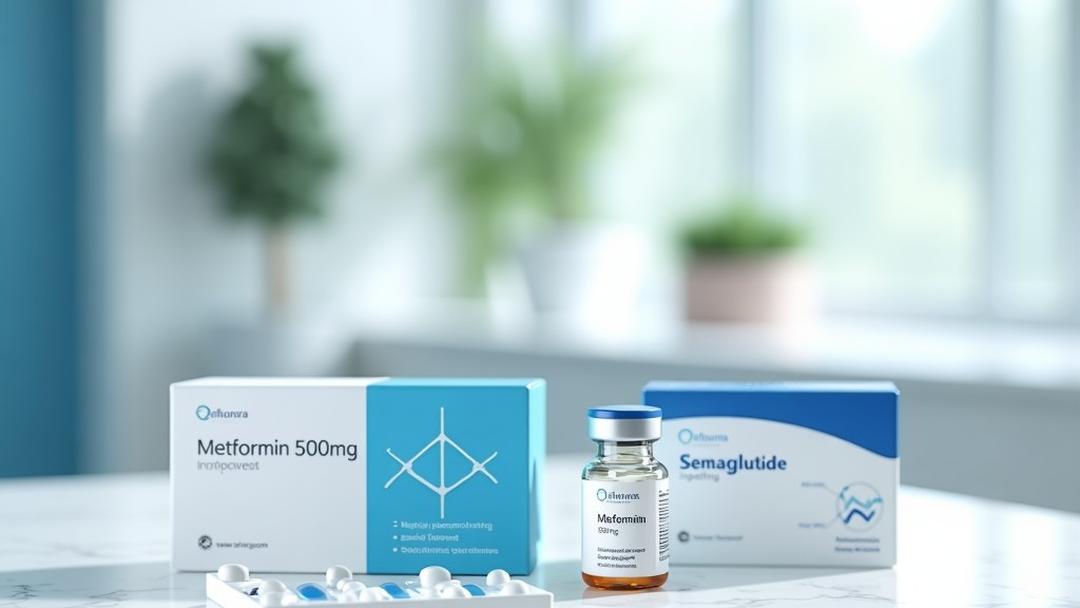
Metformin and semaglutide represent two of the most widely prescribed medications for type 2 diabetes mellitus (T2DM), each working through fundamentally different mechanisms. Metformin, a biguanide first introduced in France in 1957, has been the cornerstone of first-line diabetes therapy for decades. Semaglutide, a glucagon-like peptide-1 (GLP-1) receptor agonist, is a newer class of medication that has gained remarkable popularity for both glycemic control and weight reduction.
Metformin (brand names Glucophage, Glumetza, Fortamet) is an oral medication that primarily reduces hepatic glucose production. Semaglutide (brand names Ozempic, Rybelsus, Wegovy) is available as both subcutaneous injection and oral formulation, approved for type 2 diabetes (Ozempic, Rybelsus) and chronic weight management (Wegovy). This comparison covers the key differences between these two diabetes therapies to help patients make informed decisions.
Mechanism of Action
Metformin
Metformin primarily works by: lowering hepatic gluconeogenesis through AMP-activated protein kinase (AMPK) activation; increasing peripheral insulin sensitivity in muscle and fat tissues; reducing intestinal glucose absorption; and improving glucose uptake and utilization. Metformin does not stimulate insulin secretion from pancreatic beta cells, which gives it a very low risk of hypoglycemia when used as monotherapy.
Semaglutide
Semaglutide is a GLP-1 receptor agonist that mimics the action of the natural incretin hormone. It binds to GLP-1 receptors on pancreatic beta cells, enhancing glucose-dependent insulin secretion. It also: suppresses glucagon release from alpha cells; slows gastric emptying (resulting in increased satiety and reduced food intake); provides direct central nervous system effects on appetite regulation; and promotes weight loss through reduced caloric intake. The weight-loss effect of semaglutide is substantial, with clinical trials showing up to 10-15% reduction in body weight at higher doses.
Dosage Comparison
| Parameter | Metformin | Semaglutide (Injectable) | Semaglutide (Oral) |
|---|---|---|---|
| Starting Dose | 500 mg once/twice daily | 0.25 mg weekly | 3 mg daily |
| Maintenance Dose | 1000-2000 mg/day (split) | 0.5-1.0 mg weekly | 7-14 mg daily |
| Maximum Dose | 2550 mg/day | 2.0 mg weekly (Ozempic) 2.4 mg weekly (Wegovy) |
14 mg daily |
| Route | Oral tablet (IR/ER) | Subcutaneous injection | Oral tablet |
| Frequency | 1-3 times daily | Once weekly | Once daily |
| Half-Life | 6.2 hours | ~7 days (once-weekly formulation) | ~7 days (steady state) |
Efficacy Comparison: Blood Sugar Control and Weight Loss
| Outcome | Metformin | Semaglutide (1.0 mg/wk) | Semaglutide (2.4 mg/wk Wegovy) |
|---|---|---|---|
| HbA1c Reduction | 1.0-2.0% | 1.5-1.8% | 1.6-2.2% |
| Fasting Plasma Glucose Reduction | ~60 mg/dL | ~55-70 mg/dL | ~60-80 mg/dL |
| Average Weight Loss | 2-3 kg (modest) | 4-6 kg | 12-15 kg (~15% body weight) |
| Hypoglycemia Risk | Low (monotherapy) | Low (monotherapy) | Low (monotherapy) |
| Cardiovascular Benefit | Uncertain/potential | ✅ Proven (SUSTAIN-6 trial) | ✅ Proven (SELECT trial) |
| Renal Protection | Possible benefit | ✅ Proven benefit | Ongoing studies |
Both medications show robust efficacy for glycemic control in type 2 diabetes. Metformin remains the standard first-line treatment due to decades of proven safety, excellent tolerability, low cost, and additional benefits including modest weight reduction and potential cardiovascular benefits. Semaglutide, while more expensive, offers superior weight loss outcomes and proven cardiovascular risk reduction, making it an attractive option for patients with obesity and established cardiovascular disease.
Side Effects
| Side Effect | Metformin | Semaglutide |
|---|---|---|
| Nausea | Common with immediate-release | Very common (20-40%) |
| Vomiting | Occasional | Common (10-15%) |
| Diarrhea | Common (up to 50%) | Common (13-18%) |
| Constipation | Less common | Common (10-15%) |
| Abdominal Pain | Occasional | Common |
| Loss of Appetite | Modest | Significant (therapeutic for weight loss) |
| Vitamin B12 Deficiency | ✅ (10-30% long-term) | ❌ Not reported |
| Lactic Acidosis | Very rare (0.03/1000) | ❌ Not reported |
| Gallbladder Disease | ❌ | ✅ Increased risk (pancreatitis, gallstones) |
| Thyroid C-Cell Tumors | ❌ | ⚠️ Black box warning (rodent data) |
Drug Interactions
- Metformin: Avoid concurrent use with IV contrast agents (risk of lactic acidosis); interact with certain diuretics (furosemide, triamterene), cimetidine, and some HIV protease inhibitors.
- Semaglutide: Slows gastric emptying, which may affect absorption of oral medications (including oral contraceptives, antibiotics, and levothyroxine). Patients should maintain a consistent timing schedule for oral medications.
- Both: Caution when combined with insulin or sulfonylureas (increased risk of hypoglycemia). Dose adjustments of hypoglycemic agents may be needed during semaglutide initiation.
Clinical Trial Evidence
The SUSTAIN program of clinical trials established semaglutide’s efficacy and safety. In the SUSTAIN-6 trial, semaglutide reduced the risk of major adverse cardiovascular events (MACE) by 26% compared to placebo in T2DM patients. The PIONEER program evaluated oral semaglutide, showing mean HbA1c reductions of 1.2-1.5% and weight loss of 4-5 kg. The SELECT trial demonstrated semaglutide 2.4 mg (Wegovy dose) reduced cardiovascular events by 20% in patients with obesity without diabetes.
For metformin, the UK Prospective Diabetes Study (UKPDS) showed decreased diabetes-related endpoints, myocardial infarction, and all-cause mortality in patients with overweight T2DM. Metformin’s insulin-sensitizing effects and low cost make it a logical first-line background therapy for all patients with T2DM.
Pricing: India Generic vs. US Brand
| Product | Indian Generic Price (30 days) | US Brand/Retail Price (30 days) |
|---|---|---|
| Metformin 500 mg (generic, 60 tablets) | $3-$7 | $18-$36 |
| Metformin ER 500 mg (generic) | $5-$9 | $27-$54 |
| Semaglutide injection 1 mg (generic) | $180-$360 | $900-$1,400 |
| Ozempic (brand, US retail) | N/A | $1,000-$1,500 |
| Wegovy 2.4 mg (US retail) | N/A | $1,300-$1,800 |
| Rybelsus oral 7 mg (Indian generic) | $135-$270 | $900-$1,200 |
Affordable Generic Options: Indian pharmaceutical manufacturers produce high-quality metformin and semaglutide medications at substantially lower prices than US brand equivalents. Metformin is one of the most affordable diabetes medications available globally. Browse our diabetes medication collection at 984online.com for affordable generic options from certified manufacturers.
FAQ: Metformin vs Semaglutide
Is semaglutide better than metformin for weight loss?
Yes, semaglutide is significantly more effective for weight loss. Clinical trials show average weight loss of 4-15% of body weight with semaglutide (depending on dose) compared to 2-4 kg with metformin. Semaglutide 2.4 mg (Wegovy) is specifically approved for chronic weight management.
Can I take metformin and semaglutide together?
Yes, this is a common and effective combination. Metformin reduces hepatic glucose production while semaglutide enhances incretin response and reduces appetite. This combination addresses multiple aspects of T2DM pathophysiology.
Which has fewer gastrointestinal side effects?
Metformin immediate-release causes more gastrointestinal symptoms initially, but extended-release formulations often improve tolerability. Semaglutide frequently causes nausea and vomiting, especially during dose titration, but these effects typically diminish over time.
Is semaglutide available as an oral tablet?
Yes, semaglutide is available orally as Rybelsus in 3 mg, 7 mg, and 14 mg strengths. Oral bioavailability is lower than injectable, requiring a specific protocol (administer after overnight fast, 30 minutes before first meal/beverage with no more than 4 ounces of plain room-temperature water).
Does semaglutide cause thyroid cancer?
Animal studies have shown thyroid C-cell tumors in rodents, leading to boxed warning contraindicating semaglutide in patients with personal/family history of medullary thyroid carcinoma (MTC). Human data over more than 10 years of GLP-1RA use has not established a clear causal link, but monitoring is recommended.
Which medication has more cardiovascular benefits?
Semaglutide has demonstrated a 26% relative risk reduction in major adverse cardiovascular events (MACE) in the SUSTAIN-6 trial. Metformin’s cardiovascular benefits are less well-defined in randomized controlled trials, although the UKPDS demonstrated long-term benefits.
What is the monthly cost of semaglutide vs metformin?
Metformin is one of the most affordable diabetes medications (Indian generic: $3-$9/month). Semaglutide injection costs $180-$360/month from Indian generic suppliers, compared to $1,000-$1,500/month for US brand counterparts.
Safety and Precautions
Both metformin and semaglutide are generally well-tolerated with appropriate prescribing:
- Metformin Contraindications: Severe renal impairment (eGFR below 30 mL/min/1.73m²), acute or chronic metabolic acidosis, and patients with hepatic impairment. Temporary discontinuation before radiologic contrast studies is recommended.
- Semaglutide Contraindications: Personal or family history of medullary thyroid carcinoma (MTC), multiple endocrine neoplasia syndrome type 2 (MEN-2), and severe gastrointestinal disease (gastroparesis).
- Pancreatitis: Both medications have been associated with acute pancreatitis. Discontinue immediately if pancreatitis is suspected. Clinical trials have shown a numerically higher incidence with semaglutide.
- Diabetic Retinopathy: Semaglutide has been associated with worsening diabetic retinopathy, particularly in patients with rapid glycemic improvement.
- Hypoglycemia Risk: Low when used as monotherapy, but both drugs increase the risk when combined with insulin or sulfonylureas.
Which Is Right for You?
The choice between metformin and semaglutide depends on individual patient goals, HbA1c targets, weight management needs, cardiovascular risk, tolerability, and cost. Most treatment guidelines recommend metformin as first-line therapy for new T2DM diagnoses. Semaglutide can be added as a second or third-line agent when glycemic targets are not met, especially when weight loss is a priority. The combination of metformin + semaglutide may be optimal for many patients, providing complementary mechanisms of action and additive benefits for both glycemic control and weight reduction.
Always consult a physician to determine the most appropriate treatment plan for T2DM. Individual factors such as kidney function, cardiovascular risk, history of pancreatitis, and personal preferences should guide the decision.
References
- American Diabetes Association. “Pharmacologic Approaches to Glycemic Treatment: Standards of Medical Care in Diabetes—2024.” Diabetes Care. 2024;47(Supplement_1):S158-S178.
- Marso SP, et al. “Semaglutide and Cardiovascular Outcomes in Patients with Type 2 Diabetes.” NEJM. 2016;375:1834-1844. (SUSTAIN-6)
- Davies M, et al. “Efficacy and Safety of Oral Semaglutide in Patients with Type 2 Diabetes (PIONEER 1-8).” Lancet Diabetes Endocrinol. 2019;7(7):515-528.
- Holman RR, et al. “10-Year Follow-up of Intensive Glucose Control in Type 2 Diabetes.” NEJM. 2008;359:1577-1589. (UKPDS)
- FDA Prescribing Information: Ozempic (semaglutide) injection. Novo Nordisk, 2023.
- FDA Prescribing Information: Glucophage (metformin hydrochloride). Bristol-Myers Squibb, 2018.
- Wilding JPH, et al. “Once-Weekly Semaglutide 2.4 mg in Adults with Overweight or Obesity (STEP 1-4).” NEJM. 2021;384:989-1002.
Medical Disclaimer: This information is provided for educational purposes only. It does not constitute medical advice and is not a substitute for professional medical consultation. All prices shown are ±10% ranges reflecting typical market variation. Always consult a qualified healthcare provider before starting, stopping, or modifying any medication regimen. Medications should only be taken under proper medical supervision with a valid prescription.