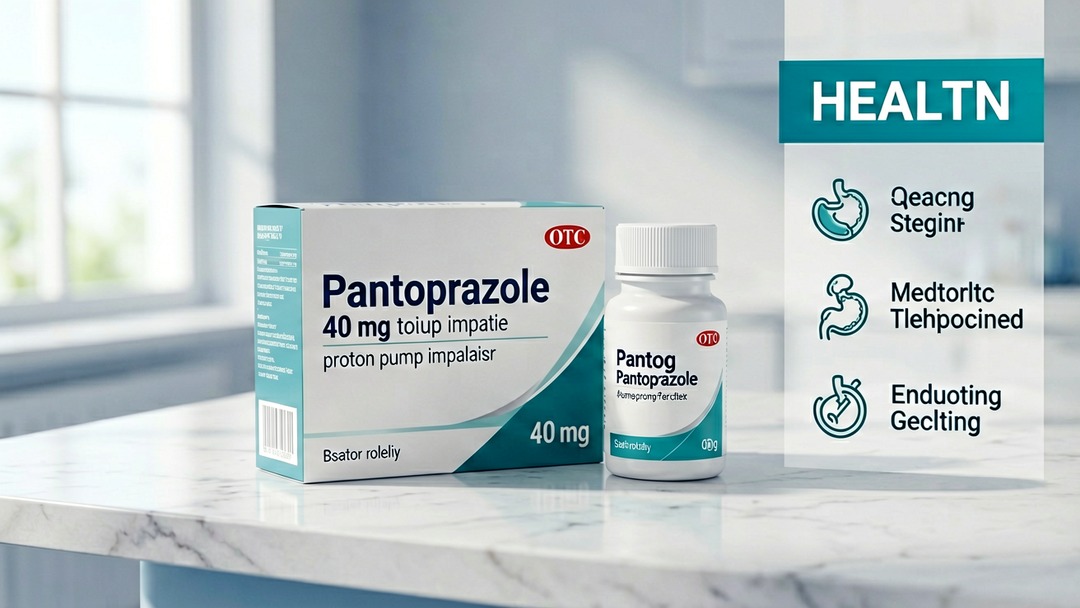
What Is Pantoprazole (Protonix)?
Pantoprazole is a proton pump inhibitor (PPI) used to treat conditions caused by excess stomach acid — chiefly gastroesophageal reflux disease (GERD), erosive esophagitis, and conditions that require stomach-acid suppression to protect the gastrointestinal tract. It was introduced by Wyeth under the brand name Protonix and is now widely available as low-cost generic pantoprazole. Pantoprazole is one of several PPIs that share a similar mechanism, yet it has a safety profile and clinical record that sets it apart in patient experience — particularly for long-term and esomeprazole-sensitive users who find it gentler on a daily basis.
Because acid reflux is among the most common digestive complaints in the world — an estimated 20% to 30% of adults in Western countries report symptoms at least weekly — pantoprazole has become a staple in internal medicine and gastroenterology. This guide offers a comprehensive look at how pantoprazole works, its dose, how it compares with other PPIs like omeprazole and esomeprazole, its safety profile across long-term use, and what patient experience suggests about choosing between them. As with all PPIs, the emphasis is on using the lowest effective dose for the shortest appropriate duration.
How Pantoprazole Works: Mechanism of Action
All PPIs, including pantoprazole, block the final and decisive step in gastric acid production inside the stomach’s acid-secreting cells. When food arrives, cells in the stomach lining produce a protein called a proton pump (H+/K+-ATPase) that actively secretes hydrogen ions into the stomach, creating the acidic environment. Pantoprazole is a weak base that accumulates specifically in the acidic environment just outside this pump. There, it becomes activated, binds irreversibly to the pump, and disables it. Because it binds covalently (permanently) to the pump, the acid-suppressing effect lasts beyond the drug’s own short half-life — roughly 90 minutes — until new pumps are synthesized.
The clinical significance of this is that pantoprazole works both quickly and steadily. Symptom relief begins within a day or two and full acid suppression usually builds over the first week of daily dosing. It is important to note that this mechanism is the same for every PPI, which is why the class as a whole is so reliable; differences between them are mainly about potency, how quickly the drug is cleared, and the exact prescriptions, and the safety variations that come with patient experience rather than fundamental changes to treatment.
Approved Uses of Pantoprazole
- Gastroesophageal reflux disease (GERD): healing and prevention of reflux symptoms like heartburn and regurgitation.
- Erosive esophagitis: healing of the lining of the esophagus damaged by reflux.
- Zollinger–Ellison syndrome: a rare condition with severe acid hypersecretion.
- Prevention of NSAID-related ulcers: in patients at risk of drug-induced gastric damage.
- Peptic ulcer disease: ulcer healing, especially when combined with an antibiotic course for Helicobacter pylori.
- Maintenance therapy: to keep healed esophagitis from returning.
The US-approved use is principally for healing and maintenance of erosive esophagitis associated with GERD, and the FDA label for pantoprazole notes a prescribing limit of up to 8–16 weeks for the healing phase, with longer use only under clinical direction. Like other PPIs, it should not be used chronically over months unless a doctor has specifically determined an ongoing benefit that outweighs the risks of prolonged acid suppression.
Dosage and How to Take Pantoprazole
Pantoprazole is most commonly used at 20 mg or 40 mg once daily. For erosive esophagitis, the usual course is 40 mg once daily for up to 8 weeks, and once healed, a maintenance dose of 20 mg once daily may be given. The intravenous form is used in hospitals to suppress acid in patients who cannot take medication by mouth (e.g., peri-operative). The tablet is swallowed whole and should not be crushed or chewed; the most robust absorption profile occurs when it is taken approximately 30–60 minutes before a meal, usually breakfast, so that the pump is inhibited when it is most active.
Because of the “once-a-day suppress” effect, switching between PPIs is generally straightforward, but it is important to follow the timeline of each PPI and to re-start treatment with the lowest effective dose when symptoms recur. Missing the dose typically results in a return of heartburn in 1–2 days. Patients who take pantoprazole long-term — beyond 8 weeks — are usually doing so under a specialist’s explicit recommendation, and the dose is then kept as low as possible or used on an on-demand basis. Row with caution about doses above 40 mg.
Pantoprazole vs Omeprazole vs Esomeprazole
| Factor | Pantoprazole | Omeprazole | Esomeprazole |
|---|---|---|---|
| Brand | Protonix | Prilosec | Nexium |
| Typical daily dose | 20–40 mg | 20 mg | 20–40 mg |
| Healing course | 4–8 weeks | 4 weeks | 4–8 weeks |
| Drug interactions | Fewer hepatic (CYP2C19) | Moderate (CYP2C19) | Moderate (CYP2C19) |
| Common side effects | Headache, diarrhea | Headache, abdominal pain | Headache, diarrhea, nausea |
| Generic availability | Yes & affordable | Yes | Yes |
| Typical monthly cost | Lowest | Low | Moderate–higher |
All three PPIs are about equally effective for GERD when used at the right dose, and the scientific literature repeatedly shows similar healing rates. Pantoprazole holds two distinct edges that matter to patient experience and safety. First, its metabolism is less dependent on the CYP2C19 enzyme compared with omeprazole and esomeprazole, which means its effect varies less between people based on genetics and has fewer interactions with medicines that pass through that same pathway. Second, pantoprazole has a milder reputation for less noticeable effects compared with other PPIs — a factor that for many becomes the deciding point.
Safety Profile and Side Effects
The short-term safety of pantoprazole is good. The most common side effects reported include headache, diarrhea, nausea, abdominal pain, flatulence and, less often, dizziness or a skin rash. Serious allergic reactions are rare. Because pantoprazole suppresses stomach acid, a few long-term consequences of reduced acid are recognized: a small increased risk of bone fracture (associated with long-term PPI use), possible low magnesium, and a slightly higher risk of intestinal infections because there is less acid to kill bacteria entering the stomach.
Compared with other PPIs, pantoprazole is among the better tolerated in post-marketing reports and has a relatively favorable safety profile when used properly. It is important not to confuse a “safe and effective drug when used as intended” with “safe to take forever.” Long-term, self-prescribed PPI use beyond the recommended treatment time is an increasingly common pitfall, and overuse is associated with downstream complications. Anyone who continues pantoprazole long term should have this aligned with a clinician, periodically rechecked for benefit, and should reconsider the need every few weeks-to-months. PPI use in pregnancy is not usually the first choice, so it should be discussed with an obstetrician.
Pantoprazole Generic Pricing: Cost Comparison
Pantoprazole is an example of an effective, inexpensive generic. The US brand Protonix is a discontinued thinned brand, and the newer generics are sold at prices that have fallen substantially. For a genuine month of daily 40 mg, US generic pantoprazole typically retails around $25–$50 depending on the pharmacy and the pack size, with some discount programs bringing OOP price to the low end of that range. Compare with US generic omeprazole, which is generally the cheapest of the three ($8–$15 with coin coupons), while esomeprazole (Nexium) is usually the most expensive generic of the class, at $40–$80 monthly.
When you source from a reliable international source, the picture improves. A 150-tablet pack of 40 mg generic pantoprazole from a leading producer is commonly around $22–$26 in total, which, spread across a healing course, is a fraction of the US list price. The prices always depend on the pack, the strength and the pharmacy, and they can vary by roughly ±10%, so figures are best treated as typical ranges, not a firm quote. For patients who need months of acid suppression, choosing a supply in a large generic pack from a verified pharmacy is often by far the least expensive way to stay on the course.
Who Should Consider Pantoprazole — Decision Guide
- Chronic GERD needing healing: pantoprazole 40 mg for 4–8 weeks works well to heal esophagitis.
- Patients sensitive to liver-enzyme medication interactions: its lower CYP2C19 reliance makes it a common choice when multiple medicines are involved.
- Cost-conscious patients: the generic is among the cheapest of the class and widely available.
- Not for everyone: avoid PPIs in pregnancy unless needed; avoid indefinite self-use; do not exceed 16 weeks without review.
- Patient experience: many who found other PPIs slightly more “dyspeptic” or who want a gentler on tolerance often do well with pantoprazole.
Frequently Asked Questions
1. How long can I take pantoprazole?
For healing erosive esophagitis, 4 to 8 weeks. For maintenance, a lower dose is used, and longer-term use should be reviewed regularly with a doctor. Talk about periodic “step-down” or on-demand dosing where suitable.
2. Is pantoprazole safer than omeprazole?
Both aim the same mechanism and have a similar serious side-effect profile. Pantoprazole has fewer drug interactions because of its metabolism, and many find it mildly better tolerated. Neither is inherently “safer”; safety comes from appropriate dosing and duration.
3. Should I take pantoprazole with food?
Yes, ideally 30–60 minutes before a meal — usually breakfast — so the pump is blocked during the meal when acid peaks. Taking it on an empty stomach or with food in the wrong order reduces the effect.
4. Can I take pantoprazole forever for my reflux?
Many patients take PPIs long-term for chronic GERD, but it should be guided, ideally at the lowest working dose and with periodic review to check whether you still need it. Self-prescribed forever use is not advisable.
5. What food has the biggest interaction with pantoprazole?
Pantoprazole has few dietary interactions, but taking it with the main meal and avoiding very late doses, plus separating medicines known to bind to it, keeps it effective. Tell your provider about all the supplements you take.
References
- FDA Prescribing Information for pantoprazole sodium (Protonix).
- American College of Gastroenterology clinical guidelines for GERD.
- Cochrane Reviews of proton pump inhibitors for GERD.
- Head-to-head systematic comparison of PPIs in reflux (2021).
- UpToDate clinical profile of pantoprazole.
Medical Disclaimer: This article is for general information only and is not medical advice. Pantoprazole is a prescription medicine; it should be used only under medical supervision and reviewed to determine lowest effective dose and appropriate duration. Prices shown are approximate, vary by country, pharmacy, pack size and currency, and change over time.
See other medication guides in our medicines category or the full pharmaceuticals collection at 984online.com, including our cleaning of GERD and acid-reflux medication in the medicine area.