

Pirfenidone Side Effects: Complete Safety Guide for IPF Patients

Introduction
Understanding possible medication reactions is an important part of informed healthcare decisions. Many patients and caregivers search for information about pirfenidone side effects to better understand what to expect during treatment and how safety monitoring may be managed.
Pirfenidone is commonly used in the management of certain chronic lung conditions associated with fibrosis. While the medicine may play an important role in treatment plans prescribed by healthcare professionals, it can also cause side effects ranging from mild digestive symptoms to more significant reactions that require medical attention.
This guide explains common and less common pirfenidone side effects, factors that may influence tolerability, general safety considerations, and frequently asked questions. The information is educational in nature and does not replace professional medical advice.
What Is Pirfenidone?
Pirfenidone is an approved antifibrotic medication that helps slow the progression of lung scarring in people with idiopathic pulmonary fibrosis (IPF). While it does not cure IPF or reverse existing damage, clinical trials show it can reduce the rate of decline in lung function and improve progression-free survival.
Like all medications, pirfenidone can cause side effects. Most are manageable with dose adjustments, supportive care, and lifestyle measures, but some require prompt medical attention. This guide provides evidence-based information on common and serious side effects, risks, management strategies, and monitoring to help patients and caregivers make informed decisions. Always consult your healthcare provider for personalized advice.
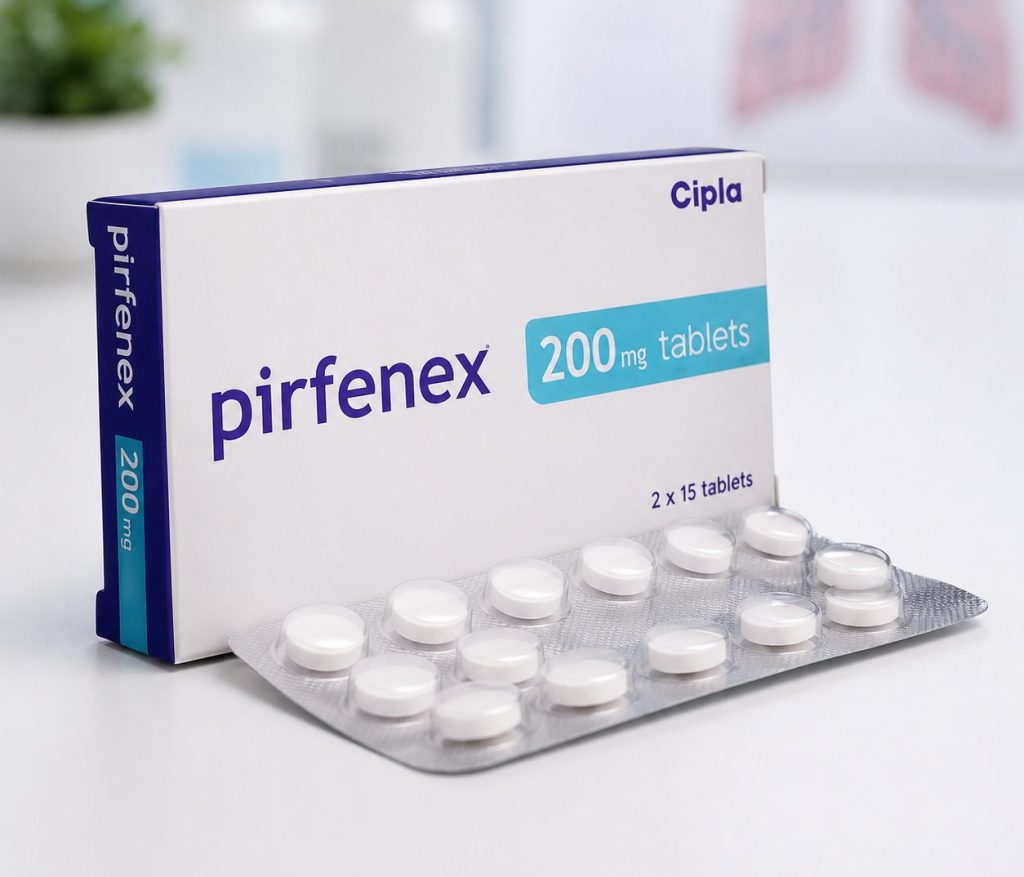
Mechanism of Action in Idiopathic Pulmonary Fibrosis (IPF)
Pirfenidone is an oral antifibrotic medication used to treat idiopathic pulmonary fibrosis (IPF). It helps slow the progression of lung scarring (fibrosis) by targeting multiple pathways involved in the fibrotic process. While the exact mechanism is not fully understood, research shows it exerts both anti-inflammatory and anti-fibrotic effects that help preserve lung function over time.
Key Ways Pirfenidone Works
- Inhibits Transforming Growth Factor-Beta (TGF-β): TGF-β is a major driver of fibrosis. Pirfenidone reduces TGF-β production and signaling, which helps limit the activation of cells responsible for scar tissue formation.
- Reduces Fibroblast Activity: Fibroblasts are the cells that produce excessive scar tissue in the lungs. Pirfenidone suppresses fibroblast proliferation and differentiation into myofibroblasts, the key culprits in progressive scarring.
- Decreases Collagen Production: It lowers the synthesis and accumulation of collagen and other extracellular matrix proteins that stiffen lung tissue.
- Anti-inflammatory Effects: Pirfenidone modulates inflammatory cytokines and reduces overall inflammation that contributes to ongoing lung damage.
Overall Benefit: By interfering with these pathways, pirfenidone slows the decline in lung function (measured by forced vital capacity – FVC), reduces the risk of acute exacerbations, and improves progression-free survival in patients with IPF. It does not cure the disease or reverse existing fibrosis, but it can meaningfully slow disease progression.
Metabolism and Factors Affecting Drug Levels
Pirfenidone is primarily metabolized in the liver by the CYP1A2 enzyme system. This is important because several factors can alter its blood levels and potentially increase side effect risks:
- Drug Interactions: Strong CYP1A2 inhibitors (such as fluvoxamine) can significantly raise pirfenidone levels. Other medications like ciprofloxacin may also interact. Always inform your doctor about all medicines, supplements, and herbals you take.
- Smoking: Cigarette smoking induces CYP1A2 activity, which can lower pirfenidone blood levels and possibly reduce its effectiveness. Patients are generally advised to stop smoking while on treatment.
- Other Factors: Liver function, age, and genetics can also influence how the body processes the drug.
Because of these factors, doctors typically start with a lower dose and gradually increase it (dose titration) to improve tolerability while monitoring for side effects.
Common Pirfenidone Side Effects
In clinical studies, gastrointestinal and skin-related issues are the most frequently reported. These are often mild to moderate and may improve over time or with management.
- Gastrointestinal issues: Nausea, diarrhea, abdominal pain/discomfort, vomiting, indigestion/heartburn (dyspepsia), loss of appetite, and gastroesophageal reflux.
- Skin reactions: Rash, itching, and photosensitivity (increased sensitivity to sunlight leading to sunburn-like reactions).
- Other common effects: Fatigue, headache, dizziness, upper respiratory tract infections, sinusitis, insomnia, weight loss, and joint pain (arthralgia).
These side effects led to treatment discontinuation in a relatively small percentage of patients in trials, often around 2-15% depending on the specific issue and study.
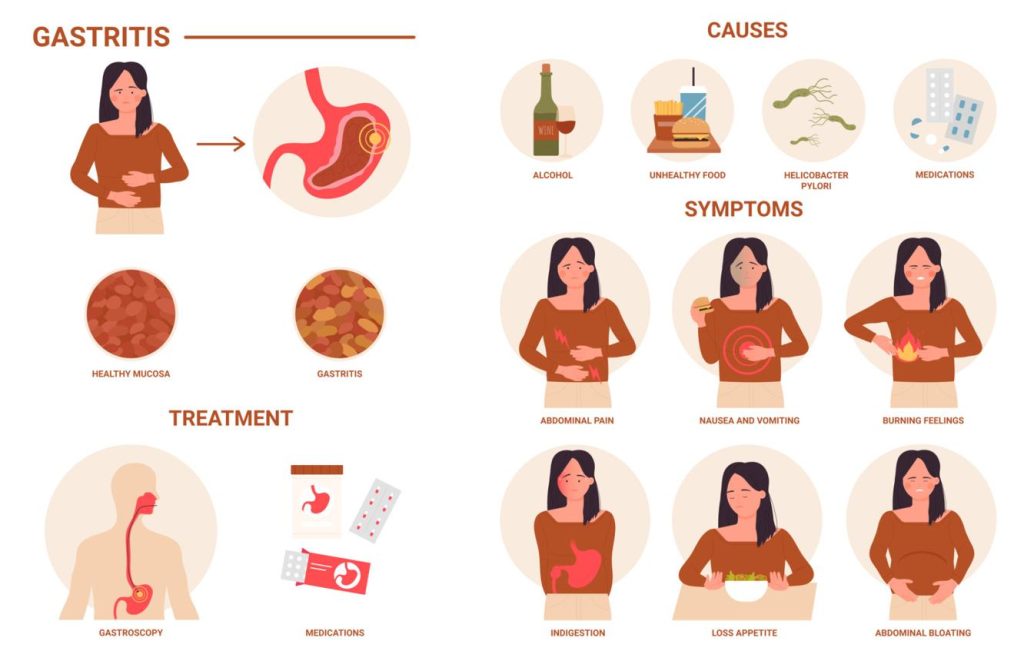
Serious Warning Signs – When to Seek Immediate Help
Contact your doctor right away or seek emergency care if you experience:
- Signs of liver problems: Yellowing of the skin or eyes (jaundice), dark or brown urine, upper right abdominal pain, unusual bleeding/bruising, extreme fatigue, or loss of appetite.
- Severe skin reactions: Blistering, peeling, widespread rash, sores in the mouth, or hives (possible Stevens-Johnson syndrome or other severe reactions).
- Severe gastrointestinal symptoms that prevent eating or lead to dehydration.
- New or worsening shortness of breath, cough, or chest pain (could relate to IPF progression or other issues).
- Allergic reaction signs: Swelling of face/lips/tongue/throat, difficulty breathing.
Liver Toxicity Risks
Pirfenidone can cause elevations in liver enzymes (ALT/AST). These are usually asymptomatic and reversible but require monitoring. Clinically significant elevations (>3x upper limit of normal) occurred in about 2-3% of patients in key trials.
Rare cases of more serious liver injury have been reported. Risk factors may include concurrent use of other hepatotoxic drugs or certain genetic/metabolic factors.
Monitoring recommendations (standard guidelines):
- Liver function tests (ALT, AST, bilirubin) before starting treatment.
- Monthly for the first 6 months.
- Every 3 months thereafter, or more frequently if indicated.
Dose reduction, temporary interruption, or permanent discontinuation may be needed based on enzyme levels and symptoms.
Photosensitivity Reactions
Pirfenidone increases skin sensitivity to UV light, which can cause rash, redness, or severe sunburn even with indirect exposure. This affected up to 9-12% or more in studies.
Prevention strategies:
- Use broad-spectrum sunscreen (SPF 50+) daily, reapplying as needed.
- Wear protective clothing: long sleeves, pants, wide-brimmed hat.
- Avoid direct sunlight and sunlamps, especially between 10 AM and 4 PM.
- Seek shade; do not rely solely on windows for protection.
Report any skin reactions promptly—dose adjustments can help.
Drug Interactions with Pirfenidone
CYP1A2 Inhibitors
Certain medications may increase pirfenidone blood concentrations and raise toxicity risk.
Important interacting medications:
Fluvoxamine ,Ciprofloxacin, Amiodarone
Patients should provide healthcare providers with a complete medication list before starting treatment.
Smoking and Pirfenidone
Smoking may reduce pirfenidone effectiveness by increasing CYP1A2 enzyme activity.
Patients with IPF are strongly advised to stop smoking while receiving antifibrotic therapy.
Pirfenidone Dose Titration
To improve tolerability, treatment is usually increased gradually. Example Dose Escalation Schedule
Week Typical Dose Pattern
Week 1 Lower starting dose
Week 2 Intermediate dose
Week 3 onward Full maintenance dose
Gradual titration helps reduce: nausea, dizziness, gastrointestinal discomfort.
Drug Interactions
Pirfenidone is primarily metabolized by CYP1A2 in the liver. Strong inhibitors (e.g., fluvoxamine) can significantly increase drug levels and side effect risks; dose reduction may be required. Other interacting drugs include ciprofloxacin and certain others affecting CYP enzymes.
Always provide your full medication list (including over-the-counter, supplements, and herbals) to your doctor and pharmacist. Smoking may induce CYP1A2 and affect levels.
Monitoring Recommendations and Prevention Strategies
- Titration: Treatment often starts at a lower dose and increases gradually to the full dose (typically 801 mg three times daily with food) to improve tolerability.
- Take with food: This reduces gastrointestinal side effects. Divide doses across meals.
- Supportive medications: Anti-nausea drugs, antacids, or other symptom relievers as prescribed.
- Lifestyle: Stay hydrated, eat smaller frequent meals, maintain a balanced diet, and follow sun protection strictly.
- Regular follow-up: Attend all scheduled appointments for lung function tests, liver monitoring, and side effect assessment. Dose modifications are common and effective for managing tolerability.
Many patients tolerate long-term treatment well with these measures. Do not stop or adjust the dose without medical guidance.
Less Common but Important Side Effects
Although less common, some reactions may require medical evaluation and monitoring.
Liver Function Changes
Pirfenidone treatment may sometimes affect liver enzyme levels. Because of this possibility, healthcare professionals may recommend periodic laboratory monitoring during treatment.
Possible warning signs that should be discussed with a healthcare provider include:
- Yellowing of the skin or eyes
- Dark urine
- Persistent nausea
- Unusual fatigue
- Upper abdominal discomfort
Weight Loss
Some individuals taking pirfenidone may experience reduced appetite and gradual weight loss over time. Nutritional monitoring may be considered as part of ongoing care.
Respiratory Symptoms
Patients with underlying lung disease may already experience breathing difficulties. Any sudden worsening of respiratory symptoms should be evaluated by a healthcare professional.
Factors That May Influence Pirfenidone Side Effects
Dosage and Treatment Schedule
Side effects may vary depending on dosage strength and how quickly treatment is introduced. In some cases, gradual dose adjustments are used to improve tolerability.
Individual Health Status
Age, liver function, nutritional status, and coexisting medical conditions may influence how the body responds to pirfenidone.
Concurrent Medications
Drug interactions may affect how pirfenidone is metabolized or tolerated. Patients should inform healthcare professionals about all prescription medicines, supplements, and over-the-counter products they use.
Lifestyle Factors
Smoking status, alcohol use, diet, and sun exposure habits may also influence treatment tolerance and side effect risk.
General Safety and Monitoring Considerations
Routine Monitoring
Healthcare professionals may recommend regular follow-up visits and laboratory tests during pirfenidone treatment. Monitoring plans can vary based on patient-specific factors.
Sun Protection
Because photosensitivity reactions may occur, patients are often advised to:
- Wear protective clothing outdoors
- Use sunscreen when appropriate
- Avoid excessive direct sunlight
- Monitor skin reactions carefully
Medication Adherence
Patients should follow prescribed dosing instructions carefully. Sudden changes to medication schedules should only occur under medical supervision.
When Should Pirfenidone Be Stopped?
Doctors may temporarily stop or reduce treatment if patients develop:
Severe liver abnormalities
Significant rash
Intolerable gastrointestinal symptoms
Severe photosensitivity
Allergic reactions
Patients should never discontinue therapy without medical guidance.
Can Pirfenidone Side Effects Improve Over Time?
Some side effects may become less noticeable as the body adjusts to treatment. Mild digestive symptoms, for example, may improve after the initial treatment period in certain individuals.
However, not all side effects resolve automatically. Persistent or worsening symptoms should always be evaluated professionally to determine whether treatment modifications or supportive care measures are appropriate.
Treatment decisions are individualized and depend on overall health, symptom severity, and physician assessment.
How Patients Commonly Manage Mild Side Effects
Patients often discuss practical coping strategies with healthcare providers to improve treatment tolerability.
General supportive considerations may include:
- Taking medication with meals if advised
- Maintaining hydration
- Monitoring skin changes
- Tracking symptoms in a journal
- Attending regular follow-up appointments
These measures do not replace professional medical guidance but may support overall treatment management.
Tips for Managing Pirfenidone Side Effects
Practical strategies that may help
- Take medication with meals
- Stay hydrated
- Use sunscreen daily
- Avoid alcohol excess
- Attend regular liver monitoring appointments
- Report new symptoms early
- Avoid smoking
- Maintain balanced nutrition
Data & Insights Section
Pirfenidone has become an important part of treatment strategies for certain fibrotic lung diseases, leading to increased patient awareness regarding long-term safety and tolerability.
Real-world patient experiences suggest that digestive symptoms and photosensitivity reactions are among the more frequently discussed side effects. However, individual experiences vary considerably, and not all patients experience significant adverse reactions.
Healthcare providers often emphasize routine monitoring because chronic therapies may require ongoing assessment of liver function, nutritional status, and overall tolerance. Patient education also plays an important role in improving medication adherence and recognizing warning signs early.
As awareness of pulmonary fibrosis continues to grow globally, educational resources related to pirfenidone safety, dosing, and side effects remain highly searched topics online.
Frequently Asked Questions (FAQs)
1. What are the most common pirfenidone side effects?
Commonly reported pirfenidone side effects may include nausea, fatigue, digestive discomfort, skin sensitivity to sunlight, dizziness, and reduced appetite. The severity and frequency of symptoms can vary from person to person depending on overall health and treatment response.
2. Does pirfenidone cause liver problems?
Pirfenidone may affect liver enzyme levels in some individuals. Because of this possibility, healthcare professionals often recommend periodic liver function monitoring during treatment. Any unusual symptoms such as yellowing of the skin or dark urine should be discussed promptly with a medical professional.
3. Can pirfenidone cause weight loss?
Some patients may experience reduced appetite or gastrointestinal discomfort that contributes to gradual weight loss. Nutritional monitoring and regular medical follow-up may help identify concerns early during treatment.
4. Is sun sensitivity common with pirfenidone?
Photosensitivity reactions are a recognized concern associated with pirfenidone therapy. Some individuals may develop rash, redness, or sunburn-like reactions after sun exposure. Protective clothing and appropriate sun precautions may help reduce risk.
5. Are pirfenidone side effects permanent?
Many side effects are temporary or manageable, although experiences vary between patients. Some symptoms may improve as the body adjusts to treatment, while others may require closer medical supervision or treatment modifications.
6. Should pirfenidone be taken with food?
Healthcare professionals may recommend taking pirfenidone with food to improve tolerability and reduce digestive discomfort. Patients should always follow the specific instructions provided with their prescription.
7. Can pirfenidone interact with other medications?
Yes. Drug interactions may influence how pirfenidone is processed by the body or increase side effect risk. Patients should inform healthcare providers about all medicines and supplements they are using.
8. When should patients contact a doctor about side effects?
Patients should seek medical evaluation if symptoms become severe, persistent, or unusual. Warning signs such as breathing difficulties, significant skin reactions, or symptoms suggesting liver problems require prompt attention.
9. Can older adults experience stronger side effects?
Older adults may sometimes be more sensitive to medication-related effects due to age-related physiological changes and the presence of additional medical conditions. Treatment plans are typically individualized based on patient needs.
10. Is pirfenidone considered a long-term treatment?
Pirfenidone is often used as part of long-term disease management for certain pulmonary fibrotic conditions. Regular monitoring and ongoing communication with healthcare providers are important during extended therapy.
Related Long-Tail Keywords
- common pirfenidone side effects
- pirfenidone rash and sun sensitivity
- pirfenidone nausea management
- pirfenidone liver monitoring
- long term pirfenidone side effects
- pirfenidone safety information
- pirfenidone fatigue symptoms
- pirfenidone side effects in elderly patients
- pirfenidone gastrointestinal side effects
- how to manage pirfenidone side effects
Suggested Internal Linking Topics
- Pulmonary fibrosis treatment overview
- Antifibrotic medication guide
- Drug safety monitoring explained
- Managing chronic respiratory diseases
- Prescription medication side effects guide
Why This Article Is Trustworthy
Medically Reviewed & Evidence-Based
This article has been medically reviewed by healthcare professionals with expertise in:
- pulmonology,
- clinical pharmacology,
- and interstitial lung disease management.
The content is based on:
- FDA prescribing information,
- clinical trial safety data,
- pulmonary fibrosis treatment guidelines,
- and peer-reviewed medical literature.
Editorial & Medical Review Standards
Our healthcare content undergoes:
- Medical fact-checking
- Clinical accuracy review
- Source validation
- Guideline consistency checks
- Scheduled content updates
Medical Reviewer
Dr. Dr. Anand Jaiswal, MD – Pulmonology Specialist
Specialization:
- Idiopathic pulmonary fibrosis
- Antifibrotic therapy
- Respiratory medicine
- Interstitial lung disease
Commitment to Patient Safety
We are committed to publishing:
- medically accurate,
- evidence-based,
- clinically responsible,
- patient-focused pharmaceutical information.
This article is intended for educational purposes and should not replace professional medical advice.
Conclusion
Understanding pirfenidone side effects is an important part of informed treatment planning. While many patients tolerate therapy reasonably well, side effects such as digestive discomfort, fatigue, and photosensitivity may occur and require monitoring.
Regular communication with healthcare professionals, routine follow-up, and attention to safety precautions can help support long-term treatment management. Because each patient’s experience is different, individualized medical guidance remains essential.
For more educational information about pulmonary fibrosis therapies, medication safety, and respiratory health resources, consider consulting trusted healthcare professionals or reliable medical information platforms.